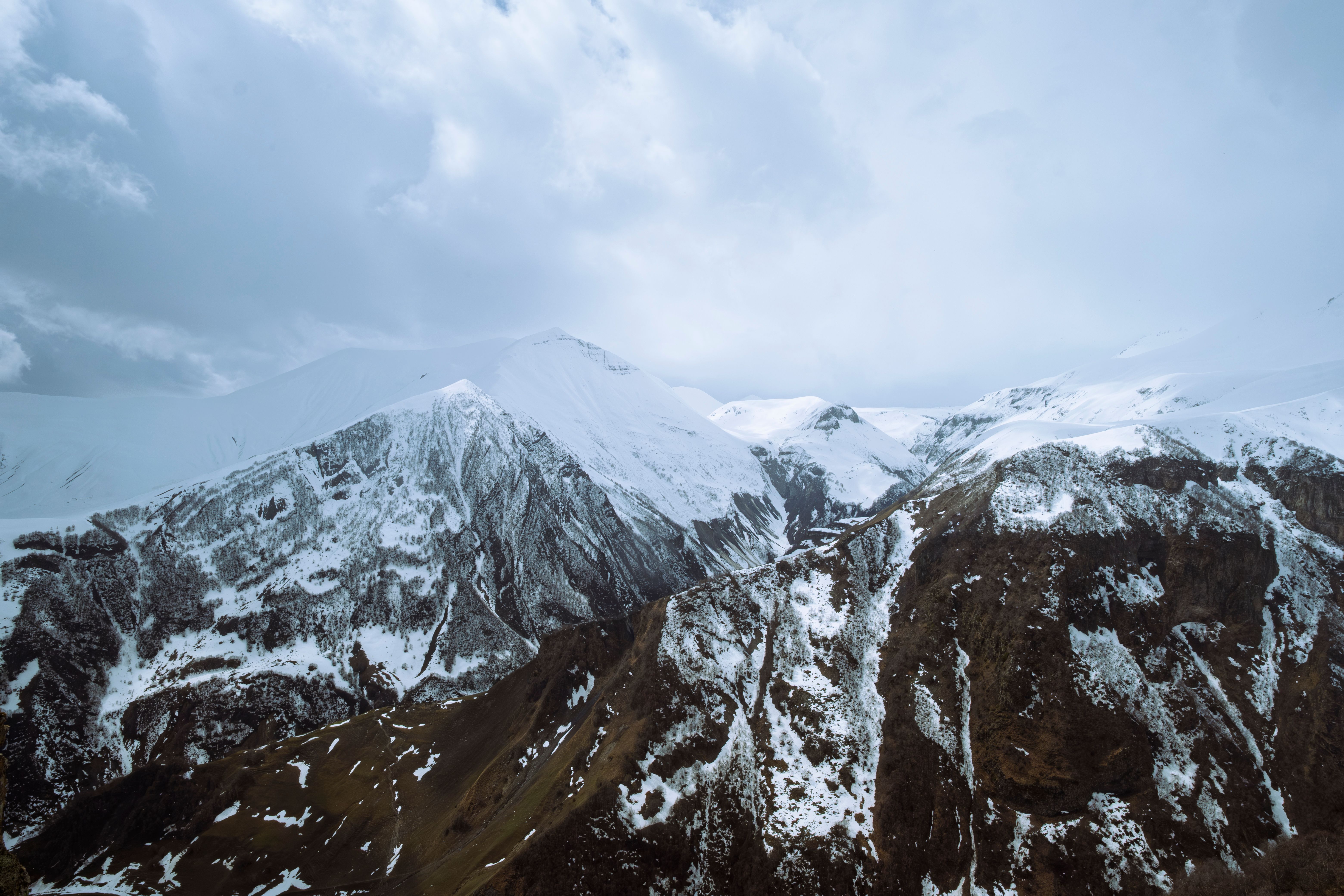
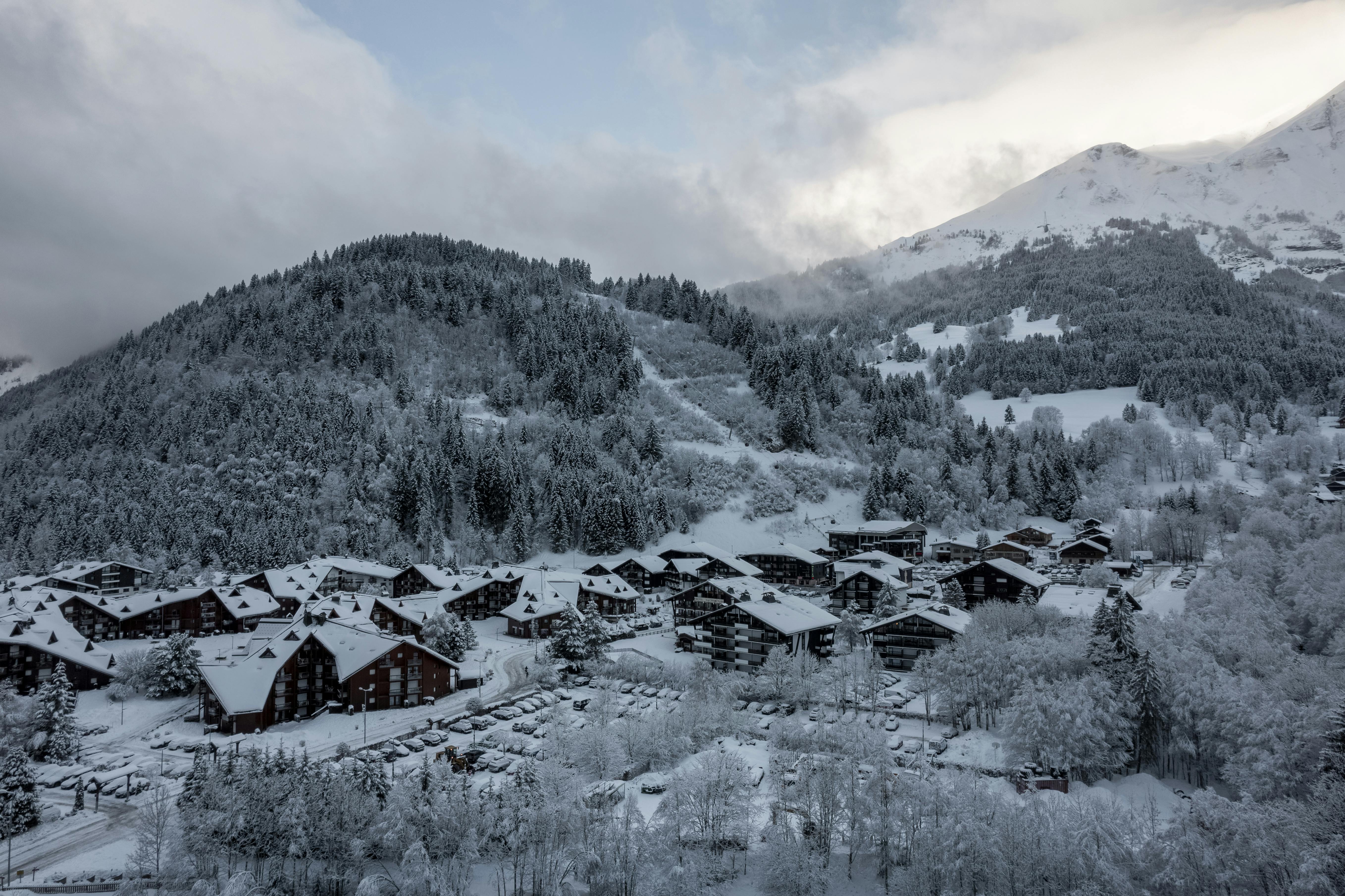
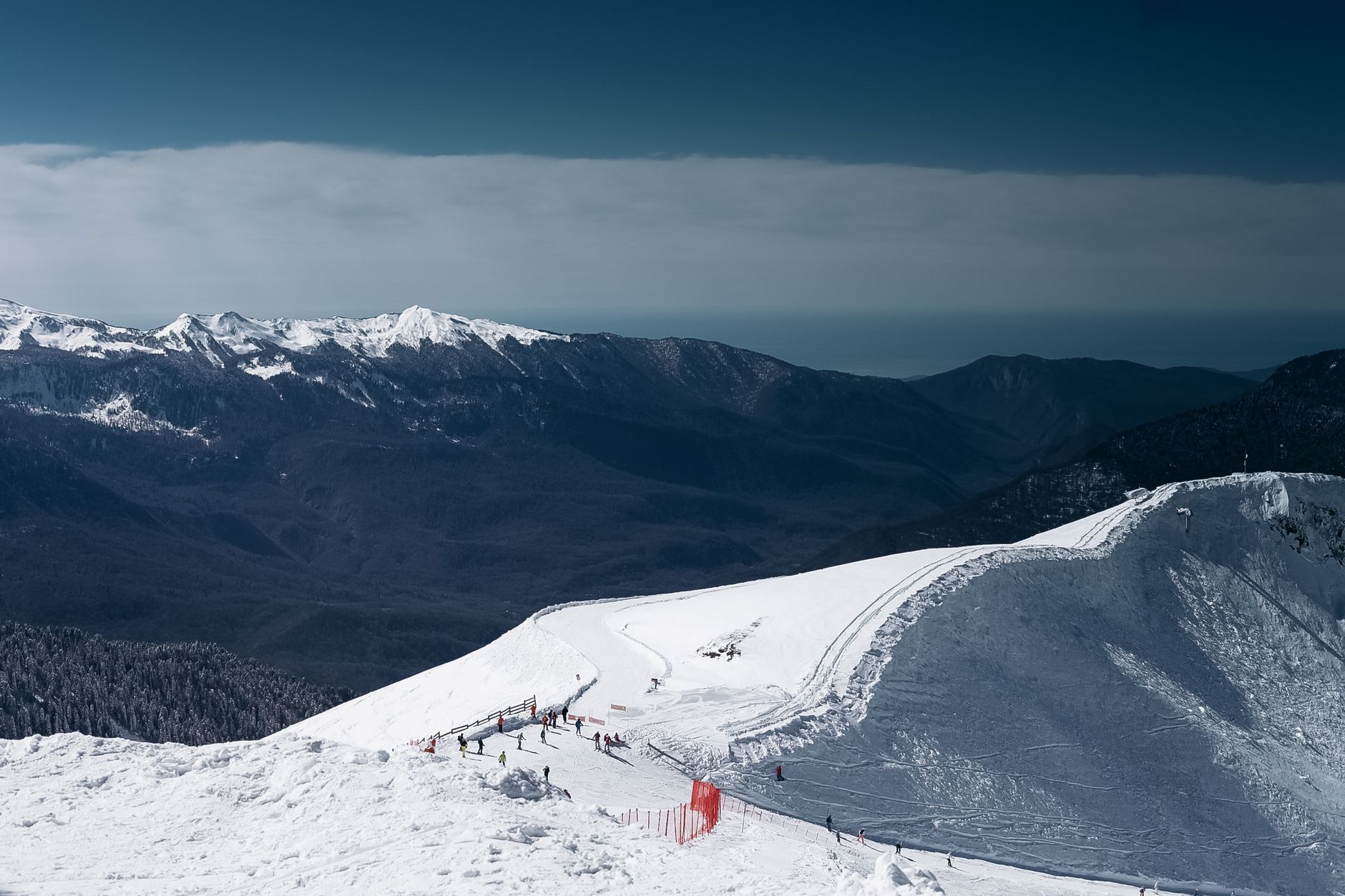
There is a simple reason seasoned skiers obsess over a resort's altitude: cold air holds onto snow, and the higher you go, the colder it stays. When two Decembers in a row arrive late and brown, the resorts that still ski well are almost always the ones built high. It is not marketing. It is the lapse rate doing its quiet work, dropping the temperature by roughly half a degree Celsius for every hundred metres you climb. A base village at 2,000 metres can be storing powder while a valley town a thousand metres below it watches rain wash the slopes bare.
That gap matters more every year. The OECD has estimated that if average temperatures rise by 2C, only around 400 of the Alps' roughly 666 ski areas would remain reliably snow-sure, and the survivors are concentrated at the top of the map. So when people search for high altitude ski resorts in Europe, they are usually really asking one practical question: where can I book a trip and feel confident there will be snow under my skis? Below is an honest look at the resorts that answer that question best, with the real elevation figures that explain why.
Snow reliability comes down to two things working together: how high the skiing starts and how high it tops out. A lofty summit alone is not enough if you have to ski back down to a slushy village every afternoon. The resorts that genuinely deserve the snow-sure label tend to have a high base as well as a high peak, so the whole descent stays cold from top to bottom.
Glaciers add another layer of insurance. A handful of European resorts sit on permanent ice that holds snow into summer, which is why a few of them open lifts in July and August. For a winter trip, the practical takeaway is that the higher resorts simply have a longer, more dependable season. Several of the names below routinely run from mid-November into early May, and the very highest can stretch even further.
A few resorts stand out not just for a tall summit but for keeping the entire ski area up in the cold zone. These are the places worth knowing by name.
Val Thorens sits at 2,300 metres, which makes it the highest resort village in Europe. That base elevation is the headline: you step out of your accommodation already above the snowline most of the season. The lifts climb to roughly 3,200 metres at the Cime Caron, and the resort plugs into Les Trois Vallées, one of the largest linked ski areas in the world with more than 600 kilometres of pistes. The season usually runs from mid-November to early May. If you want the shortest odds on good snow in France, this is the obvious starting point. Our wider guide to the best ski resorts in France for 2026 puts it in context against its lower-lying rivals.
The linked Tignes and Val d'Isère area, long known as Espace Killy, spreads its skiing between 1,550 and 3,456 metres, with the high point sitting on the Grande Motte glacier reached by cable car. With around 300 kilometres of slopes and a glacier crowning the top, it offers some of the most snow-confident skiing in the Alps, and the terrain at altitude tends to stay in excellent shape long after lower resorts have softened. Skiers weighing it against the Trois Vallées giants may find our Val d'Isère versus Courchevel comparison useful for choosing between them.
Zermatt is the altitude king of the Alps. The car-free village sits at around 1,620 metres, but the ski area climbs all the way to 3,899 metres beneath the Matterhorn, the highest lift-served skiing in the Alps. That summit, combined with glacier terrain, gives Zermatt one of the longest and most reliable seasons anywhere in Europe, with skiing possible year-round on the glacier. It is not a budget choice, but for snow certainty it is hard to beat.
On the Italian flank of the Matterhorn, Breuil-Cervinia has a base of 2,050 metres and tops out at Plateau Rosa (also called Testa Grigia) at 3,480 metres, home to the highest ski lift in Italy. Weather permitting, the slopes connect over the glacier to Zermatt, so you can ski between two countries in a day. The high, sunny, snow-sure terrain has made Cervinia a long-standing favourite, and it generally offers better value than its Swiss neighbour. See our round-up of the best Italian ski resorts for 2026 for how it compares with the Dolomites and beyond.
Often called the Pearl of the Alps, Saas-Fee is a car-free village at 1,800 metres ringed by thirteen 4,000-metre peaks. Its skiing reaches 3,600 metres on the Allalin glacier, served by the highest underground funicular railway in the world and crowned by a revolving restaurant at roughly 3,500 metres. The glacier means dependable snow and a genuinely long season, including summer skiing.
Marketed together as Gurgl, this pair in Tyrol's Ötztal is Austria's high-altitude answer to the French and Swiss giants. Obergurgl is the highest parish village in Austria at 1,930 metres, with Hochgurgl higher still at around 2,150 metres, and the lifts reach roughly 3,030 metres. With about 112 kilometres of pistes spread across that elevation, the area earns its reputation for one of the most snow-reliable seasons in the Austrian Alps.
Ischgl's Silvretta Arena, which links across the border to duty-free Samnaun in Switzerland, runs from around 1,377 metres up to 2,872 metres. The base is lower than the others here, but the bulk of the 239 kilometres of pistes sit high, and the resort is known for reliable snow and a season that stretches from November into early May. It is the lively, party-driven option on this list, with the altitude to back up its long calendar.
| Resort | Base / top elevation | Country | Why it's notable |
|---|---|---|---|
| Val Thorens | 2,300 m / ~3,200 m | France | Highest resort village in Europe; part of Les Trois Vallées |
| Tignes / Val d'Isère | 1,550 m / 3,456 m | France | Grande Motte glacier tops a huge linked area |
| Zermatt | 1,620 m / 3,899 m | Switzerland | Highest lift-served skiing in the Alps; year-round glacier |
| Breuil-Cervinia | 2,050 m / 3,480 m | Italy | Highest lift in Italy; links to Zermatt over the glacier |
| Saas-Fee | 1,800 m / 3,600 m | Switzerland | Allalin glacier and a car-free, snow-sure village |
| Obergurgl-Hochgurgl | 1,930 m / ~3,030 m | Austria | Austria's highest parish village; dependable Tyrol snow |
| Ischgl | 1,377 m / 2,872 m | Austria | Cross-border Silvretta Arena with a long season |
Altitude is the foundation, but it is not the only thing that should decide your trip. Val Thorens and the Tignes-Val d'Isère area give you enormous interconnected terrain, which suits skiers who like to cover ground. Zermatt and Saas-Fee trade some of that scale for glacier scenery and a longer season, while Cervinia offers similar high-altitude security at gentler Italian prices. Obergurgl leans calmer and family-friendly, whereas Ischgl is built for those who want nightlife alongside their snow.
If budget is doing the deciding, the high-altitude resorts are rarely the cheapest, but they protect you from the worst risk of all, which is paying for a ski holiday and finding no snow to ski. For a wider look at keeping costs down without dropping too low, our guide to cheaper ski resorts in Europe is a sensible companion read. And for skiers who want to put that altitude and untracked terrain to serious use, the heli-skiing in Europe guide covers where the high-mountain off-piste action is.
One last practical note. High resorts mean colder, thinner air and stronger sun, so pack and equip accordingly. If you are flying in and would rather not haul boots and skis across Europe, you can rent gear at most of these resorts, which also lets you match your kit to the conditions you actually find. Choosing skis that handle variable high-altitude snow is worth a little homework first; we cover that in our notes on the best budget all-mountain skis.
By resort village, Val Thorens in France is the highest in Europe, sitting at 2,300 metres. By lift-served summit, Zermatt in Switzerland goes higher, reaching 3,899 metres on its glacier beneath the Matterhorn. Both are among the most snow-sure resorts on the continent.
Generally, yes. Temperature falls with altitude, so higher resorts stay colder and hold their snow longer. Industry analysis suggests resorts below about 1,500 metres face the greatest risk from warming, while those well above that line, especially ones with glaciers, are the most resilient.
Most of the resorts here typically run from mid-November to early May. Glacier resorts such as Zermatt and Saas-Fee can offer skiing year-round on the ice, though winter remains the prime time for the full ski area.
Not necessarily. Altitude affects snow conditions, not the difficulty of the runs themselves, and resorts like Obergurgl and Saas-Fee have plenty of gentle terrain. The main things to manage at height are sun exposure, cold and the thinner air, so take it steady on the first day.
Alongside guides like this one, GetSki lets you compare and reserve ski and snowboard gear at resorts across the Alps, so you can travel light and pick up equipment suited to the snow you find at altitude.
Leave a request and we'll send a personal offer for your dates. One window instead of ten tabs — gear, transfer and car sorted and confirmed in advance.