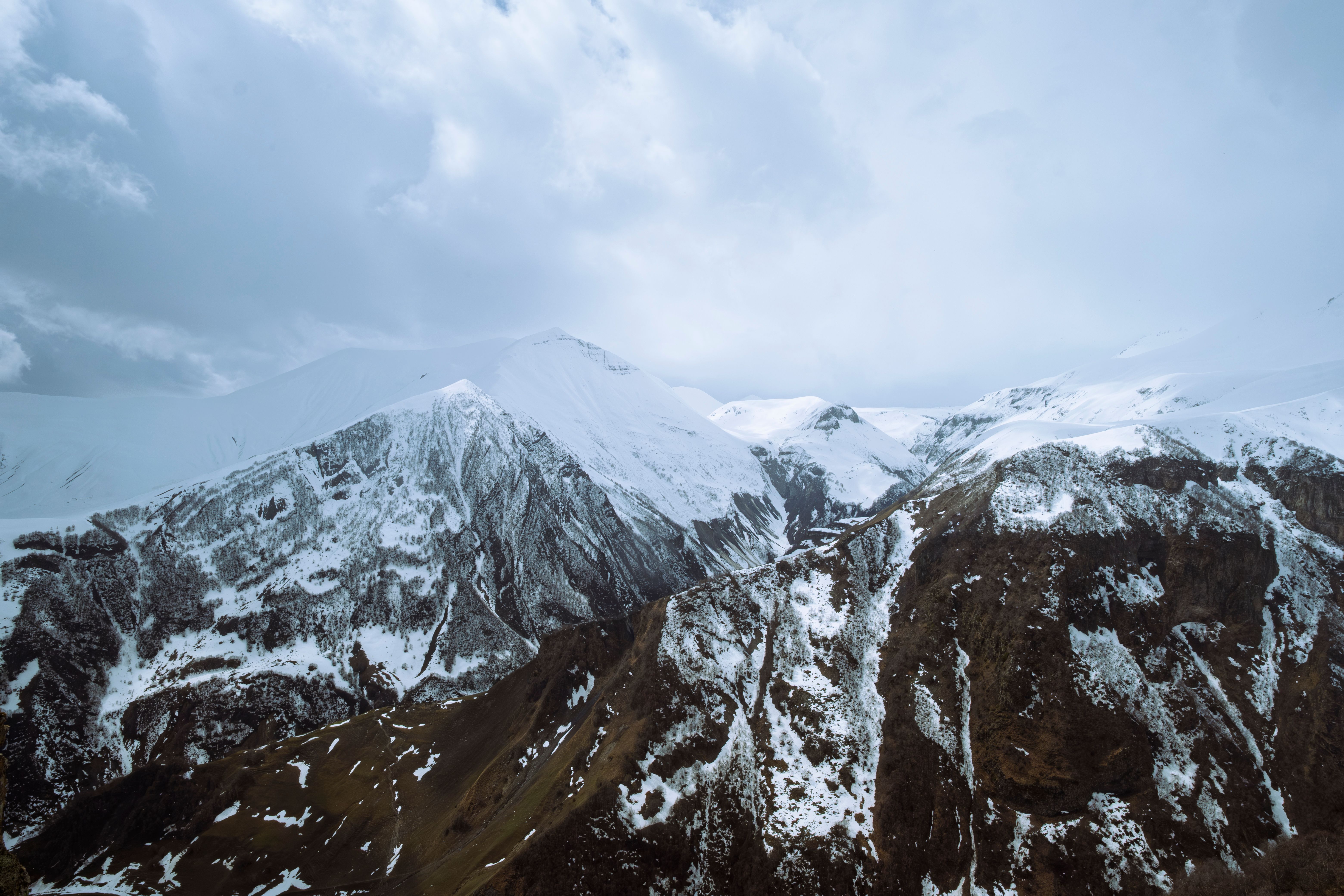
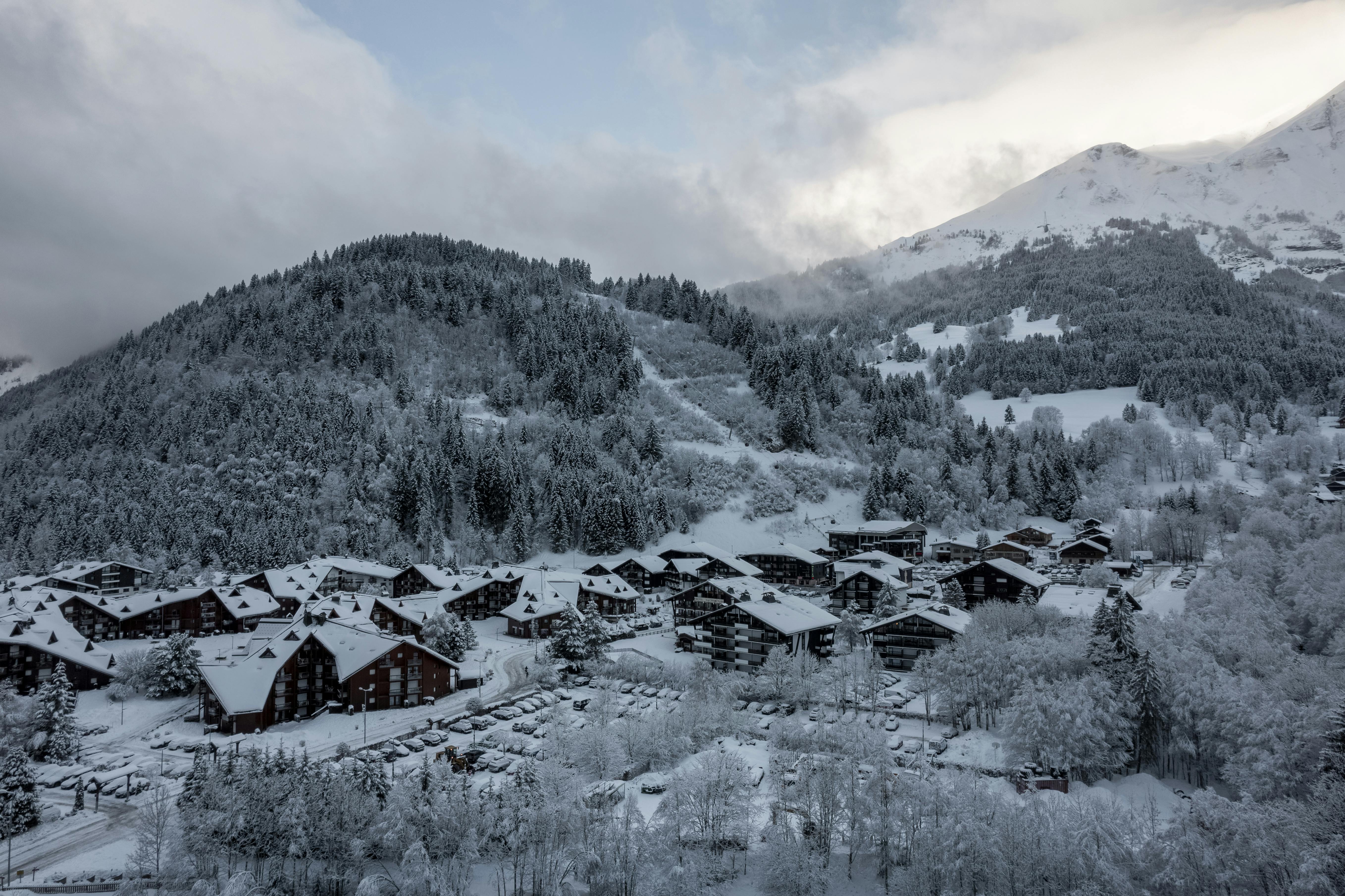
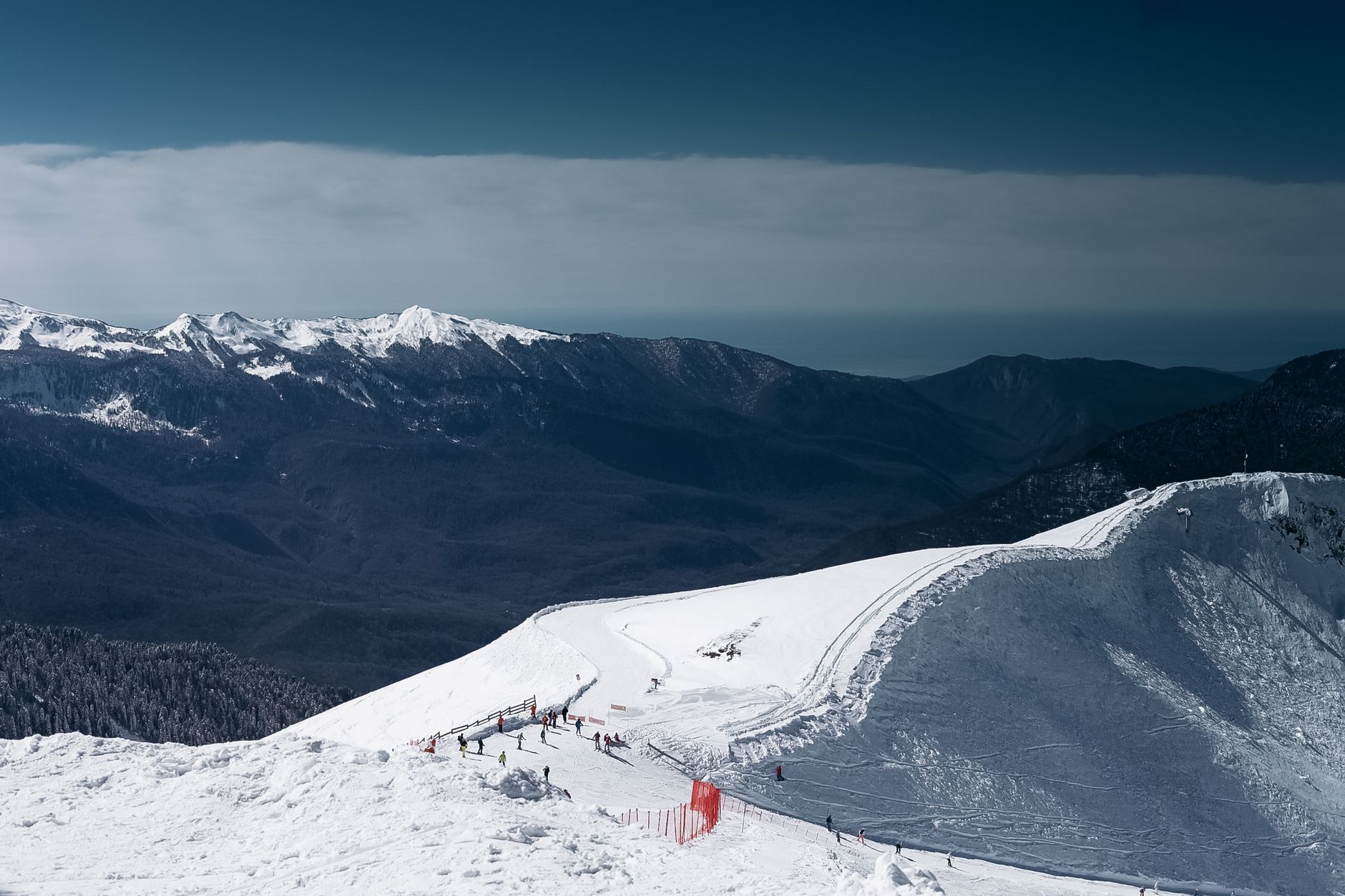
Skiing in the Dolomites offers distinct experiences across resorts that differ in scale, elevation, and connectivity. Cortina d'Ampezzo, Madonna di Campiglio, and Cervinia each provide access to prepared pistes measured in tens of kilometers, with lift networks that operate from early December through mid-April in most seasons. Elevation ranges start at valley floors between 850 and 1620 meters and reach upper stations above 2900 meters at all three locations.
Direct comparisons require attention to piste totals, lift capacities, and transfer times from nearby airports. Cortina sits within the Dolomiti Superski network, Madonna di Campiglio links to the Brenta range, and Cervinia connects across the border to Zermatt. Daily lift pass prices in the 2024-2025 season range from 58 to 72 EUR depending on the area and advance purchase options.
Travelers select among these resorts based on preferred terrain steepness, village size, and additional costs for lodging and meals. The following sections examine measurable differences in infrastructure, pricing, and practical logistics.
Cortina provides 115 kilometers of groomed pistes spread across five main sectors including Tofana and Cinque Torri. The highest point reaches 2932 meters at Punta Rocca, with 42 percent of runs rated intermediate. Black runs total 22 kilometers, concentrated on the Tofana di Mezzo face.
Madonna di Campiglio and its linked area with Pinzolo and Folgarida cover 150 kilometers of pistes. The maximum elevation stands at 2500 meters on Grostè. Intermediate terrain accounts for 55 percent of the network, while 28 kilometers of black slopes exist on the Spinale and Grostè sides.
Cervinia offers 150 kilometers on the Italian side plus shared access to an additional 200 kilometers in Zermatt. The highest lift-served point is 3480 meters at Testa Grigia. Steep terrain includes 35 kilometers of black runs and glacier skiing available until early June in average years.
Modern lift infrastructure determines daily skier throughput. All three resorts have replaced older fixed-grip chairs with detachable units since 2015.
Cortina operates 46 lifts with a total hourly capacity of 62,000 skiers. The Tofana cable car system moves 2800 passengers per hour over two sections.
Madonna di Campiglio runs 58 lifts including the new Grostè gondola installed in 2022. Combined capacity reaches 78,000 skiers per hour across the linked areas.
Cervinia maintains 21 lifts on its own slopes plus 50 additional units on the Swiss side. The Matterhorn Glacier Paradise cable car handles 4000 passengers hourly and operates year-round for summer skiing.
Lodging stock varies from small apartments to large hotels, with central locations reducing transfer times to lifts.
Cortina contains approximately 180 hotels and 1200 private apartments. Standard double rooms in three-star properties average 140 EUR per night in January. The pedestrian zone around Corso Italia lies within 300 meters of the main cable car stations.
Madonna di Campiglio lists 90 hotels and numerous residence buildings. Mid-range accommodation costs 110 to 160 EUR nightly. The village center sits at 1550 meters, with most lifts reachable by foot in under five minutes.
Cervinia has 75 hotels concentrated along the single main street. Prices for standard rooms start at 95 EUR. The town sits at 1620 meters with direct lift access from multiple points along Via Carrel.
Budget planning includes lift passes, meals on the mountain, and equipment rental where needed.
A one-day adult pass at Cortina costs 65 EUR when purchased online seven days ahead. Madonna di Campiglio charges 60 EUR for the same period. Cervinia lists 72 EUR for the combined Italian-Swiss area.
Mountain restaurants serve pasta dishes priced between 14 and 19 EUR. Ski rental packages for standard carving skis run 35 to 45 EUR per day at shops in all three villages. Six-day passes drop to 280 EUR at Madonna when booked before November.
Airport connections influence total travel duration and transfer costs.
Cortina lies 110 kilometers from Venice Treviso Airport with a typical drive of 1 hour 50 minutes via the A27 and SS51. Madonna di Campiglio is 170 kilometers from Verona Airport, requiring 2 hours 15 minutes on the SS45 and SS237. Cervinia sits 120 kilometers from Turin Airport, with a 1 hour 40 minute drive through the A5 tunnel.
Bus services from Bolzano station reach Madonna di Campiglio in 1 hour 30 minutes for 12 EUR. Train and bus combinations to Cortina take 3 hours 20 minutes from Venice. Cervinia has no direct rail link; the nearest station is at Chatillon 28 kilometers away.
Advance booking of both lodging and lift passes reduces peak-season prices by 15 to 20 percent. Snow reliability remains high above 2000 meters from mid-December onward at all three resorts. Equipment checks at rental shops include binding DIN settings verified against skier weight and ability level. Skiers compare piste maps for sector connections before purchasing multi-day tickets. GetSki lists current lift schedules and snow reports for these areas.
Cervinia operates lifts until early June on its glacier section in most years, while Cortina and Madonna close by mid-April unless exceptional snow conditions extend operations.
Cortina charges 310 EUR, Madonna di Campiglio 295 EUR, and Cervinia 355 EUR for adult six-day passes in the 2024-2025 season when bought online in advance.
Madonna di Campiglio offers the largest proportion of green and blue runs at 45 percent of its 150 kilometers. Cortina and Cervinia each allocate about 30 percent to beginner terrain.
From Cortina base, the Tofana summit requires two cable car rides totaling 25 minutes. Madonna reaches Grostè in 18 minutes via gondola. Cervinia Testa Grigia takes 35 minutes including the border crossing cable car.
All three main villages allow pedestrian access to at least one major lift station. Additional sectors at Madonna and Cortina benefit from free ski buses that run every 15 minutes during operating hours.
Leave a request and we'll send a personal offer for your dates. One window instead of ten tabs — gear, transfer and car sorted and confirmed in advance.