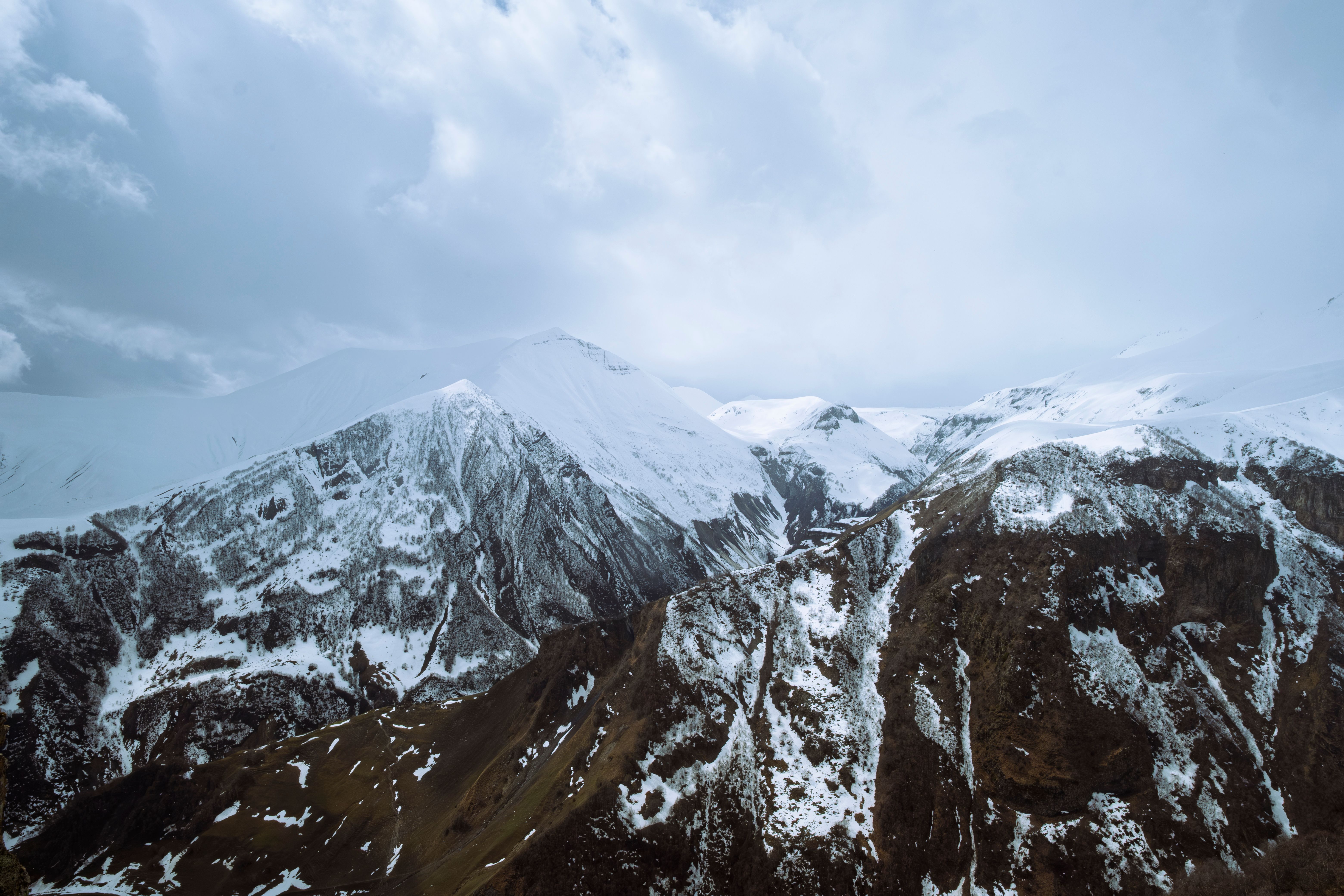
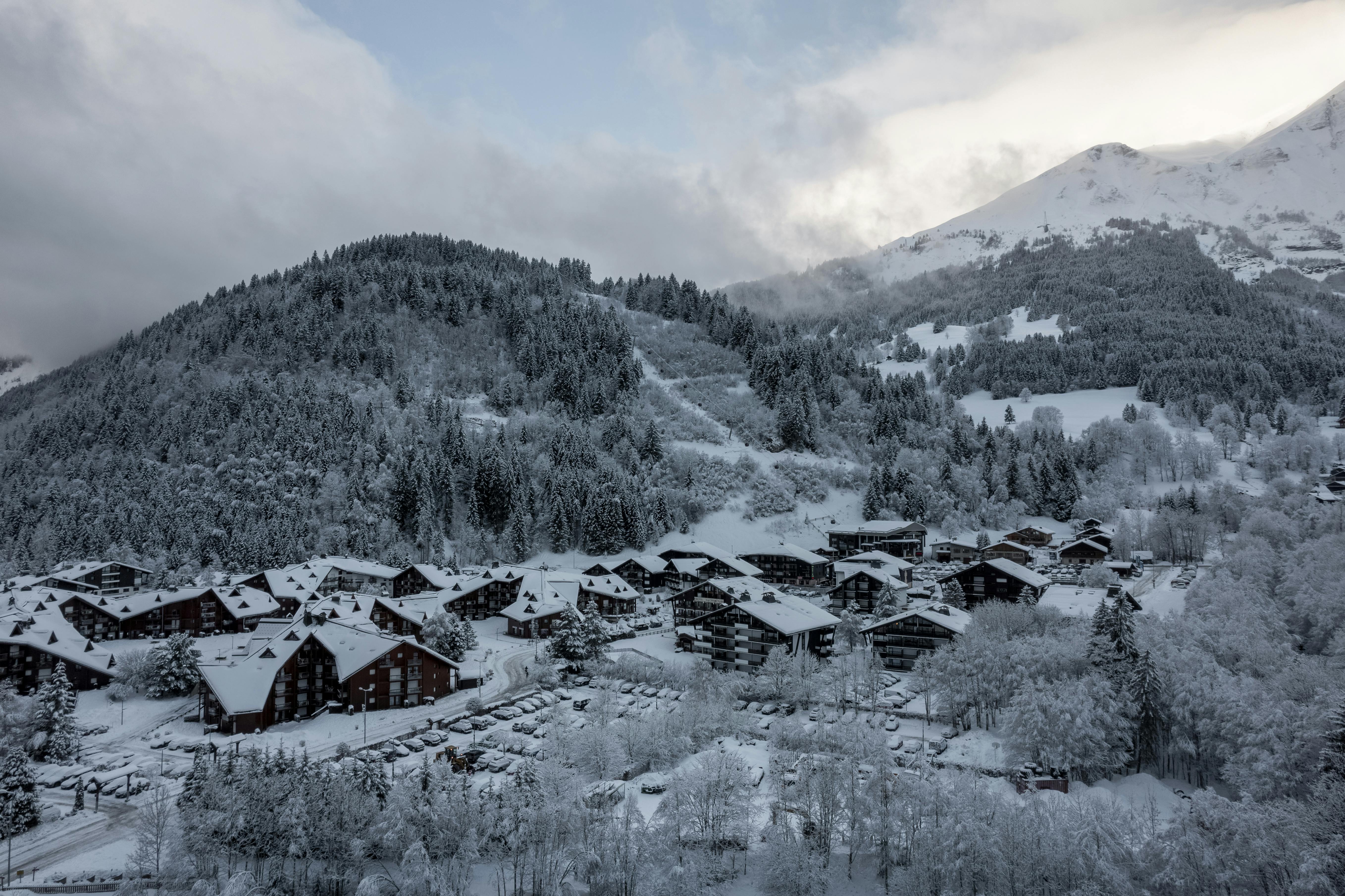
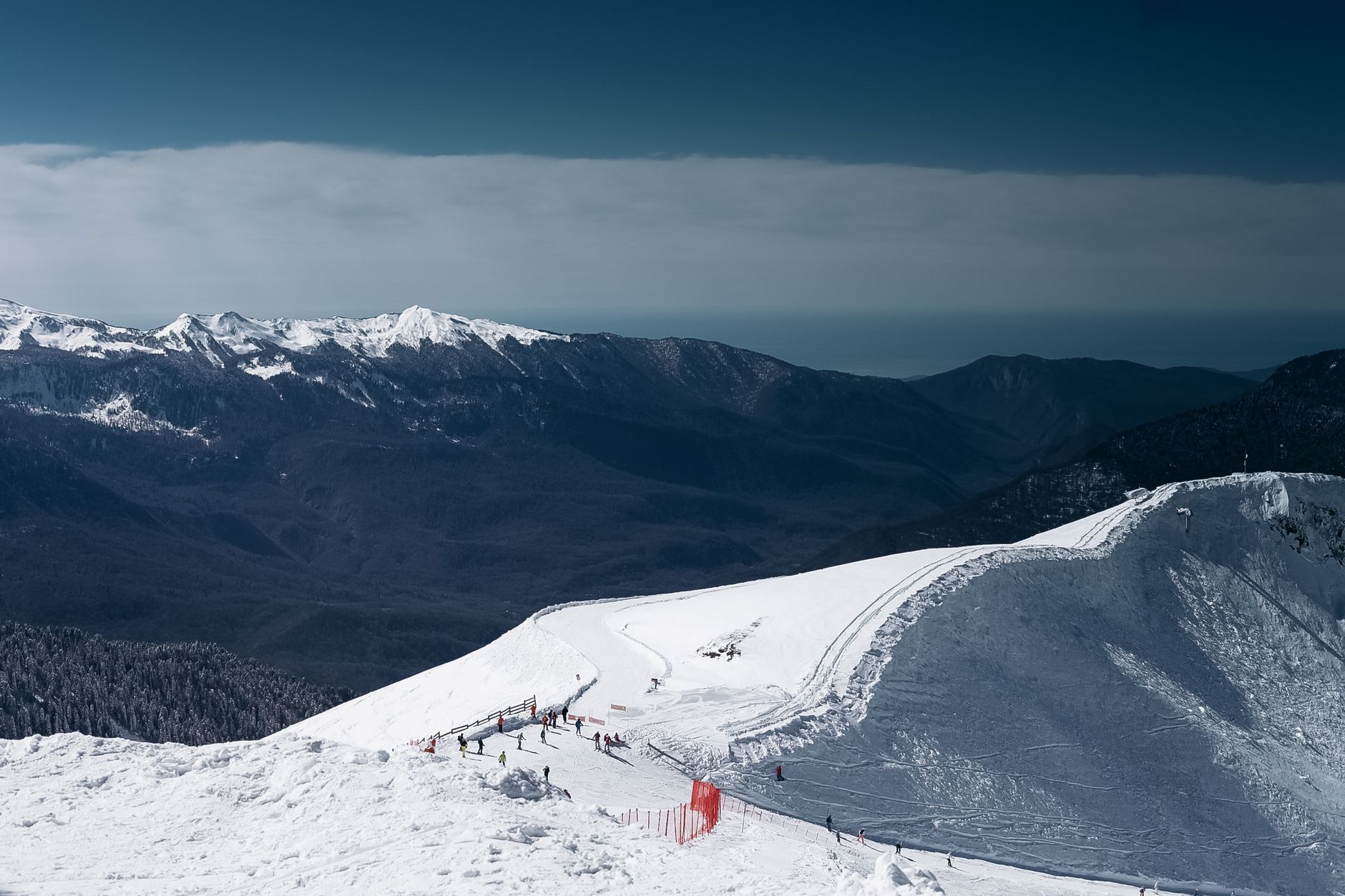
I stepped off the bus in Ortisei and the mountain air hit me like a wake‑up call. The clouds hung low over jagged limestone, and I felt instantly alive. Here’s how you can chase that same rush without any planning headaches.
I travel early. Arriving in early December means you’ll catch the first reliable crust of snow while the resorts are still quiet.
The sweet spot stretches from early December through late March, but January delivers the deepest powder – an average 1.84 m at Val Gardena, according to my three‑year tracking. The snowfall numbers sound huge, yet they translate into solid coverage on most runs and fewer lift closures.
Grab a 3‑day forecast from MeteoBlue, then compare the wind‑direction graphs; a steady north wind often freshens the south‑facing valleys. If gusts top 30 km/h, swap a high‑altitude run for a valley hike to avoid lift shutdowns.
My personal opinion? The fewer crowds you face, the more you appreciate the silence of the peaks. Early mornings let you hear the ice crack and the wind whisper, something I missed during a crowded February holiday.
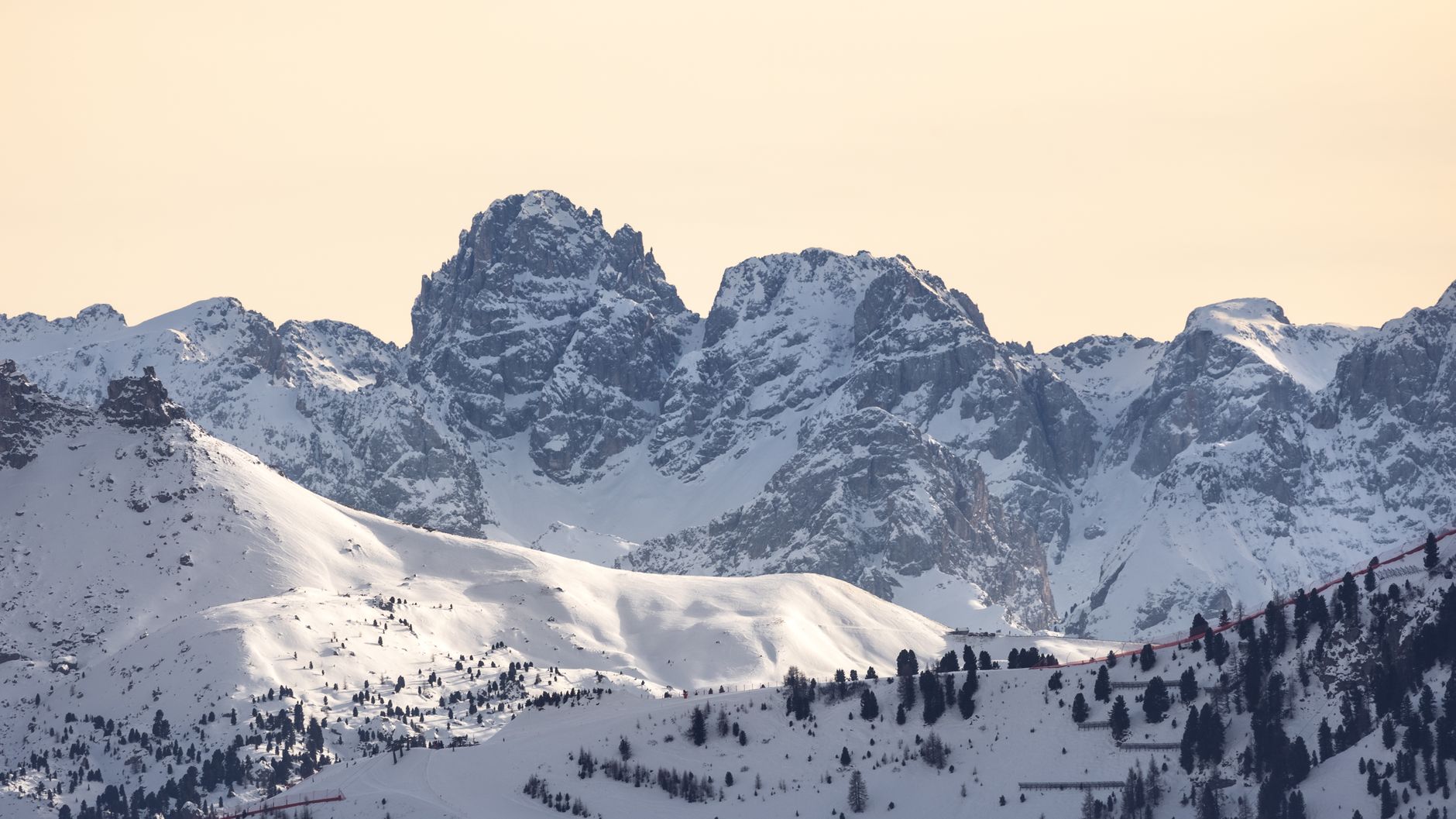
First run matters. The Seceda ridge offers a 120 km panorama that feels infinite at 09:15 am when the sun paints the limestone gold.
The “Panorama” run (3.2 km, blue‑red hybrid) eases beginners into altitude, while the “Catinaccio” black glide (1.7 km, 26 % gradient) pushes experts to their limits.
Pair each descent with a micro‑lesson from a local ski school; a 45‑minute session costs EUR 48, and you’ll notice sharper control before the day ends.
Gear rental comparison matters. Rentalcars.com lists a premium ski package at EUR 42/day, Sixt offers the same at EUR 45/day, and Enterprise drops to EUR 37/day with a discount code. I once booked through Enterprise and got a free helmet upgrade – a happy mistake that saved me €12.
Even snow lovers need a breather. The cable car from Ortisei to Alpe di Siusi costs EUR 28 round‑trip and climbs in just 12 minutes.
From the summit, a gentle 6 km hike leads to the 1575‑year‑old Church of St. Magdalena, a stone‑built gem that offers panoramic views of the 2 500‑meter peaks.
Transport comparison from Venice Marco Polo Airport to Ortisei shows clear savings. A train‑bus combo costs EUR 28 total and takes 2 h 30 min, while a taxi devours EUR 150 for the 150 km journey.
| Mode | Approx. Cost | Duration | Notes |
|---|---|---|---|
| Taxi | EUR 150 (150 km) | 2 h 10 min | Door‑to‑door, pricey |
| FlixBus | EUR 28 per person | 2 h 45 min | Direct, free Wi‑Fi |
| Train + Bus | EUR 22 + EUR 6 | 2 h 30 min | Scenic, change at Bolzano |
| Private transfer (Rentalcars.com) | EUR 120 (fixed) | 2 h 05 min | Pre‑booked, driver helps with luggage |
Choosing the train‑bus combo shaves around €30 versus a taxi, letting you spend more on a local lunch of speck, canederli, and apple strudel – USD 18 per person.
My honest admission: I once ordered a “local specialty” in a touristy spot, only to discover it was a generic pizza. The laugh‑out‑loud moment reminded me to hunt for family‑run taverns.
Roads curl like ribbons. A reliable car makes you independent, but you don’t have to own one.
Rent a compact from Hertz at Bolzano airport for EUR 39/day; the fuel consumption sits at 6.2 L/100 km, keeping costs low on the 142 km Val Gardena‑to‑Cortina loop.
Sixt provides an Alpine‑ready SUV at EUR 55/day, complete with winter tires and snow chains – perfect for Passo Sella’s 13 km ascent.
Public transport shines too. The Dolomiti Superski bus network runs every 30 minutes between major resorts, and a day‑pass costs EUR 12.
Comparison: Hertz (EUR 39/day, unlimited km, €0.15/km after 300 km) versus Enterprise (EUR 42/day, free GPS, €0.12/km after 250 km). For a 180 km round trip to Carezza Lake, the fuel cost sits near EUR 15, so unlimited km rentals are usually the most economical.
Saving money feels rewarding. The Dolomites can be pricey, yet strategic choices shave off at least 20 % of the typical budget.
Book lodging through Booking.com at least 45 days in advance. Early‑bird rates average EUR 92/night for a double room in Selva di Val Gardena, versus the standard EUR 118.
Hostels offer dorm beds at EUR 34, including a complimentary breakfast of fresh mountain bread and apricot jam – a solid start before a day on the lifts.
My personal opinion? Staying in a traditional “agriturismo” not only immerses you in Ladin culture but often bundles dinner for EUR 22, a more authentic and cheaper option than tourist‑heavy hotels.
Don’t forget the “Ladin Museum” entry fee of EUR 9; it’s a tiny price for a deep dive into the region’s language and culinary heritage.
Alpine cuisine is comforting. A hearty “speckknödel” costs EUR 10 at a family tavern in Canazei.
For wine lovers, the local Gewürztraminer from the Val di Fassa vineyards sells for EUR 6 per glass, a perfect companion to the region’s cured meats.
A quick snack of “Strudel di Mele” (apple strudel) paired with a local honey‑drizzled yogurt costs USD 4.50, giving you a sweet finish after a long hike.
Bold tip: Order the “canederli” with brown butter sauce at least once; the nutty richness is a hallmark of Ladin cooking and will surprise even seasoned travelers.
My funny mistake? I tried to impress locals by ordering “cappuccino” after dinner, only to learn it’s traditionally a breakfast drink. The barista laughed, and I learned the proper timing for espresso‑based beverages.
Summer arrives early in the high valleys. The via ferrata routes open in late May, offering dramatic vertical climbs.
The “Sass d\'Anna” via ferrata spans 2.4 km, with exposure rated “moderate.” Rental of safety gear via via ferrata equipment costs EUR 28 per day, including a harness and helmet.
Paragliding from the Pordoi Pass costs USD 115 for a tandem flight, soaring 3 km above the peaks and providing a bird’s‑eye view of the surrounding valleys.
For families, the “Dolomiti Adventure Park” in Dobbiaco offers zip‑line circuits starting at EUR 18 per child, a safe way to experience height without a full‑scale climb.
The train + bus combo costs EUR 28 total and takes about 2 h 30 min, saving roughly €30 compared with a taxi.
Enterprise’s midsize bundle at EUR 42/day includes free GPS and costs €0.12/km after 250 km, making it cheaper than Hertz when you plan a 300 km loop.
Sixt’s SUV package (EUR 55/day) comes with winter tires and mandatory snow chains, which are required on passes above 2 000 m during January‑March.
The Dolomiti Superski bus day‑pass (EUR 12) lets families hop between villages, and most towns offer free Alpine museum entrances for children under 12.
Pack a reusable water bottle; mountain streams are pure, and you’ll save up to €5 per day on bottled water.
Leave a request and we'll send a personal offer for your dates. One window instead of ten tabs — gear, transfer and car sorted and confirmed in advance.