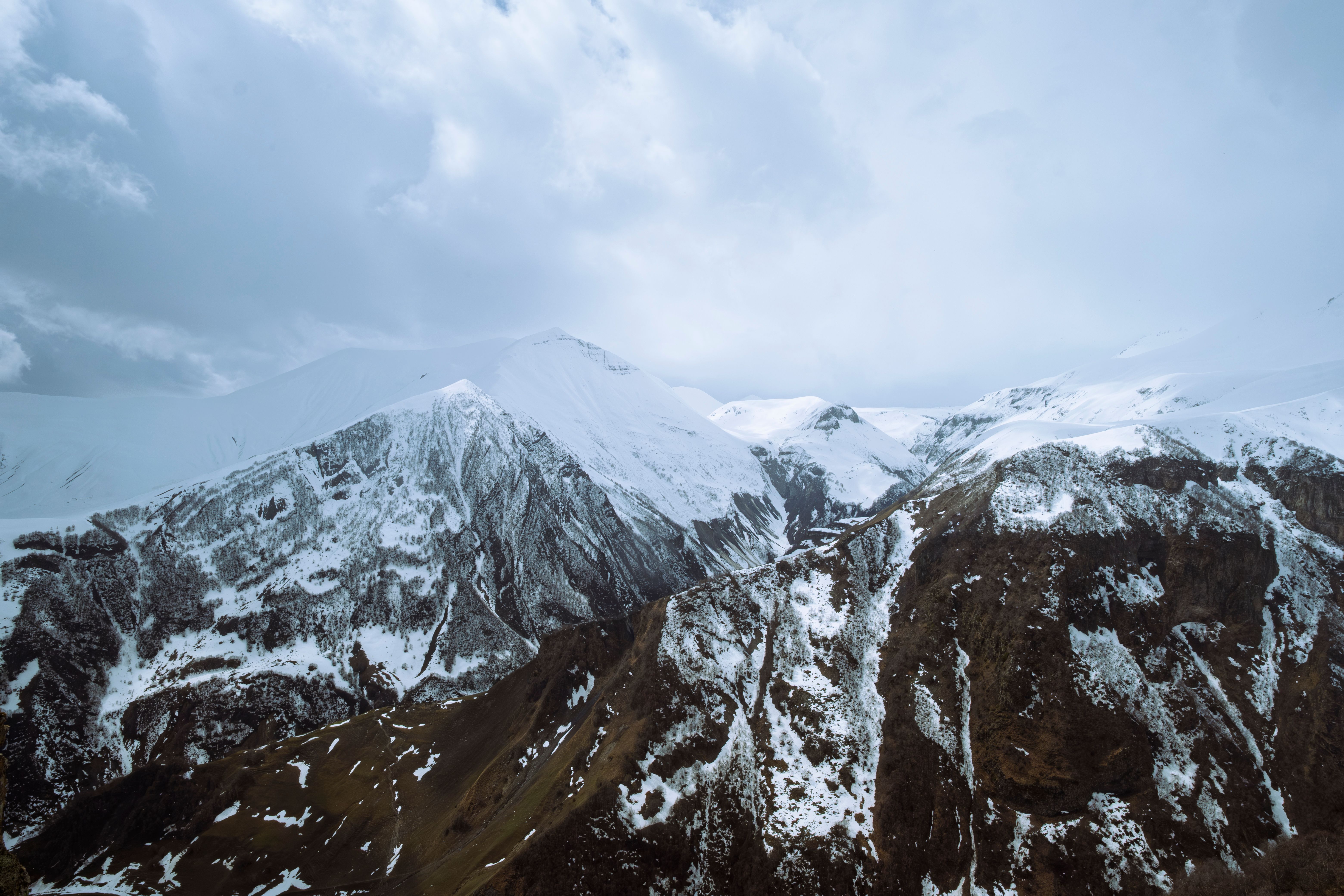
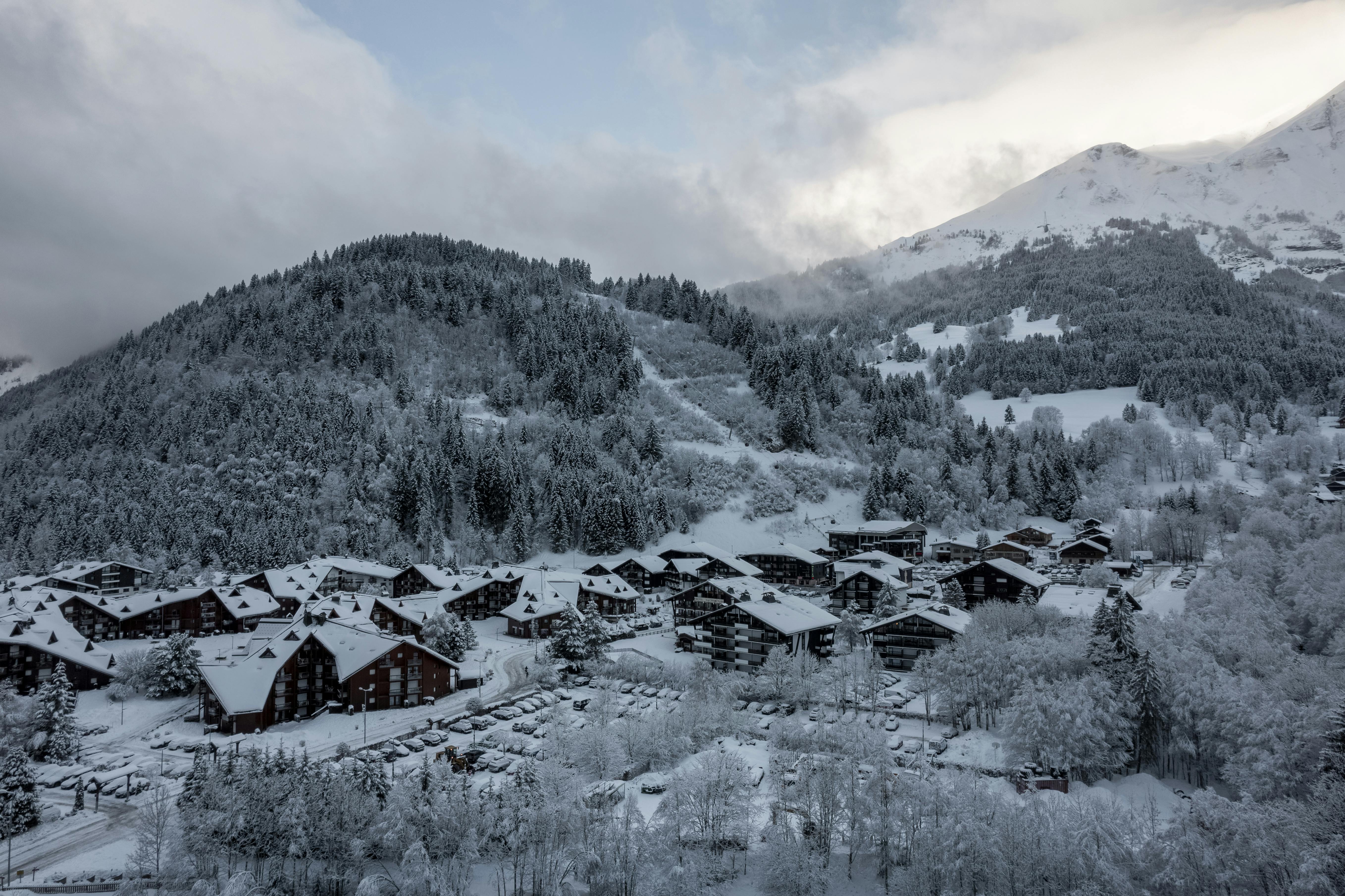
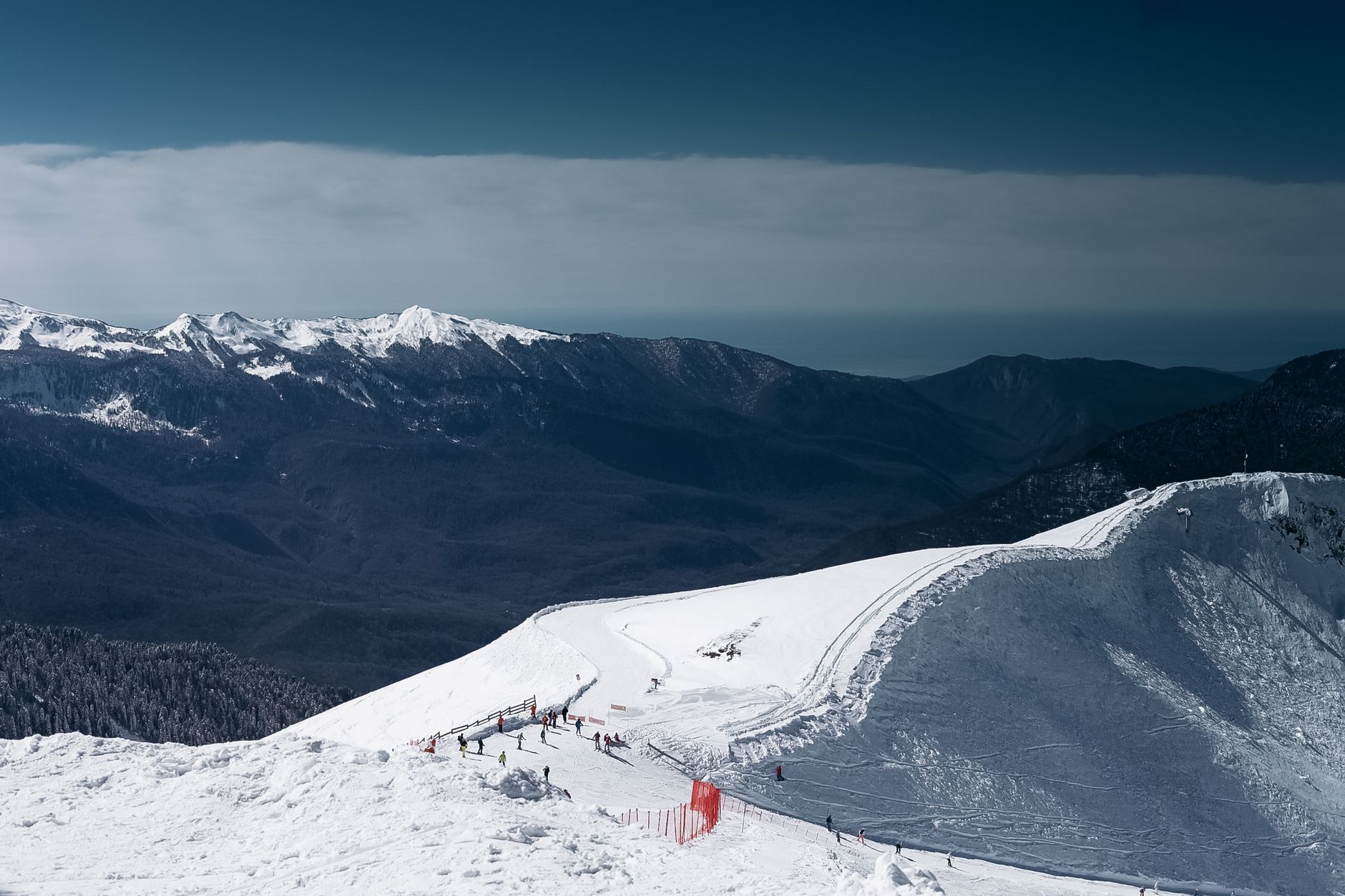
Heli skiing — being flown by helicopter to remote, untracked powder fields inaccessible by normal ski lifts — is the ultimate skiing experience. Europe offers some of the world's finest heli skiing terrain, from the high glaciers of the Swiss Alps to the deep powder of the Caucasus Mountains.
Heli skiing uses helicopters to access off-piste terrain far beyond the reach of resort lift systems. Groups of 4–8 skiers fly to ridge tops or glacier plateaus and ski untracked powder runs of 1,000–3,000 vertical metres back to a pick-up point. It requires strong intermediate to expert skiing ability — you must be comfortable on steep, ungroomed terrain at speed.
Verbier is Europe's most prestigious heli skiing destination. The area around Mont Fort (3,330m) and the Rosablanche offers spectacular off-piste terrain with vertical drops of up to 2,200m. Air Glaciers and Air Zermatt operate helicopter services year-round. A typical day of 3–4 runs costs CHF 800–1,200 per person. Switzerland's heli skiing regulations are relatively permissive compared to France.
Zermatt's heli skiing flies from the Klein Matterhorn (3,883m) to remote couloirs and glacier routes impossible to reach by lift. The Haute Route — a classic ski mountaineering traverse to Chamonix — can also be done with helicopter assistance. Air Zermatt is the primary operator with excellent safety records.
Heli skiing is technically illegal in France (banned since 1984 to protect mountain environments), but Chamonix guides offer helicopter-accessed ski mountaineering that skirts regulations. The Vallée Blanche and surrounding glaciers offer 22 km of off-piste descent with 2,800m vertical. Technically demanding — only for strong, experienced backcountry skiers with proper avalanche equipment.
Georgia's Caucasus Mountains have emerged as Europe's best value heli skiing destination. Operations in Gudauri and the remote Svaneti region offer 3,000–4,000m vertical drops through deep, dry powder that rivals anything in Canada or Japan. Costs are 50–60% lower than Swiss operators — a full day of heli skiing with 4 runs can cost as little as €300–400 per person. The terrain is vast, uncrowded, and increasingly accessible via direct flights from European cities.
The Lyngen Peninsula above the Arctic Circle offers extraordinary heli skiing with the bonus of potential Northern Lights sightings in the evening. The combination of maritime snow (heavy and wet near the coast) and cold continental air produces unique powder conditions. Season runs from February to May when daylight is sufficient for safe operations.
For adventurous skiers, Kyrgyzstan's Tian Shan mountains offer world-class heli skiing at a fraction of Alpine costs. Operations around Bishkek offer access to 4,000m+ terrain with 2,500m vertical drops and famously light, dry powder. Infrastructure is developing rapidly but requires more planning than European destinations.
Costs vary significantly by destination:
Most packages include guide fees, helicopter costs, and avalanche safety equipment hire. Ski rental and accommodation are additional.
Most operators require strong intermediate to expert ability — you must be able to ski parallel turns confidently on steep black runs and ungroomed terrain. Some Georgia operators accept confident intermediates on gentler terrain. All participants must be comfortable in deep powder and willing to carry avalanche safety equipment (transceiver, probe, shovel).
Heli skiing carries genuine risks — avalanche, weather, and terrain hazards. Reputable operators provide qualified mountain guides, full avalanche equipment, and comprehensive safety briefings. Always ski with a certified IFMGA mountain guide. Check operator credentials, safety records, and insurance requirements before booking.
It is legal in Switzerland, Norway, Austria (in some areas), and Georgia. It is banned in France and Italy. Always check current regulations as rules change.
January and February offer the best powder conditions in the Alps. March and April are preferred in Norway for better daylight. Georgia's season runs December through April.

Leave a request and we'll send a personal offer for your dates. One window instead of ten tabs — gear, transfer and car sorted and confirmed in advance.