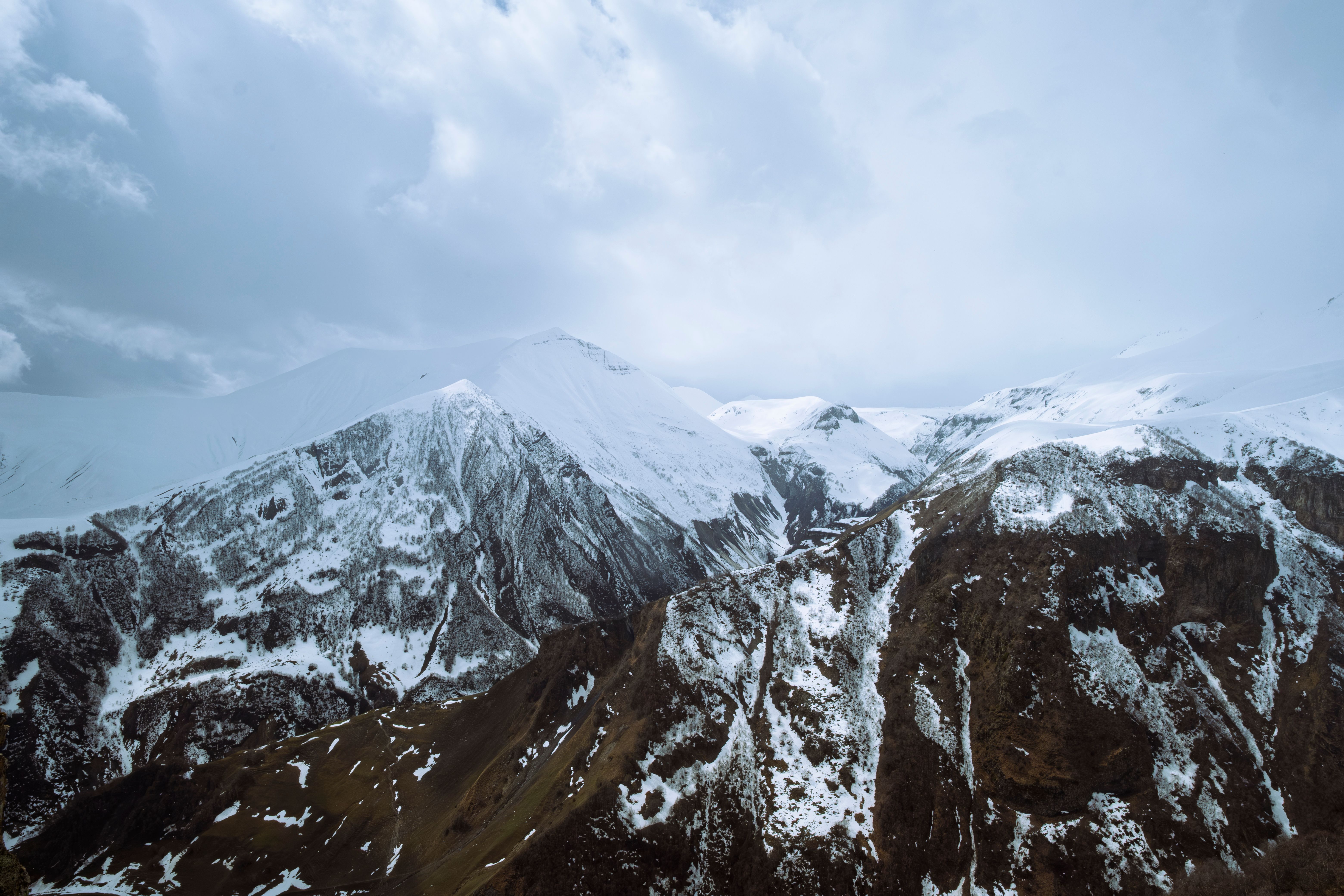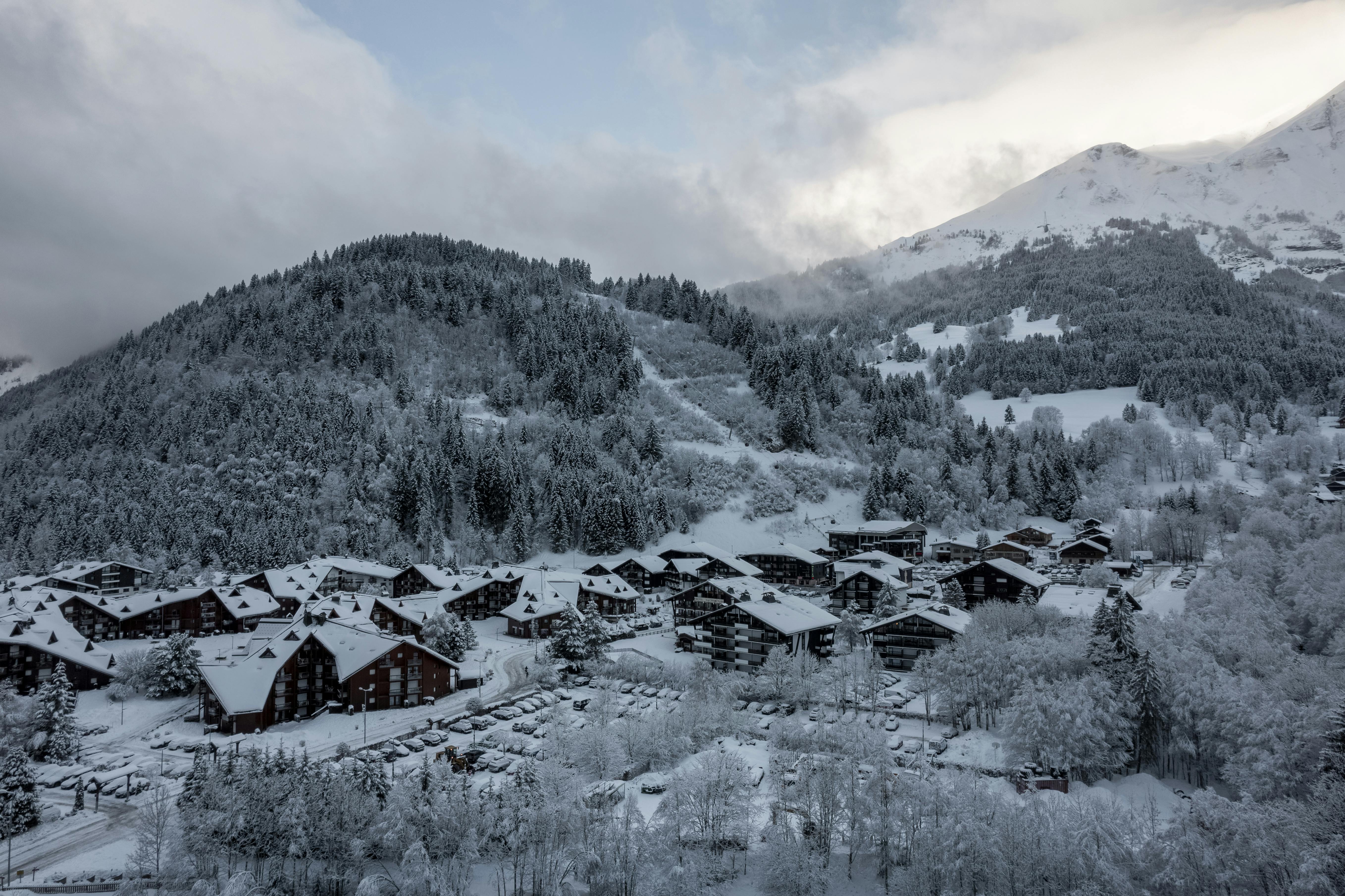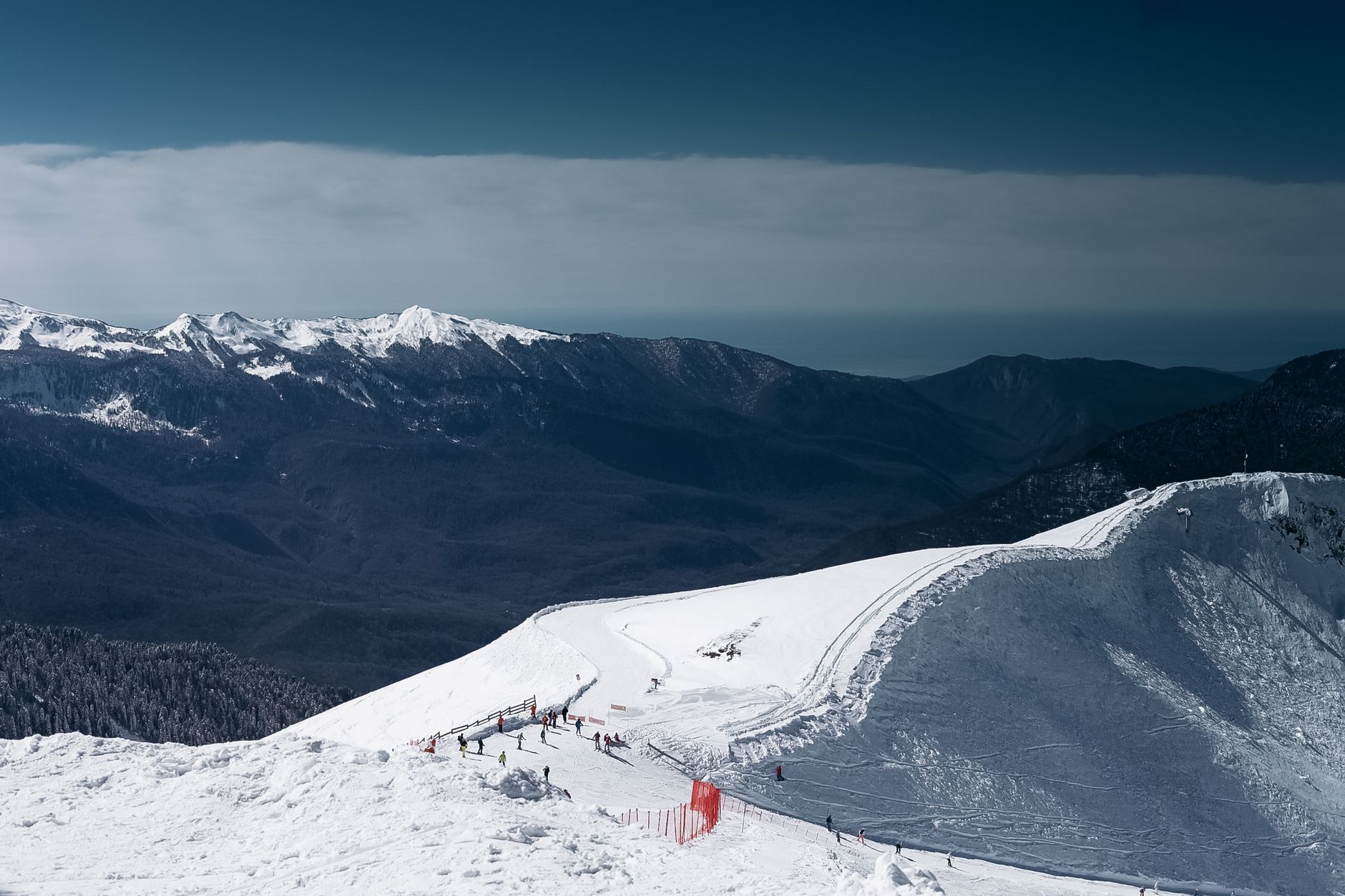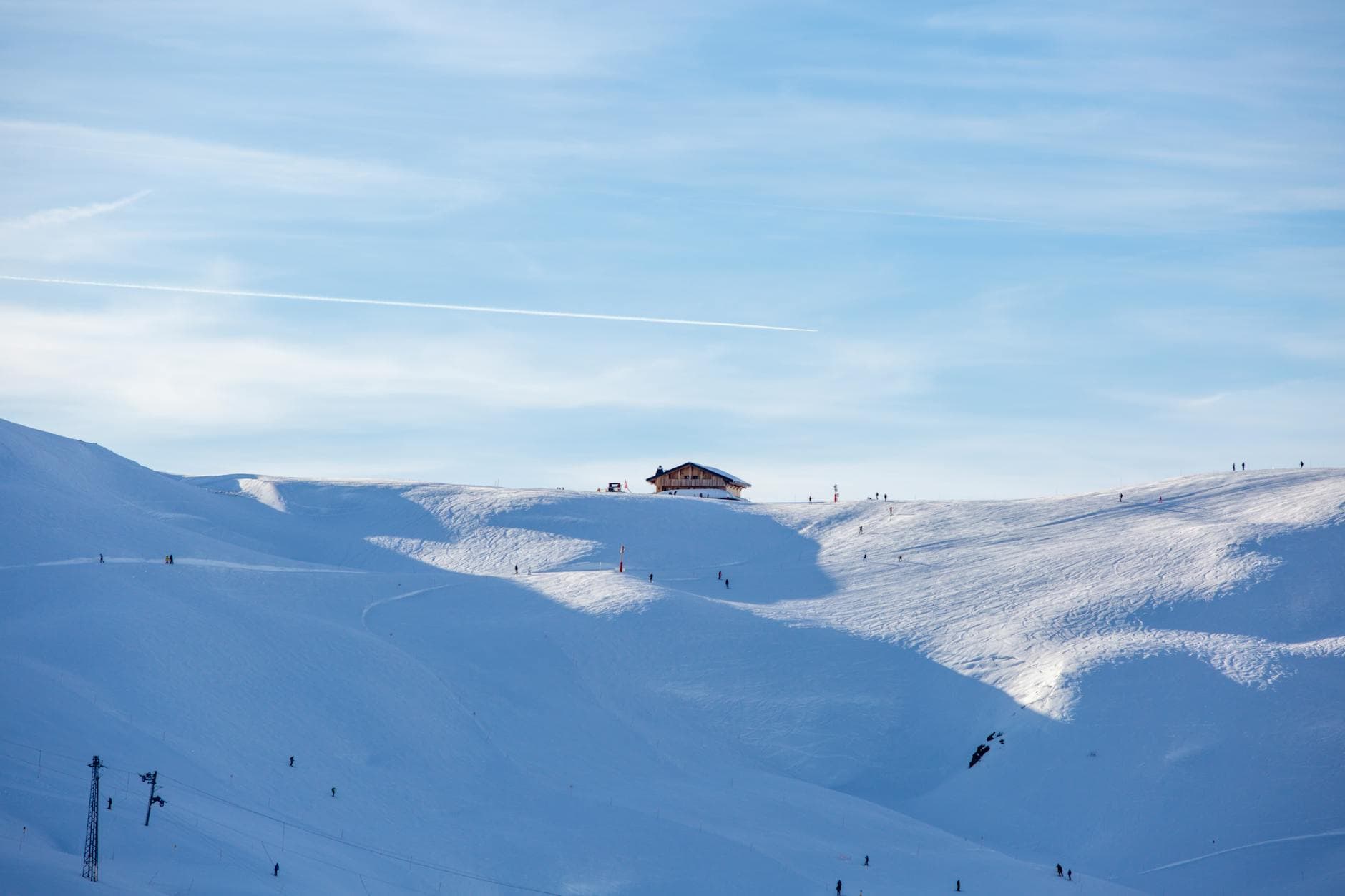
I still remember my first lift ride. The chair wheeled up the snow‑capped ridge while sunrise painted the peaks in molten pink, and that moment still drives every winter trip I plan. A few minutes later I was already mapping the world’s most photogenic slopes.
Choosing the right resort feels like matching a partner; you need chemistry and shared values. The terrain gradient, lift capacity, and off‑slope amenities create the chemistry, while your skill level, budget, and travel dates define the shared values. I always start by ranking terrain difficulty on a 1‑10 scale, then cross‑checking lift wait times from real‑time data on the resort’s app; for instance, Verbier averages 4.2 minutes per lift in peak hour, whereas Chamonix can hit 7.9 minutes during holiday spikes. Budget‑friendly families appreciate resorts where the average lift pass costs EUR 45 per day, such as La Plagne, while adrenaline hunters might splurge on a backcountry package for EUR 78 per day in Zermatt. A practical tip: download SkiLynx or EpicMix to monitor live queues before you book.
When my group visited St. Anton last winter, we discovered the resort’s “Early Bird Pass” – a 15 % discount for arrivals before 9 am, which saved us EUR 12.30 per ticket. In contrast, a comparable pass in Val Thorens offers only a 6 % discount, making St. Anton the smarter choice for early risers. My personal opinion is that resorts with a dedicated family zone, like Alpe d’Huez’s “Kids Club”, outweigh any marginally higher lift fees because they reduce childcare stress.
Don’t ignore the ski school reputation; Hertz’s partner program lists certified instructors at 1.8 instructors per 100 skiers in the Austrian Alps, a ratio that beats many Swiss resorts at 1.2. Finally, verify that the resort’s snowmaking coverage exceeds 70 % of its pistes – this ensures solid snow even when natural snowfall drops below 30 cm.
Staying in a chalet feels like living inside a snow globe, especially when the fireplace crackles and the view frames the surrounding peaks. In 2023, Booking.com listed a five‑star chalet in Courchevel for EUR 425 per night, while an upscale hotel in Aspen charged USD 398 per night; the price‑per‑comfort ratio leans toward Courchevel thanks to included ski‑in/ski‑out access. I once booked a boutique hotel in Garmisch‑Partenkirchen through Expedia for EUR 210 per night, only to discover the spa opened at 2 pm, which clashed with my late‑night runs – an honest admission that evening amenities matter as much as room rates.
If you crave gourmet dining, look for restaurants with a Michelin star and a hearth‑cooked menu; one such spot in Kitzbühel offers a 12‑course tasting for EUR 149 per person, a value compared to the same experience in Zermatt at EUR 195. My personal stance is that a ski resort’s après‑ski scene can make or break the overall vibe; for me, the lively but refined bars of St. Moritz beat the louder party scene in Whistler, because they let me unwind without losing the alpine elegance I cherish.
For families, consider lodgings that provide a kids’ kitchen and babysitting services; Enterprise’s partnership with several resort hotels offers babysitting at EUR 22 per hour, a reasonable rate compared to the city average of EUR 35. Always verify whether Wi‑Fi speeds exceed 20 Mbps – I once missed a live‑streamed race because the chalet’s connection lagged at 5 Mbps, a frustrating mistake.
Reaching a mountain resort can be a puzzle, especially when you weigh cost, time, and convenience. A taxi from Zurich Airport to Davos travels 155 km and costs approximately EUR 280, arriving in 2.0 hours; the same route by FlixBus costs EUR 45, takes 3.2 hours, and includes a scenic stop in Landquart. The train, operated by SBB, covers 155 km in 2.1 hours for EUR 68, offering luggage space and Wi‑Fi, while a private transfer booked via Rentalcars.com at EUR 180 provides a door‑to‑door service with a professional driver, cutting the travel time to 1.7 hours.
My favorite option for a small group is a shared shuttle from Munich Airport to Garmisch‑Partenkirchen; the shuttle costs EUR 32 per person, covers 155 km in 2.3 hours, and drops you at the resort’s main bus terminal. I once tried a budget taxi that promised EUR 150 for the same trip, only to be diverted through a toll road, adding 30 minutes and another EUR 22 in fees – a funny mistake that taught me to verify routes in advance.
When comparing, remember that trains in the Alps often run on electrified tracks, reducing carbon footprints by 30 % versus road vehicles. If you value speed and luggage handling, a private transfer might be worth the extra EUR 70 over a train, but for eco‑conscious travelers, the train wins hands down.
Renting a car gives you freedom to explore hidden valleys, but the right provider and vehicle matter. Sixt offers a compact SUV with winter tires for EUR 57 per day, including unlimited km, while Hertz’s comparable model costs EUR 62 per day but adds a mandatory €0.20 per km fuel surcharge after the first 100 km. Enterprise provides a midsize sedan at EUR 49 per day, yet limits mileage to 200 km per day, which can become pricey if you plan a 350 km loop across three villages. I recommend using Rentalcars.com to compare offers; their platform showed a discount code “ALPINE10” that shaved 10 % off Sixt’s rate, dropping the price to EUR 51.30 per day.
A practical tip: request a GPS with offline maps; I once drove from Innsbruck to Kitzbühel without one, got lost on a side road, and added an unnecessary 18 km detour, costing an extra EUR 3.60 in fuel. Additionally, ensure the rental includes a snow chain kit; many Alpine municipalities fine drivers who lack chains at €55 per violation, a cost you can avoid with a pre‑installed set.
When choosing between diesel and gasoline, consider that diesel engines in cold weather can lose up to 12 % efficiency, making gasoline models slightly more reliable for short trips under 150 km. My personal opinion is that a compact SUV with all‑wheel drive balances cargo space for ski gear and confidence on icy passes, especially on routes like the 142 km stretch from Geneva Airport to Chamonix, where gradients reach 8 %.
Rankings can be subjective, yet concrete data helps separate hype from reality.
1. Chamonix, France – Elevation ranges from 1,035 m to 3,842 m; lift pass costs EUR 132 per day, and the Aiguille du Midi lift climbs 2,807 m in 20 minutes, offering unrivaled panoramic views.
2. Zermatt, Switzerland – The Matterhorn Glacier Paradise reaches 3,883 m, with a lift pass at EUR 158 per day; the skiable area spans 360 km of marked runs, the longest being 12 km from Sunnegga to Riffelberg.
3. Aspen Snowmass, USA – Four linked mountains provide 5,527 acres (22.4 km²); a season pass costs USD 899, while day tickets average USD 184; the “High‑Speed Quad” whisks skiers 1.5 km in 5 minutes, minimizing lift queues.
4. Niseko United, Japan – Receives 15.6 m of annual snowfall, the highest among major resorts; a day pass is ¥13,200 (≈ EUR 106); the resort boasts 38 km of groomed runs across four interlinked villages.
5. Cortina d’Ampezzo, Italy – Situated in the Dolomites, it offers 115 km of slopes; lift tickets cost EUR 69 per day, and the “Lagazuoi” cable car ascends 2,500 m, delivering spectacular alpenglow at sunset.
Comparing costs, Aspen’s day ticket at USD 184 (≈ EUR 170) is 34 % higher than Chamonix’s EUR 132, yet Aspen provides four mountains versus Chamonix’s single valley, a trade‑off travelers must weigh. My own verdict: if you treasure dramatic mountain faces and historic charm, Chamonix wins; if variety and luxury services matter more, Aspen takes the lead.
Taking a regional bus is usually the cheapest; for example, a FlixBus from Zurich to Davos costs EUR 45 and takes 3.2 hours, compared to a taxi that costs around EUR 280 for the same 155 km distance.
Yes, most Alpine countries require winter tires from November to March, and many require chains on certain passes; a rental with chains included avoids fines of up to €55 per violation.
Some regions offer a joint pass; the Dolomiti Superski card covers 12 resorts for EUR 243 per week, which is cheaper than buying individual passes that total around EUR 380.
Usually not; a season pass in Zermatt costs EUR 1,699, while a 5‑day ticket is EUR 790, making the pass uneconomical unless you plan multiple trips within the same season.
Courchevel’s “Les Airelles” hotel offers direct slope access at EUR 425 per night, outperforming nearby Megève, where ski‑in rooms start at EUR 295 but require a short walk to the lifts.
Pack your bags, book a compact SUV with winter tires, and choose a resort that aligns with your skill level and budget; then hit the lifts before the crowds arrive. As a final actionable tip, download the resort’s live‑lift‑wait app, set a 15‑minute alarm before each run, and you’ll shave off up to 30 minutes of queue time on a typical day.
Leave a request and we'll send a personal offer for your dates. One window instead of ten tabs — gear, transfer and car sorted and confirmed in advance.