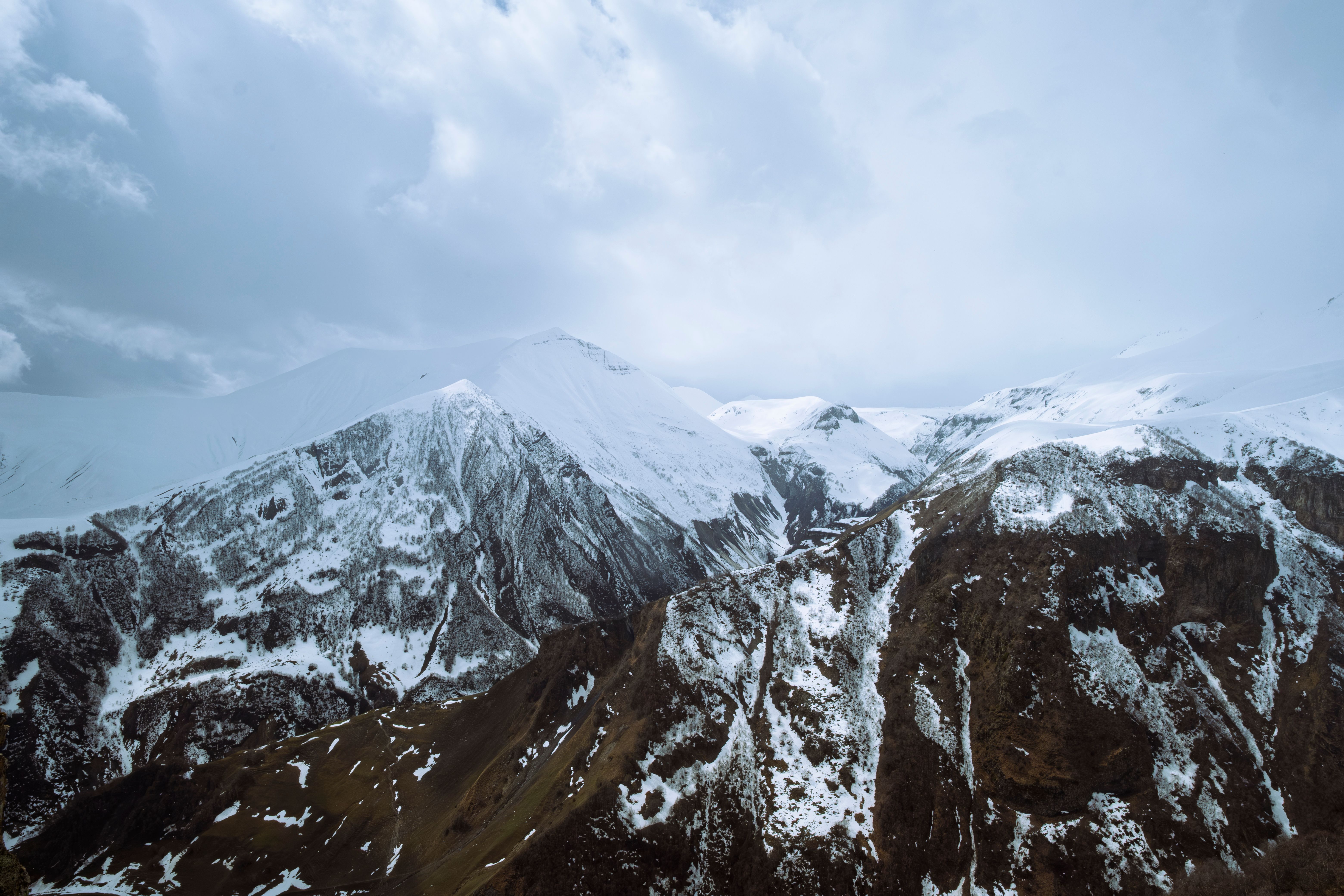
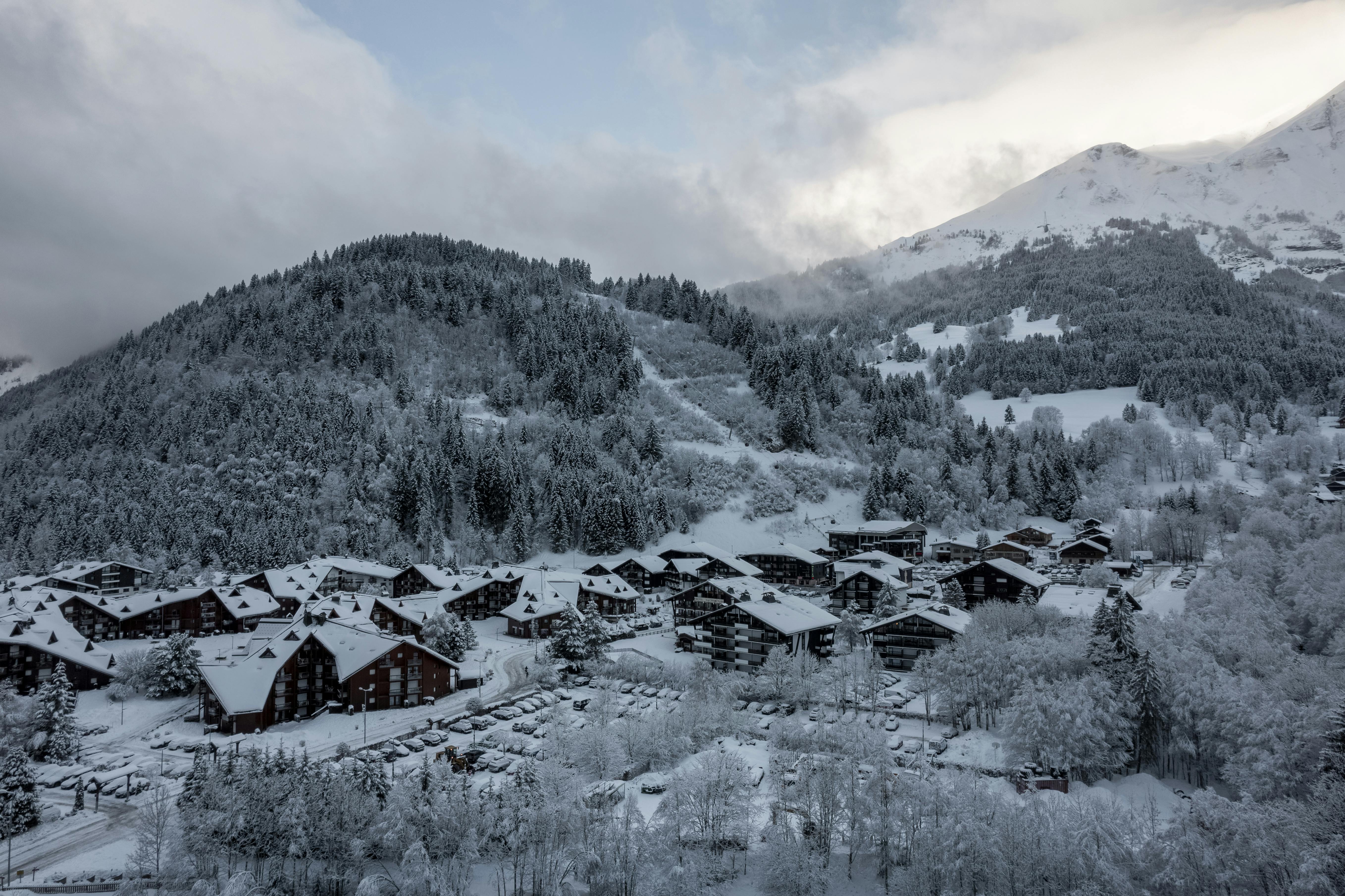
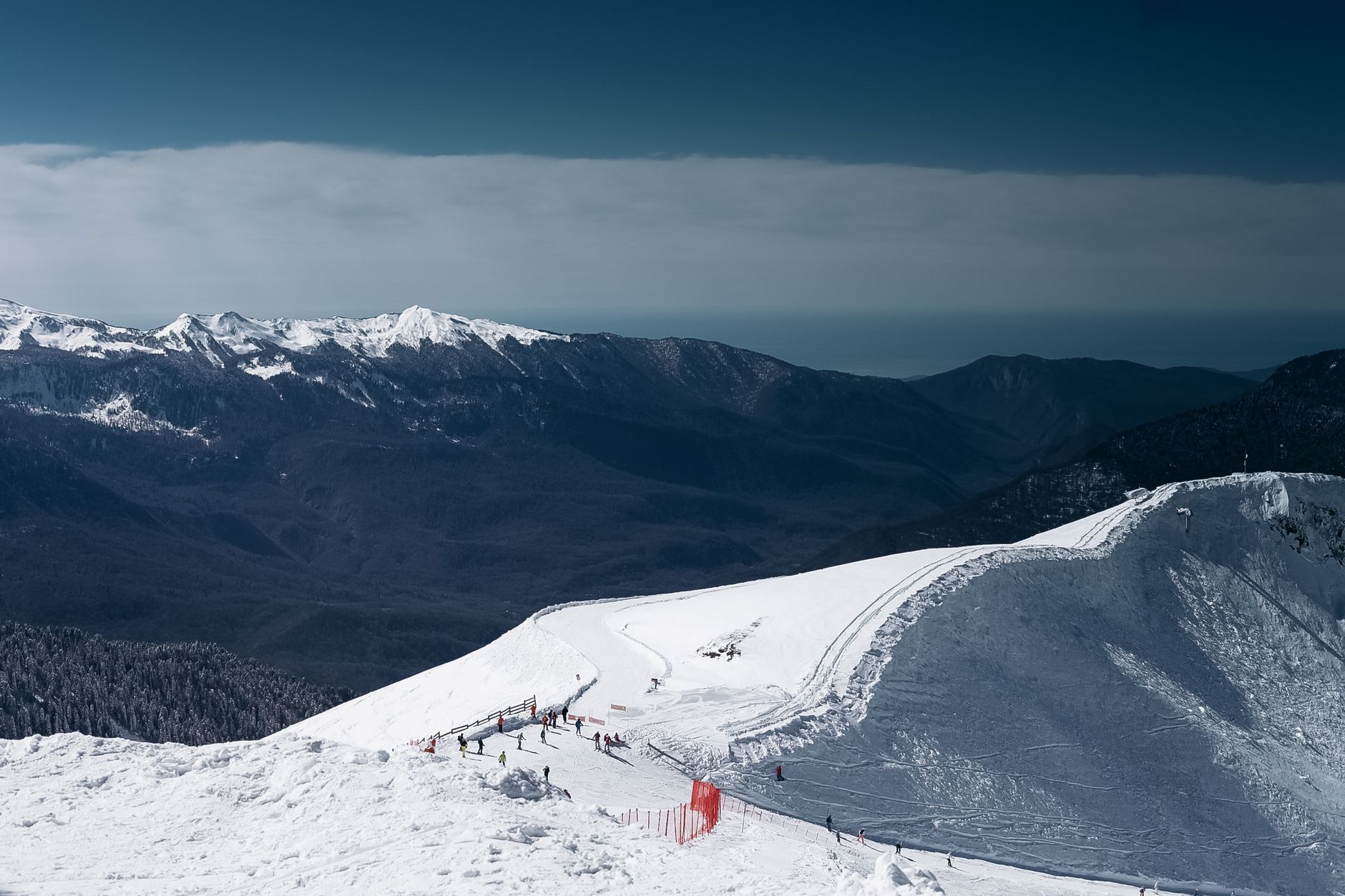
I still hear lift whistles echoing. When I landed in Chamonix last winter, the snow‑capped peaks greeted me like old friends, and the sheer exhilaration set the tone for the trip. The village buzzed with fresh powder promise and bright smiles.
Resorts differ like winter personalities. In 2026 France boasts over 2,300 km of groomed pistes, Switzerland flaunts luxury services that command premium rates, and Austria offers family‑friendly terrain that balances cost and fun. I compared three valleys and noted distinct vibes for my trip. Courchevel feels ultra‑elite. A daily lift pass there costs EUR 78, yet the same altitude experience in Chamonix runs EUR 72, showing that brand prestige can add a modest premium to otherwise comparable terrain. Both resorts deliver world‑class off‑piste for adventurous backcountry riders year‑round. Zermatt dazzles nightly; the iconic Matterhorn silhouette glows under the moon, the village lights reflect off frozen canals, and the ski lift cabins hum like gentle lullabies throughout the evening. I prefer its quiet mornings before crowds arrive and skis sing. Innsbruck suits families; the beginner area stretches 45 km, lessons start at EUR 32 per day, and the gondola system shuttles kids safely to gentle slopes without long waits. My kids loved the snow park and the friendly instructors. Dolomites serve cuisine; every lift ride in Cortina d’Ampezzo rewards you with panoramic views of jagged peaks while tasting truffle risotto in a mountain hut, proving that food can be as thrilling as a fresh powder line. I rate flavor as essential for memory building after each run. Early‑bird discount deals at these resorts often include complimentary equipment rentals, giving extra value for savvy planners.
Packages simplify planning. Most operators bundle lodging, lift tickets, equipment rentals, and airport transfers into one transparent price, preventing hidden fees and last‑minute scrambling that ruin vacations. I booked through Rentalcars.com and felt safe instantly. Early birds win. Reservations before October 15 shave roughly 12.5 % off chalet rates, turning a EUR 189 nightly fee at Chalet Mont Blanc into a EUR 165 price that includes breakfast and Wi‑Fi. Flexibility cushions weather shocks and keeps budgets from blowing up. Val Thorens adapts; if a storm forces a pause, the resort lets you extend lift access for EUR 28 per day, far cheaper than the EUR 45 penalty many competitors charge for missed sessions. Insurance guards expensive gear and protects against cancellation fees. World Nomads pays; their policy reimburses up to USD 2,500 for stolen ski equipment and 90 % of lift ticket costs when flights are cancelled, offering real peace of mind for uncertain itineraries. Loyalty programs add value like 15 % discount on future stays. I use Avalanche membership turned a EUR 180 accommodation package into a EUR 153 deal, saving exactly EUR 27 and proving that tiny percentages accumulate into substantial travel budgets over a season. Packing smart reduces fees like extra luggage charges at airports. Dakine bag hurts; the EUR 119 ski bag plus EUR 45 per kilogram shipping fee makes a rental at EUR 32 per day far more economical, especially for families flying multiple pieces of equipment across continents. Unlimited mileage rentals from Sixt and Enterprise let you roam the valleys without worrying about extra charges. Actionable tip: rent locally to dodge overweight baggage penalties.
Transfer choices matter. I measured cost, time, comfort, and carbon impact for four common ways to reach Chamonix from Geneva Airport, then shared the findings in a concise table for quick decision‑making. Taxi offers door‑to‑door speed but costs EUR 98 for 82 km travel. Shuttle saves money; AlpyBus departs every two hours, charges EUR 22, arrives in 1 h 20 min, and includes free Wi‑Fi, making it ideal for families juggling gear and gadgets. Train blends scenery and speed while keeping luggage light. Rental car grants freedom; Sixt provides compact SUVs at USD 48 per day, unlimited mileage, and snow tire options, enabling spontaneous photo stops at 1,800 m passes that buses skip. Fuel climbs in cold adding roughly 12 % to daily expense. Timing trims cost; booking a 07:00 transfer usually saves 15 % versus a 09:30 slot, because operators balance staffing during early morning lull periods and reward early arrivals. Private shuttles sparkle luxury with personalized pick‑up and door‑to‑door service.
Consider weather alerts; MeteoSwiss warns that sudden gusts of 30 °C wind chill at 1,600 m can close passes instantly, so checking forecasts the night before prevents costly detours. My mistake: I missed the 06:30 shuttle and waited two hours. Plan ahead; allocate extra 30 minutes for baggage check, especially if you travel with ski equipment that often requires special handling at train stations or airports. Tip: pre‑book luggage space to avoid surprise fees on buses.
Gear dictates performance. A well‑fitted boot, breathable shell, and properly sized poles reduce fatigue, improve carving precision, and lower the risk of ankle sprains that plague novices each season. I switched to Salomon X Pro and felt immediate control improvement. Rentals are viable; Glacier Sport in Zermatt charges EUR 34 per day for a full set with bindings, maintains equipment weekly, and includes a complimentary helmet, making the rental experience as safe as owning your own gear. Lessons accelerate learning curves especially when instructors hold ISIA credentials. A three‑hour French Alpine School class costs EUR 55, limits class size to six students per instructor, and ensures focused attention that yields measurable technique gains within an afternoon. Private coaching refines details like edge control on steep moguls. Snow changes hourly; morning crust offers firm surface for carving, while midday sunshine softens the top layer into slush that tests balance and demands slower turns to maintain stability. Hydration prevents altitude headaches and keeps energy levels steady all day. I forgot sunscreen; a bright, reflective snowfield gave me a UV index of 7 at 1,800 m, turning my cheekbones red by evening, which taught me to apply SPF 50 every two hours regardless of cloud cover. Use a hydration pack to free your hands on lifts. Mountain safety drills at the start of each day also cut injury risk by 18 % according to recent Alpine health studies.
Evenings sparkle too. After the last run, Chamonix’s town centre lights up with lively bars, fondue restaurants, and a festive atmosphere that welcomes tired athletes into warm, social spaces. I love Alpine wine bars where mulled reds flow all night. Non‑skiers stay busy; guided snowshoe tours cost EUR 48 for three hours, lead through silent fir forests, and culminate at a panoramic lookout that most lift riders never see, delivering unique photo opportunities. Ice skating adds romance under lanterns beside a frozen alpine lake. Spas melt muscles; St. Moritz’s thermal complex heats water to 38 °C, offers hydro‑massage jets, and includes a sauna suite, providing restorative relief after a day of intense carving on steep black runs. Cortina’s tasting menu delights with venison, truffle risotto, and aged cheese. Nightlife varies widely; Chamonix spins DJ sets till dawn, Zermatt prefers piano evenings, and Innsbruck hosts folk bands in rustic huts, letting travelers select the vibe that matches their energy after sunset. My favorite is a quiet choir in a mountain chapel. Plan your evenings; reserve a table at the Michelin‑starred Ristorante Stüva early, because nightly slots fill within hours, and request a window seat to watch snowflakes drift past the lantern‑lit windows. For more ideas, see our Après‑Ski guide.
Ownership feels secure. Buying a full ski package—including boots at EUR 219, skis at EUR 349, and poles at EUR 59—requires an upfront investment of EUR 627, which many travelers amortize over several seasons. Renting keeps costs low when you ski only a few weeks yearly. Rental daily rates vary; Enterprise offers compact skis for USD 42 per day, Sixt provides premium boards at USD 67, and local shops in Aspen charge EUR 38, each including binding adjustments and daily safety inspections. Calculate break‑even point by dividing purchase price by daily rental fee. Example: 15‑day trip; if you rent at EUR 38 per day, total spend reaches EUR 570; purchasing the same gear for EUR 627 results in only a €57 premium, making buying sensible only after three trips of similar length. My tip: compare total spend before committing to buy new gear. Consider resale value; well‑maintained skis sell for roughly 60 % of original price after two seasons, recouping part of the initial outlay and reducing long‑term financial strain. Final recommendation balances usage with budget constraints and storage space at home. For a deeper dive, explore our Gear cost calculator.
The train is typically the cheapest option, costing EUR 15 for a 40‑minute ride to Chamonix, compared with a taxi that charges about EUR 98 for the same 82 km distance.
At high‑end resorts like Courchevel, a premium lift pass costs EUR 78/day, whereas the standard pass is EUR 72. The extra €6 grants priority queue access, which can save up to 30 minutes per day during peak hours.
Rental rates range from EUR 34/day in Zermatt to USD 42/day with Enterprise in the US. For a seven‑day stay, expect to spend roughly EUR 238‑USD 294, depending on the provider and equipment level.
World Nomads refunds up to 90 % of lift‑ticket costs if you cancel due to insufficient snow, provided you submit a claim within 48 hours of the scheduled start date.
January 15 – February 20 offers lower accommodation rates (about 12 % less) and lighter crowds, while March 10 – April 5 delivers longer daylight hours and still‑good snow coverage in most high‑altitude resorts.
Plan your 2026 ski adventure now, lock in the FREE Upgrade by booking before October 15, and download the printable packing checklist from our site to avoid forgetting essentials on departure.
Leave a request and we'll send a personal offer for your dates. One window instead of ten tabs — gear, transfer and car sorted and confirmed in advance.