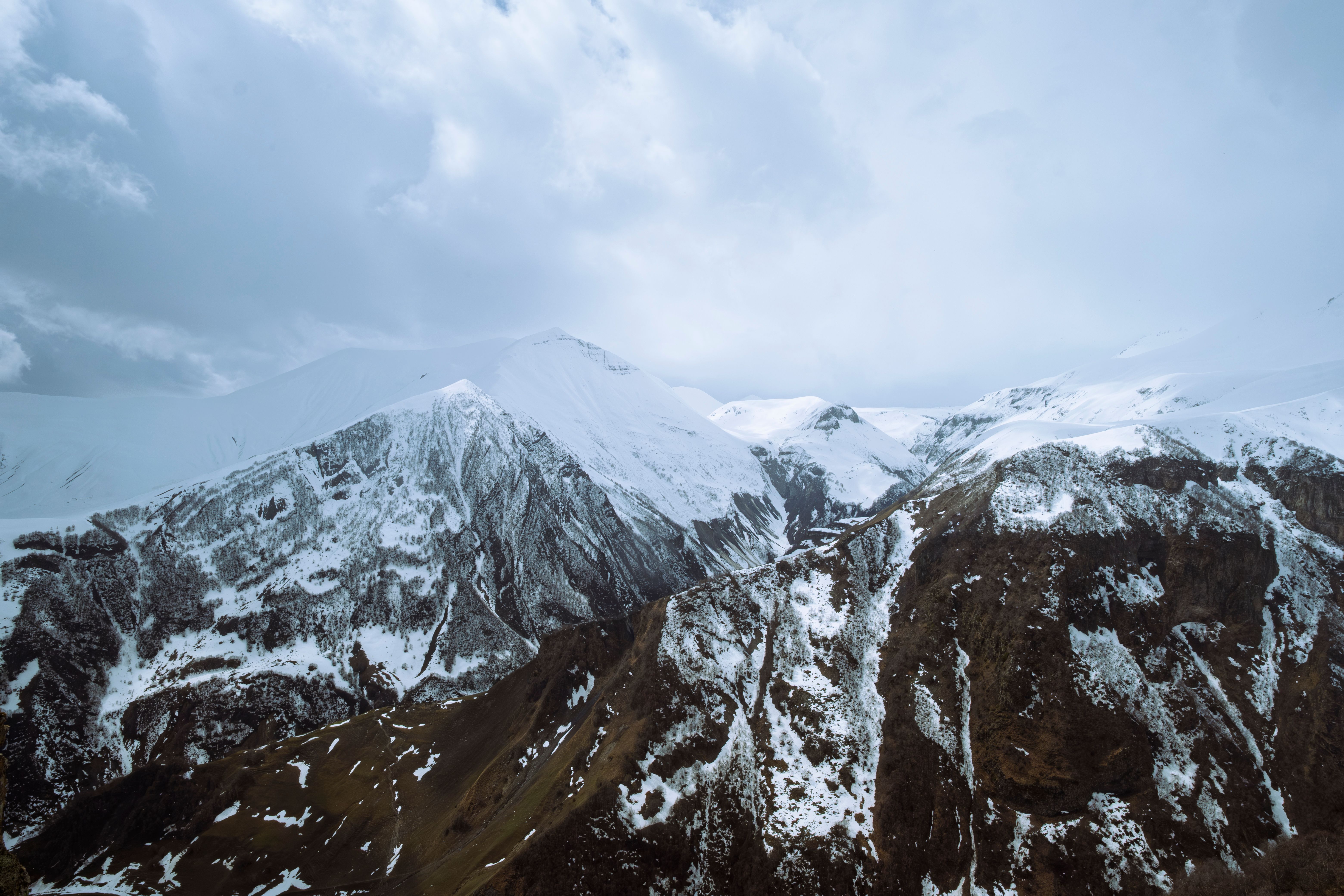
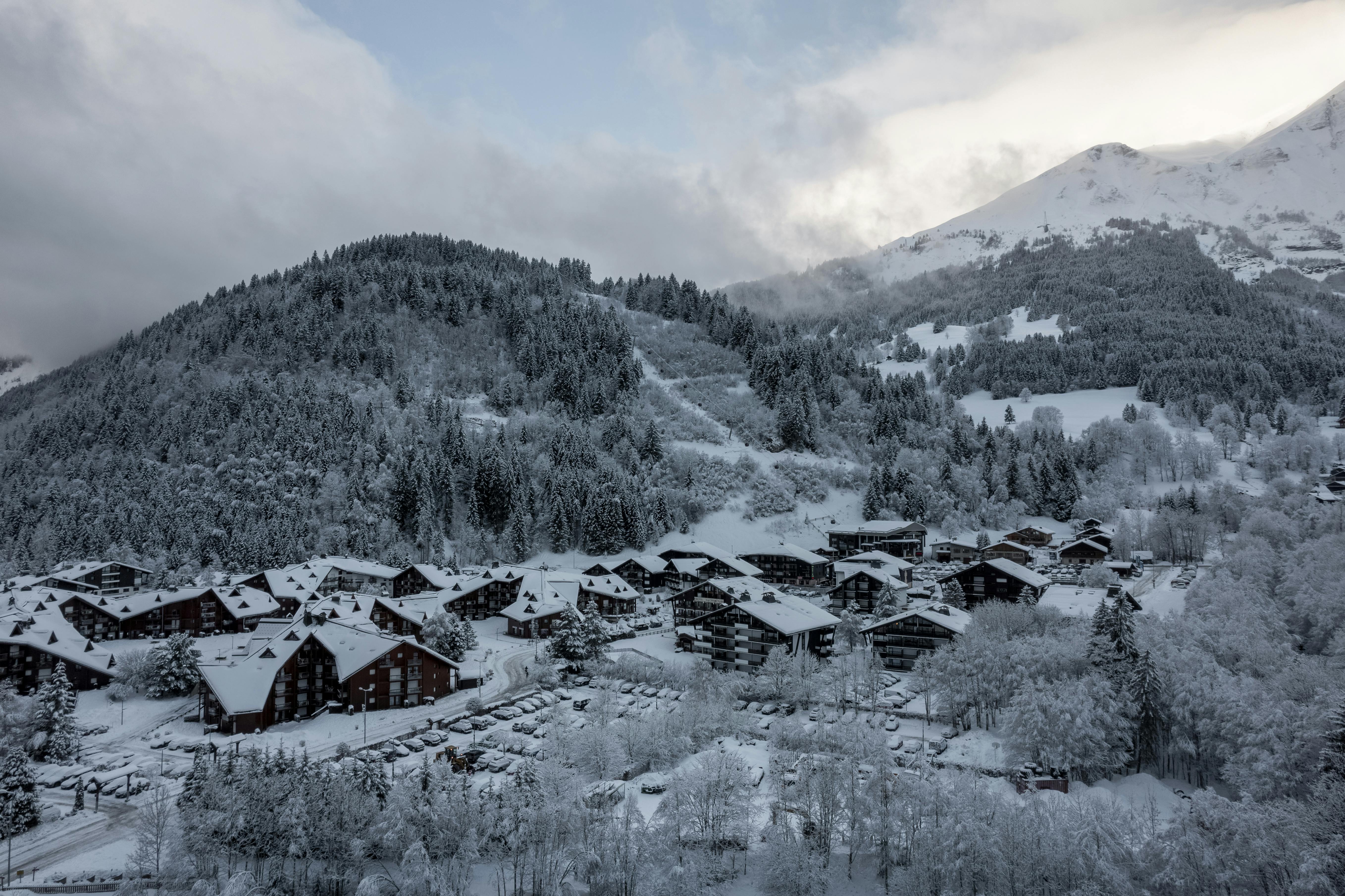
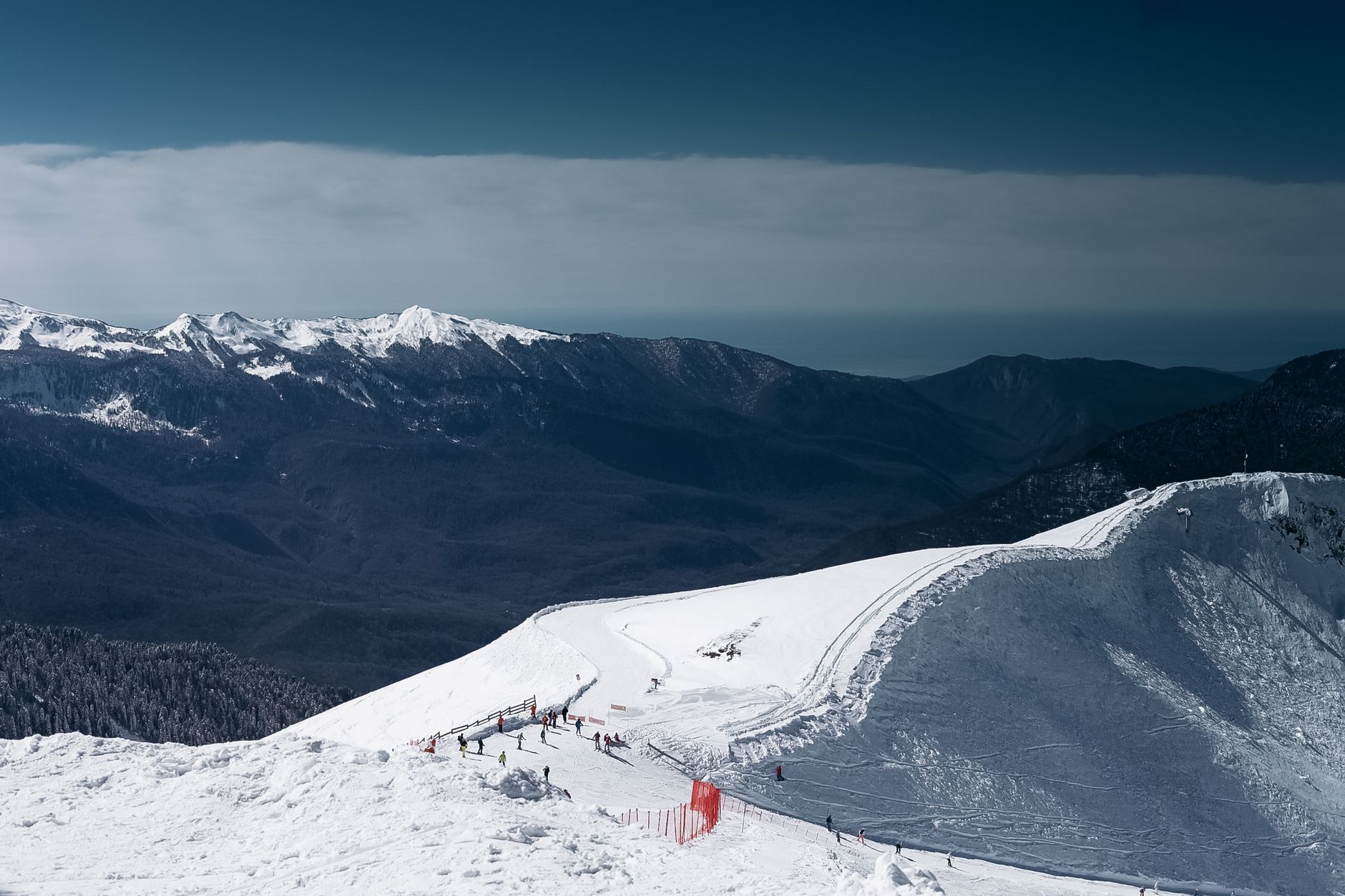
I still remember the biting Arctic wind hitting my face as I stepped out of the Tromsø terminal, the cold so sharp it felt like a physical weight. That first night, while huddled in a tiny hostel room costing only €58, the northern lights danced above the snow, proving that a modest budget can still craft a memory that lasts a lifetime. It wasn't about luxury suites or heated floors; it was about the raw, unfiltered beauty of the season.
The first mistake most travelers make is booking a destination before defining exactly what they want from the trip. If your heart beats for deep powder, you must chase high-altitude resorts immediately; if you crave the warmth of festive lights and bustling city squares, urban centers become your playground. The critical decision must happen before you click "book"; otherwise, you will waste precious time and money hopping between mismatched experiences that leave you feeling unsatisfied.
Identify the single non-negotiable element of your journey, whether it is guaranteed snow depth, the chance to see aurora borealis, or the proximity to cozy, wood-fired cafés. Write this priority on a sticky note and tape it directly to your laptop screen. I once booked a spa resort in the French Alps, only to discover the slopes had closed early due to a lack of snow in March; that oversight cost me an extra €120 for a last-minute ski-lift ticket I couldn't use. To avoid this, rank your priorities on a scale of 1 to 5, then strictly choose destinations that score at least a 4 in your top category.
Timing is just as crucial as location. Mid-week travel often saves between 15% and 30% on lodging costs compared to weekends. For example, a standard chalet in Chamonix might drop from EUR 199 per night on a Friday to EUR 142 per night on a Tuesday. Shorter daylight hours in December mean you must schedule outdoor activities early in the morning and reserve your evenings for indoor enjoyment to maximize your limited window of light.
Ski towns often bundle lift access, accommodation, and the essential après-ski vibe into one cohesive package, making them incredibly friendly for first-time winter travelers who want an all-in-one experience. Below are four resorts that consistently deliver exceptional value without forcing you to break your bank account or compromise on safety.
When comparing these options, a simple gear strategy can shave up to 40% off your total budget if you are only on the mountain for a few weeks a year. I use GetSki to compare packages; a full set including skis, boots, and poles runs EUR 32 per day in Bansko versus a $1,200 pair that gathers dust in your garage at home. Always test the boot fit first—a mis-fit can ruin an entire day of skiing and cause unnecessary pain.
When crowds drain your enthusiasm and commercialism feels overwhelming, head to protected wilderness areas where the quiet amplifies each crunch of fresh snow under your boots. These parks demand a higher degree of self-sufficiency, but the payoff is untouched scenery that feels like a secret shared only between you and nature. You are trading convenience for purity, and the silence is a luxury you cannot buy in a resort town.
Consider Jotunheimen in Norway, where trails stretch 250 km and snowshoe rentals are available for just EUR 9 per day in Lom. The park lies 142 km from Oslo Airport, reachable via a Sixt SUV booked through Rentalcars.com for EUR 72 per day. In Canada, Banff offers ice-field routes that can be tackled in 2.5 hours from the park entrance; the Banff Springs Hotel offers rooms from CAD 165 (≈ USD 124) per night with a free shuttle. I spent a chilly evening on the Icefields Parkway, marveling at frozen waterfalls that seemed to glow from within, a sight no city could ever replicate.
Safety is paramount in these remote zones. Pack microspikes, insulated poles, and a wind-proof shell rated for 10 m s⁻¹ gusts. I once left my neck gaiter at the lodge during a windy day in Jotunheimen and spent an hour shivering on a ridge, a lesson that taught me to double-check my gear before stepping out of the vehicle.
Cities transform into festive wonderlands when snow settles on historic rooftops and streets are lined with glowing markets. An urban trip lets you mix culture, cuisine, and short day trips without the logistical load of lift tickets or complex gear requirements. You can enjoy the winter atmosphere without needing to be an expert athlete.
Prague, Czech Republic, is a prime example where the Old Town Square hosts a Christmas market where a cup of mulled wine costs only EUR 3.50. A centrally located Airbnb averages EUR 92 per night in December, offering a warm base for exploration. Munich, Germany, places the Bavarian Alps just 90 km away; Deutsche Bahn tickets are EUR 24 round-trip if you book early. Quebec City, Canada, hosts the Winter Carnival drawing 1.2 million visitors; boutique hotels average CAD 140 (≈ USD 106) per night, and a weekly public-transit pass is CAD 53.
Transport within these cities requires a smart approach. Book a compact car from Enterprise for EUR 38 per day if you plan a day trip to nearby ski hills; otherwise, rely on trams and buses at EUR 1.70 per ride. I once over-estimated my need for a rental and paid EUR 210 for a week that a €22 weekly tram pass would have covered. Always calculate the total cost of parking and fuel before deciding on a car.
Choosing the right ground transport can shave 20% to 35% off your travel expenses while preserving precious daylight hours that are short in winter. The decision often comes down to a balance between cost, time, and the amount of luggage you are carrying. A misstep here can turn a relaxing arrival into a stressful scramble.
For a typical 20 km journey from an airport to a city center, a taxi might cost EUR 45 and take 30 minutes, offering door-to-door convenience but suffering from surge pricing during bad weather. A bus costs only EUR 2.80 per ride or a daily pass of EUR 7, taking 45 minutes with stops, which is cheap but limits luggage space. A regional train costs EUR 12 for 20 km and takes 25 minutes, offering comfort and scenic views but adhering to a fixed schedule. A private transfer, such as one booked through Sixt, costs EUR 38 for 20 km and takes 28 minutes, guaranteeing arrival with a driver who helps with gear.
If you land at Zurich Airport and head to Lenzerheide, a private Sixt transfer at EUR 38 saves you 15 minutes over a bus that departs hourly. For a five-day city stay, a weekly bus pass at EUR 27 beats a private transfer by more than 80%. Always check local apps for real-time availability before arriving.
Reserving early is the single most effective way to save big on winter accommodation. Booking a chalet through Booking.com three months ahead locks in rates like EUR 135 per night for a four-person suite in Val Thorens. Late-season deals can be 22% cheaper, but availability may be thin, forcing you to compromise on location or quality. Planning ahead gives you the freedom to choose the best options.
Gear rental tricks can further reduce your spend. Pre-order skis via GetSki; early birds snag 15% off and free delivery to your hotel. Bundle boots and poles; many shops, such as a local outlet in Andermatt, trim EUR 5 off each item when bought together. Inspect wax and edges; a missed tune can ruin a day and cost EUR 30 for an emergency fix. Never assume the rental shop will have your size available on the day of arrival.
Food savings are also significant. Street-food markets in Vienna serve meals for EUR 6 to 8, whereas a restaurant plate can reach EUR 22. In ski towns, cooking your own meals with groceries from the local supermarket trims roughly EUR 12 off your daily spend. I once booked a luxury lodge in Whistler for USD 299 per night, assuming "luxury equals comfort," but the heating system failed on day two, and I spent an extra USD 85 on portable heaters. Read recent guest reviews for equipment reliability, not just star ratings.
Late January to early March offers the clearest skies, with a 68% chance of aurora activity in Tromsø and a temperature average of -6°C, providing the perfect balance of cold and dark skies.
Yes, most companies like Hertz, Sixt, and Enterprise require an IDP alongside your home licence. The permit costs about EUR 13 and is valid for one year, preventing legal issues at the rental counter.
Tuesday and Wednesday see up to a 43% reduction in lift-line wait times in resorts such as Avoriaz, where average queue length drops from 12 minutes to 4 minutes, allowing for more time on the slopes.
Absolutely—policy premiums average USD 45 for a 7-day trip and cover ski-related injuries that could otherwise total thousands of dollars in medical bills, making it a non-negotiable expense.
Place skis in a waterproof bag and secure them upright with a roof rack from Enterprise; a tarp over the rack adds an extra layer of protection against snow spray and road salt.
Pack a reusable water bottle; staying hydrated at altitude helps ward off altitude sickness and keeps your energy levels high. Check the local avalanche forecast on the national weather service site before heading out on backcountry trails to ensure your safety. And most importantly, book your rental gear at least two weeks in advance through GetSki to lock in the lowest rates and guarantee availability.
Leave a request and we'll send a personal offer for your dates. One window instead of ten tabs — gear, transfer and car sorted and confirmed in advance.