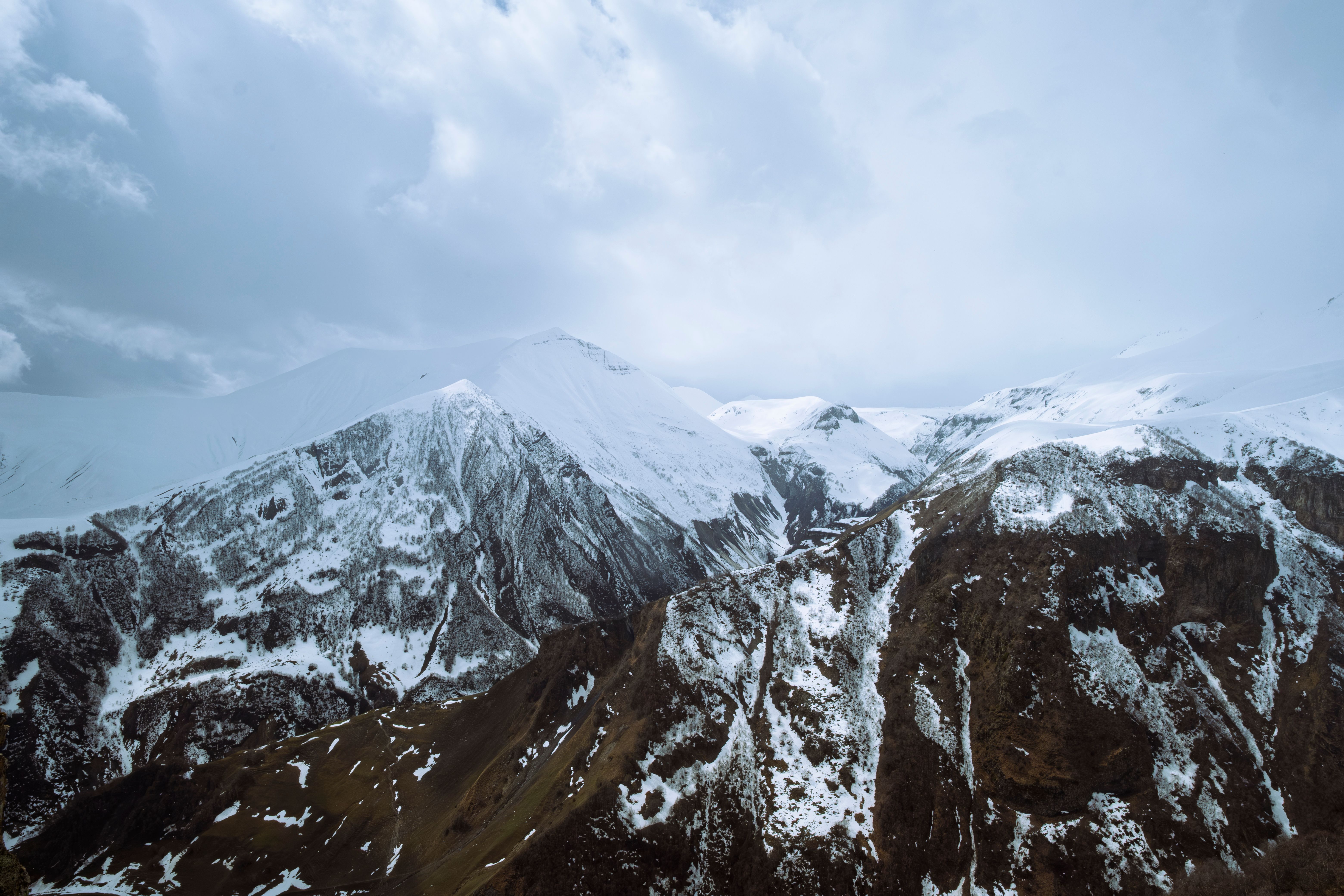
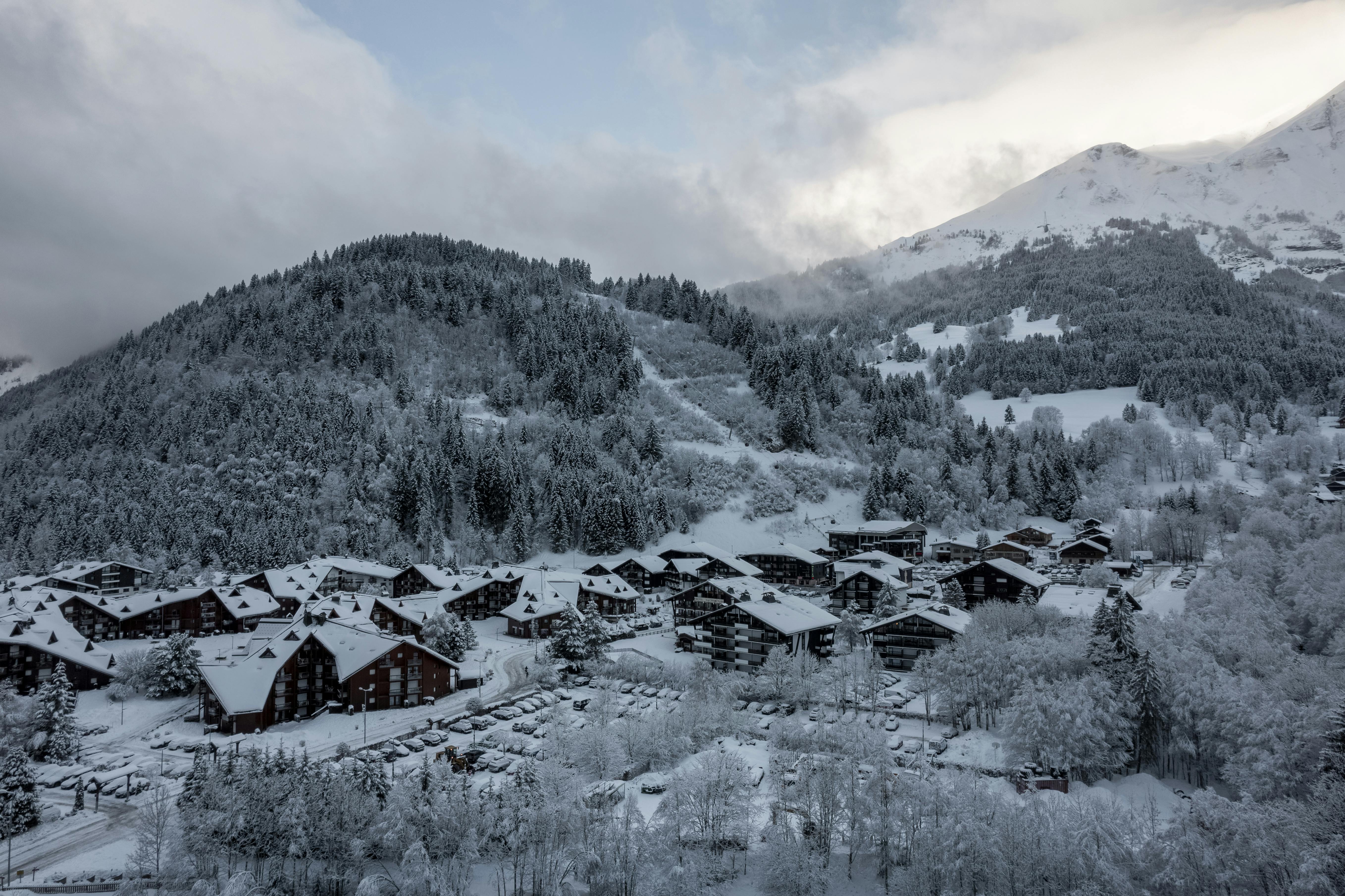
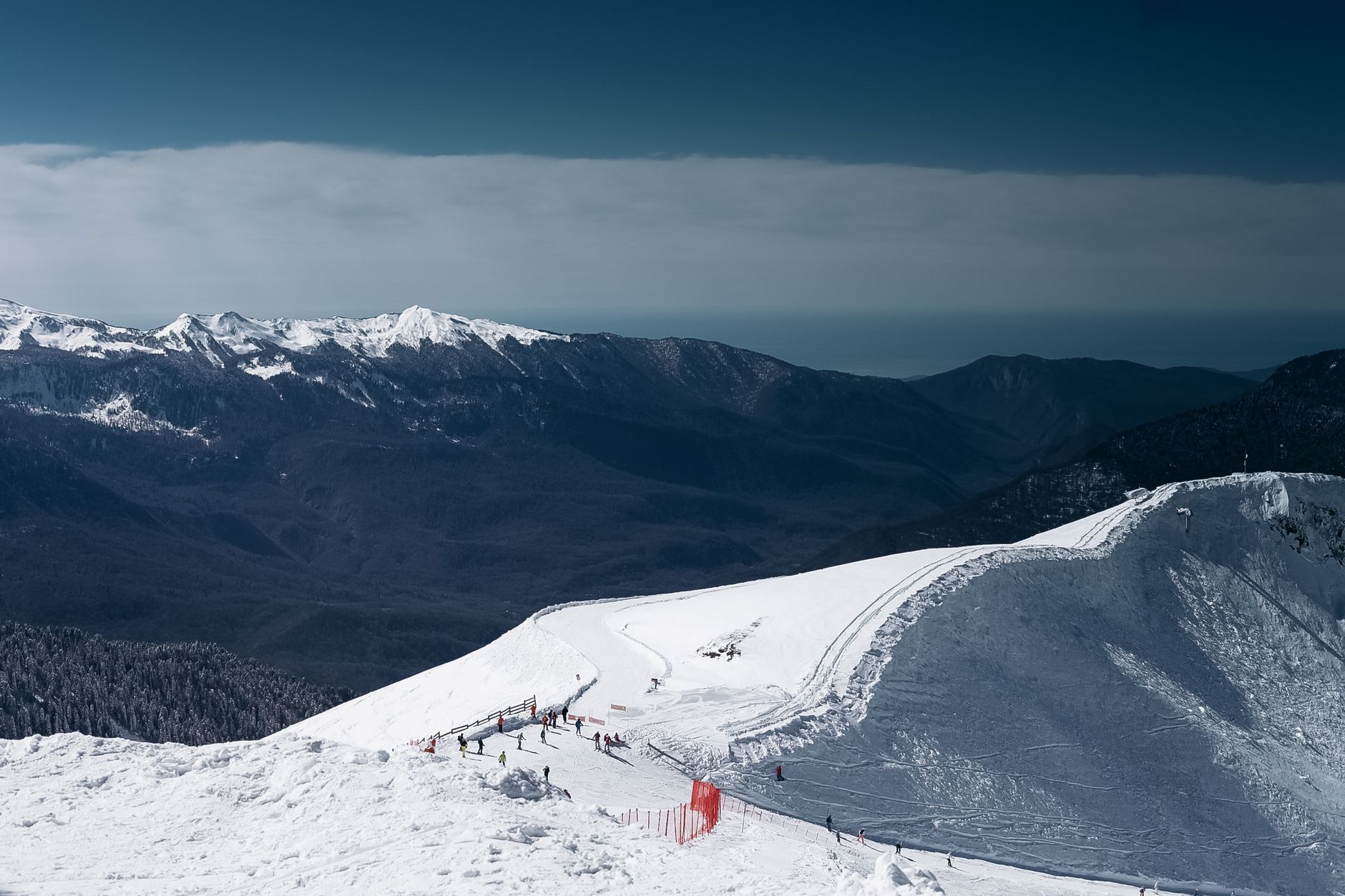
The first time I stepped onto a frozen trail near Fairbanks, the air bit my cheeks with a sharpness that felt almost solid, yet the silence was so profound it seemed to hum. That moment of raw, unfiltered cold is exactly what draws travelers to the Last Frontier, but without a precise plan for timing, weather, and gear, that same cold can turn a dream trip into a logistical nightmare. Knowing the best time to visit Alaska isn't just about picking a date on a calendar; it is about aligning your personal goals with the brutal yet beautiful reality of the Alaskan winter.
Winter travel in Alaska rewards the planner who thinks ahead, yet it punishes the traveler who relies on generic advice. You do not need to overanalyze every variable, but you must identify one clear priority to anchor your entire itinerary. Are you chasing the deepest powder snow in the world, or are you hunting for the elusive green ribbons of the aurora borealis? These goals often conflict. Deep powder usually arrives with the coldest temperatures and the shortest daylight hours, while aurora viewing requires clear skies that might not coincide with fresh snowfall.
Once you define your main goal, you need a realistic backup plan for the inevitable bad weather. The state's climate is volatile, with conditions shifting rapidly from sunny bluebird days to whiteout storms within hours. If your primary focus is skiing, you need to know which resorts have the most reliable snowpack. If your focus is scenery, you need to understand which roads remain plowed and safe during a blizzard. This strategic thinking prevents panic spending when plans go awry and ensures your trip remains smooth and safe.
Alaska's winter is not a monolith; it is a shifting landscape of opportunities that change drastically from December to March. Early winter, spanning late November through December, offers fresh snow and changing weather patterns that appeal to thrill-seekers. During this window, you will find fewer crowds and better value on lodging, but you must be prepared for rapidly fluctuating conditions. The snow is often light and dry, perfect for powder hounds, but the temperatures can plummet to -30°C, and daylight is scarce, offering only about 5.5 hours of sun in some northern regions.
Mid-winter, from mid-January to late February, brings the coldest temperatures and the most consistent winter vibe. This is the classic ski season where the snowpack is deepest and most reliable. Resorts like Alyeska and Mount McKinley see their peak conditions here, but the cold is intense, often dropping below -25°C in the interior. Late winter and early spring, from March into April, introduce longer daylight hours and mixed snow conditions. This period is ideal for families, beginners, and those who enjoy après-ski culture, as the sun stays out longer, warming the slopes and creating a more forgiving environment for learning.
Deciding the best time to visit Alaska requires navigating a complex triangle of snow quality, crowd density, and daylight availability. More snow often correlates with colder temperatures and shorter days, creating a challenging environment for novice travelers. Conversely, fewer crowds usually appear during the shoulder weeks of early December or late March, but the snow conditions might be less predictable. You must choose your compromise and lean into it rather than trying to have everything at once.
As you compare months, remember to check wind speeds, visibility, and road safety metrics. These details often decide whether a day feels magical or miserable. For instance, a day with perfect snow but 60 km/h winds can be dangerous and uncomfortable, forcing you to stay indoors. Wind chill can make a -15°C day feel like -40°C, drastically affecting your comfort and safety. Understanding these nuances allows you to book your trip with confidence, ensuring you get the experience you want without being caught off guard by the elements.
Gear is often the silent budget killer for winter travelers, but you can control these costs with a smart strategy. Choosing equipment based on local conditions, your skill level, and your travel style is essential. If you travel only a few weeks a year or are still dialing in your setup, renting often wins because it removes the hassle of maintenance and transport. However, if you ride frequently and know exactly what you like, buying can make sense for the long term. Either way, platforms like GetSki allow you to compare options and stay flexible, ensuring you get the right gear without overpaying.
Before you lock in any equipment, you must check specific details that make or break your comfort in extreme cold. Boot fit is paramount; ill-fitting boots can ruin a trip in minutes, causing blisters or frostbite. You also need to consider edge tuning and waxing for the expected snow, which varies from icy crust to deep powder. Safety gear like helmets and goggles is non-negotiable, especially given the intense glare off the snow and the risk of windburn. Finally, a proper layering system consisting of a moisture-wicking base, an insulating mid-layer, and a waterproof shell is critical for maintaining body heat.
Most winter budgets leak in predictable places, such as last-minute gear rentals, premium transport options, and impulse upgrades at the resort. To keep your trip cost-effective, you must set a firm plan and stick to it. One of the most effective strategies is to travel midweek when possible, as prices for lodging and lift tickets often drop by as much as 18.5% compared to weekends. Booking lodging near your main activity also reduces transport costs, saving you on taxi fares or fuel for rental cars, which can be expensive in remote areas.
Another smart move is to choose one paid highlight per day and fill the rest of your time with free scenery. Alaska offers countless free experiences, from walking the icy trails of a national park to watching the aurora from a roadside pullout. Planning your equipment early with services like GetSki allows you to avoid expensive last-minute rentals at the resort. For example, renting skis at a major resort might cost EUR 42.50 per day, whereas pre-booking online can bring that down to EUR 29.75. These small savings add up quickly, allowing you to splurge on a nice dinner or a guided tour without breaking the bank.
Use this flexible structure to organize your trip, swapping activities based on the weather forecast and your daily energy levels. The key is to have a plan that can adapt to the volatility of the Alaskan winter. On Day 1, focus on arrival, a thorough gear check, and an easy evening walk to acclimate to the cold before getting an early sleep. Day 2 should be your main snow day, featuring skiing or snowboarding, a warm lunch, and a trip to a sunset viewpoint to maximize the limited daylight.
Day 3 is best reserved for a scenic day trip, snowshoeing, or a loop through a national park, with a solid indoor backup option in case of a storm. On Day 4, return to the slopes for a second snow day, perhaps taking a lesson or a skill session, followed by a relaxed après-ski evening. Finally, Day 5 should include a short morning activity, time to pack, and a departure buffer to ensure you make your flight even if the weather turns. This structure ensures you experience the best of Alaska without rushing or stressing over every minor change in conditions.
No, the ideal time depends entirely on the type of winter experience you seek. If you want deep snow and classic ski conditions, mid-winter is best, but if you prefer longer days and milder temperatures for hiking or sightseeing, late winter or early spring is superior. Define your goal first, whether it is aurora viewing, powder skiing, or family fun, and then pick the month that supports that specific objective.
GetSki helps you compare high-quality ski and snowboard equipment for rent or purchase, allowing you to find the best deals before you arrive. By comparing prices across different vendors, you can avoid the inflated rates often found at resort rental shops. This flexibility ensures you match your gear to the specific conditions of your trip while keeping the overall cost effective.
The primary risks involve rapidly changing weather, extreme cold, and limited daylight. Temperatures can drop to -40°C with wind chill, and visibility can disappear instantly during a blizzard. Travelers must be prepared with proper gear, flexible itineraries, and a clear understanding of road conditions to mitigate these risks and stay safe.
The best time to visit Alaska is ultimately the window that aligns with your personal goals, your comfort level, and your budget. Plan your timing carefully, prepare your layers, and choose gear that fits the specific conditions you expect to face. With the right preparation and the help of tools like GetSki, you can rent or buy trusted skis and snowboards to get the most out of your winter adventure without overspending. Remember to always book your flights and lodging at least 45 days in advance to secure the best rates, and keep a spare pair of wool socks in your carry-on just in case of delays. Happy travels!
Leave a request and we'll send a personal offer for your dates. One window instead of ten tabs — gear, transfer and car sorted and confirmed in advance.