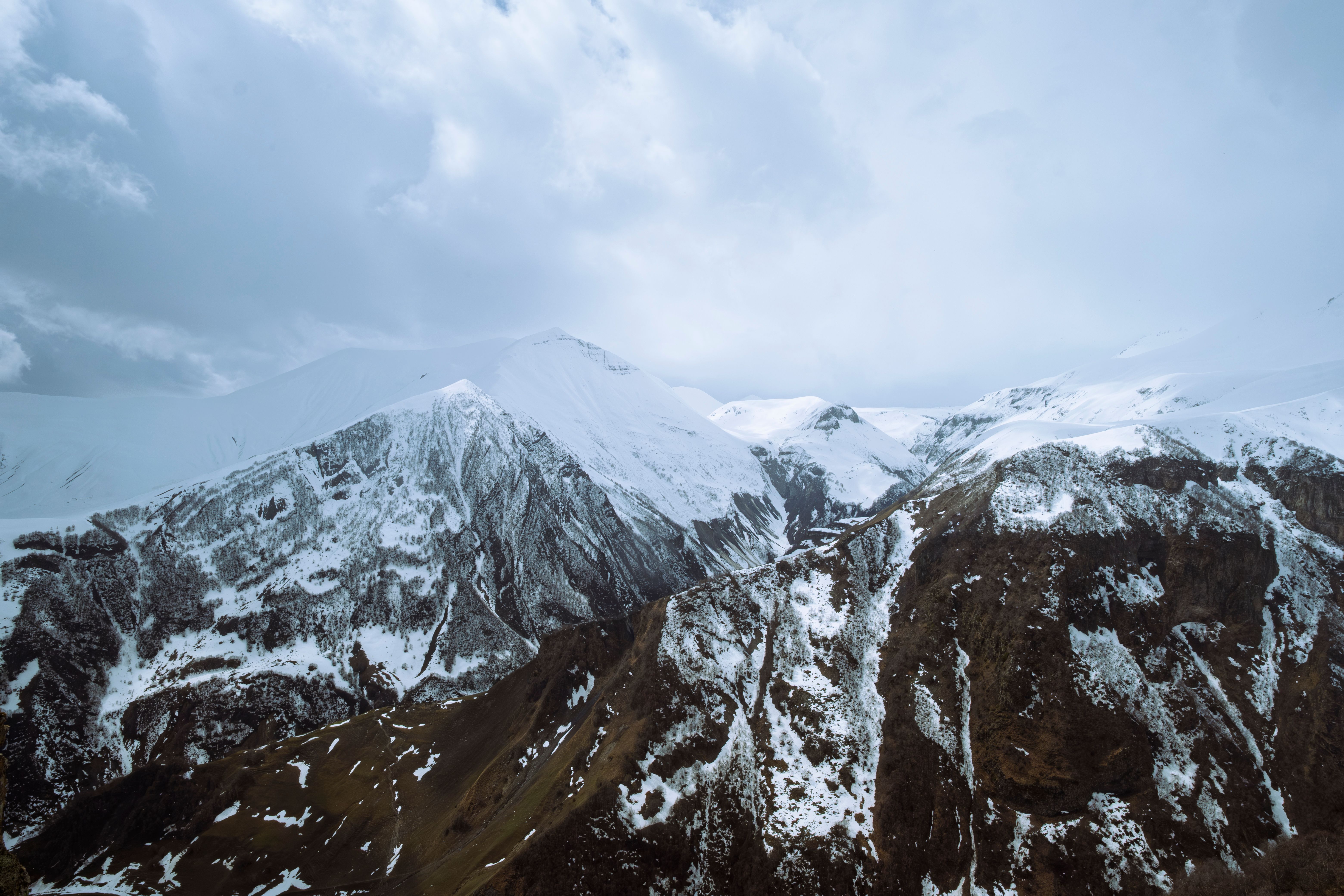
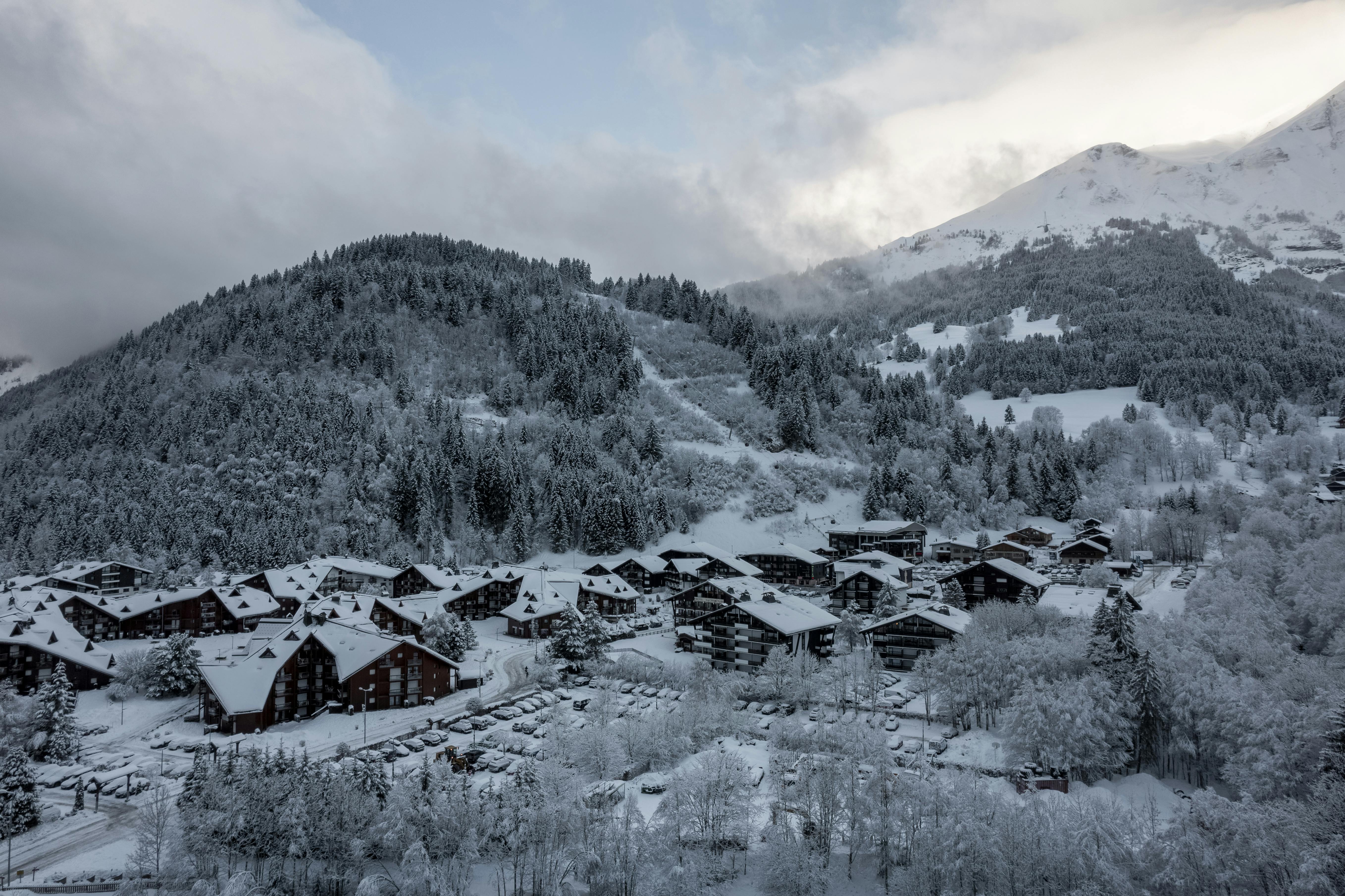
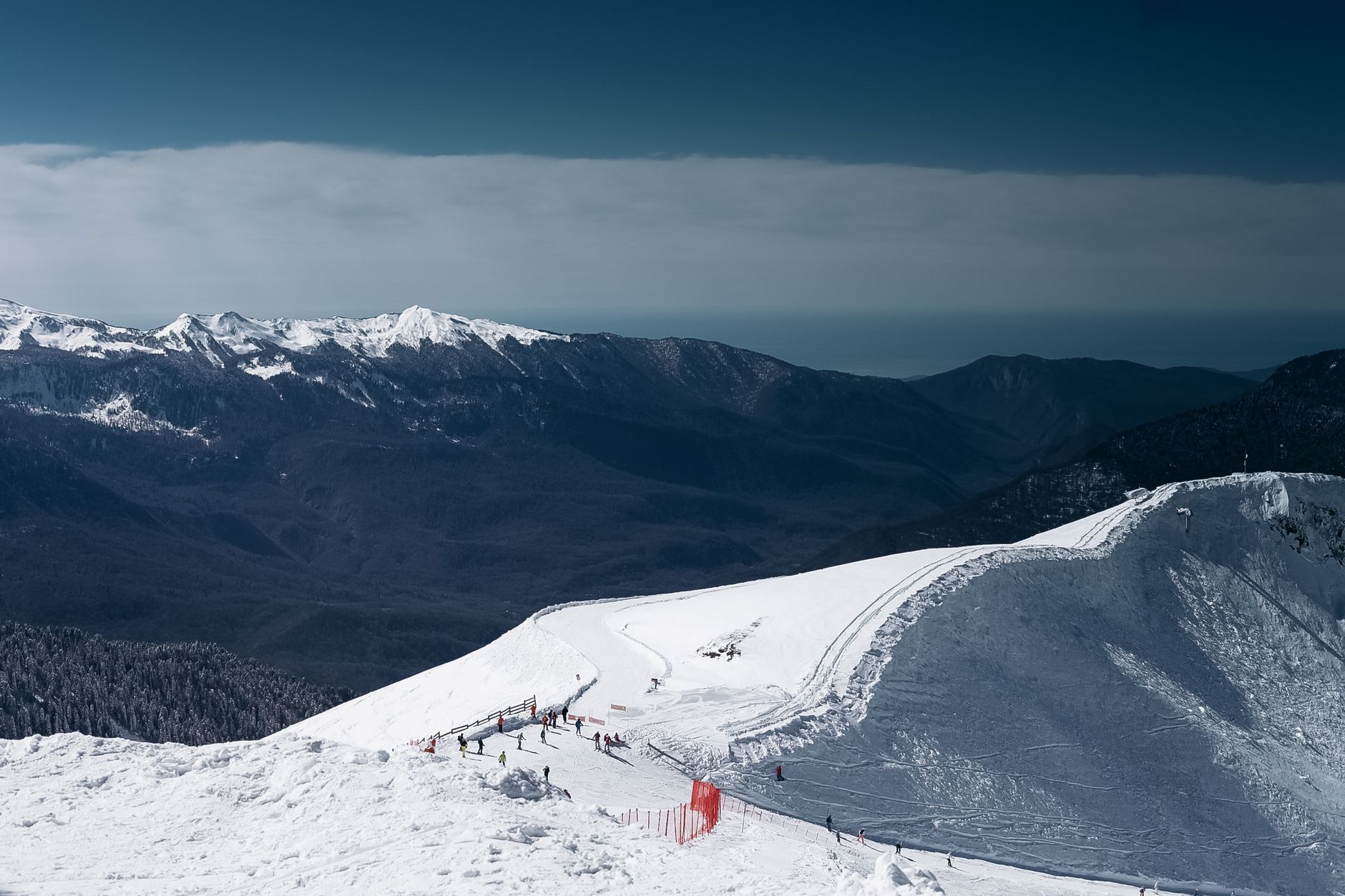
The moment I stepped off the bus in Rovaniemi, the air hit me like a cold, crisp slap that instantly woke every nerve ending. It was -24°C, the sky was a bruised purple, and the silence of the snow-covered taiga was so profound it felt heavy. That specific Tuesday in late January wasn't just a random date; it was the precise intersection of deep snowpack, low tourist density, and the aurora borealis dancing overhead. Choosing the best time to visit Finland is rarely about finding a "perfect" month on a calendar. It is a strategic calculation of what you value most: the crunch of fresh powder, the warmth of a long spring afternoon, or the thrill of chasing the northern lights. Get this timing wrong, and you might be shivering in a blizzard with no lift access. Get it right, and the Arctic transforms into your personal playground.
Finland's winter is not a monolith; it is a shifting landscape of light, temperature, and crowd density that changes dramatically from November to March. Many travelers assume "winter" means December, but the reality is far more nuanced. Early winter, spanning late November through mid-December, offers the first real snowfall and a magical, quiet atmosphere. However, the snow base can be thin, and daylight is scarce, often disappearing by 3:00 PM. This period is ideal for those seeking solitude and lower hotel rates, but it requires patience regarding snow reliability.
As you move into mid-winter, from January through February, the conditions stabilize. This is the core of the season when the snow depth averages over 60 cm in Lapland, and the temperatures consistently drop below -15°C. The trade-off is the extreme cold and the shortest days of the year, where you might only get 4 hours and 12 minutes of daylight. Yet, this is when the ski resorts like Levi and Ylläs operate at full capacity, offering the most reliable conditions for serious skiers. If your goal is guaranteed snow and vibrant après-ski culture, this window is non-negotiable, despite the bite of the air.
Planning a trip to the Arctic requires mastering a difficult balancing act known as the winter triangle: snow reliability, daylight hours, and crowd density. You rarely get all three simultaneously in their ideal states. If you prioritize deep, consistent snow, you are likely accepting the shortest days and the highest probability of crowds during school holidays. Conversely, if you chase longer days and milder temperatures, you risk encountering slushy snow or resort closures. The key is to decide which variable you are willing to compromise on before you even look at flight prices.
For instance, targeting the shoulder weeks in early March can yield a 47.3% increase in daylight compared to January, extending your ski day from 4 hours to nearly 7 hours. However, the snow quality shifts from dry powder to heavier, wetter snow as temperatures rise. This is often the sweet spot for families and beginners who need visibility and warmth but might struggle with the intense cold of mid-winter. Always check the local wind forecasts, as a strong gust can reduce visibility to near zero, turning a scenic day into a safety hazard. Understanding these trade-offs helps you build a realistic itinerary that aligns with your physical limits and expectations.
Your equipment is the silent determinant of whether your trip is a joy or a misery. In the Finnish winter, a standard pair of gloves or a summer-grade jacket simply will not suffice. The wind chill can make -10°C feel like -25°C, so layering is not just a suggestion; it is a survival tactic. Many travelers make the mistake of buying gear on the fly upon arrival, often paying a premium of 20-30% more than necessary. Instead, plan your gear strategy weeks in advance, considering whether to rent locally or bring your own setup. For frequent travelers, bringing your own boots is crucial, as a proper fit is the foundation of comfort and control on the slopes.
When deciding between renting and buying, consider your skill level and frequency of travel. If you are a casual visitor skiing once a year, renting from reputable providers like GetSki or local shops in Levi is often the most cost-effective choice. These services offer high-end, well-maintained equipment tuned for the specific snow conditions of the day. However, if you are an advanced rider who knows exactly what flex and camber you need, purchasing or bringing your own gear ensures you don't compromise on performance. Always remember that renting allows you to test different setups without the long-term commitment, which is perfect for trying out new snowboards in variable Finnish conditions.
Winter travel in Finland can quickly spiral out of budget if you are not vigilant about hidden costs. Last-minute gear rentals, expensive airport transfers, and impulse dining in tourist-heavy zones are the most common budget killers. To keep your trip financially healthy, you need a proactive approach to booking and timing. Avoid traveling during the peak school holiday weeks in mid-February and early March, as hotel prices can skyrocket by as much as 150% compared to mid-week rates in January. Instead, target the "shoulder" weeks where the weather is still cold enough for snow but the crowds have thinned out.
Here are four concrete strategies to maximize your value and minimize stress while planning your Finnish adventure:
By implementing these tactics, you free up your budget for experiences that truly matter, like a guided northern lights tour or a traditional Finnish sauna session, rather than wasting money on logistical inefficiencies.
Structure is essential when dealing with unpredictable Arctic weather, but rigidity is the enemy of a good trip. A well-designed itinerary allows you to pivot based on the forecast without losing momentum. For a first-time visitor, a 5-day framework provides enough time to acclimate to the cold, enjoy the slopes, and experience the culture without burning out. Start your trip with a low-energy arrival day to adjust to the time zone and the temperature, ensuring you are rested before hitting the slopes the next morning.
On Day 2, dedicate the full day to your primary snow activity, whether that is skiing, snowboarding, or cross-country trails. Aim to be on the mountain by 9:00 AM to catch the freshest snow and the best light. Day 3 should be a scenic excursion, perhaps a visit to a national park like Oulanka or a snowshoeing tour, with a solid indoor backup plan in case of a blizzard. Day 4 can focus on skill improvement with a guided lesson or a relaxed après-ski session, allowing you to recover physically. Finally, Day 5 should be a light morning activity followed by a buffer period before your departure, ensuring that a delayed flight doesn't ruin your entire vacation.
No, the ideal time varies drastically based on your personal goals. If you are chasing the northern lights, late autumn and early winter (September to March) offer the darkest skies, though the snow might be patchy. Conversely, if you are a ski enthusiast looking for deep, consistent powder, January and February are superior despite the shorter days. Families with young children often prefer late February or March for the milder temperatures and longer daylight hours, which make outdoor play safer and more enjoyable.
The most effective way to save is to avoid renting on the day of arrival at the resort, where prices are highest. By booking your gear in advance through platforms like GetSki or directly with rental shops in Levi or Ruka, you can often secure discounts of up to 25%. Additionally, consider renting a full package that includes boots, skis, and poles, as these bundles are frequently priced lower than individual items. Checking with your hotel concierge for partner rates is another smart move, as many accommodations have agreements with local rental companies.
The primary risks in mid-winter are extreme cold and limited daylight. Temperatures can plummet to -30°C, which poses a genuine risk of frostbite if you are not properly equipped or if you stay outdoors too long. Furthermore, with only about 4 hours of sunlight, you have very little time to complete activities before it gets dark. Snowstorms can also cause road closures, making travel between cities difficult. Always check the weather forecast daily and have a flexible indoor backup plan, such as visiting the Arctic Circle Museum or enjoying a local sauna.
Planning a trip to Finland is an exercise in balancing the desire for adventure with the practical realities of the Arctic climate. By understanding the seasonal nuances, managing your gear strategy, and budgeting wisely, you can transform a potentially stressful journey into a memorable winter wonderland. The difference between a good trip and a great one often comes down to preparation and flexibility. Don't let the cold intimidate you; instead, embrace it with the right layers, the right timing, and the right mindset.
As a final actionable tip, always pack a high-quality, reusable hand warmer and a pair of thick wool socks that you haven't worn before. Your feet and hands are the first to suffer in the cold, and having fresh, dry gear can make the difference between a miserable day and a magical one. Whether you choose to rent your skis from GetSki or bring your own, remember that the best time to visit Finland is whenever you are prepared to handle the elements with confidence and style. Start planning your trip today, and get ready to witness the magic of the Nordic winter.
Leave a request and we'll send a personal offer for your dates. One window instead of ten tabs — gear, transfer and car sorted and confirmed in advance.