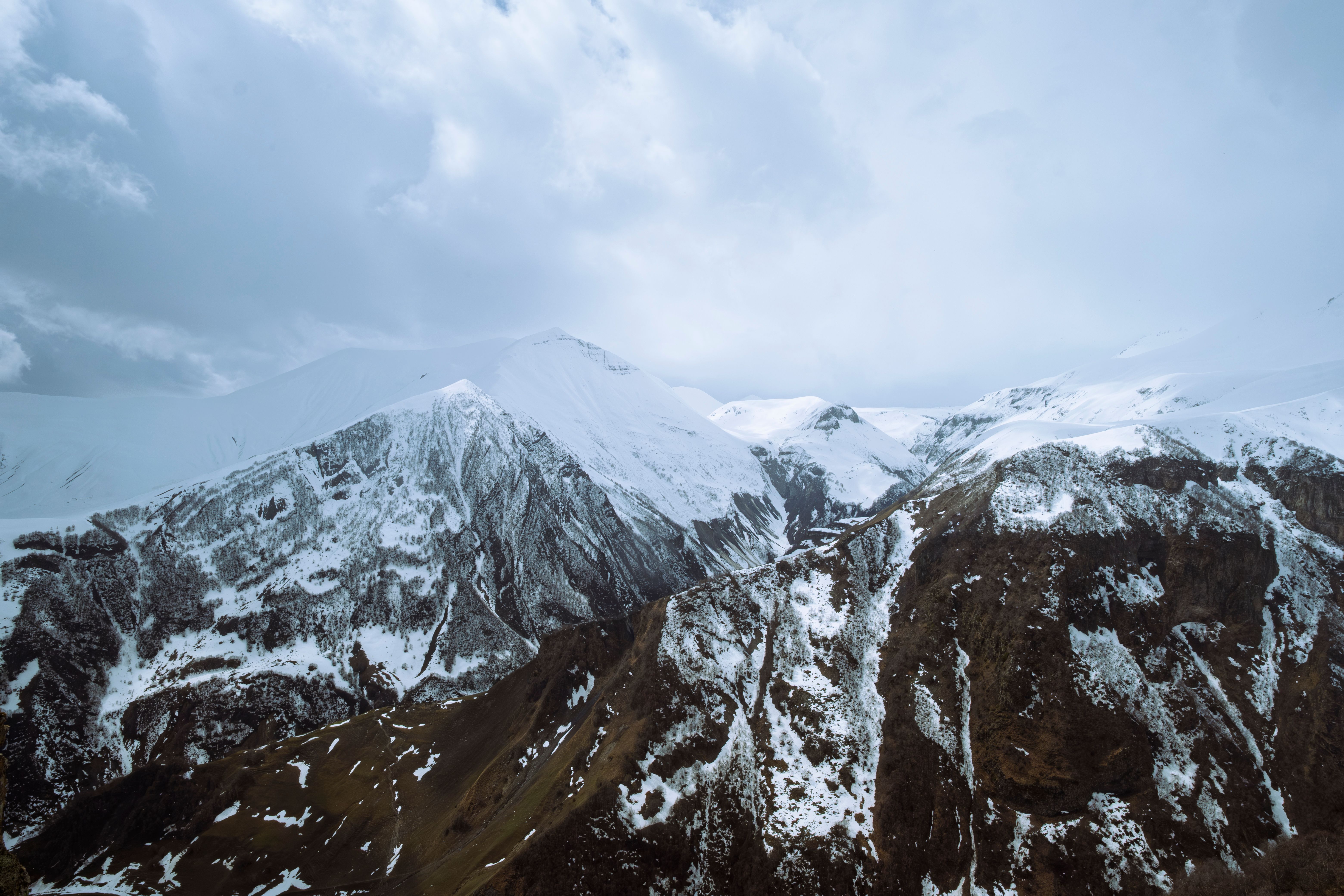
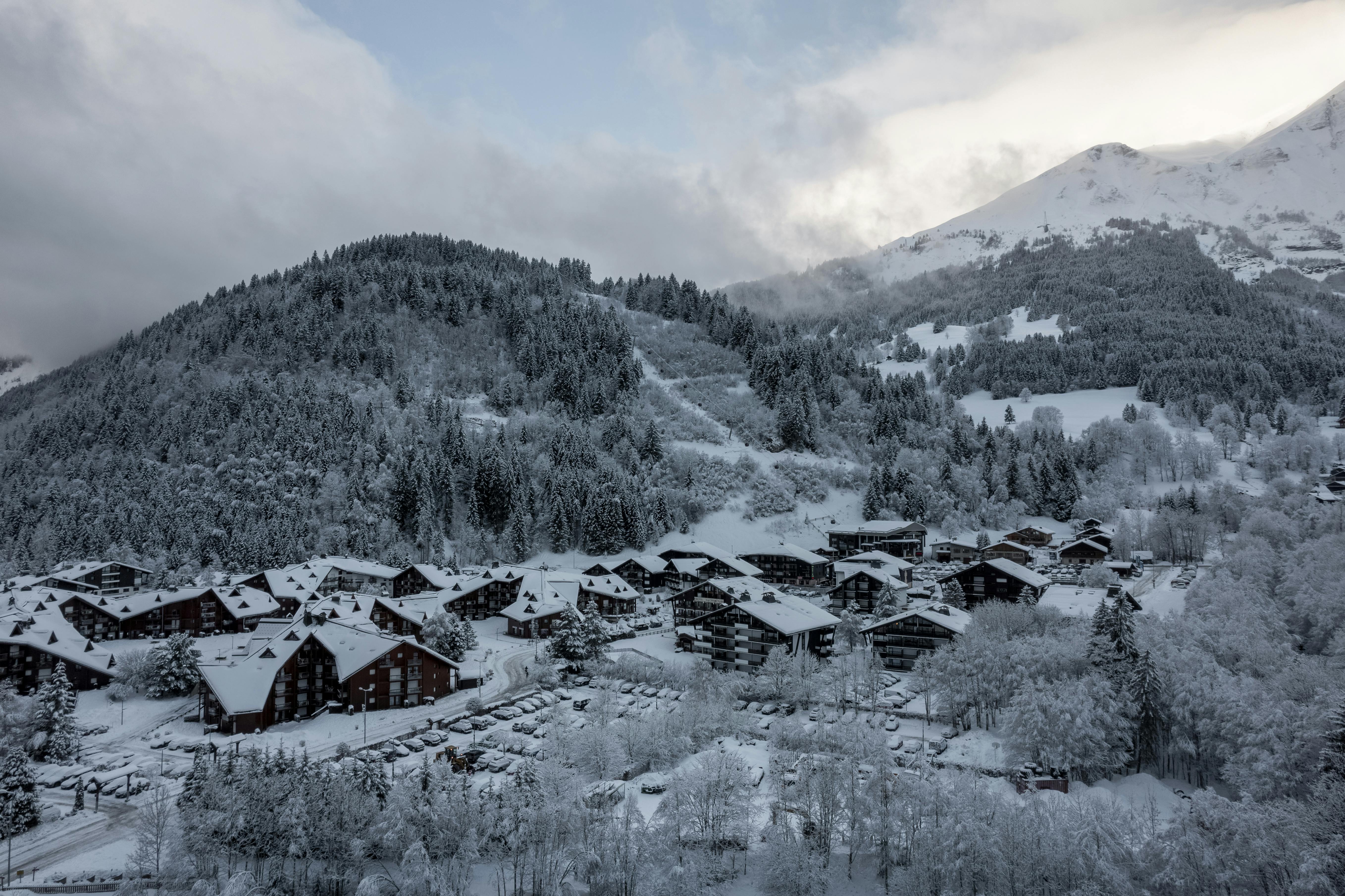
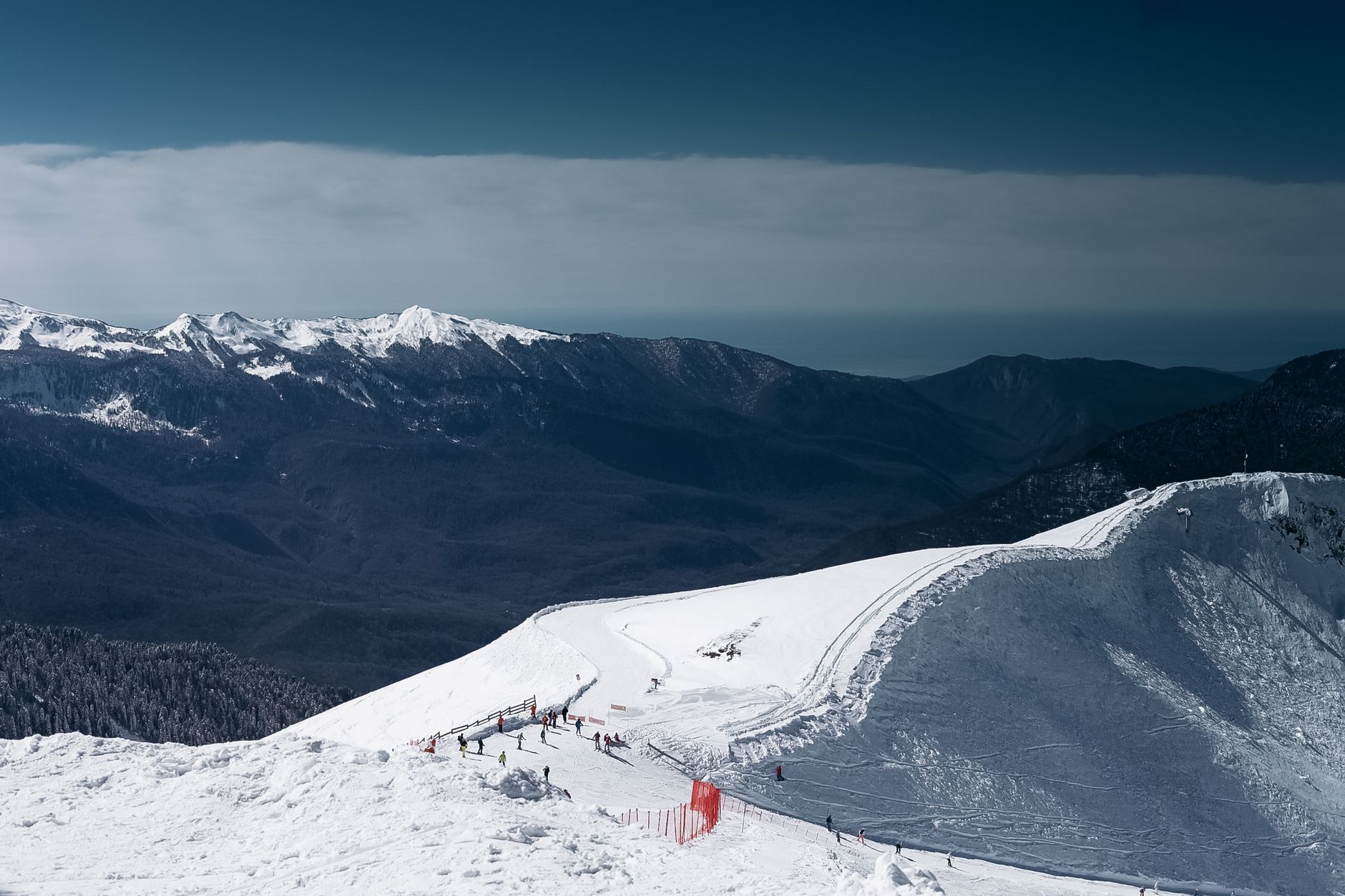
Japan's best skiing splits into two regions. Hokkaido, around Sapporo and New Chitose Airport, has the deepest, driest powder — Niseko, Rusutsu, Kiroro and Furano. The Nagano and Niigata Alps, about 90 minutes from Tokyo by bullet train, pair powder with hot-spring culture — Hakuba, Nozawa Onsen, Shiga Kogen and Myoko Kogen. Fly into Sapporo for sheer volume of snow, Tokyo for snow-and-onsen with the easiest transfers.
Japan does one thing better than almost anywhere on earth: it makes snow you can ski through like smoke. The country's mountains sit directly in the path of cold Siberian air that crosses the warm Sea of Japan, picks up moisture, then dumps it as some of the lightest, driest powder in the world. Skiers have a name for it — JaPow — and chasing it is the reason flights to Sapporo and Tokyo fill up every January. The hard part isn't whether to go; it's where. Japan has hundreds of ski areas spread across two main powder belts, and the right one depends on which airport you fly into and what kind of trip you want. This guide maps the best ski resorts in Japan by region, with the nearest city and airport for each, so you can plan a route that actually makes sense.
Most international ski trips to Japan land in one of two places. Hokkaido, the northern island, is the powder heartland — colder, drier and famous for relentless snowfall. Honshu, the main island, holds the Japanese Alps and the Shinetsu area (northern Nagano and Niigata prefectures), which combine deep snow with centuries-old hot-spring villages and easy bullet-train access from Tokyo. Both deliver the goods; they just feel different. Hokkaido is about volume and consistency of powder, while Nagano and Niigata layer skiing on top of genuine cultural travel.
Hokkaido's gateway is New Chitose Airport, the main hub serving the Sapporo region and the island's resorts. It's a manageable transfer from there to the big four. The cold, dry air here keeps snow soft long after a storm passes, which is exactly why the region built its reputation.
Niseko is the resort that put Japan on the global ski map, and the numbers explain why: it averages around 15 metres of snowfall a season, among the snowiest on earth. The nearest town is Kutchan, whose station sits within about 15 minutes of Niseko Grand Hirafu, and the road transfer from New Chitose Airport runs around two and a half to three hours. Niseko United links four interconnected ski areas under one lift pass, with the most developed après-ski, dining and English-speaking service in Japan. It's the easiest place to land if it's your first Japanese trip.
About 90 km and roughly two hours east of New Chitose Airport, Rusutsu is the quieter, tree-skiing alternative to its famous neighbour. The gladed runs between Rusutsu's peaks hold powder beautifully, and the resort is compact enough to feel relaxed even on a busy week. It pairs naturally with Niseko on a single Hokkaido itinerary.
Kiroro sits roughly 110 km — around two hours — northwest of New Chitose Airport, tucked into a snow-pocket valley that piles up consistently deep totals. It's a smaller, less crowded option that rewards skiers who care more about untracked snow than nightlife.
Furano lies about 130 km, or two and a half hours, northeast of New Chitose. The smaller Asahikawa Airport is the closer entry point, only about an hour north of the resort by road. Furano's annual snowfall runs roughly seven to nine metres of famously dry powder, and the resort keeps a more local, traditional Japanese atmosphere than the international scene at Niseko.
If you're flying into Tokyo, the Honshu resorts are remarkably accessible. The Hokuriku Shinkansen runs from JR Tokyo Station to Nagano Station in about 90 minutes, and that station is the hub for most of the region's major ski areas. This is the powder-plus-culture corner of Japan, where you can ski deep snow by day and soak in a centuries-old onsen by night.
Hakuba is the largest ski destination in the Japanese Alps — a string of separate resorts that hosted events at the 1998 Nagano Winter Olympics. From Nagano Station, the Alpico express bus reaches the Hakuba Happo bus terminal in about 75 minutes. The valley offers the most varied terrain on Honshu, from gentle beginner slopes to steep alpine faces, which is why it draws comparison with Niseko as Japan's other marquee destination.
Nozawa Onsen is a working hot-spring village in northern Nagano, and skiing here feels woven into daily life rather than bolted onto a purpose-built base. From Tokyo, the bullet train reaches Iiyama Station in a little over 90 minutes, then a short local shuttle climbs to the village. Free public bathhouses line the cobbled streets, and the ski area rises straight above town — the classic Japanese ski-and-soak experience in one tidy package.
Shiga Kogen is the largest single interconnected ski area in Japan, a sprawling network of linked resorts high in the Nagano mountains. Buses run from Nagano Station in around 70 to 90 minutes depending on your stop, or from Iiyama Station in about 75. The elevation keeps the snow cold and reliable deep into the season, and the sheer scale means you can ski a different mountain face every day for a week.
Just over the prefecture line in southern Niigata, Myoko Kogen clusters several resorts around Mount Myoko, an active volcano that catches some of the heaviest snowfall in the country — fed by moisture off the Sea of Japan. Reach it via the Hokuriku Shinkansen to Joetsu-Myoko Station in roughly two hours from Tokyo, then a short local train to Myoko Kogen Station. The base at Akakura Onsen is a genuine old hot-spring town, full of ryokan, ramen shops and izakaya, giving Myoko a character that newer resorts can't fake.
| Resort | Region | Nearest city / airport | Known for |
|---|---|---|---|
| Niseko | Hokkaido | Kutchan / New Chitose (Sapporo) | World-famous powder, international scene |
| Rusutsu | Hokkaido | New Chitose (Sapporo) | Quiet tree skiing |
| Kiroro | Hokkaido | New Chitose (Sapporo) | Deep, uncrowded snow |
| Furano | Hokkaido | Asahikawa / New Chitose | Dry powder, local atmosphere |
| Hakuba Valley | Nagano (Honshu) | Nagano / Tokyo | Varied terrain, Olympic legacy |
| Nozawa Onsen | Nagano (Honshu) | Iiyama / Tokyo | Hot-spring village skiing |
| Shiga Kogen | Nagano (Honshu) | Nagano / Tokyo | Japan's largest linked ski area |
| Myoko Kogen | Niigata (Honshu) | Joetsu-Myoko / Tokyo | Heavy snowfall, onsen town |
The JaPow phenomenon isn't marketing. In winter, freezing air masses sweep down from Siberia and cross the relatively warm Sea of Japan, soaking up moisture along the way. When that wet, cold air slams into Japan's mountain ranges it rises, cools fast, and unloads enormous volumes of snow. Because temperatures stay low through the season, the snow that falls is exceptionally dry and light, and it stays soft instead of crusting over. That's the recipe behind the deep, bottomless turns Japan is known for. If you're used to the firmer, sometimes wind-scoured snow of Europe — the kind of conditions covered in our guide to high-altitude European ski resorts — the difference underfoot is immediate.
Skiing in Japan is only half the experience. The country's onsen — natural hot-spring baths — are woven into the ski day in a way nowhere else matches. After hours in deep, cold powder, lowering yourself into steaming mineral water while snow falls around you is close to a religious experience for many visitors. Villages like Nozawa Onsen and Akakura built their identity around these baths long before lifts arrived, which is why an onsen-town resort feels so different from a custom-built base village. Budget time for it; the soak is the point.
If raw powder volume and an easy international landing are your priorities, fly into Sapporo and base yourself in Hokkaido — Niseko for the full-service experience, or Rusutsu, Kiroro and Furano for quieter snow. If you want skiing wrapped in Japanese culture, hot-spring villages and short transfers from Tokyo, the Nagano and Niigata resorts are unbeatable. Many travellers split the trip: a few days of Hokkaido powder, then a culture-and-snow leg around Nagano. For a closer head-to-head on the two flagship destinations, our Niseko vs Hakuba comparison breaks down terrain, vibe and access in detail.
Japan's deep snow rewards the right equipment. Wider, more floaty skis make a real difference in bottomless powder, and our roundup of budget all-mountain skis is a sensible starting point if you're buying before the trip. Footwear matters just as much in cold, deep conditions — if you're upgrading, see our picks for the best ski boots for 2026. Most travellers, though, rent on arrival rather than haul gear across the world, and a marketplace like GetSki's rental catalogue makes it easy to sort kit before you fly. Skip the heavy luggage; carry the lightest layers you can and rent the bulky pieces locally.
January and February are peak powder months across both Hokkaido and the Honshu resorts, when the cold Siberian flow is most reliable and snowfall is heaviest. December and March still offer good skiing, with March often quieter and slightly warmer.
For Hokkaido resorts like Niseko, Rusutsu, Kiroro and Furano, fly into New Chitose Airport near Sapporo (Asahikawa Airport is closer to Furano). For the Nagano and Niigata resorts — Hakuba, Nozawa Onsen, Shiga Kogen and Myoko — fly into Tokyo and take the Hokuriku Shinkansen.
The Hokuriku Shinkansen runs from JR Tokyo Station to Nagano Station in about 90 minutes. From there, buses connect to Hakuba (about 75 minutes), Shiga Kogen (about 90 minutes) and other resorts. Nozawa Onsen is reached via Iiyama Station, and Myoko Kogen via Joetsu-Myoko Station.
JaPow is shorthand for Japanese powder — the exceptionally light, dry snow created when Siberian air crosses the Sea of Japan and dumps moisture on the mountains. It's genuinely among the best powder on the planet, and it's the main reason skiers travel from around the world to ride Hokkaido and the Japanese Alps.
Yes — it's one of the highlights of a Japanese ski trip. Villages such as Nozawa Onsen and Akakura Onsen (in Myoko) are built around natural hot springs, so you can ski deep powder by day and soak in mineral baths each evening, often steps from your accommodation.
Leave a request and we'll send a personal offer for your dates. One window instead of ten tabs — gear, transfer and car sorted and confirmed in advance.