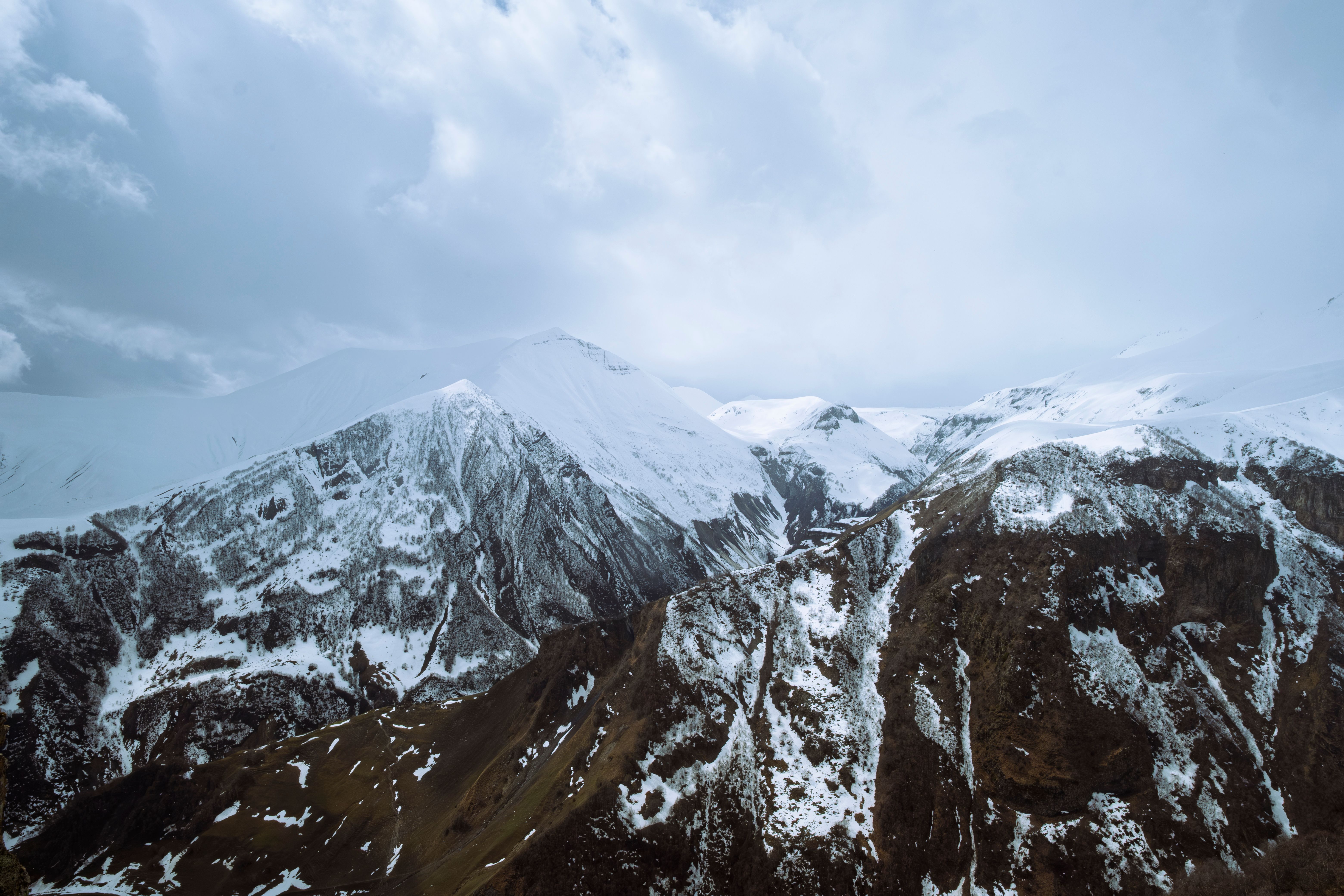
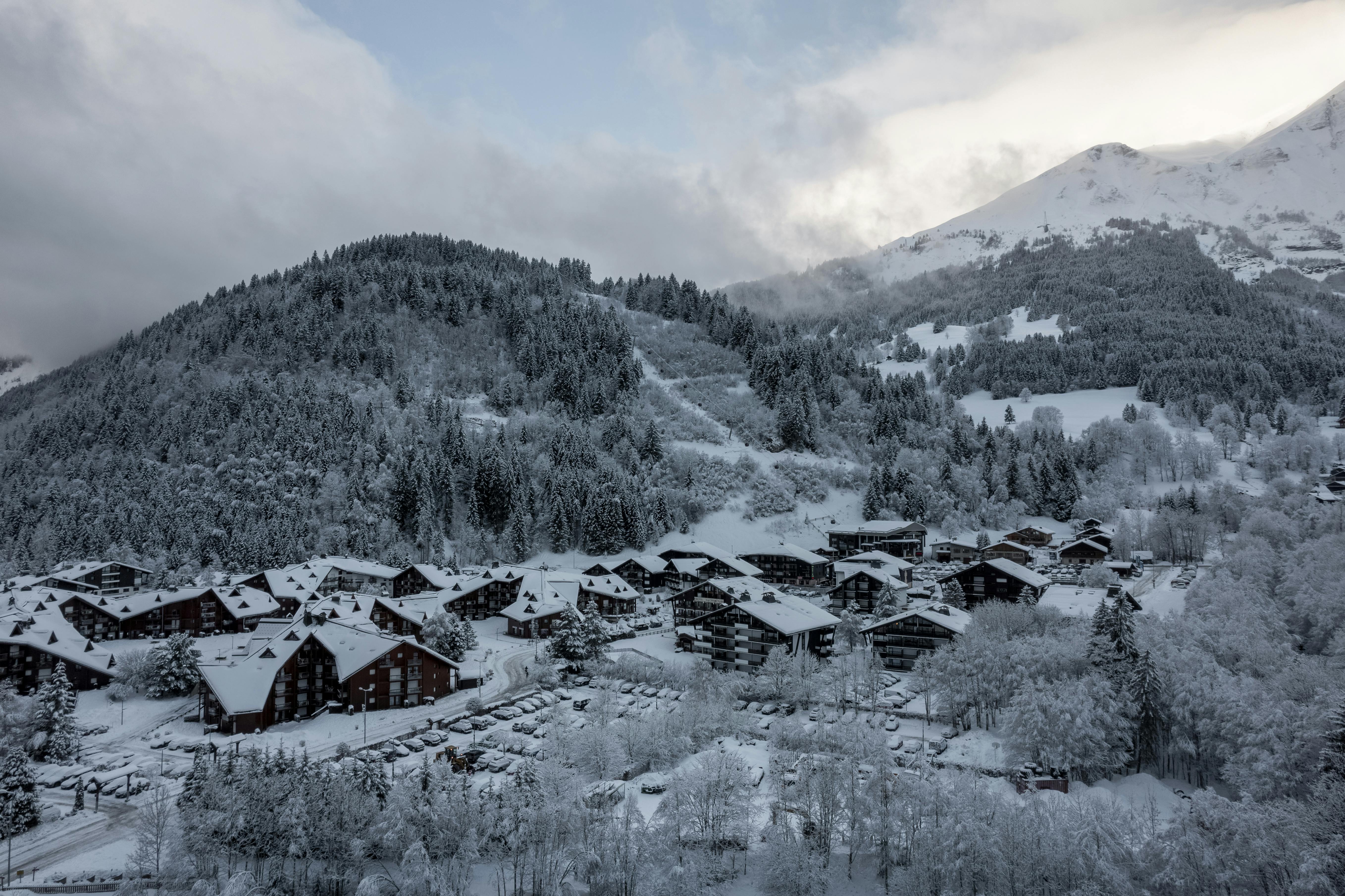
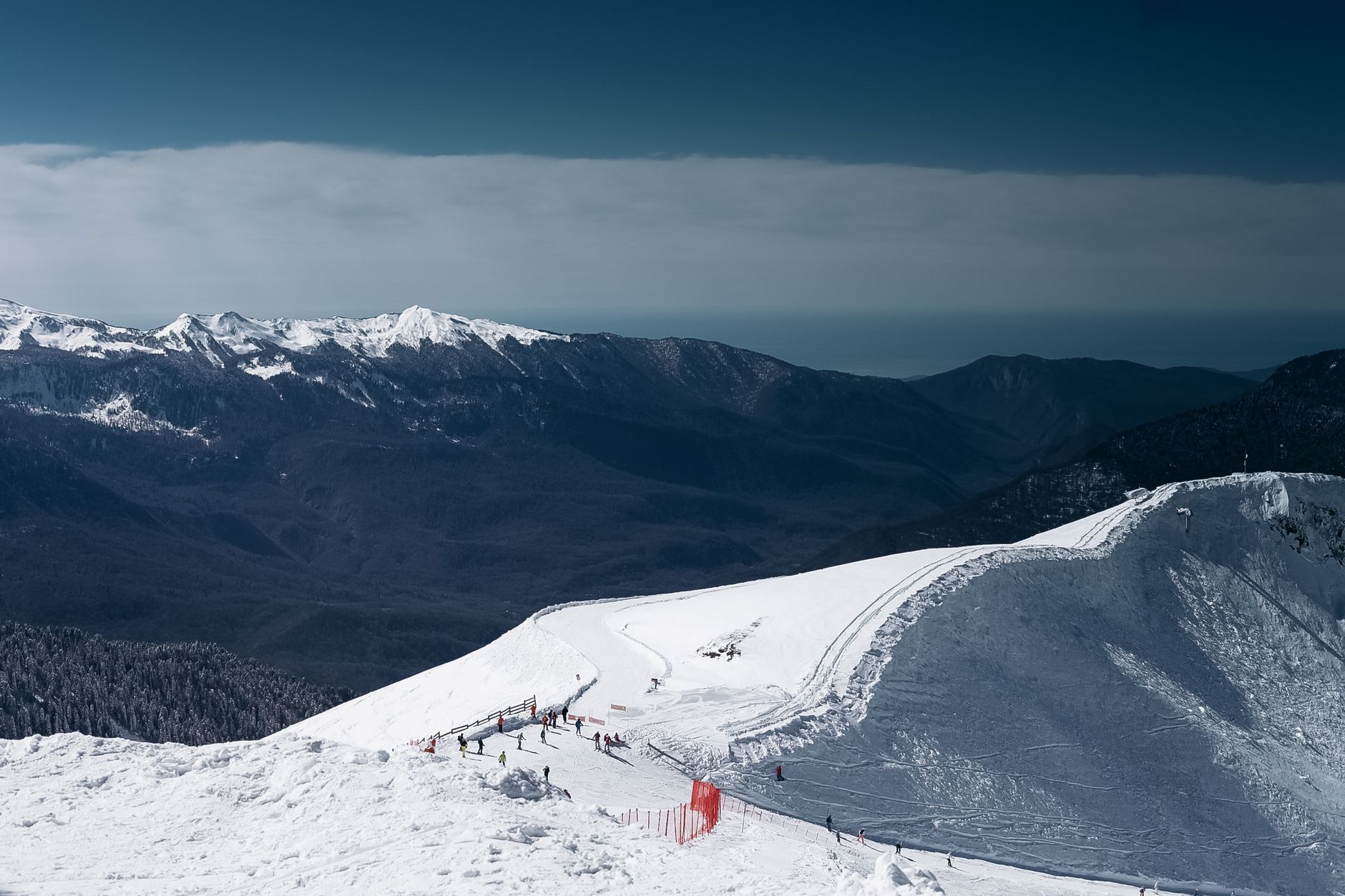
Short answer: Niseko wins for reliable powder, English-friendly service, and short flights from Asia. Hakuba wins for steeper terrain, lower prices, and an authentic Japanese village. Most serious skiers visit both — three days in Niseko for the snow, four in Hakuba for the vertical. Here's the head-to-head comparison for 2026 trip planning.
| Category | Niseko (Hokkaido) | Hakuba (Honshu) |
|---|---|---|
| Annual snowfall | 14–16 m | 11 m |
| Skiable area | 887 ha (4 linked resorts) | 920 ha (10 resorts) |
| Vertical drop (single mountain) | 1,062 m | 1,071 m (Happo-One) |
| Best for | Intermediate, tree skiing, beginners | Advanced + expert |
| 6-day lift pass | ¥38,000 (€235) | ¥34,000 (€210) |
| International visitors | ~50% | ~25% |
| Transfer from int'l flight | NRT/HND → CTS → 2.5 h bus | NRT/HND → 80 min Shinkansen → 1 h bus |
| Direct flights from Asia | Singapore, HK, Bangkok, Seoul | Via Tokyo only |
Jump to: Location · Terrain · Snow Quality · Difficulty · Village & Après · Costs · Which to Choose · Booking Tips · FAQ
Niseko sits at 42°N on Hokkaido, Japan's northernmost main island, around 100 km west of Sapporo. The resort is reached by a 2.5-hour bus or train transfer from New Chitose Airport (CTS), itself a 90-minute domestic flight from Tokyo Narita or Haneda. Direct international flights connect Sapporo to Singapore, Hong Kong, Bangkok, Seoul, and Taipei — making Niseko the more convenient choice for travellers from East and Southeast Asia.
Hakuba sits in Nagano Prefecture on Honshu, about 250 km northwest of Tokyo. The Hokuriku Shinkansen reaches Nagano station in 80 minutes from Tokyo, followed by a 60-minute bus to the Hakuba Valley. For European and North American travellers transiting through Tokyo, Hakuba is genuinely faster door-to-door than Niseko. Tokyo's two airports (NRT and HND) have far more direct international flight options than Sapporo.
Niseko United is a single linked area covering four resorts — Grand Hirafu, Hanazono, Niseko Village, and Annupuri — totalling 887 hectares served by 38 lifts. The summit reaches 1,308 m, with a lift-served vertical drop of 1,062 m. The terrain is overwhelmingly intermediate, with wide groomed pistes, gladed tree skiing, and several side-country gates that open the upper bowls to anyone carrying avalanche kit.
Hakuba Valley is 10 separate ski resorts sharing one lift pass — Happo-One, Hakuba 47, Goryu, Iwatake, Tsugaike, Cortina, and four smaller areas — connected by a free shuttle bus rather than direct lifts. The combined area is around 920 hectares with 200 km of pistes. Happo-One alone reaches 1,831 m with a 1,071 m vertical drop, the largest single-resort vertical in Japan, and was the host venue for the 1998 Nagano Olympic men's downhill.
This is where Niseko earns its reputation. Average annual snowfall is 14–16 metres of light, dry powder — among the highest of any major ski resort on earth. Siberian weather systems cross the Sea of Japan, pick up moisture, and dump it as fluffy interior-quality powder on Hokkaido. Storm cycles often bring 30 cm overnight, and entire weeks of continuous snow are common in January.
Hakuba averages 11 metres per season — slightly less, but still extraordinary by global standards. The lower latitude and continental positioning mean snowfall is more variable, with bigger storm systems and longer dry spells. When Hakuba is on, it is on; when it isn't, the steeper Honshu mountains can also get rain at lower elevations during warmer storms. Hokkaido is essentially storm-cycle reliable; Honshu has higher peaks but more variability.
Niseko's terrain rating is mostly intermediate, with steeper expert pitches concentrated on the upper Annupuri side and the side-country gates above Hirafu. The mountain is famous for its tree skiing — well-spaced birch forests that get tracked out by 11am on a powder day, but nothing too steep or dangerous. Off-piste avalanche risk exists but is low compared to alpine resorts.
Hakuba is significantly more demanding. Happo-One has serious black runs (Riesen Slalom, Kurobishi), ungroomed bowls above the treeline, and proper avalanche terrain that has taken lives in past seasons. The Hakuba backcountry is internationally renowned for steep tree skiing and couloir descents, but it requires guide services and serious avalanche awareness. For experts, Hakuba simply has more terrain.
Niseko Hirafu has been transformed by Australian and Singaporean investment over the past 20 years. The base village is now a modern resort destination with international restaurants, ski-in/ski-out luxury hotels, English-speaking staff, and prices to match. Some travellers find it too westernised — others appreciate the convenience after long flights from Australia or Europe. Onsens are still the highlight: most lodges have private hot spring baths, and public onsens like Yukoro stay open until midnight.
Hakuba retains a more traditional Japanese character. Echoland — the main entertainment area near Happo — has Japanese-style izakayas, ramen shops, and a handful of international bars. Visitors who want an authentic Japanese onsen village experience often prefer Hakuba; those who want easy access to international food and English service tend to gravitate to Niseko.
A 6-day Niseko All Mountain pass costs around ¥38,000 (€235), with single-day passes at around ¥7,300 (€45). Accommodation in Hirafu ranges from budget hostels at ¥8,000/night to luxury chalets above ¥80,000/night, with mid-range hotels around ¥20,000–¥35,000. Eating out adds €30–€60 per day per person.
Hakuba is around 15% cheaper across the board. A 6-day Hakuba Valley pass is approximately ¥34,000 (€210), single-day ¥6,500 (€40). Accommodation in Happo or Echoland averages ¥12,000–¥25,000 for mid-range options. Food prices are similar but slightly lower than Niseko.
For pure powder reliability and convenience for Asia-Pacific travellers, Niseko wins. The snow is more dependable, the international infrastructure is more developed, and direct flights from major Asian cities make it a viable 5-day trip.
For expert terrain, lower prices, and a more authentic Japanese mountain experience, Hakuba wins. The vertical drop is bigger, the steeper terrain is genuine, and the village culture has not been transformed by international tourism to the same extent. Hakuba also rewards travellers who are happy to combine skiing with side trips to Tokyo, Kyoto, and the Japanese cultural circuit.
Many serious skiers visit both — three days in Niseko for the powder, then four days in Hakuba for the terrain, with a Tokyo stopover in between. Niseko snowboard rentals and Hakuba ski rentals can be booked in advance to avoid arrival-day queues.
Niseko has wider, more gentle beginner runs and English-speaking ski schools at every base. Beginners typically learn faster in Niseko, particularly on the Hirafu and Annupuri lower slopes.
Late January through mid-February delivers the most reliable deep powder cycles in both Niseko and Hakuba. Early January and late February are also excellent. Avoid Christmas/New Year if you want to avoid the highest crowds and prices.
No. Both areas have free shuttle bus systems connecting accommodation to the lifts. A car is convenient for restaurant trips and onsen visits but not necessary for skiing.
Niseko gets significantly more international visitors — about 50% of guests are non-Japanese, primarily Australian, Singaporean, and Hong Kong residents. Hakuba is around 25% international, mostly from Asia and Europe.
For a single-resort trip, 5 ski days is the minimum to justify the long flight from Europe or North America — meaning a 7-night stay. For a combined Niseko-and-Hakuba trip, plan for 10 ski days plus 2 transit days (one to fly between Sapporo and Tokyo, one to bus from Tokyo to Hakuba). Add 2–3 days in Tokyo or Kyoto for the cultural side trip and the total comes to around 14 days door-to-door.
Yes. Niseko Grand Hirafu and Hakuba's Happo-One both offer night skiing (typically 17:00–21:00) during peak season — January through February. Floodlit pistes provide a unique experience, particularly after fresh snow. Night skiing is included with most multi-day lift passes; check the resort calendar for exact dates.
Both areas are excellent for families. Niseko has dedicated kids' ski schools at all four sub-resorts (Niseko International Snowsports School at Hirafu is the most popular). Hakuba's Goryu and Iwatake resorts offer beginner-friendly terrain plus dedicated kids' parks. Childcare is available at major hotels in both regions.
Japan is mid-range globally — cheaper than top Swiss/French resorts (Zermatt, Verbier, Val d'Isère) but more expensive than the Italian Dolomites or Eastern European resorts (Bulgaria, Slovakia). Expect to pay €150–€250/day all-in for accommodation + lift pass + meals + rental, plus the long-haul flight.

Leave a request and we'll send a personal offer for your dates. One window instead of ten tabs — gear, transfer and car sorted and confirmed in advance.