Vail is the largest ski mountain in Colorado and one of the biggest in North America — more than 5,200 acres of terrain across a groomed front side, seven legendary Back Bowls, and the powder of Blue Sky Basin. It sits on the Epic Pass, two hours west of Denver on Interstate 70, and pairs its skiing with a car-free, Bavarian-style village. Here is what the mountain is actually like, how the passes and rentals work, and how to get there.
| Vail at a glance | Detail |
|---|---|
| Location | Eagle County, Colorado, USA (Gore Range) |
| Skiable terrain | More than 5,200 acres — front side + 7 Back Bowls + Blue Sky Basin |
| Base / summit | ~8,120 ft (2,475 m) base, ~11,570 ft (3,527 m) summit |
| Vertical drop | About 3,450 ft (1,050 m) |
| Average snowfall | More than 350 inches (900 cm) a year |
| Lift pass | Epic Pass (Vail Resorts) |
| Nearest airports | Eagle County (EGE) ~35 mi; Denver (DEN) ~2 hrs |
| Best for | Intermediate–advanced skiers, big-mountain terrain, families |
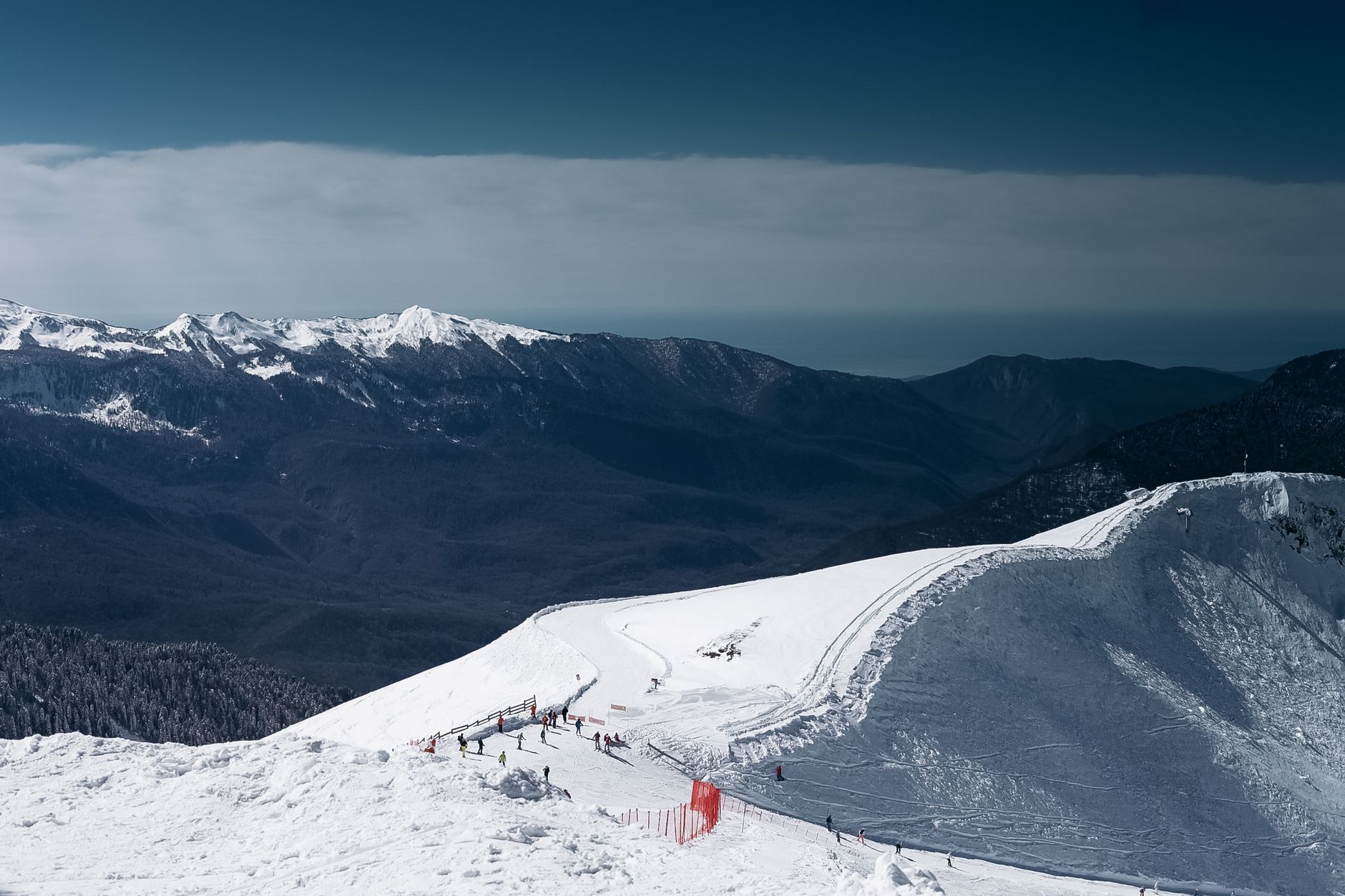
Vail's scale is the whole point. The front side, above Vail Village and Lionshead, is a wall of long, immaculately groomed blues and greens — some of the best beginner-to-intermediate cruising in Colorado, and enough of it that you rarely ski the same run twice in a morning. Gondola One, a heated 10-person gondola, lifts you out of the village toward Mid-Vail in a few minutes.
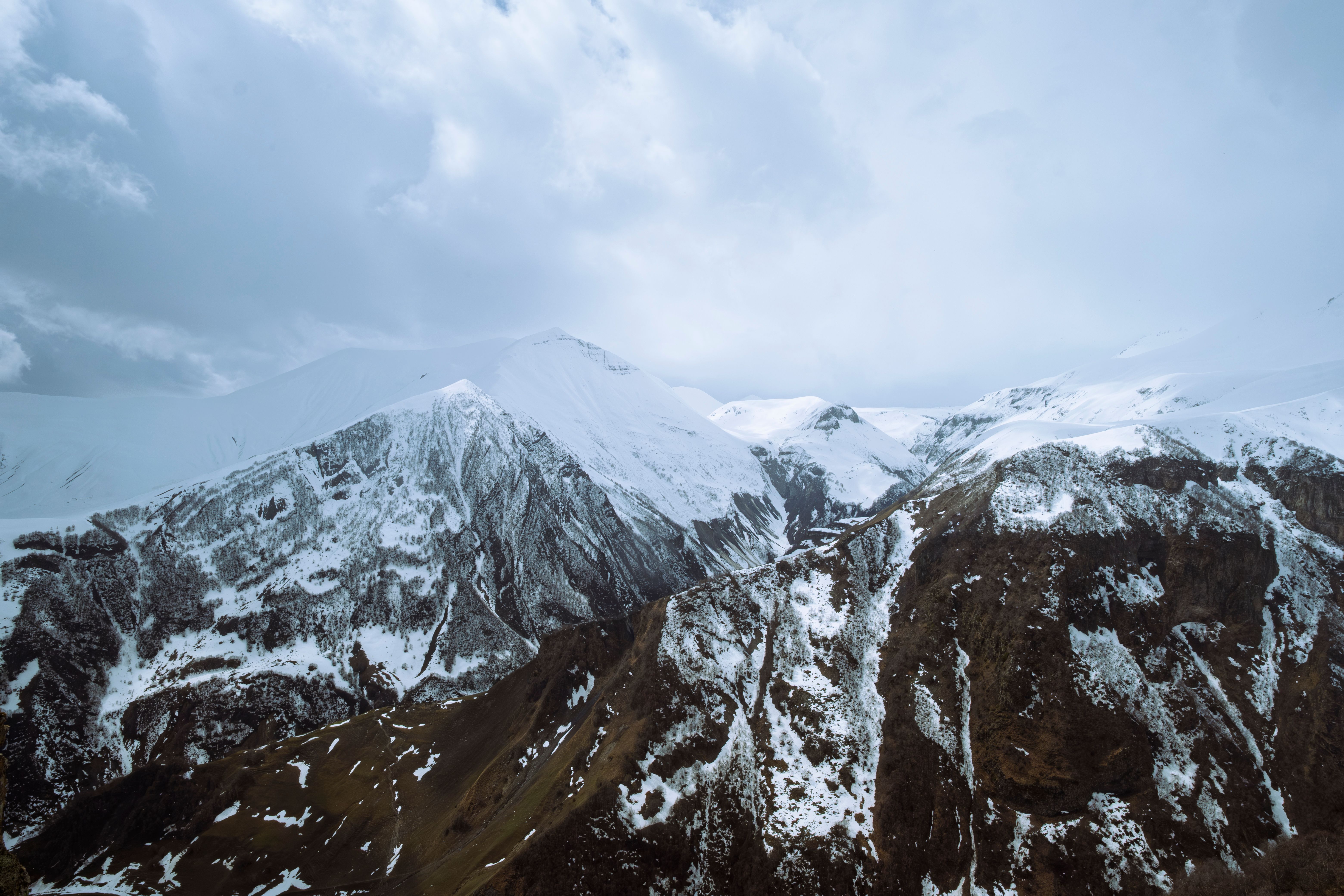
Over the back lie the seven Back Bowls — Sun Up, Sun Down, China Bowl and the rest — a vast, mostly treeless expanse that gives Vail its reputation. On a clear day after a storm this is some of the most accessible big-mountain terrain in the United States. Beyond the bowls, Blue Sky Basin adds gladed, north-facing tree runs that hold powder longer because they see less sun.
That spread makes Vail forgiving for mixed groups: beginners stay busy on the front side for days, while stronger skiers disappear into the bowls. If you are travelling with your own boots and want gear waiting on arrival, sorting ski rental in Vail before you fly saves both money and the first-morning queue.
By difficulty, Vail leans toward intermediate and advanced terrain, but its sheer size means there is still more genuine beginner mileage than at most resorts of its calibre. Families tend to base themselves around the front side and Lionshead, where the ski and snowboard school and children's facilities sit; the Adventure Ridge area at the top of the Lionshead gondola adds tubing, snowshoeing and dining that fill a non-skiing afternoon.
Vail is owned by Vail Resorts, and almost nobody pays at the ticket window if they can avoid it. Single-day peak-season window tickets are among the most expensive in the world and can top $250. Regular skiers instead buy an Epic Pass (or the cheaper, date-restricted Epic Local Pass), which covers Vail plus a long list of other resorts and pays for itself within a few days of skiing. If you are visiting for a single trip, buy the exact number of days you need online and well in advance — prices climb the closer you get to the date.
Rental is the other cost worth planning ahead. In-resort shops in Vail Village charge a premium for walk-ins; booking Vail ski and snowboard rental in advance locks in a lower rate and guarantees your size is in stock during busy holiday weeks.
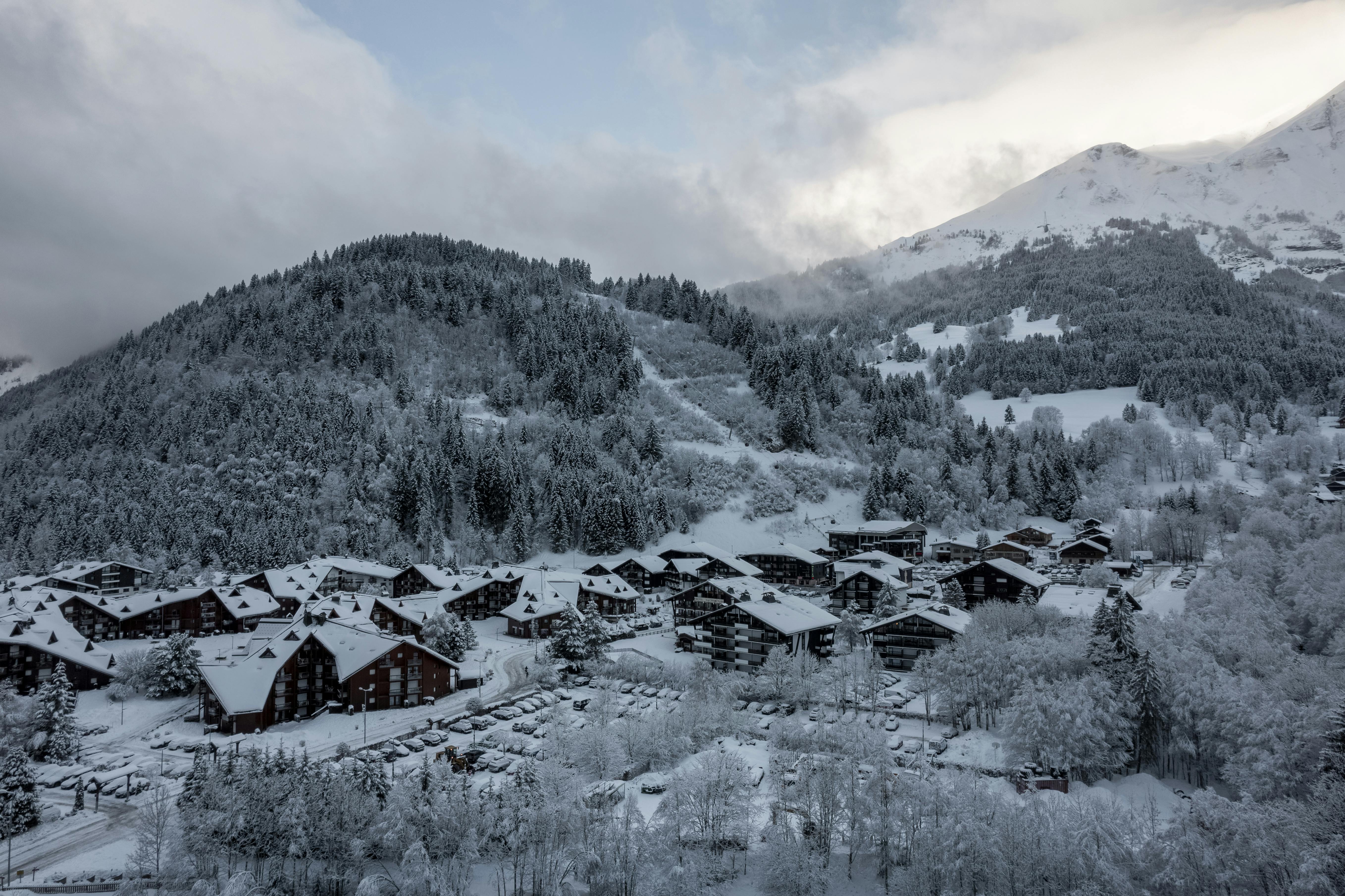
Vail has two pedestrian base villages. Vail Village, the original, was built in the early 1960s in a deliberately Bavarian style by founders including 10th Mountain Division veteran Pete Seibert, who had trained in these mountains during the war and wanted a European-style resort in the Rockies. It opened in 1962. Lionshead, a short walk or free bus ride west, is the more modern, family-oriented base. Both are car-free at their cores, with heated cobbled streets, ski-in/ski-out lodging, and the usual mix of restaurants, bars and rental shops.
Après-ski runs from slope-side patios in the afternoon to a genuinely lively bar scene in the evening. It is not a cheap town — Vail trades on being one of the most polished resorts in the country — but that village experience is a large part of what people come for.
Two airports serve Vail. Eagle County Regional (EGE) is about 35 miles (56 km) west and roughly 40 minutes by road — the closest option, with seasonal direct flights from several US cities. Denver International (DEN) is bigger and better connected, about two hours east along Interstate 70, though winter storms on Vail Pass can slow that drive considerably. Regular shuttle services run from both airports; if you rent a car, remember the village core is pedestrian and parking is paid.
Vail's season runs from roughly mid-November to April. January and early February deliver the coldest, driest powder and the fullest terrain, but also the busiest holiday crowds and the highest prices. Late season — March into April — trades some snow quality for longer, sunnier days, softer afternoon snow and spring events, and is often the better-value window. Whenever you go, weekdays are markedly quieter than weekends, when Denver day-trippers pour up I-70.
Vail does not shut down when the snow melts. The slopes reopen for hiking and lift-served mountain biking, and the valley floor holds two genuine Vail institutions: the Betty Ford Alpine Gardens, the highest botanical garden in North America, and the Gerald R. Ford Amphitheater, which hosts an outdoor concert and dance season through the summer. Crowds and prices both ease against peak ski weeks, making mid-summer a quieter, cheaper time to see the town.
Vail has more than 5,200 skiable acres, making it the largest ski mountain in Colorado and one of the largest in North America. The terrain splits into a groomed front side, seven Back Bowls, and Blue Sky Basin, with a vertical drop of about 3,450 ft (1,050 m).
Vail is on the Epic Pass, sold by Vail Resorts. Most visitors ski on an Epic or Epic Local Pass rather than paying single-day window rates, which are among the highest anywhere. Buy multi-day tickets online in advance for the best price.
Eagle County Regional Airport (EGE) is the closest, about 35 miles (40 minutes) west of Vail. Denver International (DEN) is around two hours east on I-70 and has far more flight options, but the drive can be slow in winter weather.
Yes. Vail's front side has an unusually large amount of long, gentle groomed terrain, so beginners and early intermediates can progress for several days without repeating runs. Stronger skiers in the same group head for the Back Bowls and Blue Sky Basin.
Vail typically opens in mid-to-late November and runs into April, snow depending. Early-season skiing concentrates on the front side, with the Back Bowls and Blue Sky Basin opening once they have enough cover.

Leave a request and we'll send a personal offer for your dates. One window instead of ten tabs — gear, transfer and car sorted and confirmed in advance.