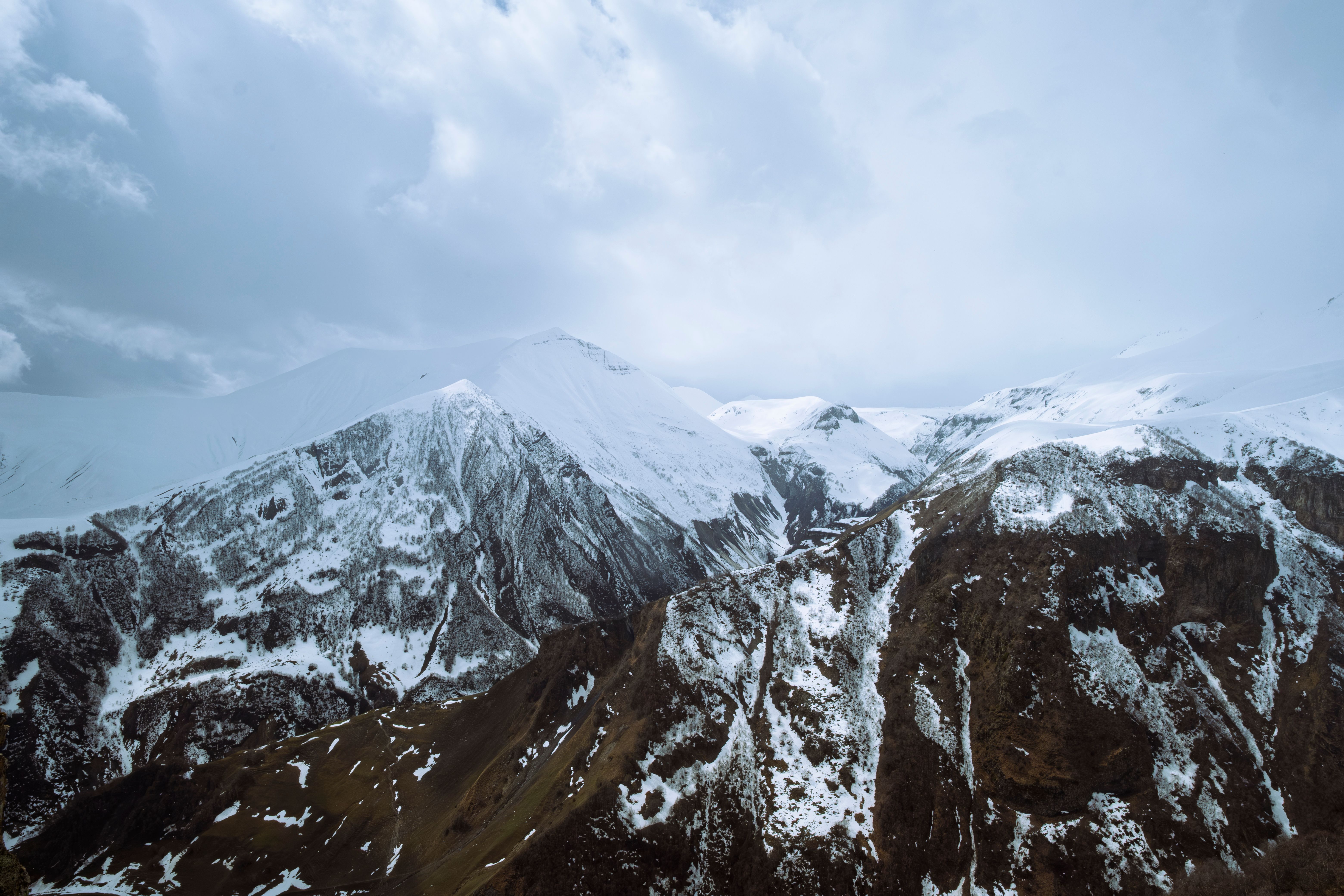
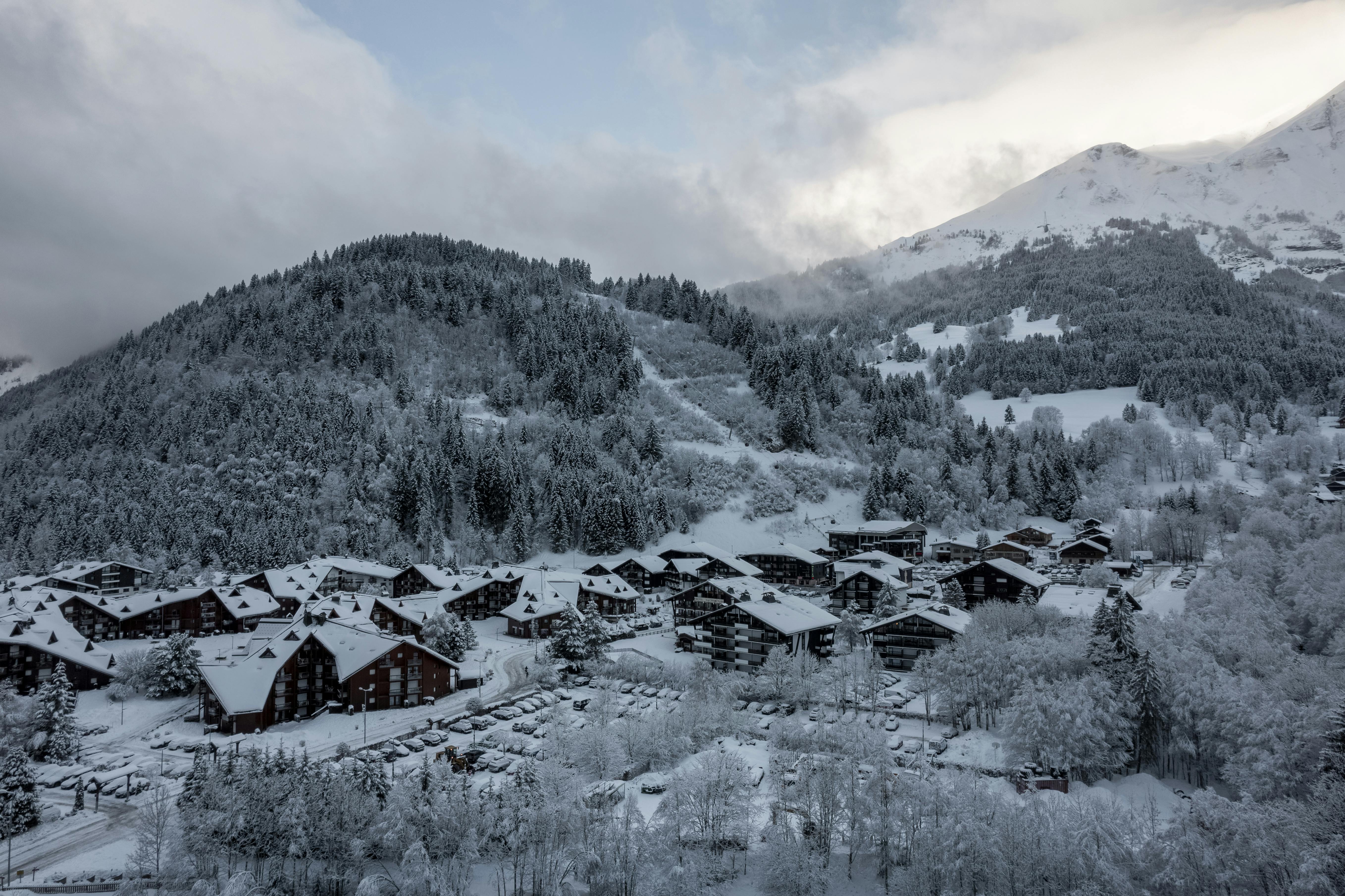
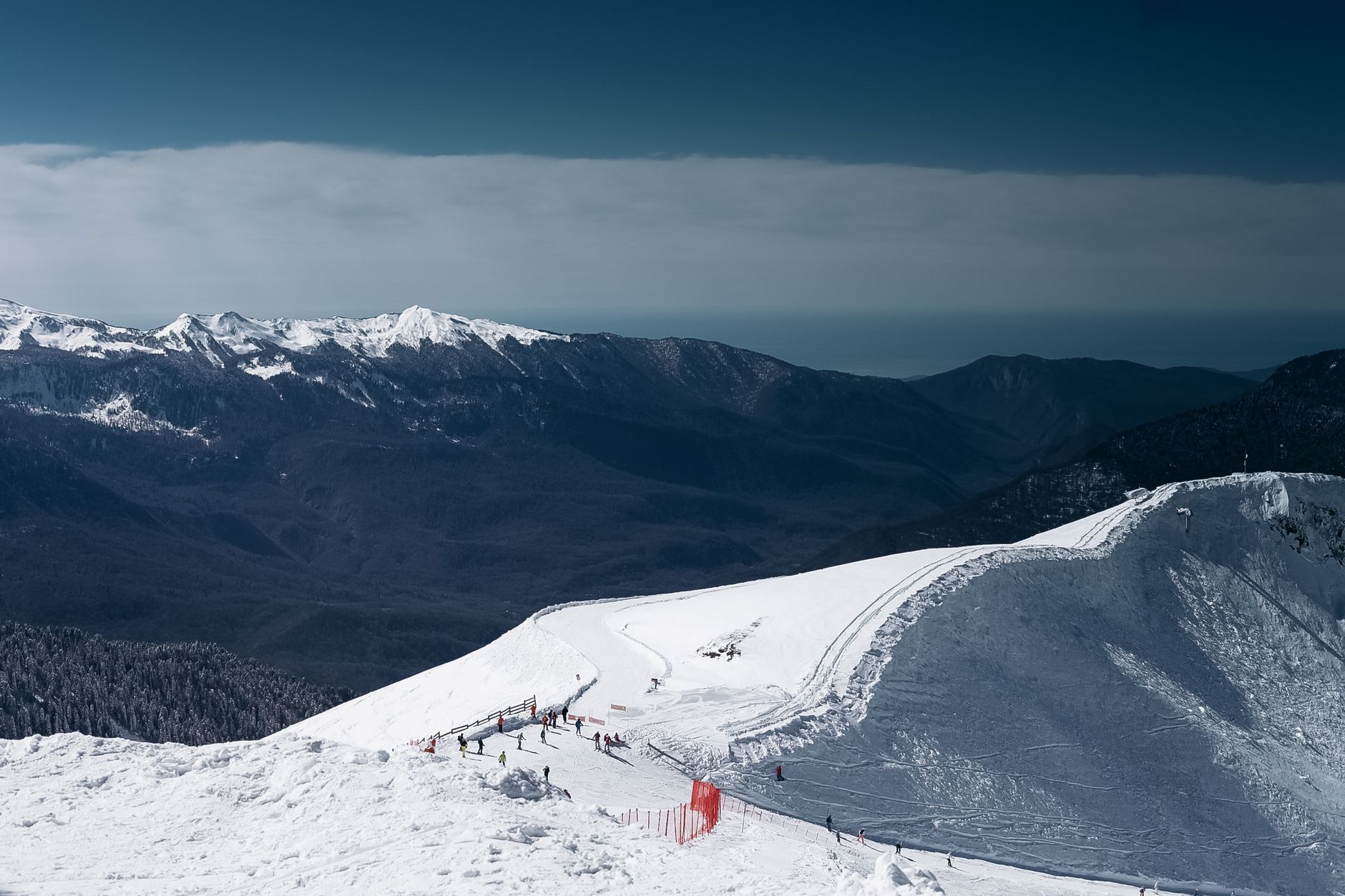
The wind howling off the Snake River Valley at -15°C is a feeling you never forget, but arriving without the right plan turns that thrill into a struggle for survival. I remember watching a family struggle to find a warm spot in Jackson Hole because they booked their stay during the peak holiday rush without checking the daylight hours or road closures. Timing your trip to Wyoming is not just about picking a date on a calendar; it is about aligning your expectations with the brutal beauty of the high plains. You need to understand the delicate balance between pristine powder, manageable crowds, and the sheer length of the days to avoid a trip defined by frustration rather than wonder.
Choosing the perfect window for your trip requires you to weigh three competing factors: snow quality, crowd density, and available daylight. These elements often pull in opposite directions, creating a complex puzzle for any traveler. When the snow is deepest and most reliable, usually in January and February, the temperatures plummet to dangerous lows, and the sun sets before 5:00 PM. Conversely, when the days are long and the air is crisp in late March, the snowpack can turn slushy or unpredictable, forcing you to wax your skis multiple times a day.
Most visitors prioritize snow above all else, but this often leads to overcrowded lifts and inflated prices at major resorts like Jackson Hole and Teton Village. If you are willing to sacrifice a few inches of base depth, you can find incredible conditions in the shoulder seasons where the lines are shorter and the lift tickets cost significantly less. For example, visiting in early December might offer thinner snow coverage, but you will likely pay 30% less for accommodations and encounter far fewer people on the slopes. The key is to decide which two factors matter most to your specific group before you book a single flight.
Early winter, spanning late November through mid-December, offers a unique blend of fresh powder and lighter crowds. The resorts are just opening their full terrain, and the snow often has that crisp, dry quality that skiers dream of. However, the weather is volatile, with sudden storms that can close roads and reduce visibility to near zero. You need waterproof layers and warm gloves, as the lack of a deep snowpack means the ground can still be biting cold if you fall. This period is ideal for value seekers who want to avoid the holiday price surges that hit hard in the final two weeks of the year.
Mid-winter, from late December to late February, represents the classic Wyoming winter experience with the coldest temperatures and the most consistent snowfall. This is peak season for powder chasers, but it also brings the most intense crowds and the shortest daylight hours. Temperatures can drop to -25°C, requiring serious gear like heated insoles and high-quality face layers. If you choose this window, expect to pay premium rates for lift tickets and lodging, with prices at popular spots like Jackson Hole reaching USD 185 per day for adults. The trade-off is undeniable: you get the deepest base and the most reliable conditions, but you must be prepared for the cold and the chaos.
Late winter and early spring, from mid-March through April, offer longer daylight hours and warmer temperatures that make for a more relaxed experience. This period is perfect for families and beginners who want to enjoy the slopes without the fear of freezing. The snow becomes mixed, often transitioning from powder in the morning to slush by the afternoon, which requires a different waxing strategy. While the crowds remain high during spring break, the shoulder weeks in early April can be surprisingly quiet. You can often find deals on equipment rentals and even last-minute lift tickets as resorts try to fill capacity before the season closes.
Gear is the silent budget killer that can ruin an otherwise perfect trip if not planned correctly. Many travelers underestimate the importance of proper equipment in Wyoming's harsh environment, leading to cold toes, fogged goggles, and ruined days. The decision to rent or buy depends largely on your skill level and how often you ski. If you are a casual skier who hits the slopes a few weeks a year, renting high-quality local gear is almost always the smarter financial choice. It allows you to access the latest technology without the upfront cost and storage hassle. For frequent riders who know their exact preferences, buying can make sense, but you must ensure your gear is tuned for the variable conditions found in the Rockies.
Before you lock in your gear strategy, consider these specific tips to ensure comfort and safety on the mountain:
Traveling to Wyoming does not have to break the bank if you approach it with a strategic mindset. One of the most effective ways to save money is to travel midweek, as lift tickets and accommodation rates often drop by 20-30% from Tuesday to Thursday compared to weekends. Major resorts like Jackson Hole and Grand Targhee see a significant surge in visitors on Fridays and Sundays, driving up prices for everything from parking to après-ski drinks. By shifting your itinerary to the middle of the week, you not only save money but also enjoy shorter lift lines and a more relaxed atmosphere on the slopes.
Another crucial strategy is to stay close to your main activity to reduce transportation costs and time. Wyoming's vast distances mean that driving between towns can consume hours of your day and hundreds of dollars in fuel. For instance, staying in the town of Jackson rather than driving 45 minutes from the outskirts can save you roughly EUR 12 per day in gas and wear on your rental car. Planning your equipment early with services like GetSki can also prevent last-minute markups, which are common during peak demand periods. Finally, choose one paid highlight per day, such as a guided tour or a special dining experience, and fill the rest of your time with free scenery like hiking trails or public viewpoints.
A well-structured itinerary is essential for maximizing your time in Wyoming, where weather can change rapidly and road conditions can be unpredictable. Start your trip with an arrival day focused on acclimatization and gear checks. This allows you to settle into your accommodation, test your equipment, and take an easy evening walk to get a feel for the local environment. On day two, dedicate the full day to your main snow activity, ensuring you have a warm lunch and a sunset viewpoint to cap off the day. This balance of activity and relaxation helps prevent burnout and keeps your energy levels high.
Day three should be a scenic loop or a snowshoeing day, with an indoor backup plan in case of bad weather. This flexibility is key in Wyoming, where storms can roll in unexpectedly. On day four, return to the slopes for a second snow day, perhaps including a lesson or a skill session to refine your technique. Finally, day five should be a short morning activity followed by a departure buffer to account for any travel delays. This structured approach ensures you get the most out of your trip while maintaining a safety margin for the unpredictable elements of the mountain.
No, the ideal time varies based on your specific goals. If you prioritize deep powder and classic winter conditions, mid-winter is best despite the crowds. For those seeking value and fewer people, early or late winter offers better deals. Families might prefer the longer days of early spring for a more relaxed pace.
GetSki simplifies the process by allowing you to compare trusted ski and snowboard equipment for rent or purchase. This ensures you match your gear to the specific conditions you will face in Wyoming, avoiding overspending on unnecessary rentals or buying ill-fitting equipment.
Peak season brings the highest prices, the most crowded lifts, and the shortest daylight hours. Additionally, extreme cold and heavy snow can lead to road closures and lift shutdowns, which can disrupt your itinerary if you haven't built in buffer time.
Your trip to Wyoming will be defined by how well you prepare for the elements. The best time to visit is simply the window that aligns with your personal priorities, whether that is snow quality, budget, or family comfort. Do not let the complexity of the weather or the cost of gear deter you; instead, plan your layers, secure your equipment early with GetSki, and build flexibility into your schedule. By doing so, you transform a potentially chaotic experience into a confident, memorable adventure. Remember to check local road conditions daily and always have a backup indoor plan, because in Wyoming, the mountain always has the final say.
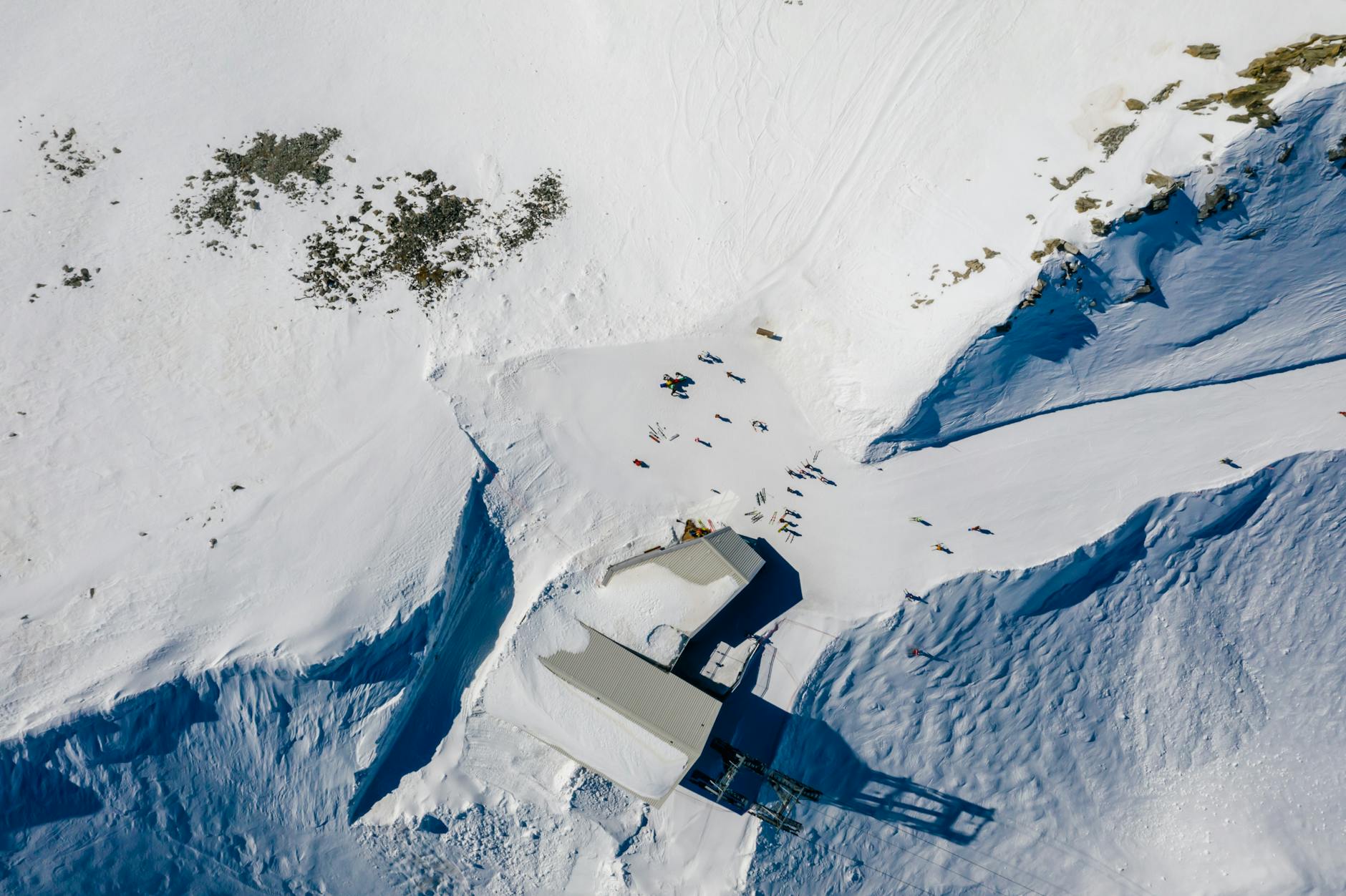
Leave a request and we'll send a personal offer for your dates. One window instead of ten tabs — gear, transfer and car sorted and confirmed in advance.