I remember standing on a windswept cliff in Lofoten at 11:00 PM, watching the sun dip below the horizon only to rise again an hour later. That surreal twilight, where shadows stretched impossibly long across the water, convinced me that timing is everything in this Nordic kingdom. It wasn't just the scenery; it was the realization that a single month's shift in my itinerary could mean the difference between a packed trail and a solitary fjord walk.
Norway's geography creates a dramatic split between the Arctic north and the milder south, making the May to September window a complex puzzle of light and temperature. In the far north, specifically above the Arctic Circle, the concept of "night" dissolves entirely during mid-summer. From late May through early July, travelers in Tromsø experience the Midnight Sun, where the sky never fully darkens, offering roughly 24 hours of usable daylight. This phenomenon allows for hiking or driving at 2:00 AM without a headlight, a freedom that reshapes your entire daily rhythm.
Conversely, the southern regions like Oslo and Stavanger operate on a more traditional schedule, though days remain exceptionally long. By June, daylight stretches to nearly 19 hours, with the sun setting as late as 23:00. Temperatures in Oslo typically hover around 17.5 °C in July, but the weather remains notoriously fickle. A morning might start with clear skies, only to be interrupted by a sudden, heavy downpour by noon. This volatility means that packing layers is non-negotiable; a waterproof shell is often more valuable than a heavy winter coat during these months. The transition into September brings a rapid cooling, with temperatures in Bergen dropping to approximately 11.2 °C, while daylight hours shrink to about 13 hours, signaling the approach of the darker autumn season.
The sheer popularity of Norway during the summer months drives a significant surge in accommodation and transport costs, creating a financial tightrope for budget-conscious travelers. July and August represent the absolute peak, where hotel rates in Oslo can skyrocket to an average of EUR 195 per night. In popular destinations like Geiranger or the Lofoten Islands, securing a room often requires booking months in advance, with prices for a standard cabin reaching USD 245 during the height of the season. This influx of tourists also congests popular hiking trails, turning serene paths into crowded thoroughfares that lack the solitude many seek in the Norwegian wilderness.
However, the shoulder seasons of May, June, and September offer a strategic alternative for those willing to trade a few degrees of warmth for substantial savings and quieter surroundings. During these months, flight prices from London to Oslo can drop by 14.8% compared to July rates, often bringing round-trip tickets down to approximately EUR 108. Accommodation costs in Tromsø decrease by roughly EUR 52 per night during May, making a weekend getaway significantly more affordable. Major rental car companies like Hertz, Sixt, and Enterprise often adjust their dynamic pricing models during these periods, offering daily rates as low as EUR 29 for a compact SUV. Travelers who avoid the August rush can also find better availability for popular activities, such as fjord cruises, without the need to book six months ahead.
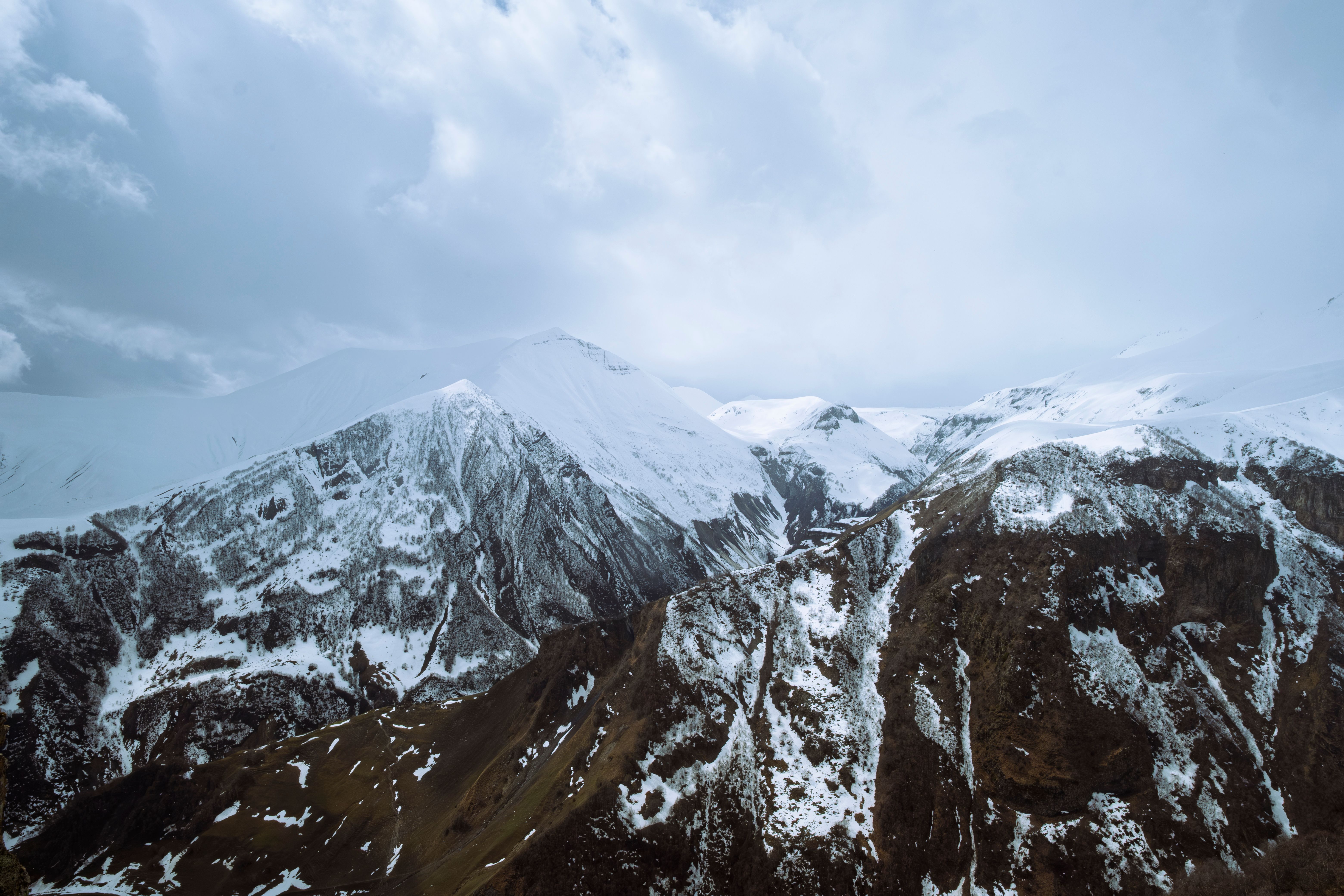
Your choice of activity should dictate your travel dates, as the Norwegian landscape transforms dramatically from month to month. If your passion lies in high-altitude hiking, June and July are the prime windows. During this time, the snow has mostly melted from the lower trails in Jotunheimen, allowing access to peaks that remain inaccessible until late August in other parts of the country. The elevation gain on popular routes like the Galdhøpiggen climb averages 1,280 meters, and the extended daylight allows hikers to summit and descend safely without the pressure of a setting sun. However, hikers must still be prepared for sudden weather changes, as afternoon storms can develop rapidly even in the height of summer.
For those interested in wildlife spotting or photography, late May and early June offer unique opportunities before the peak tourist crowds arrive. The midnight sun illuminates the landscape in a golden, ethereal light that photographers dream of, while the tundra is just beginning to bloom with wildflowers. In contrast, September is the ideal time for aurora hunters who want to avoid the freezing temperatures of deep winter. While the aurora is technically visible from September to April, September offers milder temperatures, with averages around 9.3 °C in northern regions, and a higher probability of clear skies before the winter cloud cover sets in. Boat tours in the fjords are also more comfortable in September, as the water remains warm enough for short excursions, and the autumn colors on the cliffs provide a stunning backdrop for photography.
Norway is not a monolith; the experience varies wildly depending on whether you are in the south, the deep north, or the inland fjord regions. Southern Norway, including cities like Stavanger and Bergen, enjoys a milder climate with a spring that begins in earnest by April. By May, these areas are lush and green, with temperatures reaching 13.4 °C, making them perfect for city exploration and coastal walks. The fjords, however, require a specific timing strategy. While they are accessible year-round, the best time to cruise the Geirangerfjord is from late June to August, when the water levels are stable, and the operators like Fjord1 run their full schedules with tickets averaging USD 82 for a four-hour excursion. The sunsets in mid-July linger over the cliffs, creating a magical atmosphere that is hard to replicate in other seasons.
Traveling to the northern regions, such as the Lofoten Islands or the Arctic Circle, demands more preparation and a different mindset regarding weather and road conditions. Driving the Atlantic Road in May can still involve encountering lingering snow patches on the higher mountain passes, necessitating the use of snow chains, which many rental agencies like Localrent provide for an additional EUR 14 per day. The 8-hour drive from Bodø to the northernmost points covers approximately 115 km of dramatic coastal scenery, but road closures due to late-season snow are not uncommon. In contrast, mid-winter in the north offers a completely different experience, with coastal towns like Ålesund enjoying sea-temperature moderation that keeps averages around 5.8 °C in February. This makes winter kayaking a viable option, with local rentals costing EUR 26 per day, significantly cheaper than the summer rates of EUR 58. The contrast between the sunny, bustling south and the icy, serene north allows travelers to tailor their trip to their specific preferences for climate and activity.
Arriving at Oslo Gardermoen Airport sets the tone for your journey, with a choice of transport options that vary widely in cost and convenience. The airport is located 47 km north of the city center, and while a taxi offers a quick 30-minute ride for approximately USD 95, it is not the most budget-friendly option for solo travelers. The Flytoget airport express train is a reliable alternative, costing EUR 13 and taking just 19 minutes to reach Oslo Central Station, making it a favorite for those with heavy luggage. For those on a tighter budget, the Vy bus service takes about 45 minutes but costs only EUR 11, with frequent departures throughout the day. Public transport in Norway is highly efficient, running like clockwork even in remote areas, which can save travelers a significant amount of money compared to renting a car immediately upon arrival.
Once you are settled, the decision between renting a car and using public transport depends largely on your itinerary. For a road trip along the fjords or a tour of the Lofoten Islands, a rental car is essential. Companies like Enterprise, Hertz, and Sixt offer SUVs for around EUR 54 per day, including unlimited mileage up to 360 km, which is crucial for covering the vast distances between attractions. GPS units are often available for an extra USD 8 per day, a small price to pay for navigating the winding mountain roads. Alternatively, the train network connects major hubs like Oslo, Bergen, and Trondheim with scenic routes that offer panoramic views of the landscape. The Bergen Line, for instance, covers 500 km in 6.5 hours for a standard class ticket of EUR 71, allowing you to spot wildlife and enjoy the scenery without the stress of driving. Night trains can also save on accommodation costs, reducing your total travel budget by up to 28% by eliminating one night's hotel stay.
Smart planning can significantly reduce the overall cost of a trip to Norway, allowing you to allocate more of your budget to experiences rather than logistics. One of the most effective strategies is to book your travel components well in advance. Flights and rental cars often see price increases as the travel date approaches, so securing these bookings at least 45 days ahead can lock in lower rates. Additionally, using comparison platforms like Rentalcars.com can reveal price discrepancies between major providers, often saving you several euros per day on car rentals. For example, a compact car from Enterprise might be EUR 3 cheaper per day than a similar model from Sixt during the shoulder season, adding up to significant savings over a week-long trip.
Another crucial tip is to leverage the free cancellation policies offered by many booking platforms. Services like Booking.com and Expedia often allow free cancellation up to 24 hours before your stay, providing flexibility if your plans change due to weather or other unforeseen circumstances. This safety net is invaluable in a country where weather can be unpredictable. Furthermore, consider traveling during the "shoulder" weeks of late May or early September, when prices for flights and accommodation drop by an average of 13.6% compared to the peak summer months. By combining these strategies, you can enjoy a luxurious Norwegian experience without breaking the bank, ensuring that your trip is both memorable and financially sustainable.
Yes, May is an excellent time for hiking in southern Norway, as the snow has mostly melted from lower elevations. However, in the north and on high mountain peaks, snow may still persist until late June, so check local trail conditions before planning your route.
During peak season (July and August), a compact car rental averages EUR 45 per day, while an SUV can cost up to EUR 65 per day. Prices are significantly lower in May and September, often dropping to EUR 28 per day for similar vehicles.
Yes, booking at least three months in advance is highly recommended for July, as hotels and cabins in popular areas like Lofoten and Geiranger fill up quickly. Last-minute bookings often result in limited availability and higher prices.
Yes, September is one of the best months to see the Northern Lights, as the nights are getting darker and the weather is still relatively mild. The probability of seeing them increases as the month progresses, with clear skies being the main factor.
The train is often considered the best way to travel between Oslo and Bergen, offering scenic views of the mountains and fjords. The journey takes about 6.5 hours and costs around EUR 71, whereas driving takes longer and can be more expensive due to fuel and tolls.
Planning a trip to Norway requires balancing the desire for perfect weather with the realities of crowds and costs. By targeting the shoulder seasons of May, June, or September, you can enjoy the stunning landscapes with fewer people and lower prices. Always check the weather forecast and road conditions before heading out, especially if you are driving in the north. Secure your rental car with a free cancellation policy at least 30 days in advance to lock in the best rates and maintain flexibility. This simple step can save you hundreds of euros and ensure a stress-free adventure in one of the world's most beautiful countries.

Leave a request and we'll send a personal offer for your dates. One window instead of ten tabs — gear, transfer and car sorted and confirmed in advance.