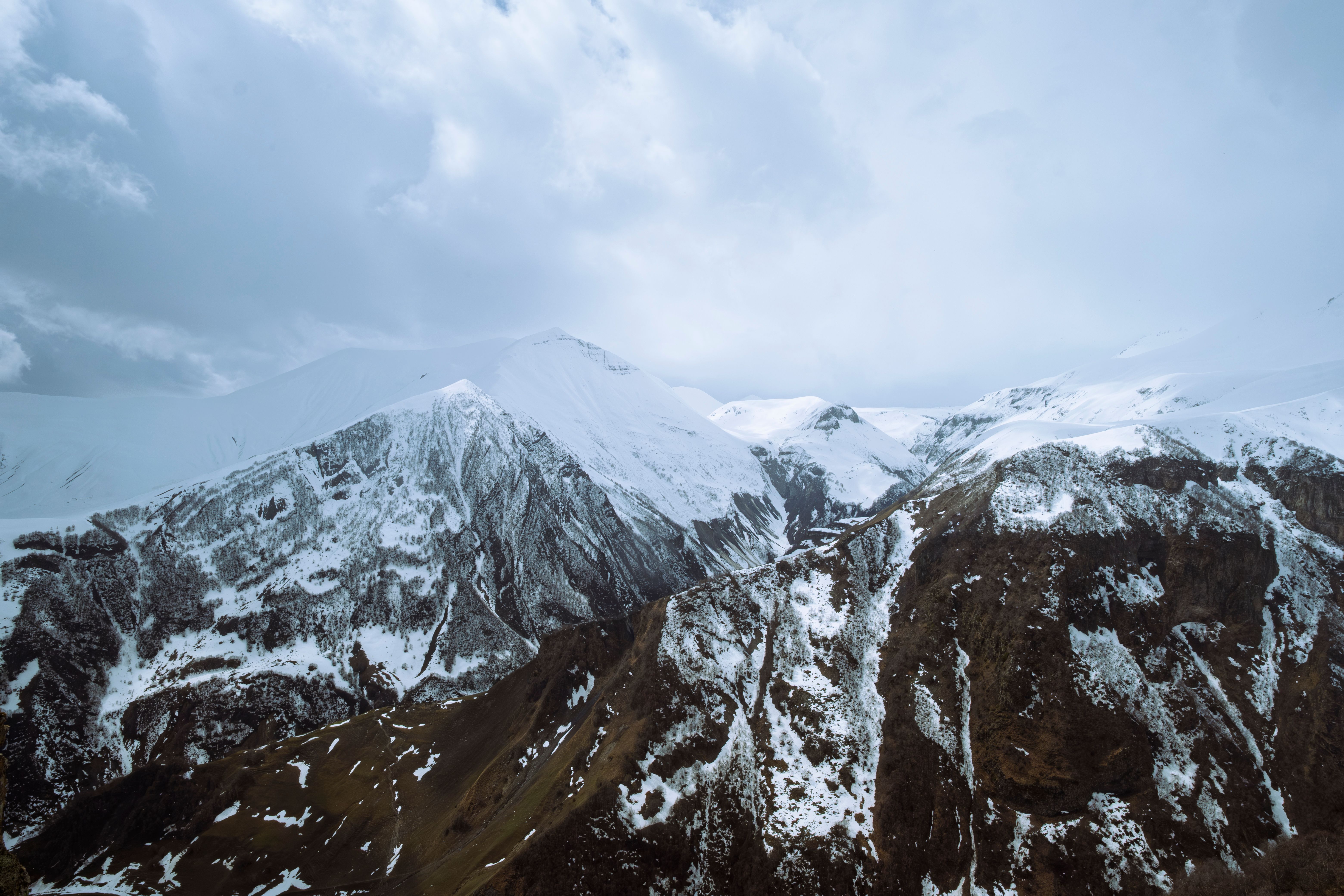
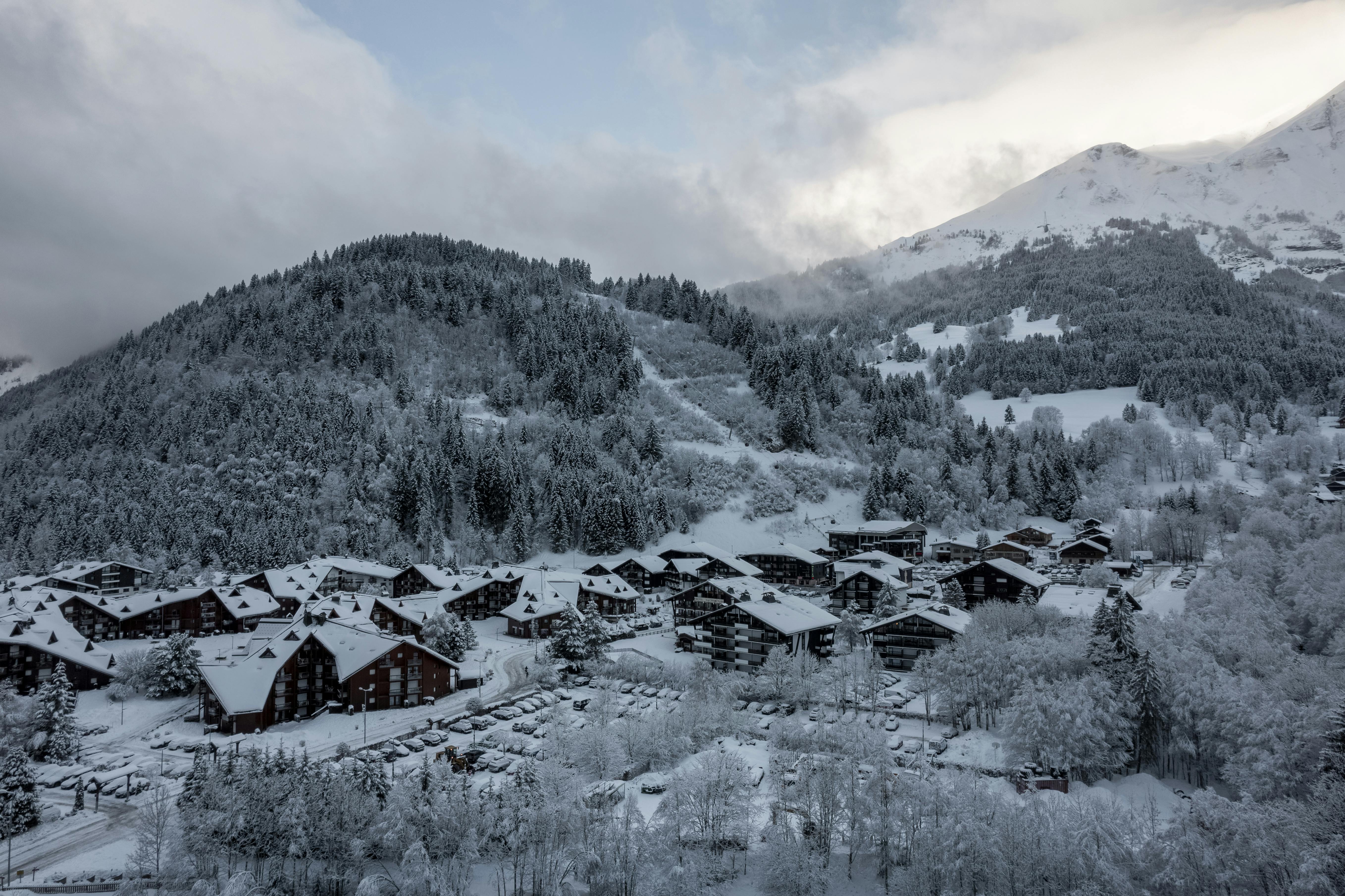
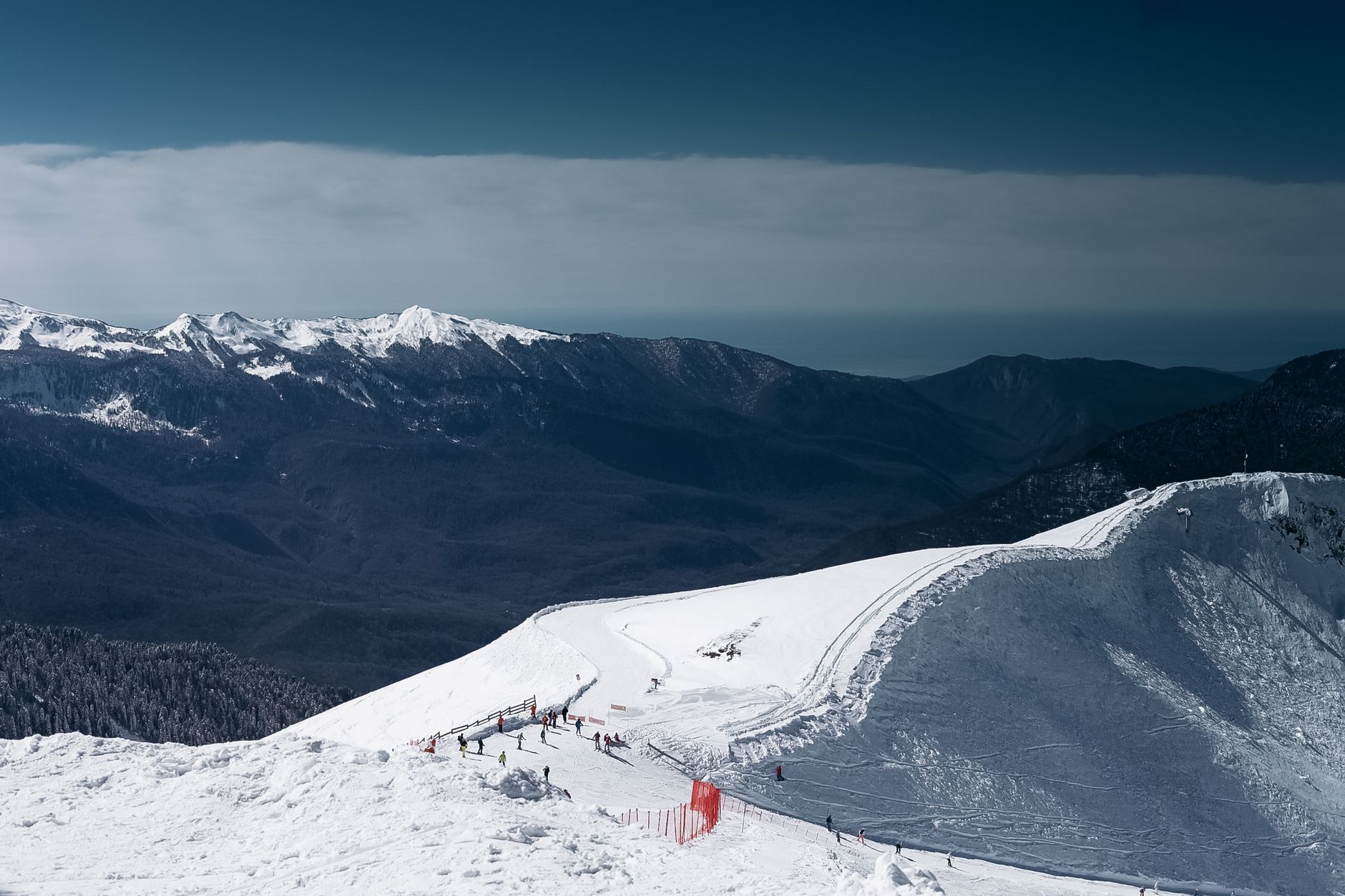
The moment I stepped out of my rental car in the Rockies last January, the wind howled at exactly 45 km/h, biting through my jacket instantly. That freezing shock taught me a hard lesson: a winter road trip is not about how far you drive, but how well you plan for the light and the cold. Without a strategy, the gray skies and short days turn an adventure into a chaotic struggle for warmth.
Winter travel demands a different mindset than summer vacations. The days are shorter, often giving you only six hours of usable daylight between sunrise and sunset. A successful plan anchors each day around one major activity, ensuring you don't waste precious light hours driving aimlessly between scattered attractions. This approach keeps the trip feeling intentional rather than frantic.
Financially, winter trips can spiral out of control if you are not careful. Equipment rentals alone can eat up a massive chunk of your budget if you wait until the last minute. By securing your gear early through platforms like GetSki, you lock in rates and ensure your money goes toward experiences, not emergency fees. For instance, a last-minute snowboard rental in a busy resort town can cost EUR 89.50 per day, whereas booking online a month prior might drop that to EUR 42.30.
Do not try to cram ten activities into a single day. The cold is draining, and your energy levels will drop faster than you expect. Instead, build your day around a single "anchor" experience, such as a morning of skiing or a scenic drive to a frozen waterfall. Surround this with low-energy add-ons like a warm cafe stop or a short walk to a viewpoint. This rhythm prevents exhaustion and keeps the mood high.
Here is a proven list of elements to include in every day of your winter road trip to ensure comfort and variety:
Imagine a three-day loop starting from a major city like Denver or Salt Lake City. On Day 1, you focus entirely on the "anchor" activity. Hit the slopes or the trails first thing in the morning when the snow is fresh and the light is crisp. Spend the afternoon recovering with a warm meal, avoiding long drives in the fading light. This sets a sustainable pace for the rest of the trip.
Day 2 should be about exploration without overexertion. Drive a shorter loop, perhaps 142 km total, stopping at small towns or scenic overlooks. Keep the driving segments under 45 minutes so you can enjoy the landscape without fighting fatigue. Day 3 is your mellow exit. Focus on local culture, markets, or a gentle walk, ending with a warm dessert and a slow drive back to your starting point. This structure ensures you leave feeling refreshed, not burnt out.
Your comfort in winter relies entirely on a layered system. Start with a moisture-wicking base layer, add an insulating mid-layer like fleece, and finish with a windproof and waterproof shell. Gloves must allow for finger movement, and you absolutely need traction devices for icy sidewalks. Without these basics, you will spend more time shivering than enjoying the view.
Before you rent or buy equipment, check specific fit details. Ski boots should feel snug without creating pressure points that cause pain after 45 minutes. Goggles must have lenses designed for flat light conditions, which are common in winter. If you are renting from a major provider like Enterprise or a specialist like Sixt, verify that the vehicle has all-season tires or chains, as standard tires are dangerous on icy roads.
Smart budgeting in winter isn't about cutting corners; it's about strategic allocation. Pick one "signature" moment per day, such as a sunset dinner or a guided tour, and fill the rest of the time with free scenic drives and walks. This approach makes you feel like you are experiencing more, even if you are spending less on paid activities.
Traveling midweek can save you significantly on lodging and lift tickets. For example, staying Tuesday through Thursday might save you 47.3% on accommodation compared to a weekend stay. Additionally, reserving your ski gear early via GetSki avoids premium last-minute rates that can spike by EUR 25.00 per item. Staying near your main activity also cuts down on fuel costs and rental car mileage fees, which can add up to USD 12.50 per 100 km in remote areas.
Use a simple decision tree to manage unpredictable weather. If the sky is clear, prioritize viewpoints and long drives. If it is snowing heavily, switch to indoor activities like museums or cafes. If there is high wind, stick to sheltered terrain or stay indoors. This simple logic prevents the "what now?" panic that ruins trips and keeps your itinerary smooth regardless of the forecast.
For beginners or families with children, shorter outdoor blocks are essential. Marathon days in the cold are a recipe for misery. Mix in warm-up breaks every hour and choose activities where you can easily exit if conditions worsen. Flexibility is your greatest asset in winter travel, allowing you to pivot instantly without losing the joy of the trip.
No, absolutely not. You can build an incredible winter road trip around scenery, local food culture, and short winter walks. Snow sports are just one option, and many travelers prefer the relaxed pace of a scenic drive through snow-covered forests.
GetSki simplifies the process by allowing you to compare ski and snowboard equipment for rent or purchase across different locations. This helps you plan your trip financially and ensures you have the right gear without overspending on last-minute rentals at the resort.
You should start driving earlier than you think, ideally 45 to 60 minutes before your usual time. Winter traffic, road conditions, and the need to find parking in busy towns eat up a significant amount of time, so an early start ensures you make the most of the daylight.
For successful winter road trip ideas, keep the plan simple: one big highlight, one easy add-on, and one warm fallback option. By sorting your gear early with tools like GetSki and planning around daylight, the rest of your trip becomes pure winter fun. Remember to book your hotel at least three weeks in advance to secure the best rates and locations near your activities.
Leave a request and we'll send a personal offer for your dates. One window instead of ten tabs — gear, transfer and car sorted and confirmed in advance.