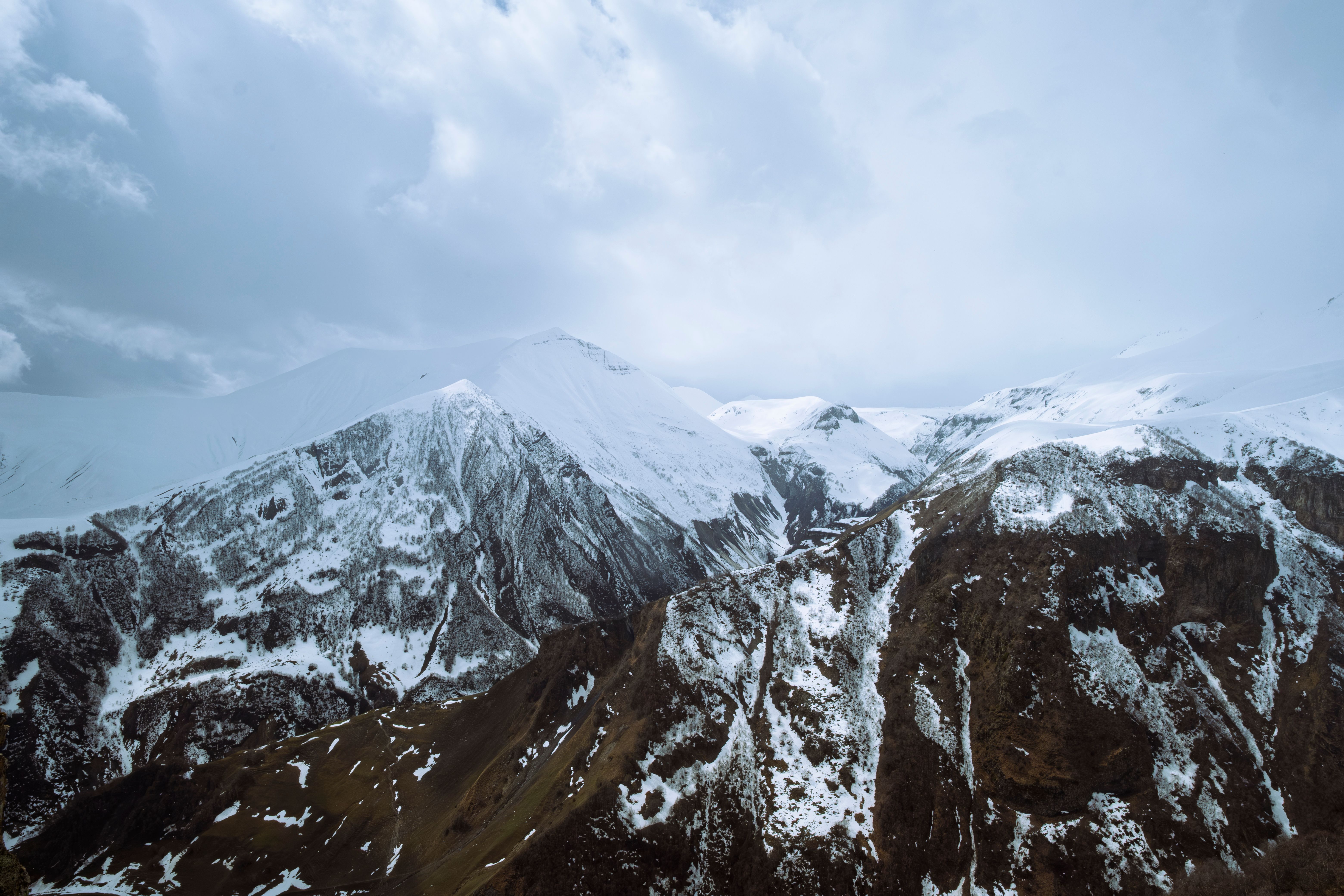
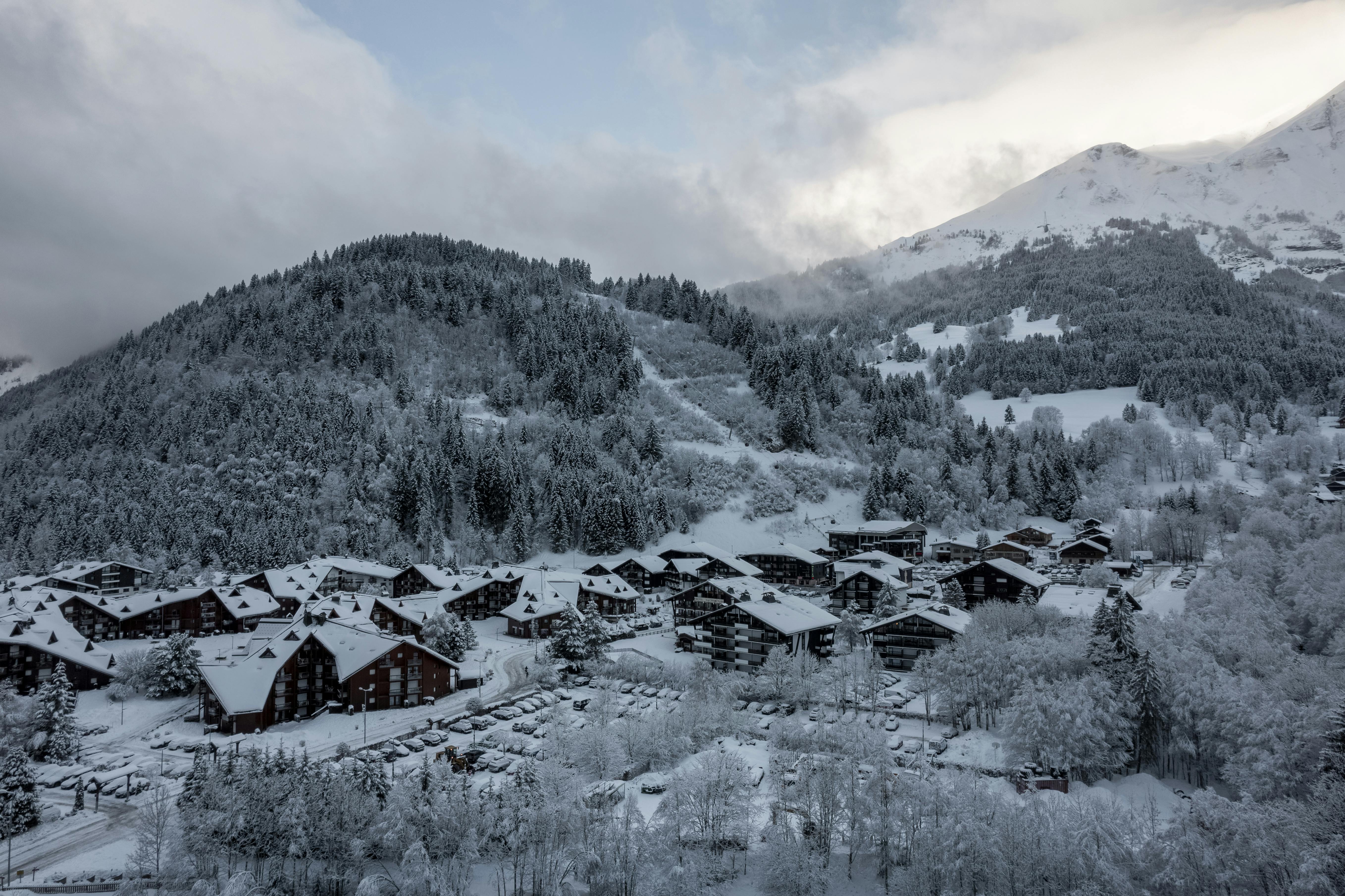
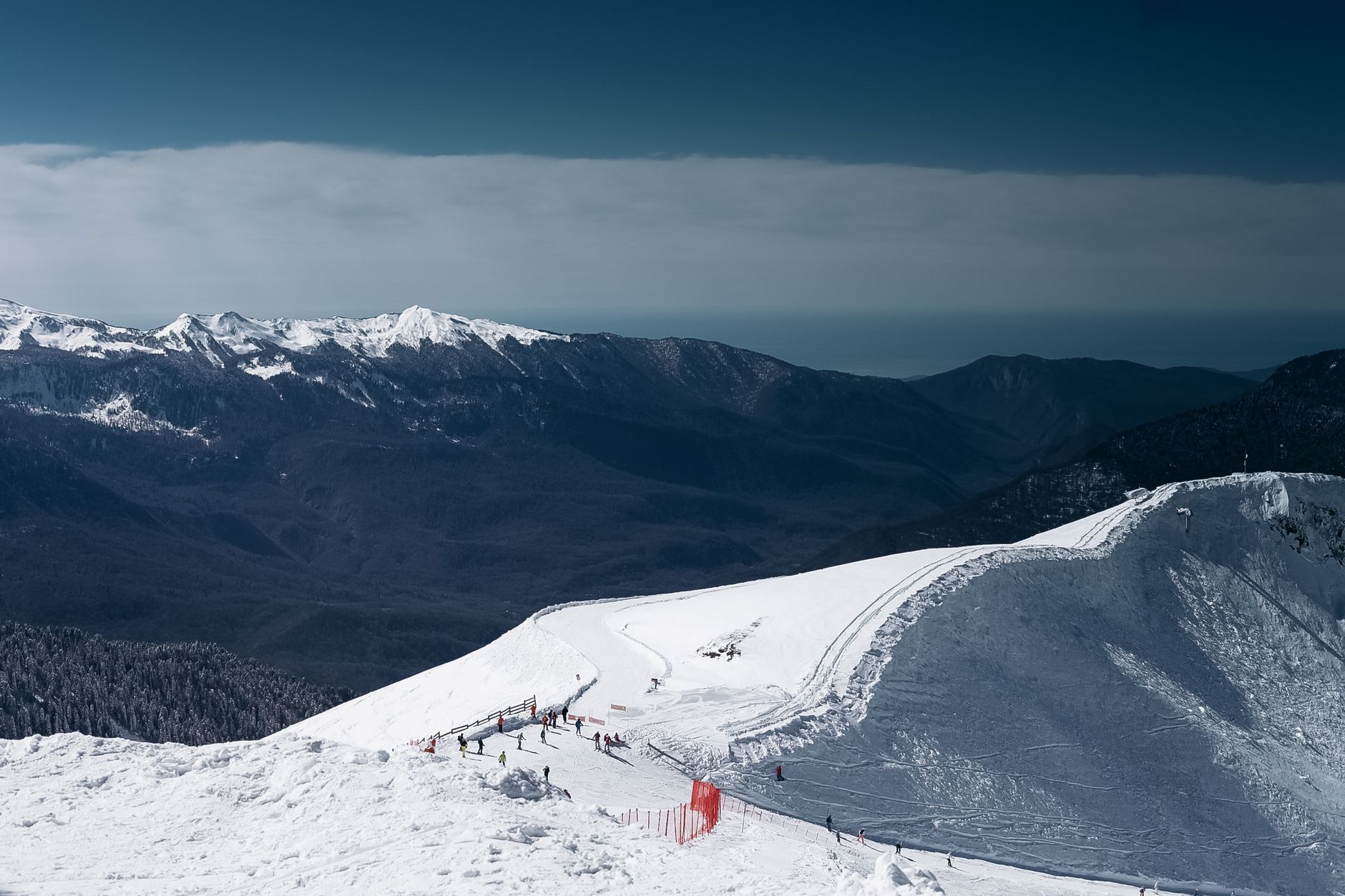
The moment the plane's wheels touched the tarmac in Reykjavik, the grey sky felt less like weather and more like a heavy curtain waiting to be lifted. I had arrived in late November, expecting the famous midnight sun, only to find the sun dipping below the horizon by 3:45 PM. Yet, as I stepped out into the biting wind, the silence of the snow-covered landscape told me I wasn't late; I was just in the right season for a different kind of magic. A few weeks later, watching the aurora borealis dance over a frozen waterfall, I realized that the "best" time to visit Iceland isn't a single month, but a strategic calculation of what you value most.
You cannot simply pick a calendar month without first identifying your non-negotiables. The Icelandic experience is a triangle of three competing forces: snow depth, daylight hours, and crowd density. If your heart beats for deep powder skiing, you must chase the coldest stretch of the year when snowpacks remain pristine and slopes are untouched by skiers. Conversely, if you crave endless exploration without a watch, you need June or July when the sun barely dips below the horizon.
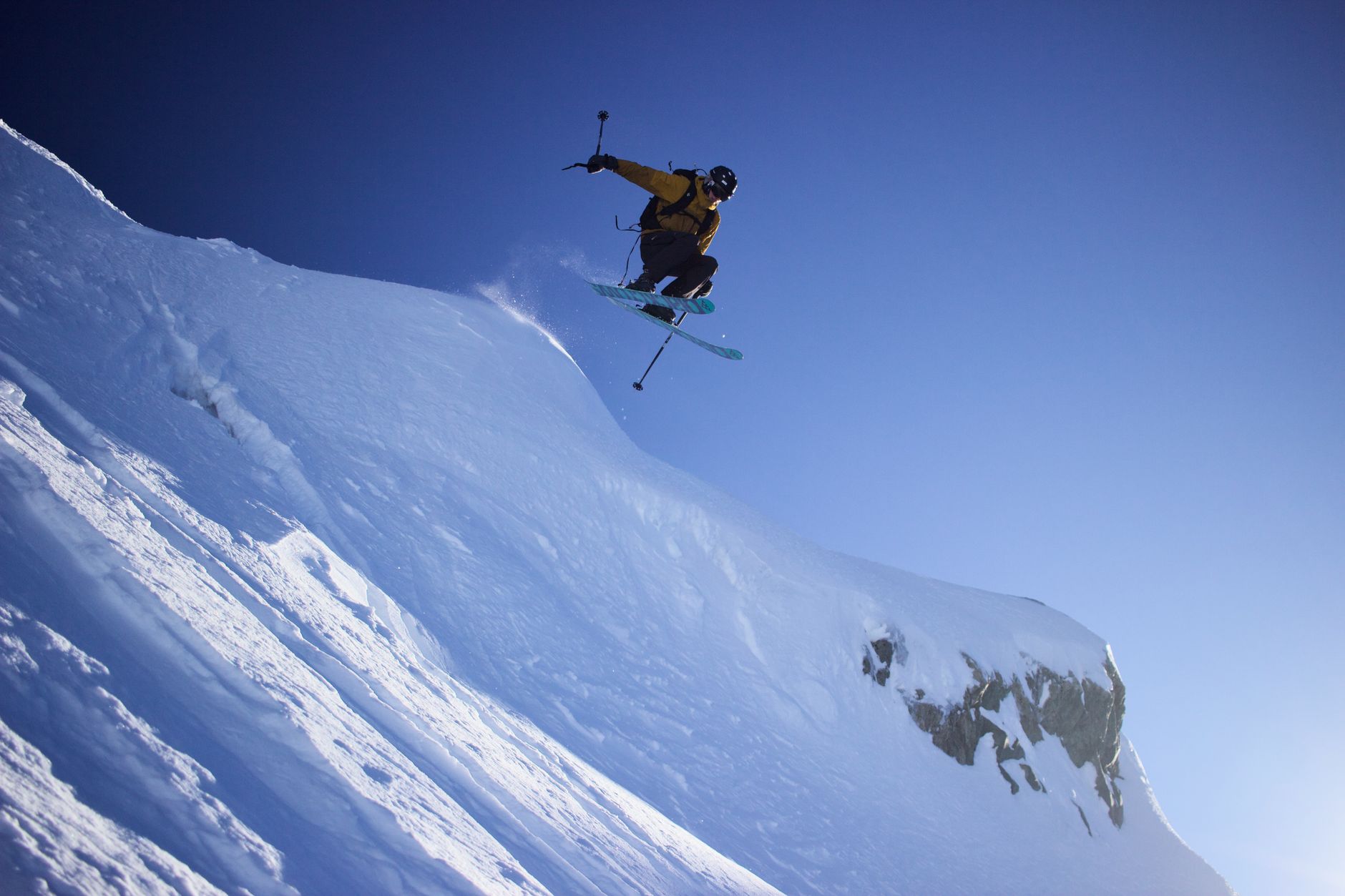
If the dancing northern lights are your true north star, you must target the dark months of October through March, when the sky offers the clearest canvas for cosmic displays. My personal favorite was a late-February stint where I skied pristine slopes, witnessed the aurora, and still enjoyed six-hour daylight windows that felt incredibly generous for winter. The key is to accept that you can only pick two corners of this triangle; trying to maximize all three usually leads to disappointment.
Understanding this trade-off is the first step to a successful trip. If you prioritize the lights, you sacrifice the sun. If you prioritize the sun, you sacrifice the snow. Most travelers find that the shoulder seasons offer the best balance, allowing for a mix of activities without the peak-season price tags or the winter's extreme limitations.
January opens the winter season with early storms that deliver 30 to 40 cm of fresh powder each week, but daylight stalls at a mere four hours. This month is for the serious winter sports enthusiast who doesn't mind short days. February stays cold, but the sun nudges up to seven hours, allowing longer ski runs and evening aurora hunts. By March, temperatures climb to –2.3 °C on average, snow quality softens into perfect "corn snow," and daylight stretches to ten hours, making it a sweet spot for mixed activities like hiking and skiing.
April is a transition month where snow melts at lower elevations, yet the highlands still hold ice caps. Daylight jumps to 14 hours, and road conditions improve dramatically, with the Ring Road open 98.2% of the time compared to 71% in January. May brings late winter vibes; coastal towns see 0.5 °C averages, inland valleys enjoy 3.2 °C, and the first wildflowers peek through the melting snow. June and July showcase the midnight sun with up to 22 hours of daylight, but snow is almost nonexistent above 900 m, limiting ski options to glacier resorts like Langjökull where lifts cost EUR 52.40 per day.
August and September reverse the trend as crowds thin, wildlife returns, and the first aurora-worthy dark nights appear at the end of September with average nighttime temps of 5.1 °C. October marks the start of true mid-winter darkness; tourists drop to 12% of the July peak, while snow depth remains around 120 cm on the south coast. This is perfect for off-piste explorers willing to brave occasional gusts of 35-42 km/h. Each month offers a distinct flavor, and choosing the wrong one can mean missing the very experiences you traveled thousands of miles to see.
July is undeniably the busiest month; Reykjavik's hotels fill to 95% occupancy, and a standard double room on Booking.com averages USD 210.50 per night. In stark contrast, early March sees occupancy dip to 43%, and the same room drops to USD 130.20, saving you roughly EUR 80.50 per night. While the high-season price gap seems huge, don't forget the hidden costs that inflate your budget even more. Helicopter tours in July surge to EUR 780 per person, whereas in early March they sit at EUR 410, representing a 47.3% discount that can fund an entire extra day of activities.
If you value comfort and silence, aim for the shoulder window of late April to early May. Roadworks are finished, the famous Golden Circle sees only 30% of July traffic, and car rentals from Hertz or Enterprise drop to EUR 27.50/day for a compact SUV, compared with EUR 42.80/day in July. My own mistake was booking a late-May tour without checking the weather forecast; a sudden cold front dropped temps to –5.5 °C and forced a day-long delay, costing me an extra EUR 120 for a missed activity. Because Iceland's weather can flip in minutes, always reserve a buffer day.
That extra 24 hours rarely adds more than EUR 55 to your budget for a night in a mid-range guesthouse, but it protects you from panic spending on last-minute flights. The difference between a chaotic, expensive trip and a relaxed, affordable one often comes down to avoiding the peak summer rush. Traveling during the shoulder season not only saves money but also transforms the experience from a crowded tourist trap into a private exploration of one of the world's most dramatic landscapes.
Equipment is the silent budget killer; a mistake here can drain you faster than a taxi ride from Keflavik. I learned this when I rented a pair of skis for EUR 75.50/day in early December, only to discover they lacked proper wax for the wet, heavy snow that fell that week. I ended up paying an extra EUR 30.20 for an emergency service, which could have been avoided with better preparation. Renting gear in Iceland is convenient but often comes with a premium that adds up quickly if you aren't careful with your choices.
Here is a practical checklist to keep gear costs sane while ensuring safety: Always prioritize boot fit first; trying them on inside the rental shop saves up to EUR 20 on shoe inserts later. Request an edge tune and wax specifically for cold weather below –5 °C; prices range from EUR 12.50 to EUR 18.80 per session. A lightweight helmet, such as a Smith model, costs EUR 45.00 to rent but is essential for wind gusts reaching 45 km/h. Finally, adopt a layering system: a merino base for EUR 22, a fleece mid-layer for EUR 38, and a waterproof shell for EUR 95. Mixing and matching keeps you within a EUR 155 total budget.
If you travel less than three weeks a year, rent from GetSki or local shops in Reykjavik where daily rates hover around USD 45.50, avoiding the depreciation hit of buying gear you'll rarely use. For frequent adventurers, buying a dedicated Icelandic jacket, such as a Helly Hansen, at EUR 210.50 can be cheaper over five seasons. When you factor in the EUR 150 saved on rentals each winter, the initial investment pays for itself quickly. Proper gear isn't just about comfort; it's about safety in an environment where conditions change faster than you can pack a bag.
Your first decision upon landing is how to reach Reykjavik, a 62-kilometer journey that takes about 45 minutes on the Ring Road. The options differ widely in price, speed, and comfort, so choosing the right one sets the tone for your entire trip. The official airport taxi fares start at EUR 85.50 for a one-way trip, with an average speed of 80 km/h, so you'll arrive in about 48 minutes, traffic permitting. This is the most expensive but most convenient option if you are traveling with heavy luggage or in a large group.
The Airport Bus, known as Flybus, costs EUR 18.20 per person, runs every 30 minutes, and takes 70 minutes due to multiple stops. It drops you at the BSI Bus Terminal, where you can catch city routes for just EUR 4.50. For a middle ground, a private transfer like Nordic Shuttle is priced at EUR 55.50 for a shared ride, offering door-to-door service, a 60-minute travel time, and a complimentary water bottle. If you plan to explore, booking early on Rentalcars.com, Sixt, or Hertz can lock in EUR 27.80/day for a compact, unlimited-kilometer vehicle. The drive itself costs about 0.10 EUR per km in fuel, roughly 6 liters for the 62 km, totaling EUR 0.90.
If you value convenience and don't mind splurging, the private transfer wins; if you chase budget and want the flexibility to make a quick stop at the Blue Lagoon, a 20‑km detour adding about EUR 12.50 in fuel, the rental car is unbeatable. Having a car allows you to explore the Reykjanes Peninsula on day one, turning a simple transfer into the start of an adventure. The choice ultimately depends on your itinerary; a rigid schedule favors the bus, while a desire for spontaneity demands the wheels of your own.
Saving money in Iceland isn't about cutting experiences; it's about timing and using smart platforms to your advantage. Use Rentalcars.com to compare Hertz, Enterprise, and Sixt; a three-day rental in early April drops from USD 225 to USD 156.50 when you apply the "early-bird" code, a 30.7% discount that can cover your dinner for the week. Book accommodations through Booking.com's "Free cancellation" filter; many Reykjavik hostels offer EUR 45.50 per night and waive fees up to 48 hours before check-in. This flexibility is crucial given the volatile weather.
Plan one paid activity per day, such as a glacier hike costing EUR 120.50, paired with free walking tours, hot springs, and self-guided photo walks. This strategy keeps daily spend around EUR 150, well below the average tourist's EUR 260. My top actionable tip is to set a daily "gear budget" of EUR 20 for consumables like hand warmers and extra socks. Purchase them in Reykjavik's Bonus stores where you'll pay EUR 1.95 per pack versus EUR 3.80 at airport kiosks. These small savings add up significantly over a two-week trip, allowing you to allocate more funds to the unforgettable moments.
Mid-January typically offers the lowest airfares, with round-trip tickets from London dropping to USD 190.50, about 22.4% cheaper than the July peak of USD 245.80. Travelers flying during this window can often find last-minute deals on budget carriers that further reduce the cost.
Yes, the aurora appears about 30.2% of clear nights in early April, but the probability drops to 12.5% after the spring equinox. You should plan for at least three nights of darkness to increase your chances of witnessing the phenomenon.
All major Icelandic rental agencies (Hertz, Enterprise, Sixt) equip compact cars with studded winter tires from November to April at no extra charge. However, you must carry chains if you plan on driving on F-road segments, as these are often icy and treacherous.
Reykjavik hotels average EUR 180.50 per night in July, while rural guesthouses in the South cost EUR 110.20, saving you roughly EUR 70.30 per night. The trade-off is that you'll drive an extra 60 km each day to reach popular attractions.
Fill up at 7-Eleven stations near the airport where diesel sells for EUR 1.49 per litre. Driving the Ring Road at an average of 2.8 L/100 km will cost about EUR 1.30 per 100 km, making fuel one of the most manageable expenses if planned correctly.
Book a mid-March itinerary, rent a compact car through Sixt for EUR 27.80/day, and pack a three-layer system; this combo gives you powder, daylight, and budget room to capture the aurora without exceeding EUR 350 per day. The key to a successful Icelandic trip is balancing your desire for adventure with the practicalities of weather and cost. By planning ahead and choosing the right season, you can experience the raw beauty of Iceland without breaking the bank. Remember, the landscape is waiting for you, but only if you are prepared for its moods.
For more insights on winter travel, check out our guide on Things to Do in Finland Winter or explore our Best Car Rental Deals for Europe. If you are planning a broader trip, read our article on Scandinavia Budget Travel Tips to maximize your savings across the region.
Leave a request and we'll send a personal offer for your dates. One window instead of ten tabs — gear, transfer and car sorted and confirmed in advance.