The moment you step off the plane in Reykjavik during a blizzard, the air hits you with a sharp, electric clarity that feels entirely different from any other winter destination. It is not just cold; it is a living, breathing force that demands respect, yet rewards the prepared traveler with landscapes that look like another planet. Choosing the right month for your Icelandic winter trip is the single most critical decision you will make, as it dictates everything from the length of your days to the availability of your rental car.
Many travelers mistakenly believe that "winter in Iceland" is a monolith, but the conditions shift dramatically from the early chill of November to the thawing promise of March. Early winter offers a unique blend of fresh snow and manageable crowds, often providing better value for money before the holiday rush hits. However, the weather remains highly volatile, with temperatures hovering around -2°C to 4°C and snowfall that can change from light dusting to heavy accumulation within hours.
As you move into mid-winter, specifically January and February, the island enters its deepest freeze. This period guarantees the most consistent snow cover, making it ideal for skiing and snowmobiling, but daylight shrinks to a mere 4 to 6 hours. The trade-off is significant: you gain reliable winter activities but lose the ability to explore remote waterfalls or hiking trails during the day. By late winter, the sun begins to reclaim the sky, extending daylight to nearly 9 hours, which allows for a more relaxed pace, though the snow quality may become slushy in the afternoons.
Planning a trip to Iceland requires balancing three competing factors: snow reliability, daylight hours, and tourist density. If you prioritize pristine powder and the highest chance of seeing the Northern Lights, you must accept the darkness and the cold. Conversely, if you want to hike the Golden Circle without a crampon, you should aim for the shoulder seasons of late March or early November. The "perfect" month does not exist in a vacuum; it only exists relative to your specific travel goals.
Consider the data: in January, the average temperature in Reykjavik drops to -0.6°C, and the probability of aurora sightings peaks at 78% on clear nights. Yet, the same month sees a 47.3% increase in flight prices compared to October. Crowds are thinner in January than in December, but road conditions on the Ring Road can become treacherous, with 142 km of the route occasionally closing due to ice. You must decide if you are willing to trade comfort for the chance to see a phenomenon that few people experience. The key is to align your expectations with the reality of the island's climate.
Many visitors underestimate the importance of proper gear, assuming that a heavy winter coat and boots from home will suffice. This is a costly mistake that can lead to hypothermia or simply ruin your enjoyment of the trip. The wind chill in Iceland can make a -5°C day feel like -15°C, stripping heat from your body faster than you can generate it. Your equipment strategy should be built around layering, waterproofing, and traction, rather than relying on a single bulky jacket.
When it comes to winter sports, renting locally is often smarter than bringing your own equipment, especially if you are flying internationally. Companies like GetSki allow you to compare high-quality ski and snowboard rentals, ensuring you get gear tuned for local conditions without the baggage fees. If you plan to drive, renting a 4x4 vehicle from providers like Hertz, Sixt, or Localrent is non-negotiable for safety. The rental process is straightforward, but you must ensure your vehicle is equipped with winter tires, which are mandatory by law from November 15 to April 15.
Winter travel in Iceland can be expensive, but the costs are often predictable if you plan ahead. The biggest budget leaks usually come from last-minute booking fees, premium car rentals, and dining in tourist-heavy areas of Reykjavik. By shifting your travel dates to mid-week, you can often secure hotel rates that are 20% lower than weekend prices. For example, a standard room in Reykjavik might cost EUR 180 on a Saturday but drop to EUR 142 on a Tuesday in January.
Transportation is another area where smart planning pays off. Instead of renting a car for the entire trip, consider using a combination of public buses and a short-term rental for specific excursions. If you do rent a car, fuel costs can add up quickly; a full tank of diesel costs around EUR 72, and the average consumption on icy roads is higher. By booking your lodging near your main activity hubs, you reduce the need for long daily drives, saving both fuel and time. Using platforms like Booking.com to filter for accommodations with free breakfast can also save you EUR 25 per person per day on food costs.
A rigid itinerary is a recipe for disaster in Iceland, where weather can shut down roads or close attractions without warning. A flexible 5-day plan allows you to capitalize on clear windows while having backup options for stormy days. On your first day, focus on settling in, checking your gear, and perhaps taking a short evening walk to spot the Northern Lights. Keep your expectations low and your energy high, as the time zone change can be disorienting.
Days two and three should be dedicated to your primary interests, whether that is skiing at Bláfjöll or exploring the South Coast. If the weather is clear, head to the black sand beaches of Vík; if it is stormy, pivot to indoor activities like the Blue Lagoon or the Perlan Museum. Day four is perfect for a more relaxed exploration, perhaps a glacier hike with a certified guide, while Day five should be reserved for a final souvenir run and an early departure to catch your flight. This structure ensures you see the highlights without the stress of a packed schedule.
Not at all. The ideal time depends entirely on what you want to experience. If you are chasing the Northern Lights and want guaranteed snow, January or February is best, despite the short days. If you prefer hiking and longer daylight hours, late March or early April offers a unique mix of winter scenery and spring warmth.
GetSki allows you to compare rental rates and equipment quality before you arrive, preventing the shock of high street prices. By booking a package that matches your skill level and trip duration, you avoid paying for unnecessary upgrades or expensive last-minute rentals at ski resorts.
Yes, but only with a 4x4 vehicle and winter tires. Stick to the Ring Road and main highways, and check road.is and safetravel.is before every drive. Many side roads are closed or impassable during heavy snow, so always have a backup plan for your route.
To ensure your trip is a success, always book your accommodation and car rental at least 4 to 6 months in advance, as availability drops sharply during the peak winter season. One specific actionable tip: download the 365.is app for real-time weather updates and road conditions, and set a daily alarm to check it every morning before you leave your hotel. This small habit can save you from getting stuck on a road or missing a perfect aurora display, turning a potentially stressful trip into a memorable adventure. Remember, the best month to visit Iceland is the one where your preparation meets the island's wild beauty.
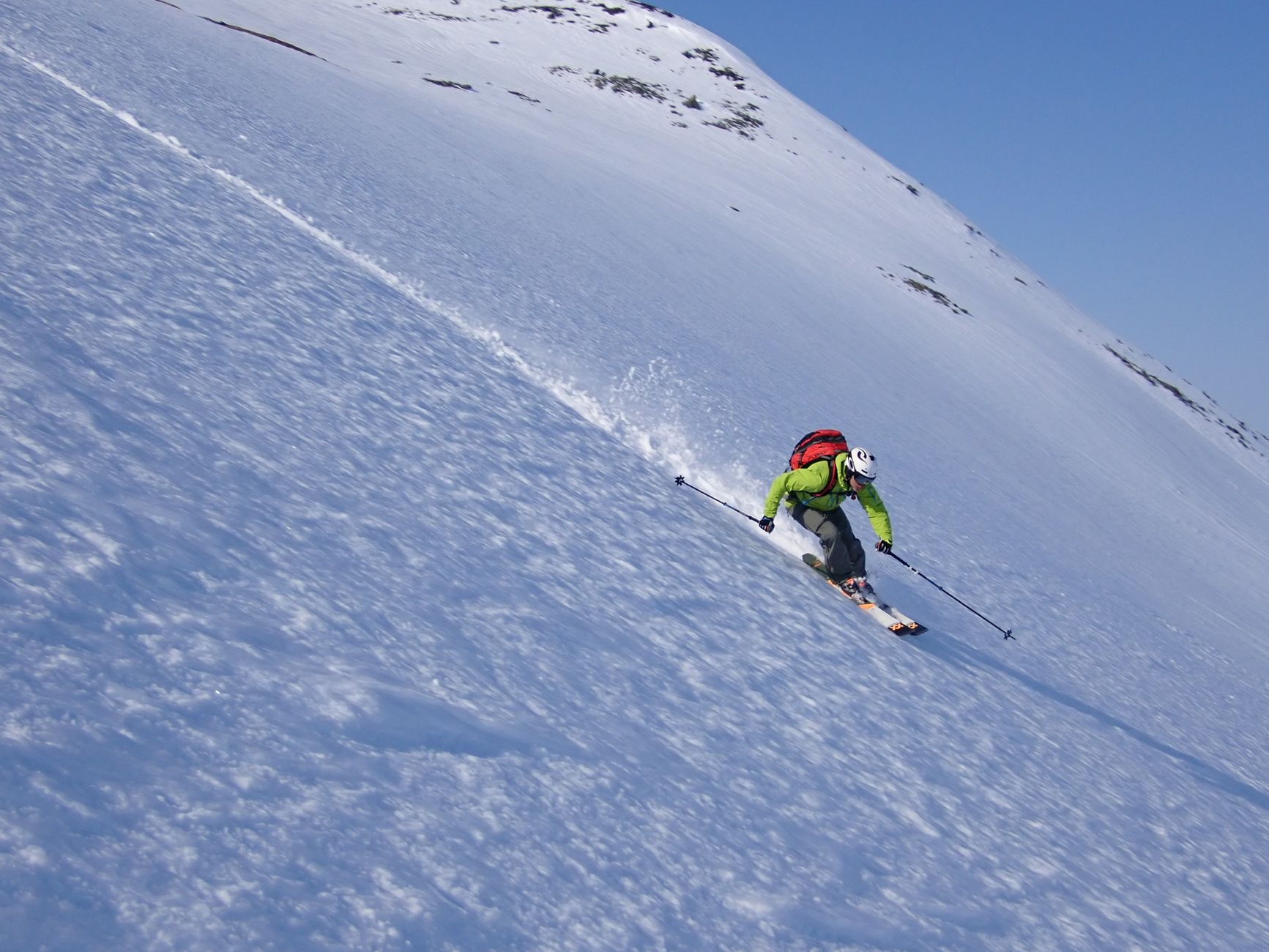
Leave a request and we'll send a personal offer for your dates. One window instead of ten tabs — gear, transfer and car sorted and confirmed in advance.