While Zermatt, Verbier, and Val d'Isère remain perennial classics, a new generation of ski destinations is drawing global attention in 2026. From Japan's legendary powder fields to Georgia's Caucasus mountains, these are the ski resorts trending internationally — the ones serious skiers are booking now before they become mainstream.
Trending resorts typically share several characteristics: recent lift infrastructure investment, underpriced lift passes relative to snow quality, growing international flight connections, and word-of-mouth from ski industry insiders. Many are in destinations outside the traditional Alpine circuit — where the skiing is genuinely world-class but the crowds and prices haven't caught up yet.
Niseko on Hokkaido island receives an average of 15 metres of snowfall per season — by far the highest snowfall of any major ski resort in the world. The snow is legendarily light and dry (JaPow), falling at high volume from Siberian weather systems. The Niseko United ski area connects four resorts: Grand Hirafu, Niseko Village, Annupuri, and Hanazono, totalling 884 hectares of skiable terrain.
What has supercharged Niseko's growth is the combination of Japanese hospitality, onsen (hot spring) culture, world-class sushi, and infrastructure that has been rapidly upgraded with international investment. Direct flights from Singapore, Hong Kong, and Sydney make Niseko viable for a week's ski trip from Asia-Pacific.
Season: Late November–late April. Lift pass: ~€55/day. Why trending: Unbeatable powder, Japan experience, improving lift infrastructure.
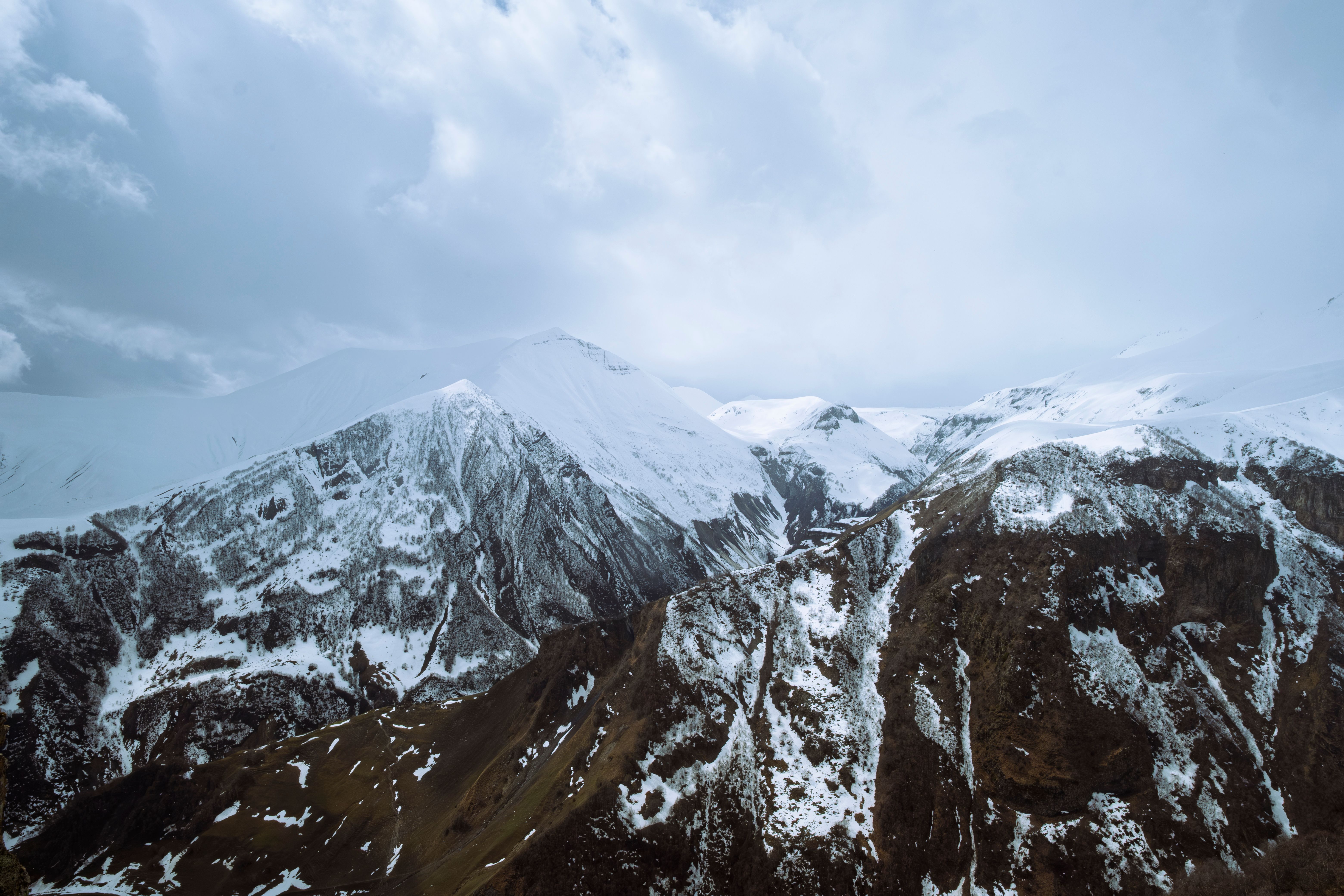
At 2,196m in the Greater Caucasus, Gudauri is Europe's most affordable high-altitude ski resort in 2026. A single-day lift pass costs around €20, ski rentals from €10/day, and a week's ski holiday including accommodation and food costs less than a single day at Courchevel. Yet the skiing — 4,000 vertical metres of heli-skiing from 3,279m, 57 km of piste, and superb off-piste — is genuinely world-class.
The Gudauri Ski Resort has invested heavily in new quad lifts since 2022, and the snowpack (November to April, with regular top-ups) is reliable at high altitude. Tbilisi's international airport is 2.5 hours away, served by direct flights from across Europe.
Season: November–April. Lift pass: ~€20/day. Why trending: Best value heli-skiing on earth, dramatic Caucasus scenery, unique culture.
Revelstoke Mountain Resort in British Columbia has the largest vertical drop of any ski resort in North America at 1,713m. It also receives 900cm of annual snowfall — deep, cold BC interior powder. The resort is still relatively small (65 marked runs) compared to Whistler or Park City, but major expansion plans (currently being built) will double the skiable terrain by 2027.
What sets Revelstoke apart is the combination of technical terrain, powder, and the town itself — a genuine mountain community, not a resort bubble. Cat skiing and heli-skiing operations from Revelstoke offer some of the most affordable backcountry access in Canada.
Season: Late November–late April. Lift pass: ~€85/day (CAD). Why trending: Biggest vertical in North America, serious terrain, pre-expansion window.
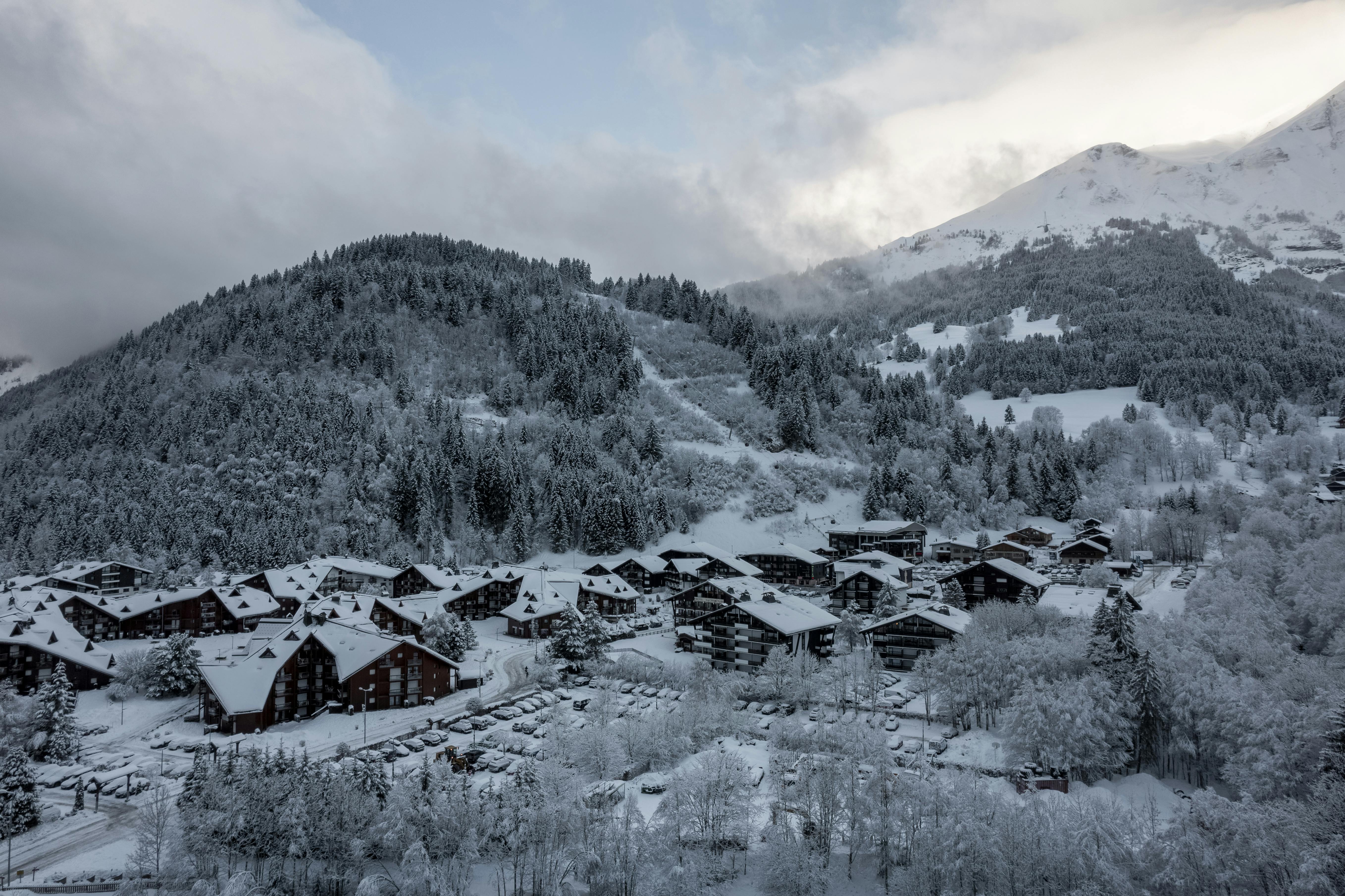
Livigno in the Italian Alps is technically a duty-free zone — and that applies to ski equipment, lift passes, alcohol, and fuel. The combination of 115 km of piste, 2,900m summit altitude, reliable snow, and duty-free shopping has made it one of Europe's fastest-growing ski destinations. Italian apres-ski culture (aperitivo, proper pasta, affordable wine) makes it an especially enjoyable destination.
Livigno is also the training ground for the Italian national ski team and was confirmed as a competition venue for the 2026 Milan-Cortina Winter Olympics — a significant investment in the resort's infrastructure.
Season: Late November–May. Lift pass: ~€45/day. Why trending: Duty-free zone, 2026 Olympics venue, best-value quality skiing in Alps.
Sweden's largest ski resort and host of the 2019 Alpine Ski World Championships, Åre is the Scandinavian destination that keeps appearing on international "must visit" lists. The combination of Nordic design hotels, reindeer tartare on the menu, and surprisingly good skiing (1,274m vertical, 100+ runs) is distinctly different from the Alpine circuit.
Åre is particularly popular with travellers who want to combine skiing with other Scandinavian experiences — dog sledding, northern lights, and Swedish sauna culture. Stockholm is 4 hours by train or 1 hour by flight.
Season: December–April. Lift pass: ~€55/day. Why trending: Nordic skiing experience, post-World Champs investment, unique culture.
Bansko remains the best-value ski resort in Europe for Western travellers. A daily lift pass costs around €35, ski rentals from €12/day, and a week's hotel, food, and ski rental can be had for the price of a two-night stay at a mid-range Alpine hotel. The skiing (75 km of piste, 2,560m summit) is genuinely good, and the old town of Bansko — a UNESCO-protected village with traditional taverns — is unique in the ski world.
Season: December–April. Lift pass: ~€35/day. Why trending: Cheapest quality skiing in Europe, growing infrastructure, Bulgarian culture.
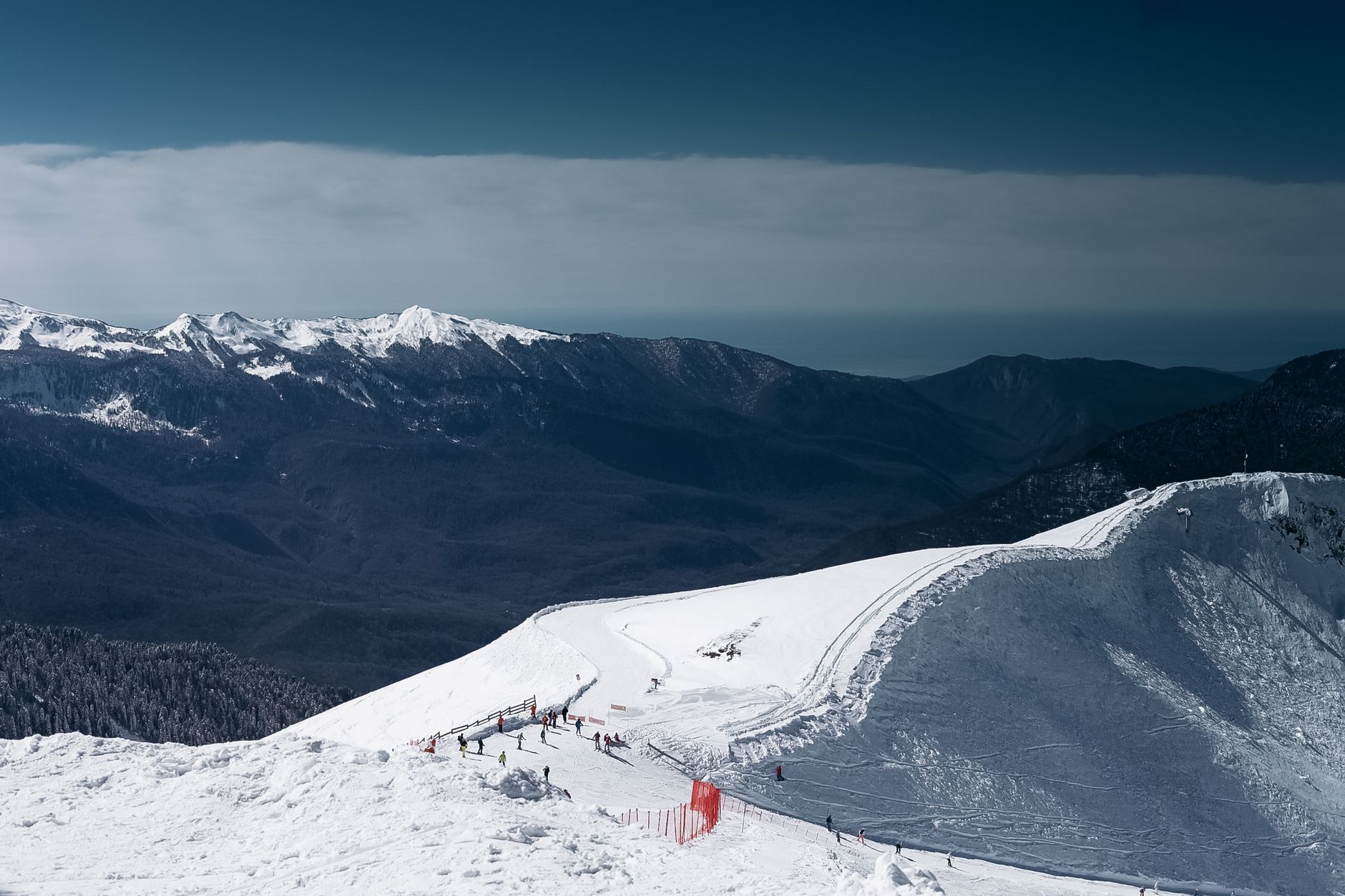
The 2018 Winter Olympics left South Korea with world-class ski infrastructure: modern high-speed gondolas, wide groomed pistes, and resorts (Yongpyong, High1, Vivaldi Park) that meet international standards. Pyeongchang is now drawing international ski tourists who pair a ski trip with time in Seoul — one of the world's great food and culture cities, just 2 hours by KTX train from the ski resorts.
Season: December–March. Lift pass: ~€40/day. Why trending: Post-Olympics infrastructure, Seoul combination, Asian ski market growth.
The world's only duty-free ski resort destination, Andorra's Grandvalira ski area (210 km of piste) combines serious skiing with duty-free shopping. Lift passes, equipment rental, ski clothing, electronics, and alcohol are all significantly cheaper than in neighbouring France or Spain. The ski area itself — the largest in the Pyrenees — reaches 2,640m and has expanded its snowmaking capacity significantly in recent seasons.
Season: December–April. Lift pass: ~€36/day. Why trending: Only duty-free ski destination, improving snow management, growing Asian market.
At rapidly growing resorts like Niseko and Revelstoke, local rental shops sell out of premium equipment well before the season starts. Booking through GetSki at major trending destinations locks in equipment at advance-booking rates — typically 20–30% less than walk-in prices in peak weeks. For destinations like Gudauri and Bansko, local rental is extremely affordable even without advance booking.
By international visitor growth, Niseko (Japan) and Gudauri (Georgia) are among the fastest-growing ski destinations globally. Both combine exceptional snow quality with competitive pricing and improving international flight connections.
Bansko (Bulgaria) and Gudauri (Georgia) are consistently the cheapest quality ski destinations in Europe. Both offer lift passes under €35/day and complete ski holidays for under €500 per person per week including accommodation and rental.
Revelstoke Mountain Resort is undergoing major expansion (2025–2027). Gudauri added new quadruple chairlifts in 2022–2024. Livigno is upgrading infrastructure for the 2026 Milan-Cortina Olympics. Niseko Hanazono opened new terrain and lifts for the 2024–25 season.
For serious powder hunters, absolutely. Flights from Europe to Sapporo (via Tokyo or Seoul) take 13–16 hours, and a 7-night ski trip to Niseko costs roughly the same as a week in Verbier when you factor in accommodation and food prices. The snow quality — up to 2m of fresh powder in a single week — is simply not available in Europe.

Leave a request and we'll send a personal offer for your dates. One window instead of ten tabs — gear, transfer and car sorted and confirmed in advance.