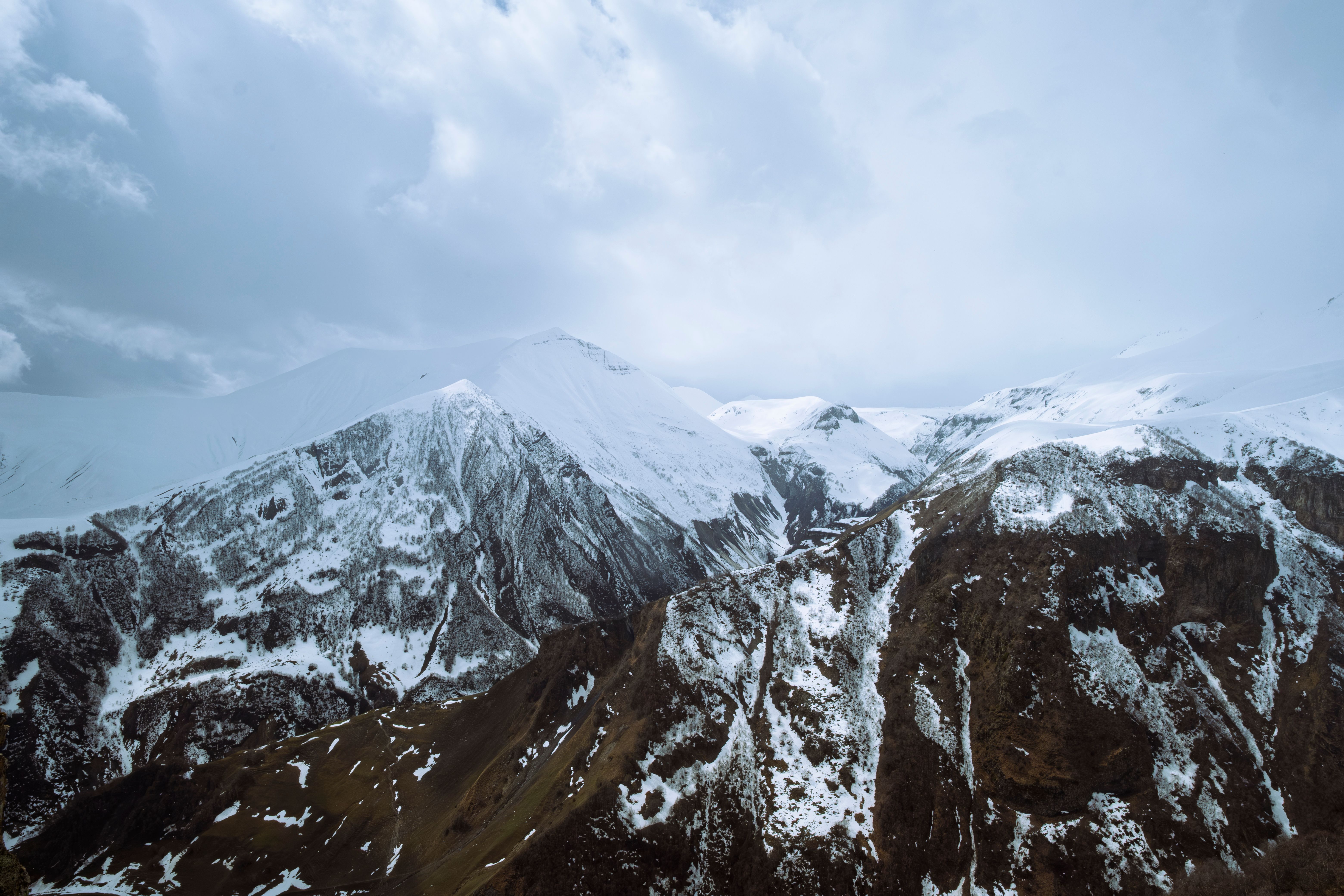
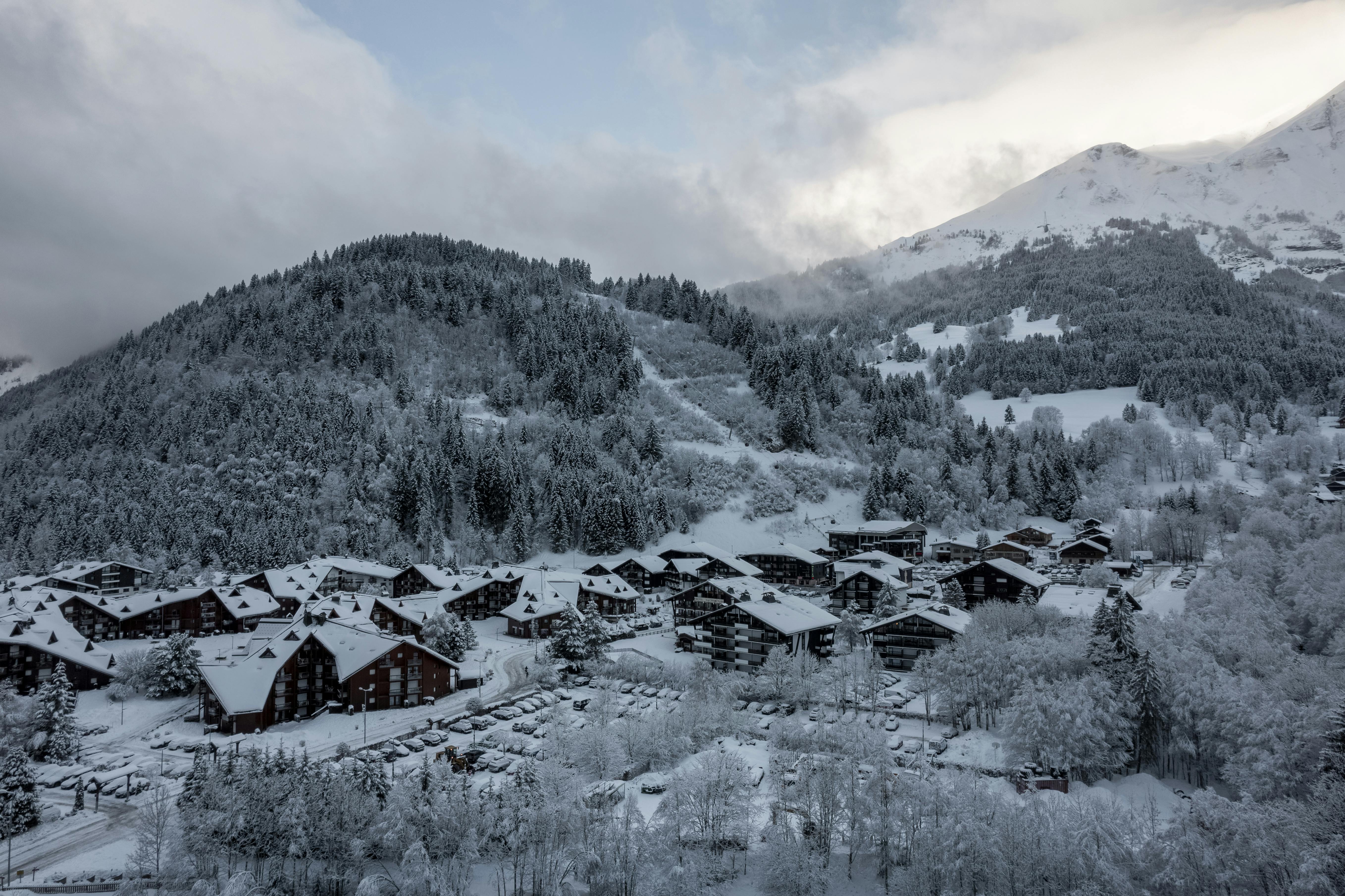
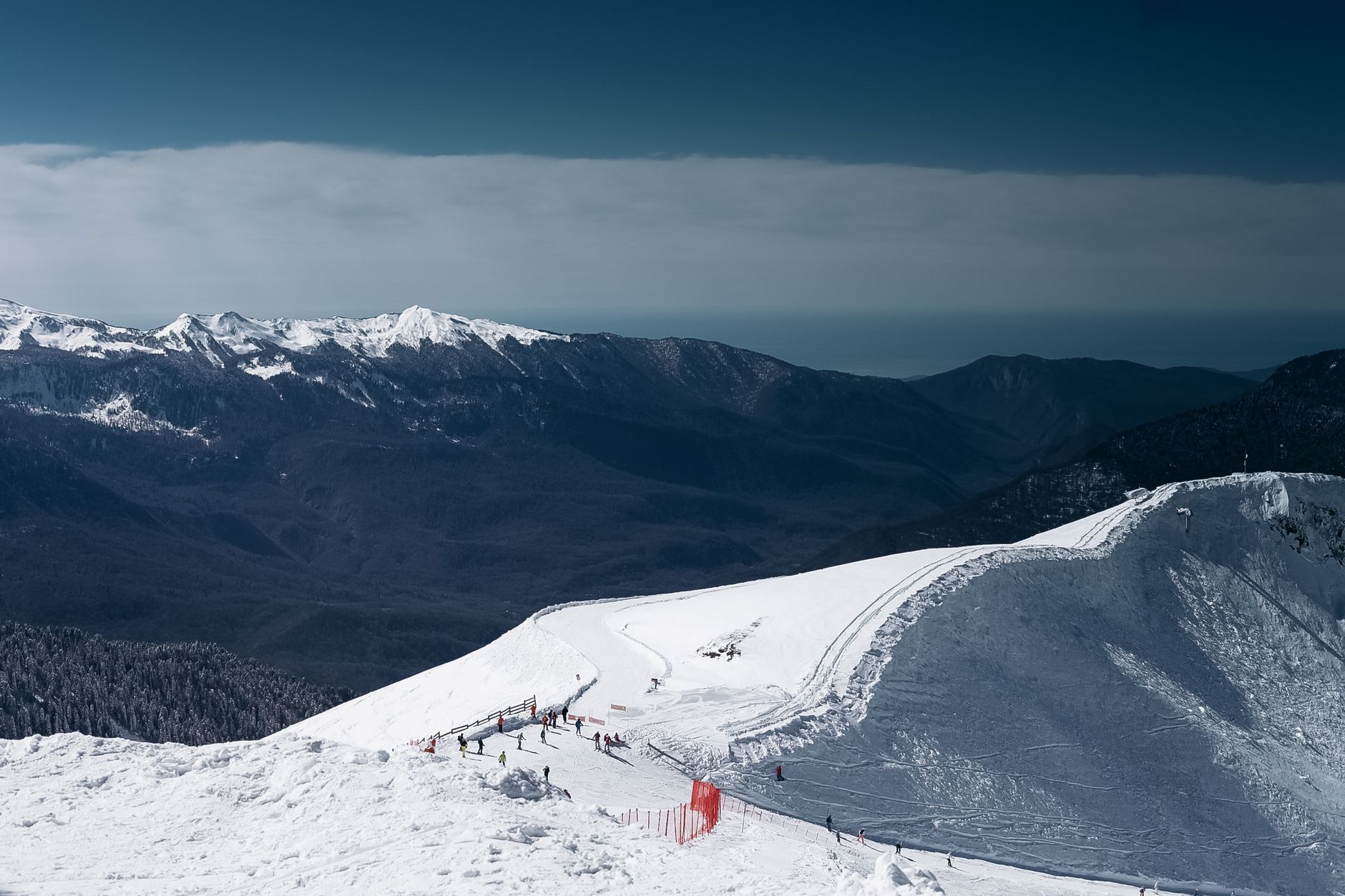
Three European resorts ski year-round: Zermatt, Saas-Fee, and Hintertux — each operating 365 days a year on glaciers above 3,200m. Eight more open by October and stay open through May, giving 7–8 months of skiing. While most European ski resorts run a standard December–April season (~150 days), the long-season resorts below let you ski before winter even starts, or chase summer turns on a glacier. Here's the full 2026 list with real opening dates, lift pass prices, and what to expect each month.
| Resort | Country | Open | Days/year | Lift pass | Summer skiing? |
|---|---|---|---|---|---|
| Zermatt | Switzerland | All year | 365 | CHF 92/day | Yes (Jun–Sep) |
| Saas-Fee | Switzerland | All year | 365 | CHF 75/day | Yes (Jul–Aug) |
| Hintertux | Austria | All year | 365 | €59/day | Yes (Jun–Aug) |
| Tignes | France | Sep–May | 240 | €60/day | No (since 2019) |
| Stubai | Austria | Oct–Jun | 240 | €59/day | No |
| Les Deux Alpes | France | Oct–May + summer | 200 | €57/day | Yes (Jun–Aug) |
| Val Thorens | France | Nov–May | 180 | €54/day | No |
| Cervinia | Italy | Oct–May | 210 | €60/day | Via Zermatt |
Jump to: Year-Round Skiing · 8+ Month Resorts · Snow-Sure (No Glacier) · When Resorts Open · Best Months · Booking Tips · FAQ
Only three European resorts are open every month of the year, all on glaciers above 3,200m. Year-round skiing is rare because most glaciers retreat during the warmest weeks of August, requiring a brief seasonal closure for maintenance and safety reviews. The three below are the exceptions.
Zermatt is the most reliable year-round ski destination in Europe. The Theodul glacier sits at 3,883m on the Swiss-Italian border, accessed via the Klein Matterhorn cable car, and connects to Cervinia in Italy. Summer skiing operates daily from late June through early September on around 21 km of marked piste. Outside summer, the upper sectors are skiable from October through May.
Open: ~365 days/year. Summer skiing: June–September. Glacier altitude: 3,883m. Lift pass: CHF 92/day (single day), CHF 480/week. Compare prices at Zermatt ski rental shops.
The Feegletscher glacier above Saas-Fee climbs to 3,600m and offers year-round skiing from a smaller but reliable summer area. Saas-Fee is the most popular summer training base for European junior race teams thanks to its consistent snow surface and dedicated summer FIS training pistes. The village is car-free and reached by a 90-minute drive or train transfer from Visp.
Open: ~365 days/year. Summer skiing: July–August. Glacier altitude: 3,600m. Lift pass: CHF 75/day.
The Hintertux glacier is Austria's only resort open every day of the year. The Gefrorene Wand summit reaches 3,250m, and the resort offers around 60 km of piste during the main winter season (October–May), reduced to 12–18 km during summer. Hintertux is particularly popular with snowboarders training for FIS events.
Open: ~365 days/year. Summer skiing: June–August. Glacier altitude: 3,250m. Lift pass: €59/day.
The next tier of long-season resorts open in October or earlier and close in May or later. They are not year-round but offer 8–10 months of skiing on average — perfect for early-season or shoulder-month trips.
Tignes is the longest-season ski resort in France. The Grande Motte glacier (3,456m) opens in late September or early October — making Tignes one of the first European resorts to open each autumn — and the main season runs through early May. Summer glacier skiing operated until 2019 but was suspended due to glacier retreat; spring and autumn skiing remain reliable on the Grande Motte and Vanoise sectors.
Open: 8 months. Earliest opening: Late September. Latest closing: Early May. Book Tignes ski rental 4 weeks ahead for shoulder-season discounts.
The Stubai glacier near Innsbruck is one of the largest glacier ski areas in Austria, with a season running from early October through early June. The glacier reaches 3,210m and offers 35 km of marked piste during peak winter. Stubai is around 45 minutes by bus from Innsbruck Airport, making it the most accessible long-season resort in the Alps for international travellers.
Open: 8 months. Glacier altitude: 3,210m. Closest airport: Innsbruck (45 min).
The Glacier du Mont-de-Lans above Les Deux Alpes (3,568m) is one of Europe's largest skiable glaciers. The main season runs December to May, with the glacier reopening for summer skiing in June and July — primarily for race team training and freestyle camps in the snow park. Total annual ski days: around 200.
Open: ~7 months main season + summer. Glacier altitude: 3,568m. Summer skiing: June–early August.
A few high-altitude resorts achieve long seasons without relying on glaciers, thanks to their elevation and snow retention. These are the budget alternative to glacier resorts — similar season length, lower lift-pass prices.
At 2,300m, Val Thorens is the highest base village in Europe and consistently opens in mid-November and stays open until early May — a 6-month season with no glacier required. The combination of high altitude, north-facing slopes, and aggressive snow management makes Val Thorens the most snow-sure non-glacier resort in the Alps.
Open: 6 months. Base altitude: 2,300m (highest in Europe). Lift pass: €54/day or €310/week.
The Italian side of the Zermatt-Cervinia cross-border ski area opens in mid-October each season and closes in early May. Cervinia is significantly cheaper than Zermatt and benefits from the same Theodul glacier connection, giving access to year-round skiing for those willing to cross to the Swiss side.
Open: 7 months. Glacier connection: Yes (via Zermatt). Lift pass: €60/day, cross-border €82.
Standard opening dates for most Alpine resorts are early to mid-December, with the first lifts running on the Saturday closest to 8 December (Immaculate Conception holiday in Italy and Austria). Standard closing dates are mid- to late April, with most resorts ending the season on the Sunday following Easter.
Glacier resorts at 3,000m+ open 4–6 weeks earlier than non-glacier resorts in the same region — typically in late October or early November — and close 2–4 weeks later, in early to mid-May. This gives an additional 2 months of skiing each year for those willing to chase glacier seasons.
October and early November are the most reliable months for autumn glacier skiing, with cold temperatures and fresh snow refilling the upper bowls. Late April and early May offer the best spring skiing — long days, soft snow on lower runs, firm conditions in the morning, and significantly cheaper accommodation. Summer skiing (July–August) is mostly used for race training and freestyle camps; the snow surface is firm and the open area is small, but the experience of skiing in T-shirts is unique.
Zermatt and Saas-Fee in Switzerland and Hintertux in Austria are open every day of the year — making them the longest-season ski resorts in Europe.
For experienced skiers who want to extend their season or train, yes. The terrain is limited (10–25 km on most summer glaciers), and the snow is firm rather than soft, but conditions are reliable from June to August on Zermatt's Theodul, Saas-Fee, and Hintertux. Summer ski camps for kids are also a popular option.
Tignes typically opens in late September or early October, making it the earliest-opening French ski resort. The Grande Motte glacier provides a guaranteed snow surface even before natural winter arrives.
Lift passes for long-season resorts are similar to other major Alpine resorts (€55–€75 per day). Accommodation in shoulder seasons (October, November, May) is significantly cheaper — often 40–60% less than peak winter prices — making long-season resorts good value if you avoid the December–April window.
Yes, several summer glacier resorts run dedicated kids' ski schools in July and August. Saas-Fee, Stubai, and Hintertux all offer 5-day junior camps with morning lessons on the glacier and afternoon supervised activities in the village. Conditions are demanding (firm snow, low oxygen, strong UV), so most schools recommend a minimum age of 8 years and prior ski experience.
Val Thorens has the lowest lift-pass price at €54/day among the major long-season resorts. Hintertux (€59/day) and Cervinia (€60/day) are the budget glacier picks. Tignes and Stubai are mid-price at €60/day. Zermatt at CHF 92/day is the most expensive but also offers the longest and largest skiable area.
Yes — October is one of the quietest months at long-season resorts. The glacier resorts (Zermatt, Saas-Fee, Hintertux, Stubai, Tignes) are open but most international travellers don't visit until December. Expect short lift queues, easy parking, and 30–40% cheaper accommodation than peak weeks.
For October–November and April–May, plan for variable conditions: hot mornings on lower slopes (above-freezing temperatures) and cold afternoons on glaciers (–10 to –15 °C). Layered clothing is essential, plus high-UV-rated goggles (alpine sun on snow is intense). Most equipment-rental shops stock both shoulder-season and peak-winter gear; book ahead via our partner shops for the best prices.
Leave a request and we'll send a personal offer for your dates. One window instead of ten tabs — gear, transfer and car sorted and confirmed in advance.