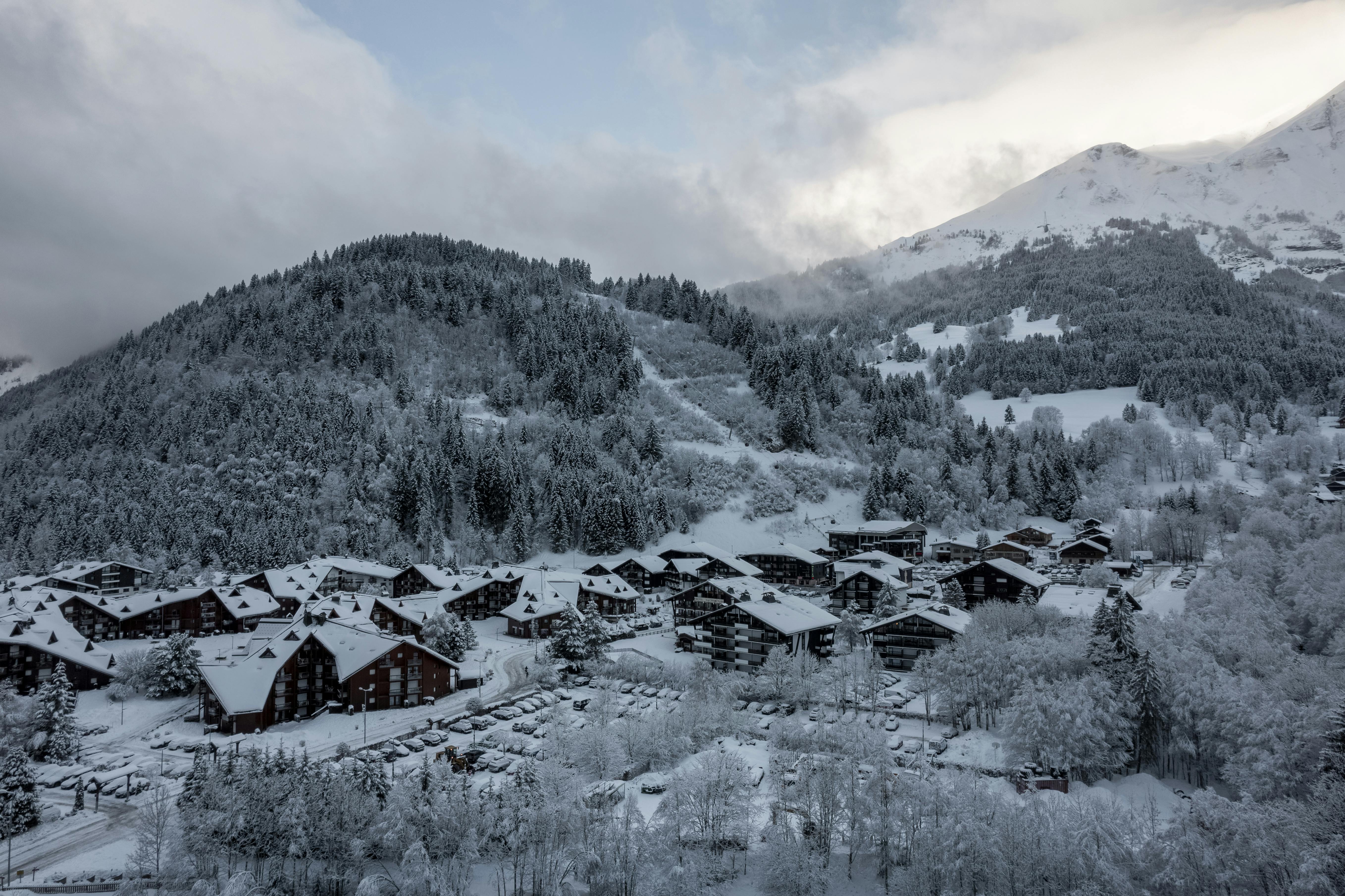
Flaine is a purpose-built, car-free ski resort in the Haute-Savoie, France, sitting at 1,600 m in a north-facing snow bowl at the top of the 265 km Grand Massif. It is one of the most snow-sure and family-friendly resorts in the French Alps — about an hour from Geneva, with gentle ski-in/ski-out beginner terrain — and is also known for its Bauhaus concrete architecture designed by Marcel Breuer.
Most French ski villages grew up the slow way — a farming hamlet that sprouted chalets, then chairlifts, then a sprawl of car parks. Flaine did the opposite. It was drawn on a blank sheet of paper in the 1960s, dropped into a high north-facing bowl in the Haute-Savoie, and built specifically so that you could ski from your door and the snow would still be there in April. The result is one of the most distinctive resorts in the Alps: a concrete, Bauhaus-designed town that divides opinion on looks but rarely on its skiing. If you want efficient, snow-sure, family-friendly skiing with a side of 20th-century architecture, Flaine is hard to beat.
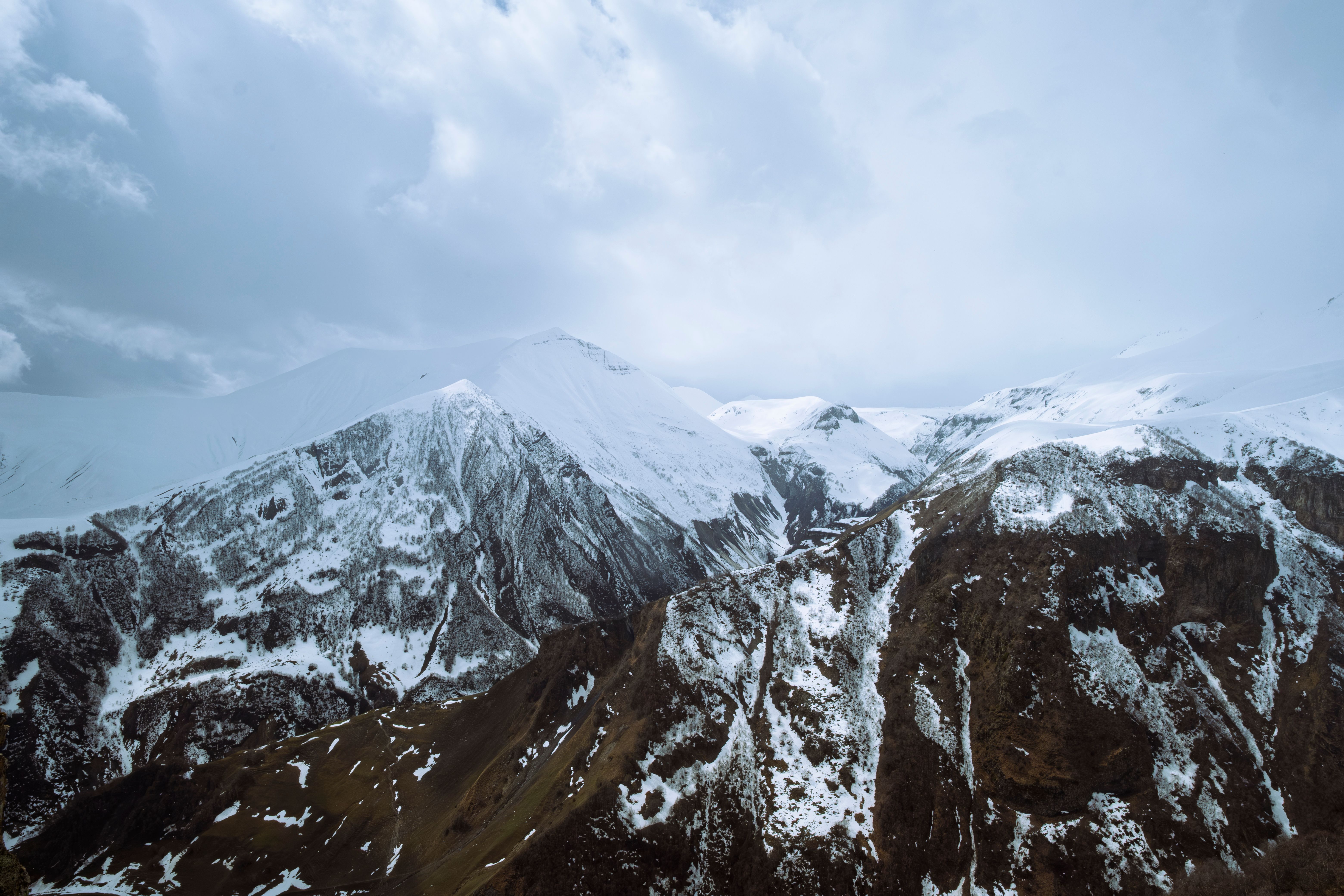
Flaine occupies a natural snow bowl at a base altitude of around 1,600m, with lifts climbing to the Grandes Platières at roughly 2,480m. That's not the highest base in the French Alps, but the resort's saving grace is orientation: it faces predominantly north, so the slopes spend a lot of the day in shade and the snow stays cold and dry well into spring. Skiers nickname it the "big snowy bowl" for a reason — it has a long-standing reputation for holding its base when sunnier, south-facing resorts at similar heights have turned to slush. Flaine was also an early adopter of snowmaking, which adds a second layer of insurance on the home runs.
It sits in the Grand Massif, one of the largest linked ski areas in France, about an hour from Geneva airport — which makes it one of the more accessible big-snow resorts for a short transfer. The village itself is essentially car-free in its core, built on split levels with the slopes threading right through it, so genuine ski-in, ski-out lodging is the norm rather than a marketing line.
Flaine is the high point — literally and reputationally — of the Grand Massif, a domain that links five resorts under a single lift pass: Flaine, Les Carroz, Morillon, Samoëns and Sixt-Fer-à-Cheval. Between them they share around 265km of pistes served by more than 60 lifts, so one ticket covers a genuinely large playground. Flaine sits at the snowy, treeless top of the area; the linked villages below are lower and more wooded, which is useful on flat-light or windy days when you want to drop into the trees.
| Resort | Village altitude (approx.) | Character | Best for |
|---|---|---|---|
| Flaine | 1,600m | High, open, snow-sure bowl | Families, beginners, reliable snow |
| Les Carroz | 1,140m | Sunny, traditional village feel | Cruisers, longer stays, evenings out |
| Morillon | 700m / 1,100m | Quiet, wooded, low-key | Value, peaceful family weeks |
| Samoëns | 720m | Historic French market town | Authentic base, non-skiers |
| Sixt-Fer-à-Cheval | 760m | Small, scenic, end of the valley | Quiet escapes, nature |
The single most famous run in the whole area starts above Flaine: the Cascades, a roughly 14km descent that winds out of the bowl down towards Sixt. It's long rather than steep — graded easy-to-intermediate along most of its length — which makes it a bucket-list cruise for confident intermediates rather than an expert test piece. Set off in good time, because the last lift home from the valley floor matters.
Flaine's look is no accident. The resort was the vision of geophysicist Éric Boissonnas and his wife Sylvie, who found the site at the end of the 1950s and handed the design to Marcel Breuer — a leading figure of the Bauhaus movement and the designer of furniture and buildings studied in architecture courses worldwide. Breuer built Flaine in raw, board-marked concrete, with faceted façades cut, in his words, like the points of a diamond so that sunlight would strike them at shifting angles through the day. It opened on 17 January 1969.
The reaction has always been split. Some visitors find the brutalist blocks bleak charm; others see a coherent, deliberate piece of modernist design that's far more thoughtful than the average 1970s purpose-built resort. Either way, it's a genuine cultural artefact — Flaine even has open-air artworks scattered through the village, including a large Tête de femme by Pablo Picasso, plus pieces associated with Dubuffet and Vasarely. You don't get that at most ski stations. If you care about architecture as much as altitude, no other Alpine resort offers quite this combination.
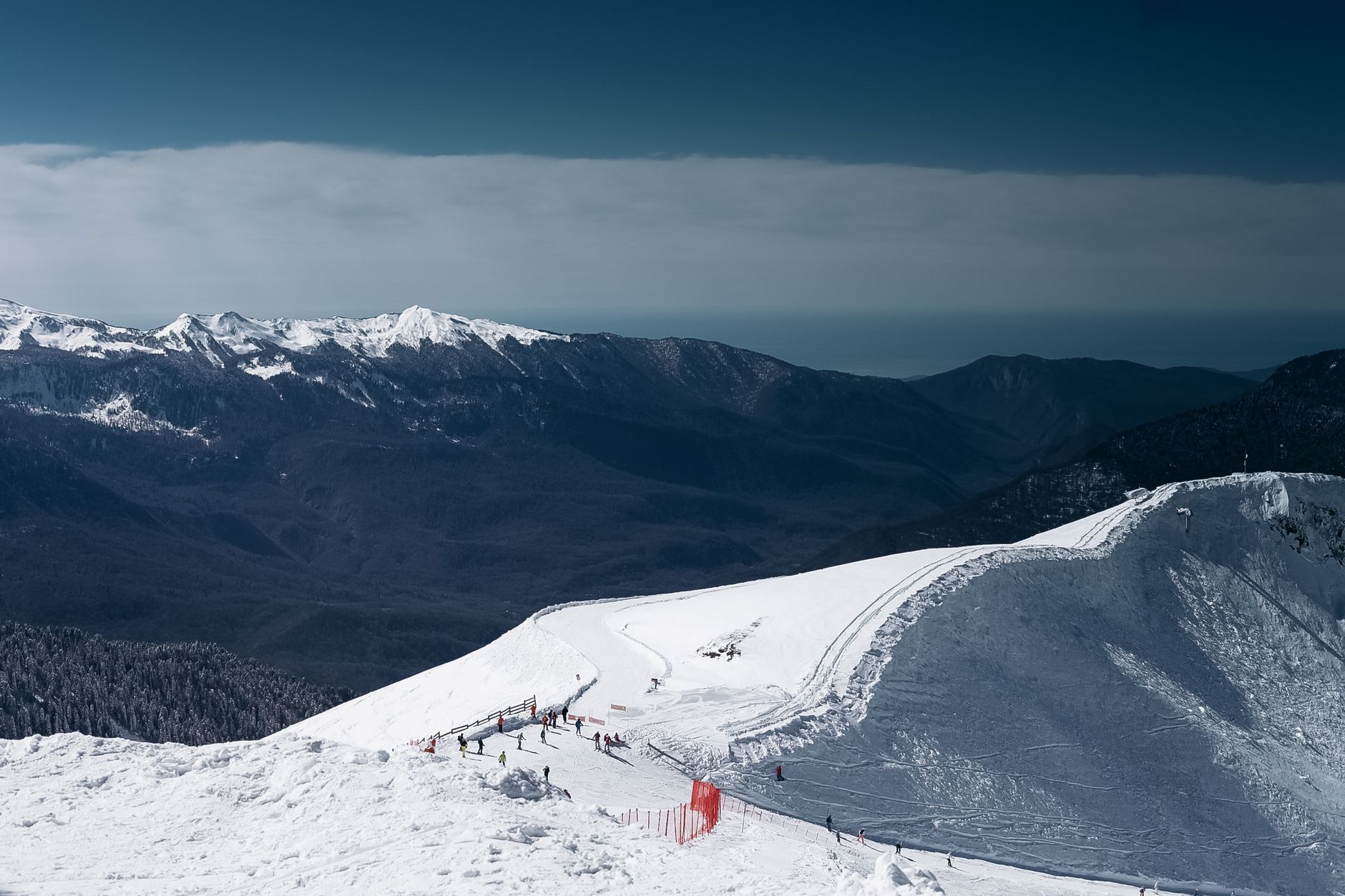
Families and beginners are the obvious winners. The bowl shape means the village sits in a sheltered amphitheatre of gentle, wide, mostly green and blue terrain, with dedicated nursery slopes and several beginner lifts that are typically free to use. Children and nervous first-timers can progress without ever leaving sight of the village — and because it's ski-in, ski-out, the daily logistics of bundling kids and gear around are about as painless as French skiing gets. For a wider shortlist of gentle resorts, see our guide to the best beginner ski resorts in Europe.
Intermediates get the most mileage. The full 265km of Grand Massif terrain opens up once you can link blues confidently, and runs like the Cascades reward stamina more than nerve. Advanced and expert skiers are less obviously catered for on-piste — Flaine isn't a steeps-and-couloirs resort in the Tignes mould — but the off-piste in and around the bowl, particularly the shaded, snow-holding faces, keeps strong skiers entertained when conditions deliver. If you're weighing Flaine against the bigger-name powerhouses, our Val d'Isère vs Courchevel comparison sets out what the high-altitude giants offer that a family bowl doesn't.
Lift passes are sold for the whole Grand Massif, so a single ticket covers all five villages. For the 2025/26 season, an adult day pass runs around €61 and an adult six-day pass around €366, with reduced child rates and free skiing for very young children and the very old — always confirm the current year's prices and any child age cut-offs on the official Grand Massif site before you book. By Alpine standards that's solid value for the size of the area; if keeping costs down is the priority, it's worth comparing against our roundup of cheap ski resorts in Europe and the wider field in our best ski resorts in France for 2026 guide.
Transfers are a genuine selling point. Geneva is the nearest major airport, roughly an hour away by road in good conditions, which keeps a Flaine trip short on travel and long on skiing. Because the resort is purpose-built and compact, you can usually leave the car for the week once you arrive.
One practical tip whatever your level: sort your equipment before the snow rather than queuing in resort. Renting kit that fits — and matches the terrain you'll actually ski — makes a bigger difference to a family week than most people expect. If you're buying, our picks for budget all-mountain skis and alpine ski boots for 2026 are a sensible starting point, or you can compare rental options across the Grand Massif in the GetSki catalogue.
Yes — it's one of the strongest family choices in the French Alps. The village sits in a sheltered bowl ringed by gentle green and blue runs, with dedicated nursery areas, beginner lifts that are often free, and true ski-in, ski-out access that makes managing children and gear straightforward.
Flaine is part of the Grand Massif, a linked domain of around 265km of pistes spread across five resorts — Flaine, Les Carroz, Morillon, Samoëns and Sixt-Fer-à-Cheval — all covered by a single lift pass.
It was purpose-built in the 1960s and designed by the Bauhaus architect Marcel Breuer, who used raw, faceted concrete instead of the usual wooden chalets. It opened in 1969 and is now regarded as a notable piece of 20th-century modernist architecture, complete with open-air artworks including a Picasso.
It has a good reputation for it. The resort sits at about 1,600m in a predominantly north-facing bowl, so its slopes stay shaded and cold for much of the day, which helps the snow last well into spring. Early snowmaking infrastructure adds extra cover on the home runs.
The most common route is via Geneva airport, roughly an hour away by road in normal conditions. Because the resort is compact and largely car-free in its core, most visitors park up on arrival and walk or ski everywhere for the rest of the week.
Leave a request and we'll send a personal offer for your dates. One window instead of ten tabs — gear, transfer and car sorted and confirmed in advance.