Back to Blog
Resorts & Destinations
British Columbia has the best skiing in Canada. Whistler Blackcomb, two hours from Vancouver, is the largest ski resort in North America; inland, Revelstoke has the continent's greatest lift-served vertical, while Big White, Sun Peaks, Fernie and Kicking Horse deliver deep, dry "Champagne Powder" with far smaller crowds. Fly into Vancouver for Whistler, or Kelowna and Kamloops for the interior powder belt.
| Resort | Nearest airport | Known for |
|---|---|---|
| Whistler Blackcomb | Vancouver (~2 hr) | Largest ski area in North America; all levels |
| Revelstoke | Kelowna (~2.5 hr) | Greatest lift-served vertical in North America (1,713 m) |
| Big White | Kelowna (~1 hr) | Ski-in/ski-out village; reliable dry powder, family-friendly |
| Sun Peaks | Kamloops (~45 min) | Second-largest ski area in Canada; village + sunshine |
| Fernie | Cranbrook (~1 hr) | Legendary powder across five alpine bowls |
| Kicking Horse | Calgary / Kelowna | Steep, big-vertical dry powder |
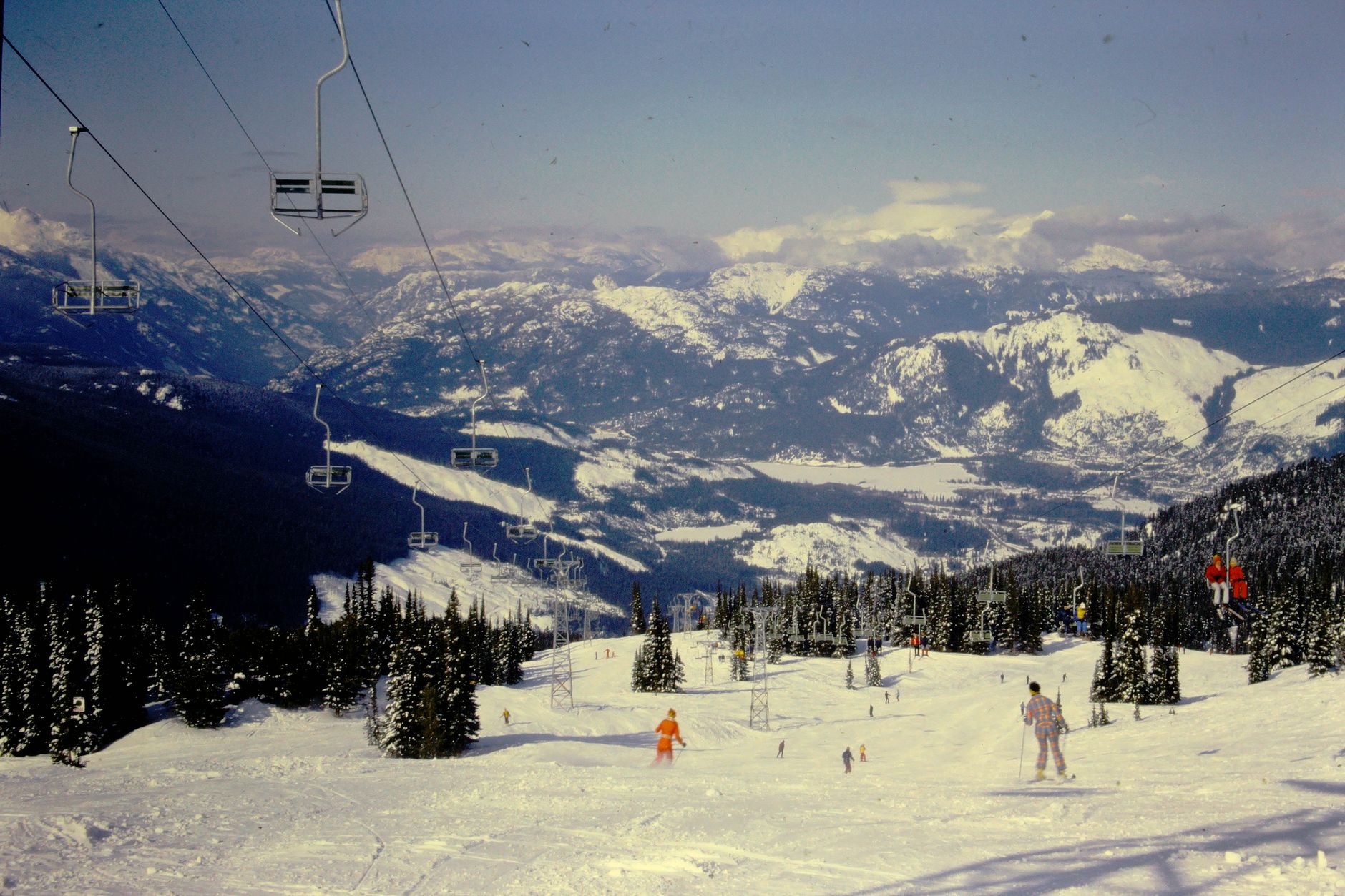
Whistler Blackcomb is the largest ski resort in North America — two adjacent mountains, Whistler and Blackcomb, with more than 8,000 acres of terrain between them. The two are linked by the Peak 2 Peak Gondola, which crosses the valley between their mid-stations in about 11 minutes and holds the record as the longest free-span lift in the world. Scale is the point: a week here rarely means repeating a run. The terrain covers everything from long, gentle greens above Whistler Village to the alpine bowls, glaciers and steep chutes that made the resort's name, and it hosted the alpine events of the 2010 Winter Olympics. Whistler is on the Epic Pass and is the priciest resort in the province — but also the most complete. It sits about two hours north of Vancouver on the scenic Sea-to-Sky Highway. Booking your Whistler ski rental before you fly beats the resort-shop queue and price.
Whistler gets the headlines, but British Columbia's interior is where powder skiers go. Revelstoke, in the Selkirk Mountains, has the greatest lift-served vertical drop in North America at 1,713 m — a top-to-bottom descent longer than almost anywhere on the continent — plus legendary tree skiing and a serious cat- and heli-skiing scene on its doorstep. Big White, an hour above Kelowna, is the family pick: a genuine ski-in/ski-out village, high enough to hold cold, dry snow all season, with gentle learning areas and reliable Okanagan powder. Sun Peaks, near Kamloops, is the second-largest ski area in Canada, wrapping a walkable, Tyrolean-style village in sunshine and quiet, well-groomed terrain.
Further into the Kootenays and the BC Rockies, two more resorts reward the drive. Fernie is a powder institution — its five vast alpine bowls fill with some of the deepest snow in the Rockies, backed by a historic mining town. Kicking Horse, above Golden, is steeper and more serious: a big single-vertical mountain with a gondola to the summit and terrain that suits confident intermediates and experts chasing dry, light snow. None of these carry Whistler's prices, and none carry its crowds.
Access shapes a BC ski trip. Vancouver International (YVR) is the gateway for Whistler, about two hours away by shuttle or car up the Sea-to-Sky Highway. For the interior, Kelowna (YLW) puts you within an hour of Big White and roughly two and a half hours of Revelstoke, while Kamloops (YKA) is under an hour from Sun Peaks. Fernie and Kicking Horse are most easily reached from Calgary, across the Alberta border, or from Cranbrook.
On passes, Whistler Blackcomb is on the Epic Pass (Vail Resorts). The other big BC resorts are independent — they each sell their own lift tickets, and several appear on multi-resort passes such as Ikon or Mountain Collective — but the line-up changes season to season, so check the current roster before you commit rather than assuming any single pass covers them all.
The BC powder season runs roughly December to April. January and February bring the coldest, deepest, driest snow — prime time for the interior resorts — though they are also the busiest and priciest weeks at Whistler. Late season, March into April, trades a little snow quality for longer, sunnier days and better value, and the high interior resorts hold their base well into spring. Midweek is always quieter and cheaper than weekends, when the Vancouver and Calgary crowds arrive.
Alberta's Rocky Mountain resorts — Banff Sunshine, Lake Louise and Norquay — and the accessible hills of Quebec and Ontario are a different trip with a different character. For those, and for a full national overview, see our guide to the best ski resorts across Canada.
Whistler Blackcomb is the biggest and most complete — the largest ski resort in North America, suitable for every level. For powder and fewer crowds, Revelstoke (the continent's greatest vertical), Fernie and Kicking Horse are the standouts, while Big White and Sun Peaks are the best family choices.
Fly into Vancouver (YVR) for Whistler, about two hours away. For the interior powder resorts, fly into Kelowna (YLW) for Big White and Revelstoke, or Kamloops (YKA) for Sun Peaks. Fernie and Kicking Horse are usually reached from Calgary.
Yes. Whistler Blackcomb is owned by Vail Resorts and included on the Epic Pass. Most of BC's other major resorts are independent; some appear on the Ikon Pass or Mountain Collective, but the line-up varies by season, so confirm before buying.
January and February deliver the deepest, driest snow, especially at the interior resorts like Revelstoke, Big White and Fernie. March and April are sunnier and better value, with the high resorts holding good snow well into spring.
They suit different trips. BC has bigger terrain, deeper coastal and interior powder, and Whistler's sheer scale. The Alberta Rockies — Banff and Lake Louise — offer reliable cold snow, dramatic scenery and a long season. Many visitors combine both on one trip.
Leave a request and we'll send a personal offer for your dates. One window instead of ten tabs — gear, transfer and car sorted and confirmed in advance.