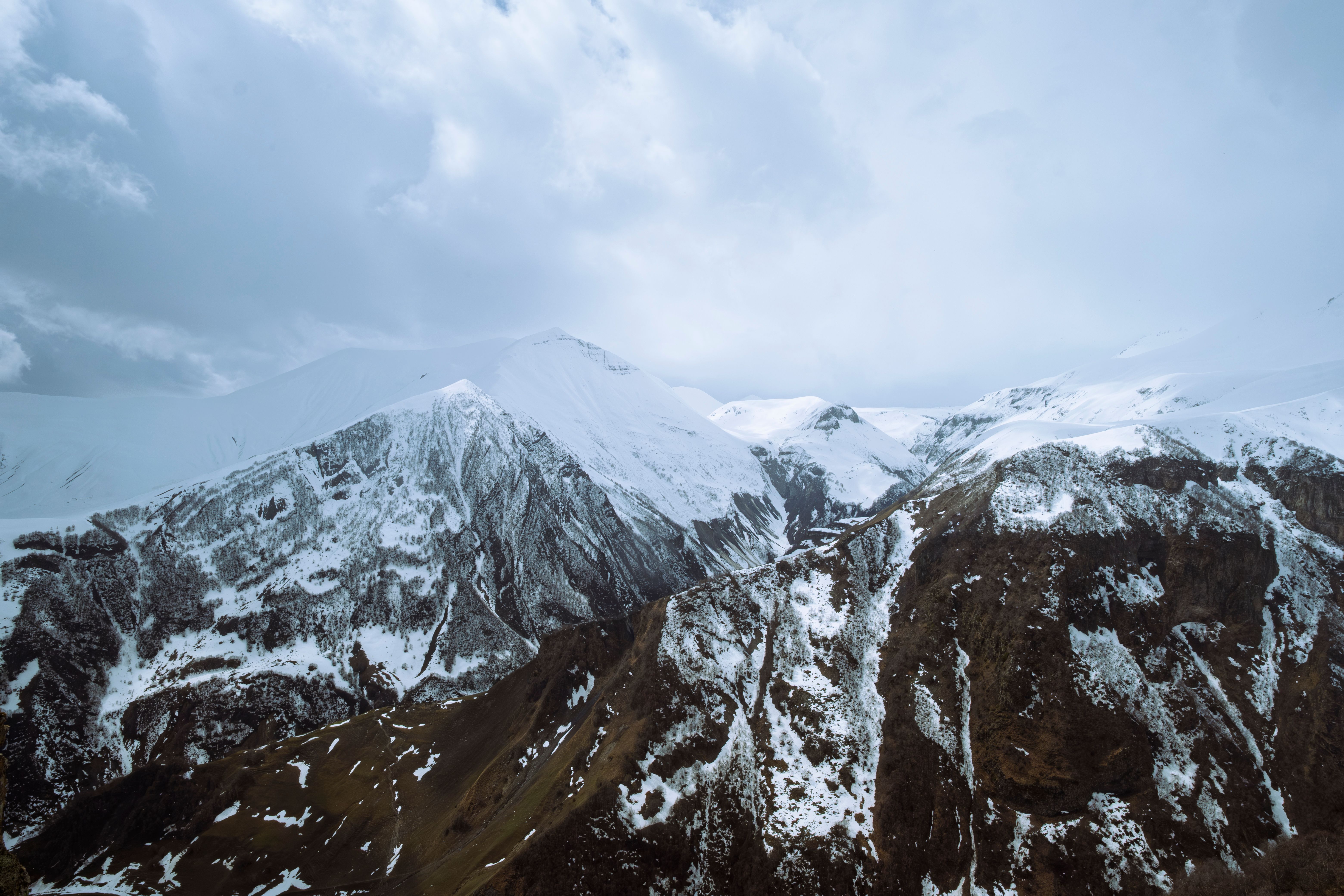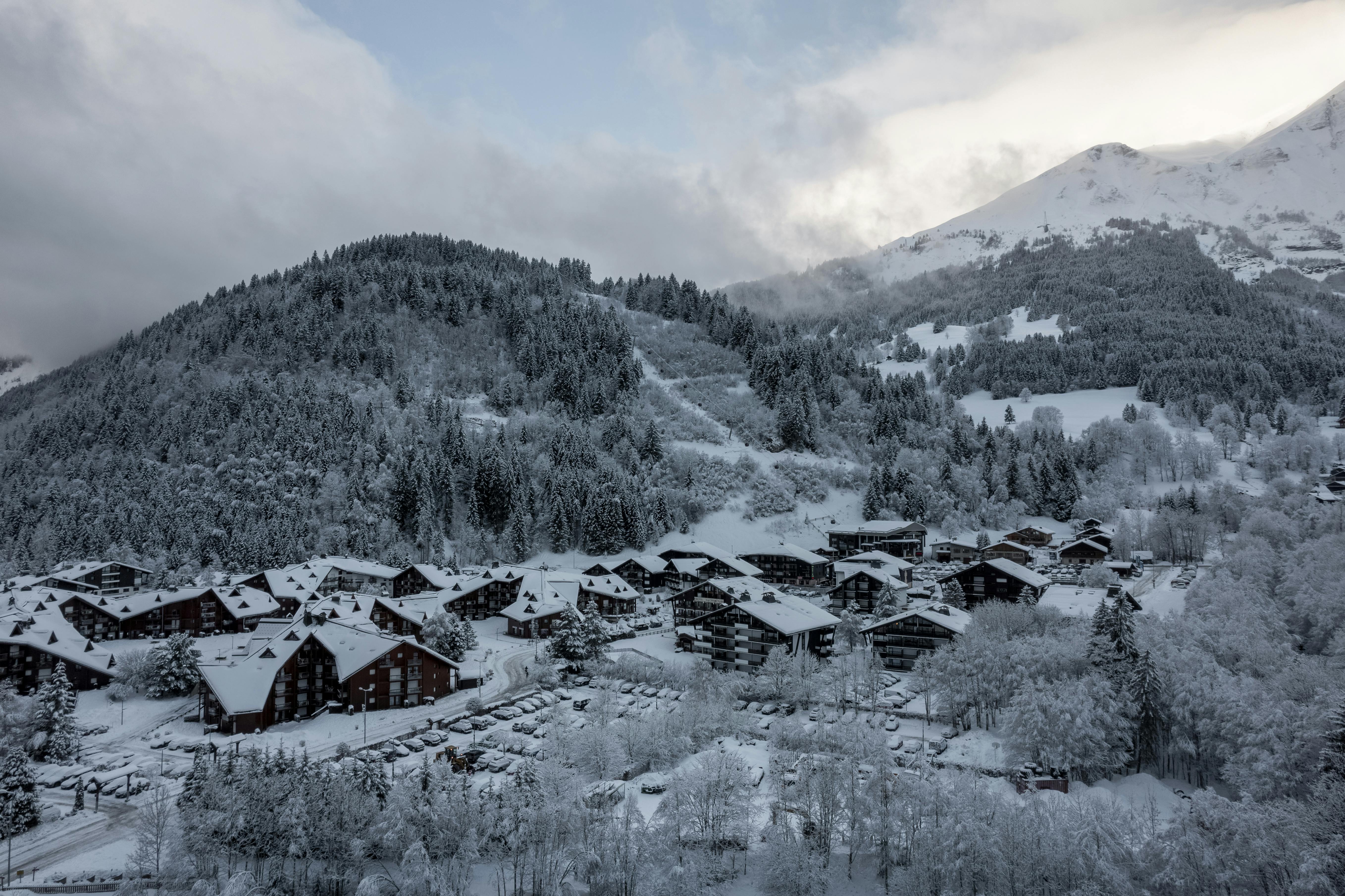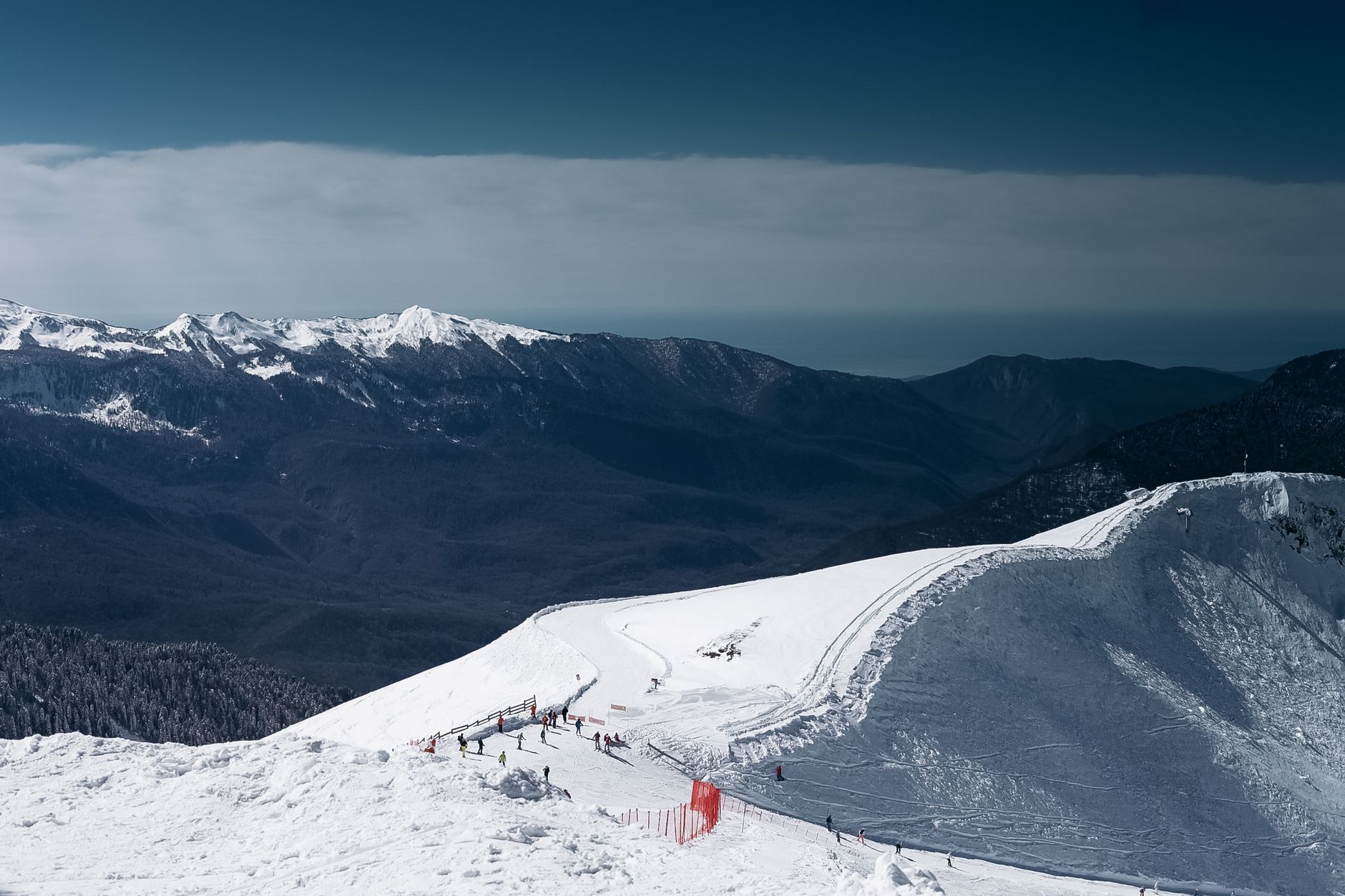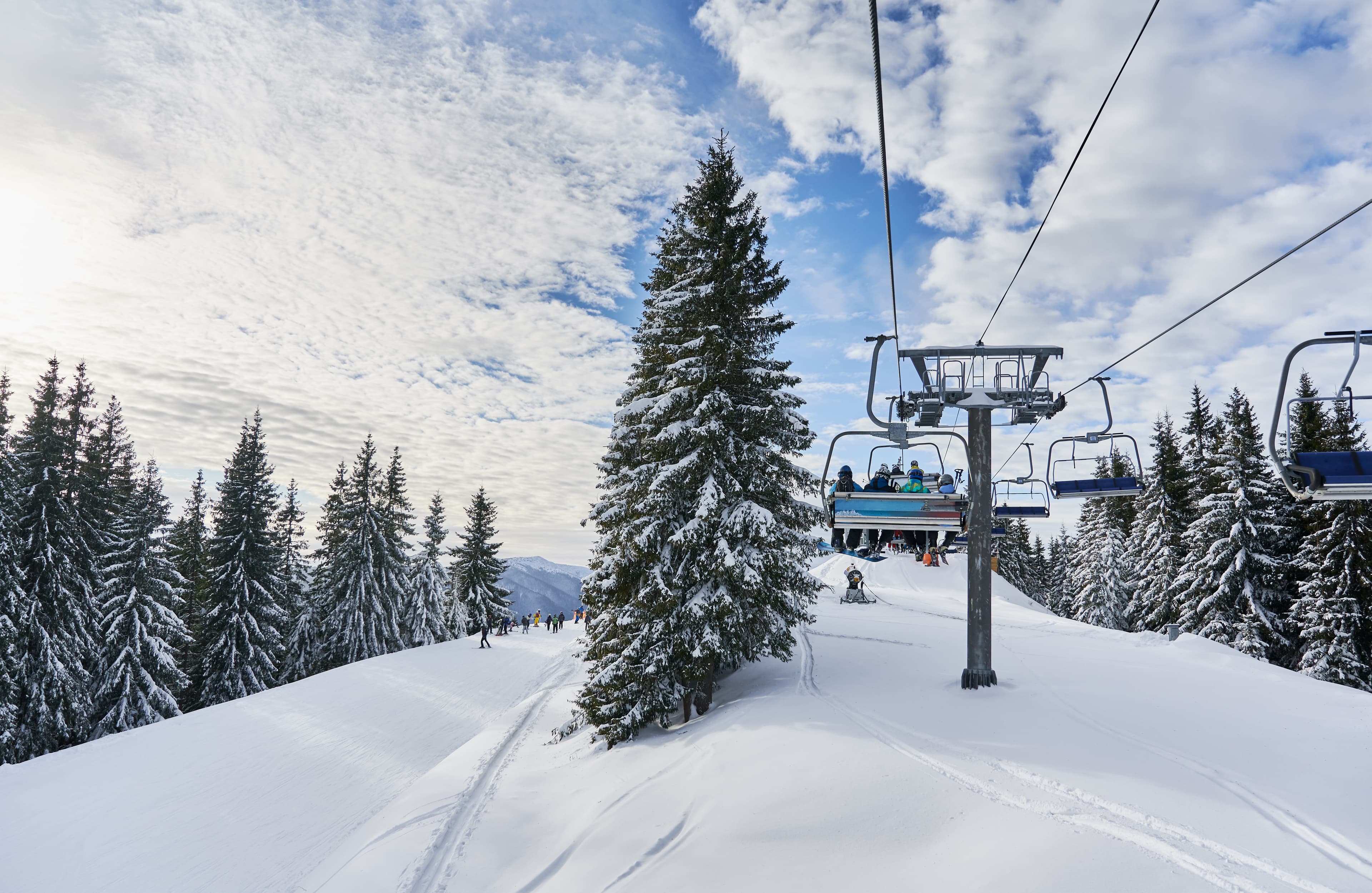
My first sunrise over the Ten Peaks still haunts my memory. I sprinted to the park‑gate with coffee in hand and felt the world melt into powder.
Choosing how to reach the resort sets the tone for the whole trip. The Calgary International Airport (YYC) lies 140 km (87 mi) east, and you can arrive by taxi, shuttle bus, train, or private transfer.
Taxi rides cost roughly USD 285 one‑way, and the driver can drop you at the park‑gate in just 2.1 hours if traffic cooperates. The advantage is door‑to‑door convenience, but the cost spikes during holiday weekends.
Shuttle buses operated by Brewster Express charge CAD 49 per adult, with a travel time of 2.5 hours. Buses run every two hours, and you’ll enjoy panoramic windows that showcase frozen lakes and spruce forests along the 140 km route.
A one‑way ticket from Calgary to Banff costs USD 119 and takes 1.8 hours, but you must transfer to a local taxi for the remaining 23 km (14 mi) to Lake Louise, adding about EUR 38 to the total.
Private transfers booked through Rentalcars.com or Sixt start at EUR 179 for a premium sedan, delivering you to the resort in 2 hours flat. With a driver who knows the mountain passes, you avoid the surprise of sudden snow drifts that can add 20 minutes to any road journey.
For most families, the shuttle bus offers the sweet spot of affordability and reliability. If you’re chasing the photogenic “train over the Rockies” moment, the rail‑plus‑taxi combo is unbeatable. And when you need flexibility for early‑morning lift openings, a private transfer is the only sensible choice.
Tip: Book your shuttle at least 48 hours in advance via Calgary to Lake Louise shuttle to lock in the lowest fare.
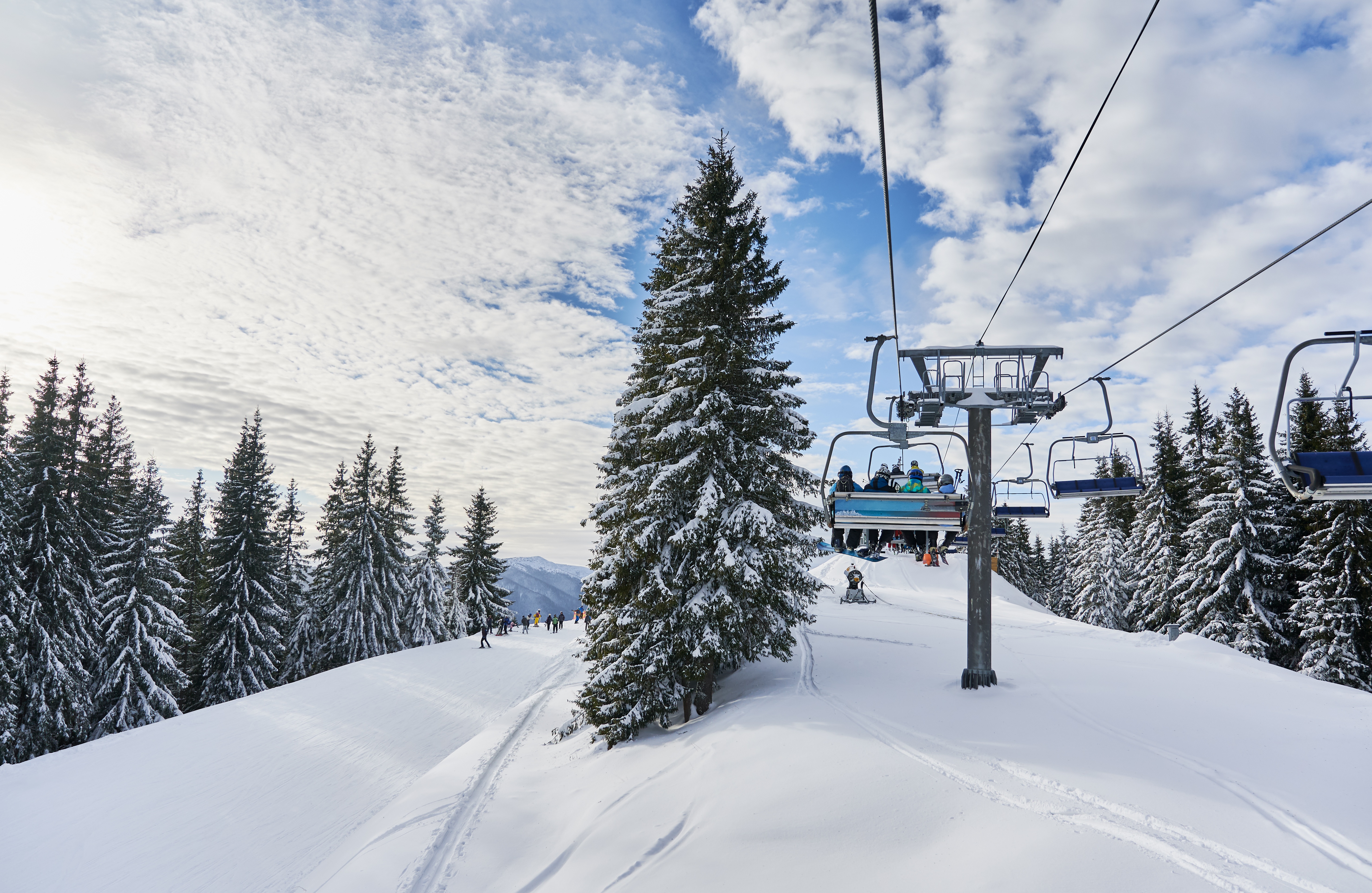
Lake Louise spans 4,200 acres (1,700 ha) of groomed and off‑piste terrain, delivering over 145 km (90 mi) of marked runs. The mountain’s layout splits into three main zones: Whitehorn, Bowie, and Bowl.
The Bunny Hill near the base lodge offers a gentle 150 m (492 ft) gradient, perfect for first‑timers. The ski school, staffed by certified instructors, runs 2‑hour group lessons for CAD 79 per adult. I still recall my instructor’s chuckle when I tried a parallel turn and nearly spun into a snowbank—my first “snow‑splat” moment.
Runs like Lakeview and Swan provide 4‑kilometer (2.5 mi) cruisers that link the Whitehorn summit to the village. These slopes feature a mix of wide‑open sections and gentle steeps, allowing you to refine carving while soaking up spectacular views of the Bow River valley. I prefer the Swan for its steady rhythm; it’s the perfect runway for polishing technique before tackling the bowls.
The resort boasts 12 double‑black diamonds, including the infamous West Bowl and Devils Back. These areas demand expert skill, with pitch angles reaching 38 degrees and natural cornices that test even seasoned riders. A full‑day Epic Pass covering Lake Louise costs USD 189, whereas a Day Pass for a single resort averages USD 124.
Below is a quick snapshot of the terrain breakdown:
Personal opinion: The diversity here beats most European resorts I’ve visited because the vertical drop of 1,100 m (3,609 ft) is packed into a compact lift network, meaning you waste less time in queues and more time snow‑deep.
If you’ve ever dreamed of carving through untouched powder without a crowd in sight, the West Bowl delivers. Accessible via the Whitehorn Express lift (a 12‑minute ride from the base), the bowl opens at 2,500 m (8,202 ft) and drops down to 1,600 m (5,249 ft), offering a vertical descent of 900 m (2,953 ft).
A Full‑Day Lift Ticket for the West Bowl alone costs USD 132, while at a nearby competitor like Whistler Blackcomb, an equivalent advanced‑area ticket averages USD 148. The price gap of USD 16 reflects Lake Louise’s lower overhead and the fact that you can ski the entire resort with a single pass.
Historical data shows an average base depth of 1.3 m in March, with fresh snowfall of 25 cm recorded on 2023‑12‑12. The bowl’s north‑facing orientation preserves snow quality well into late May, extending your powder window by up to six weeks compared with south‑facing slopes.
1. Check avalanche forecasts on the Alpine Canada app before heading out.
2. Carry a beacon, shovel, and probe; the terrain’s remote sections mean rescue times can exceed 15 minutes if you stray off‑piste.
3. Start early; the bowl fills quickly after 10 am when the sun softens the snow surface.
Honest admission: On my first West Bowl run I misread a signage marker, rode straight into a hidden crevasse and spent a harrowing half‑hour clawing my way out—thankfully I escaped with only a bruised ego and a new respect for trail maps.
Lake Louise doesn’t just excel on the hill; its village offers a suite of dining and relaxation options that keep you energized and happy.
I adore the Keg Lounge because its vaulted stone ceiling and roaring fireplace create a cozy retreat after a long day carving. The live folk music on Friday evenings adds a cultural flavor that few North‑American ski resorts match.
Personal opinion: The combination of upscale dining and family‑friendly services makes Lake Louise feel more like a resort town than a remote ski area.
Choosing lodging wisely can shave off both dollars and minutes of travel time. The village hosts a range of options from luxury chalets to budget hostels.
Rooms start at EUR 219/night in the off‑season, and each suite offers a private balcony with glacier views. Breakfast includes locally sourced maple‑glazed bacon, and the on‑site spa offers a 30‑minute hydro‑circuit for USD 68.
Rates hover around CAD 129/night during peak winter, and the hotel provides a complimentary ski‑in/ski‑out shuttle to the Whitehorn base. I booked a room through Budget Alpine Stays and saved 12 % using the promo code “ROCKY12”.
Dorm beds cost USD 27 per night, and the communal kitchen lets you brew coffee for under EUR 2 per cup. The hostel runs a nightly “Gear Swap” where guests trade lightly used gloves and helmets.
My personal budgeting rule is simple: never let food exceed 20 % of the total trip cost. That keeps the experience indulgent without blowing the bank.
Even seasoned riders stumble on the small details that make a day smooth or stressful.
Canada drives on the right, so UK visitors must remember the steering wheel sits on the left. Rent a vehicle from Sixt and request a GPS calibrated to kilometers; the on‑board system displays distances in km, not miles, preventing navigation errors on the 2‑hour drive from YYC.
The village sits at 1,600 m (5,249 ft). Drink a glass of water every hour and consider a light walk before your first lift to avoid the common 12‑hour “headache” symptom.
Start with a moisture‑wicking base, add a fleece mid‑layer, and finish with a waterproof shell rated ≥10 ,000 mm breathability. My favorite combo is a Patagonia Capilene shirt, a Columbia fleece, and a Gore‑Tex shell – it kept me dry during a sudden 5 °C temperature drop.
Secure your lift pass through the official Lake Louise website at least 48 hours ahead; same‑day tickets can cost up to 30 % more (USD 162 vs USD 124).
These four quick actions will keep you on the slopes longer and your stress level lower.
The Brewster Express shuttle at CAD 49 per adult is the cheapest door‑to‑door option, taking about 2.5 hours. Booking online at least 24 hours ahead guarantees the lowest fare.
Yes, the West Bowl is classified as off‑piste terrain, so a beacon, shovel, and probe are mandatory. Rental kits are available at Hertz for USD 45 per day.
Absolutely. Canadian rental agencies like Enterprise accept US licenses without an International Driving Permit, but you must be over 21 years old.
The main lodge offers complimentary Wi‑Fi throughout the village, making it easy to upload videos or check the live snow report.
A full‑day lift ticket at Lake Louise costs USD 124, while Whistler’s standard adult ticket averages USD 149 – a difference of USD 25, roughly a 16.8 % savings.
Open a new tab, head to Rentalcars.com, and reserve a Sixt premium sedan for EUR 179 today; the instant confirmation locks in the lowest private‑transfer price for the season.
Leave a request and we'll send a personal offer for your dates. One window instead of ten tabs — gear, transfer and car sorted and confirmed in advance.