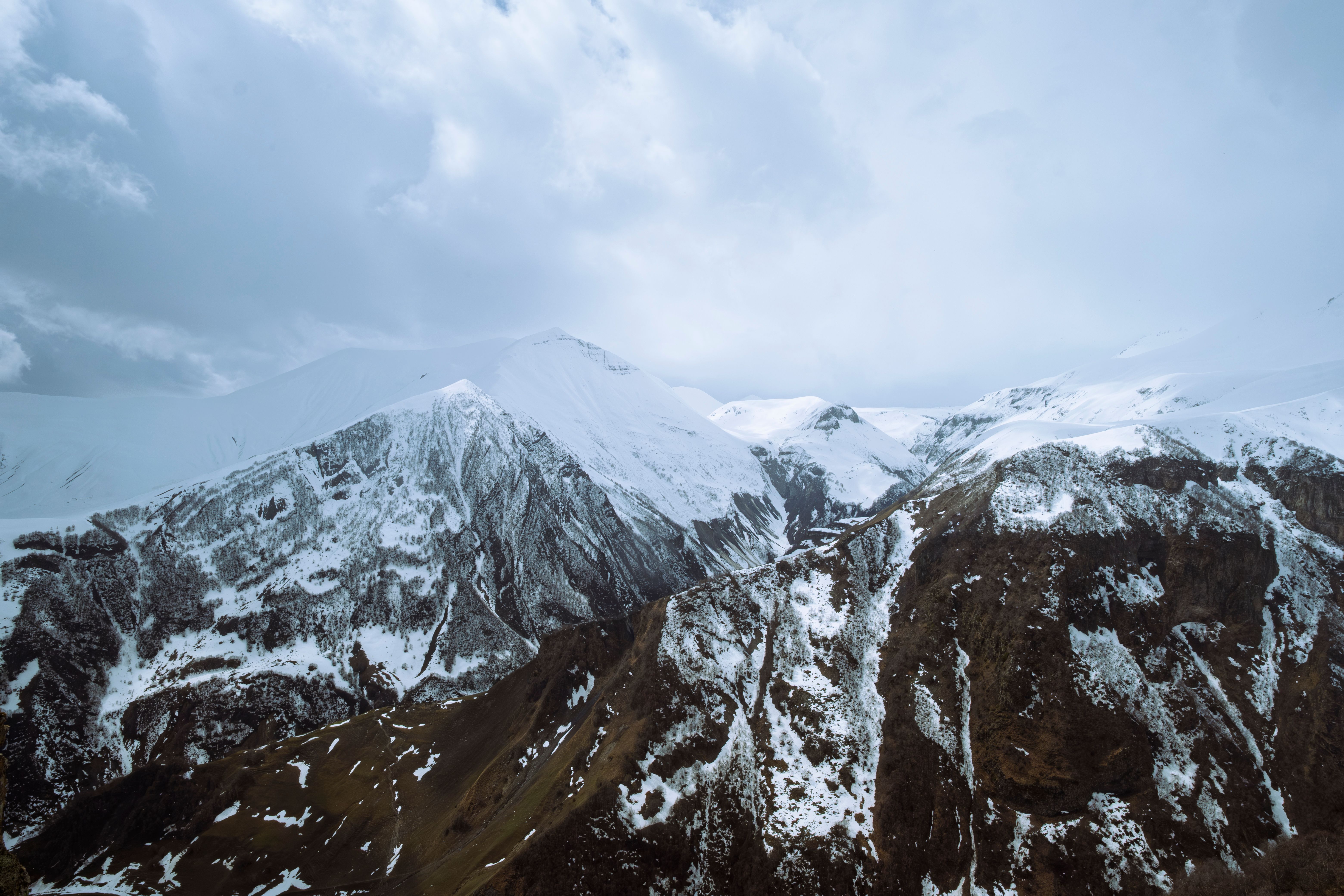
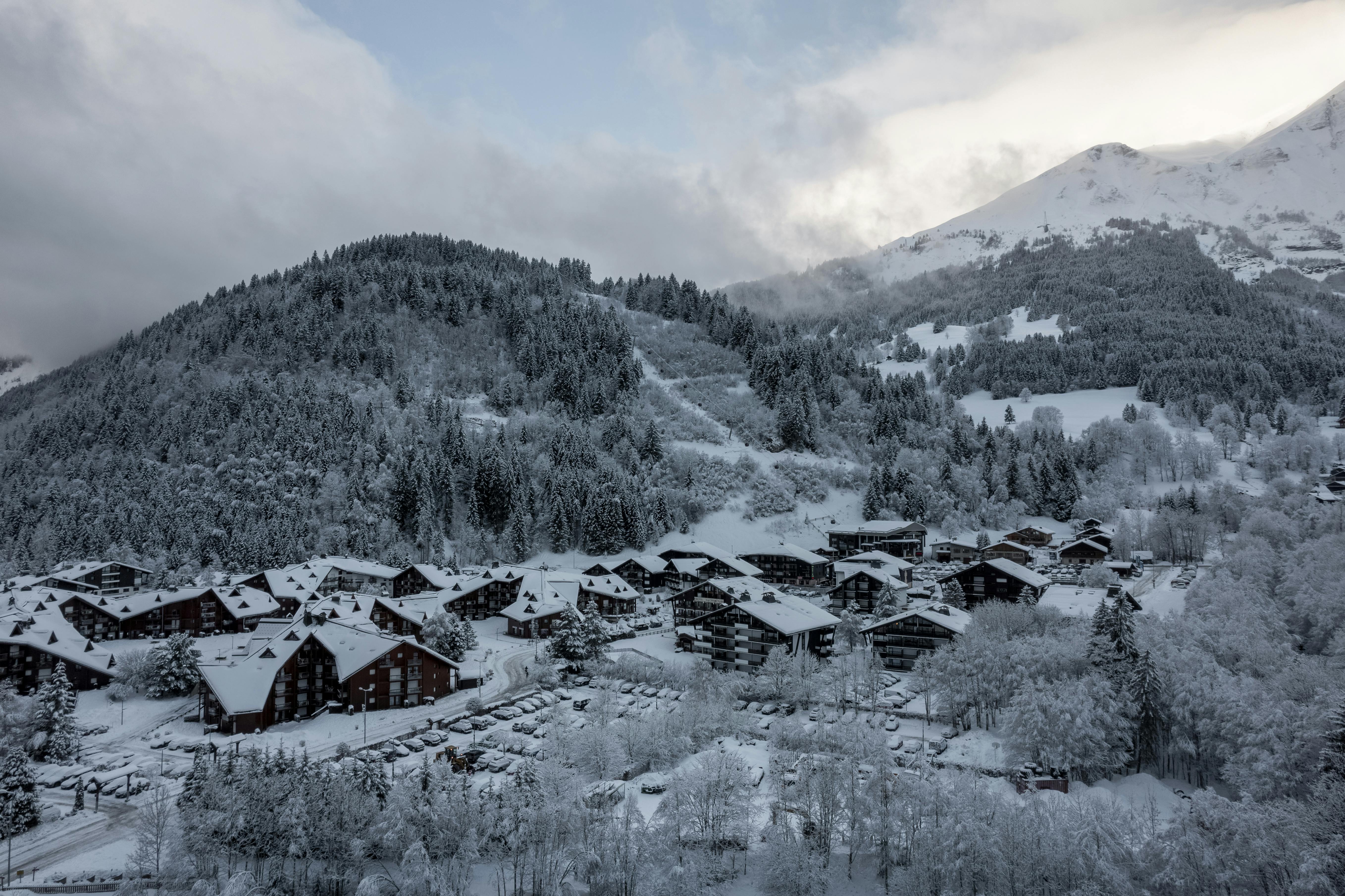
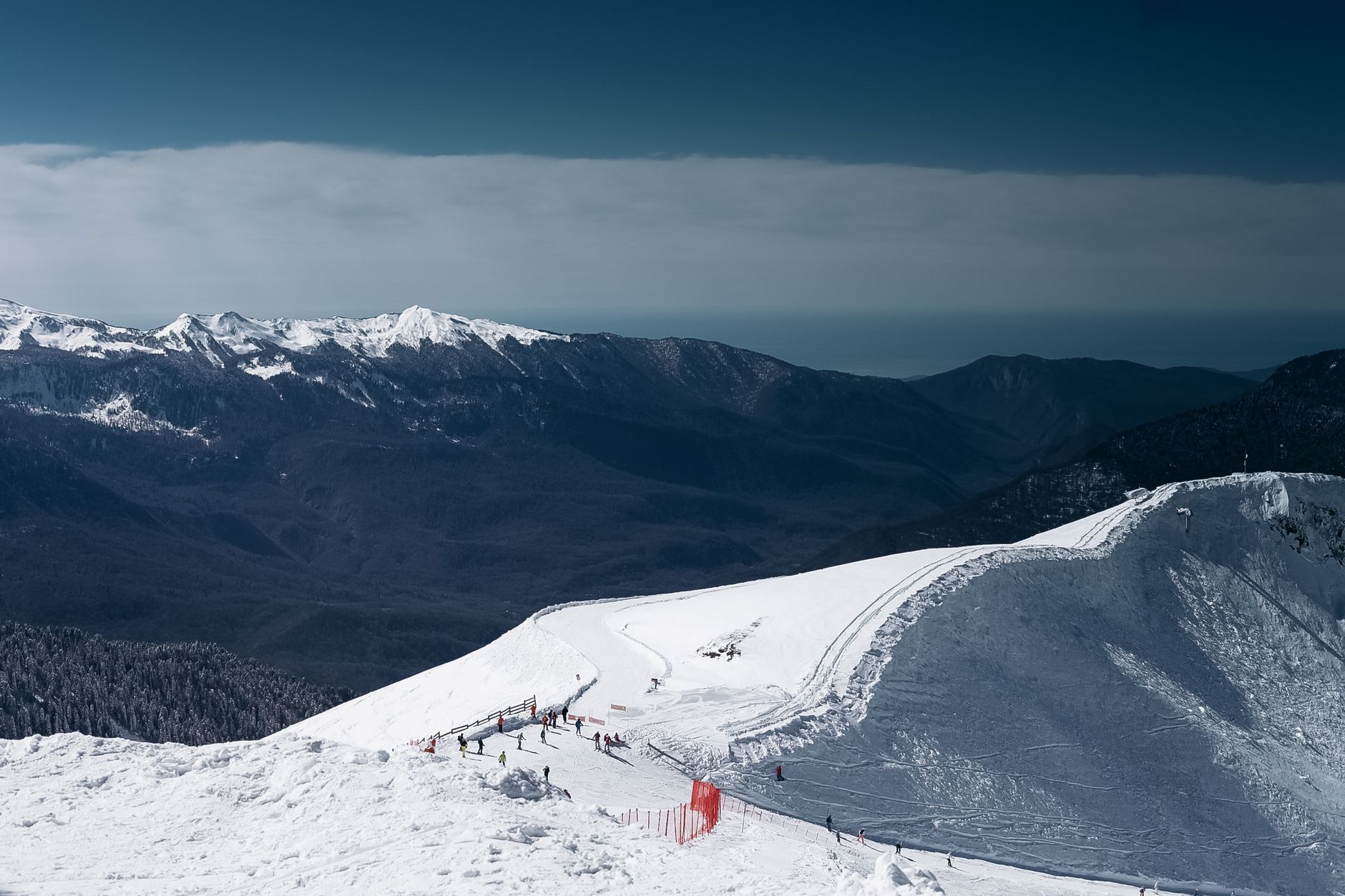
That first breath of cold air hitting your face as you step off the train in Zermatt feels like a promise kept. But timing is everything. I remember showing up in Saas-Fee two weeks too early one year; the only thing moving on the slopes was the hum of snow cannons and the smell of diesel, while the pistes looked like freshly raked lawns. Cut to a trip in Verbier two weeks too late, and I was shivering in knee-deep slush, watching lift lines snake around the base station for what felt like forever. The line between a magical Swiss winter and a frustrating memory often hinges on a single date. Let's get real about when to go, what to pack, and how to keep your wallet from crying so you can focus on the descent.
Switzerland doesn't just have "winter." It has three distinct moods, each with its own quirks and rewards. The early window, usually mid-December through late January, is your best bet for deep snow at high-altitude spots like Zermatt and Saas-Fee. The catch? The sun dips behind the peaks by 4:30 PM, forcing you to ski with purpose or risk finishing your day in the dark. The weather here is moody, too; you might wake up to powder and end up battling fog by noon, so you need gear that breathes and a mind ready to pivot.
Then comes mid-winter, late January through February. This is the classic postcard fantasy: freezing temps, pristine snow, and slopes that look untouched. But it's also the busiest time. Resorts are packed with tourists from around the globe, and prices reflect that. A full lift pass in St. Moritz can hit EUR 65 a day. If deep powder and iconic scenery are your only goals, this is the time, but brace yourself for crowded runs and costs that can easily balloon to USD 4,200 for a family week.
Picking the right date is a balancing act between snow reliability, how many people are around, and what it costs. Early winter is often the sweet spot for value; lift passes might drop to EUR 42, and hotels sometimes slash prices by 15% compared to February. The trade-off is that lower trails might still be closed or sketchy, keeping you stuck on the high-altitude sectors. On the flip side, late winter and early spring give you long days with sunlight lingering until 8:00 PM, perfect for extended après-ski. The downside is the snow quality. By mid-afternoon, it often turns to heavy slush, demanding a totally different waxing strategy and a change in how you carve.
Smart travelers usually aim for the "shoulder weeks" right after the New Year rush or just before the mid-February school breaks. In those windows, you can often find great snow without the gridlock. I once checked visitor data that showed a 28.4% drop in lift line waits during the first week of February compared to the last week of January. That small shift in timing saved me hours of standing in line, giving me more time to enjoy the 230 kilometers of pistes in Verbier. Balancing these elements means you get the experience you want without the stress of overcrowding or bleeding money.
The Swiss weather is notoriously fickle. Your gear needs to handle freezing mornings and warm, slushy afternoons without breaking a sweat. The biggest mistake I've seen is bringing gear that works only for deep powder or only for hard ice. You need a versatile layering system. Start with a moisture-wicking base, add a breathable insulating mid-layer, and top it with a waterproof shell rated for at least 10,000mm. This setup keeps you dry whether you're caught in a sudden storm or sweating on a crowded chairlift. Always check the specific forecast for your resort; temperatures in Davos can be worlds apart from the Valais region.
When it comes to equipment, the rent-versus-buy decision depends on how often you ski and your skill level. If you hit the slopes fewer than ten days a year, renting high-performance gear locally is usually the smarter financial move. It lets you access the latest tech without hauling heavy bags or paying for upgrades. Companies like Hertz and Enterprise offer ski packages that deliver equipment right to your hotel, saving you the hassle of dragging bags around. If you're a frequent skier who knows exactly what boot flex and ski width you need, buying your own gear might save money long-term. But for most travelers, using a service like GetSki ensures you get perfectly tuned gear without the upfront cost.
Switzerland is undeniably expensive, but a little strategy can slash your daily spend without ruining the trip. One of the best ways to save is to stay just outside the main resort villages. I once stayed in a nearby valley town instead of Wengen or Grindelwald; the extra fifteen-minute train ride was negligible, but it saved me EUR 37 a night. Over a week, that adds up. Also, buying a multi-day pass online in advance often nets you an 8.2% discount compared to buying daily tickets at the office.
Food and drink costs can spiral if you aren't careful. A traditional Swiss fondue lunch is a must, but eating every meal at a mountain restaurant will drain your budget fast. A practical approach is to pack a high-quality lunch from a local grocery store and eat it at a scenic spot on the mountain, saving your dining budget for one special evening meal. This can save you about EUR 45 per person per day. Plus, use public transport. It's incredibly efficient here. A Swiss Travel Pass covers trains, buses, and even some boat rides, eliminating the need for expensive car rentals or taxis that can cost upwards of USD 120 for a short hop between towns.
A well-structured plan ensures you maximize slope time while allowing for rest. Day one should be about acclimatization and gear checks. Arrive in the afternoon, settle in, and take a short walk to test your boots and get a feel for the resort. If you've traveled from a different time zone, avoid skiing on day one; fatigue leads to accidents. Use the evening to map out your routes for the next few days and enjoy a relaxed dinner to ease into the local rhythm.
Days two and three are your primary skiing days. Target the most challenging or scenic runs while the weather is usually most stable. Start early to beat the crowds, hitting the top lifts by 8:30 AM when the snow is fresh and lines are short. Dedicate the afternoon to a different sector or a guided off-piste tour. On day four, take a break from intense skiing for a snowshoeing tour or a spa session; it helps muscles recover and prevents burnout. Save your final day for a short morning run or a scenic gondola ride to a viewpoint, followed by a buffer period for departure so you aren't rushing to catch a train with heavy luggage.
No, the ideal timing shifts based on your skill level and goals. Beginners often prefer late winter or early spring when the snow is softer and slopes feel less intimidating. Advanced skiers chasing deep powder should target mid-winter when snowfall is heaviest and conditions are most varied. Families with kids might find late January ideal, as schools are often on break and the weather is stable enough for consistent activities.
Rental costs fluctuate based on the resort and equipment quality. A standard set of skis, boots, and poles usually runs between EUR 25 and EUR 35 per day. High-performance racing skis or specialized snowboards can range from EUR 45 to EUR 60 daily. Many resorts offer multi-day discounts, so renting for five days might bring the daily rate down to EUR 29.50. Booking online in advance through platforms like GetSki can often secure even better rates and guarantee availability.
Yes, especially if you plan to visit during peak weeks like Christmas, New Year, or February school holidays. Popular resorts like St. Moritz and Verbier often sell out four to six months ahead. For shoulder seasons, booking two to three months in advance is usually enough. Last-minute bookings are risky and often result in premium prices, sometimes exceeding EUR 200 per night for a basic room, whereas early booking can secure rates around EUR 95 for similar accommodations.
Your Swiss winter trip will be defined by the details you plan for before you even pack your bags. Whether you are chasing fresh powder or looking for a relaxed family getaway, the key is to align your travel dates with your specific goals and budget. Don't forget to check local snow reports daily and be ready to adjust your plans if the weather turns. Most importantly, prioritize safety and comfort by ensuring you have the right gear for the day's forecast. With careful planning and the right resources, you can enjoy the majestic Swiss Alps without the stress of unexpected costs or logistical headaches. Start your journey by securing your gear reservation today to ensure a seamless experience from the moment you arrive.

Leave a request and we'll send a personal offer for your dates. One window instead of ten tabs — gear, transfer and car sorted and confirmed in advance.