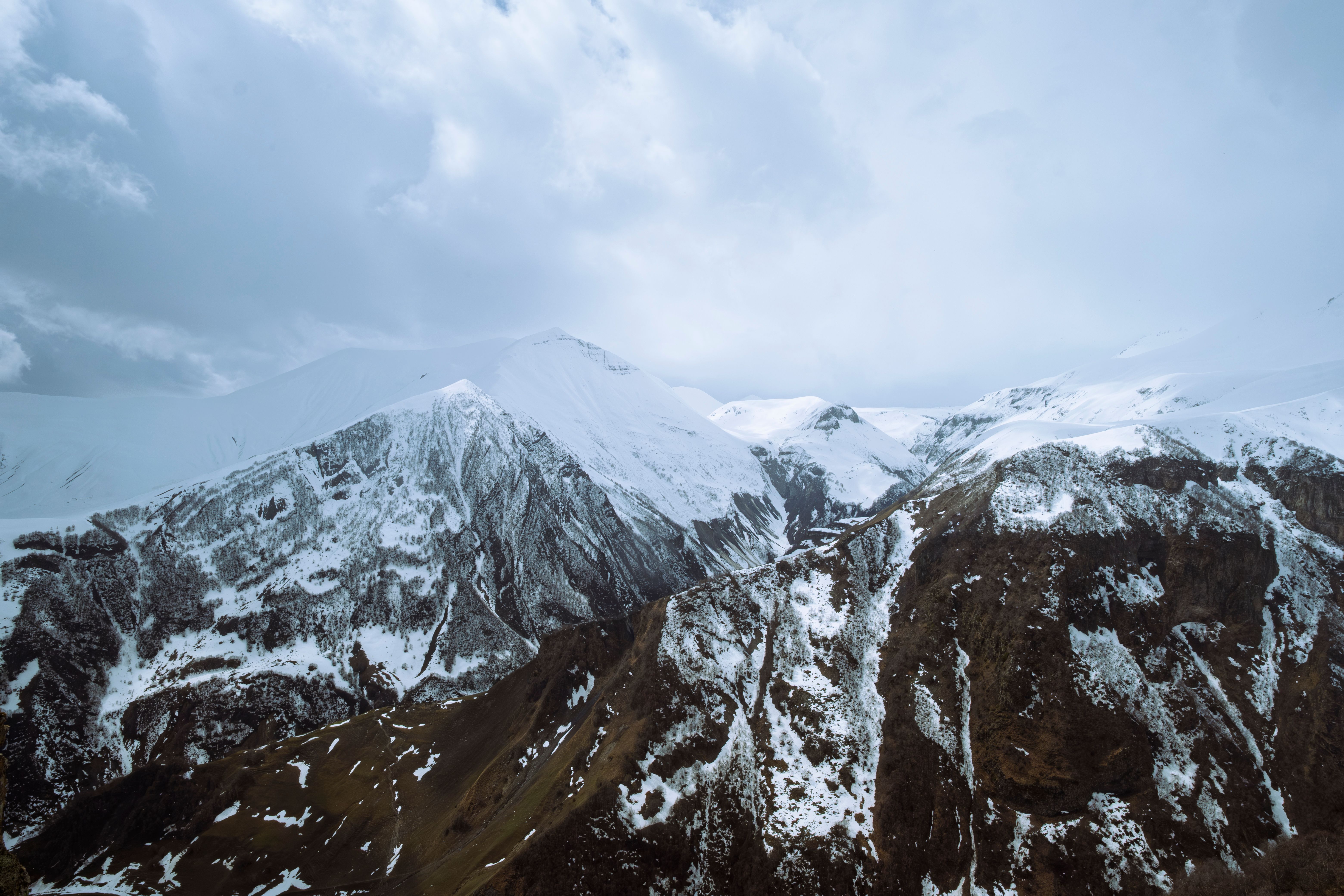
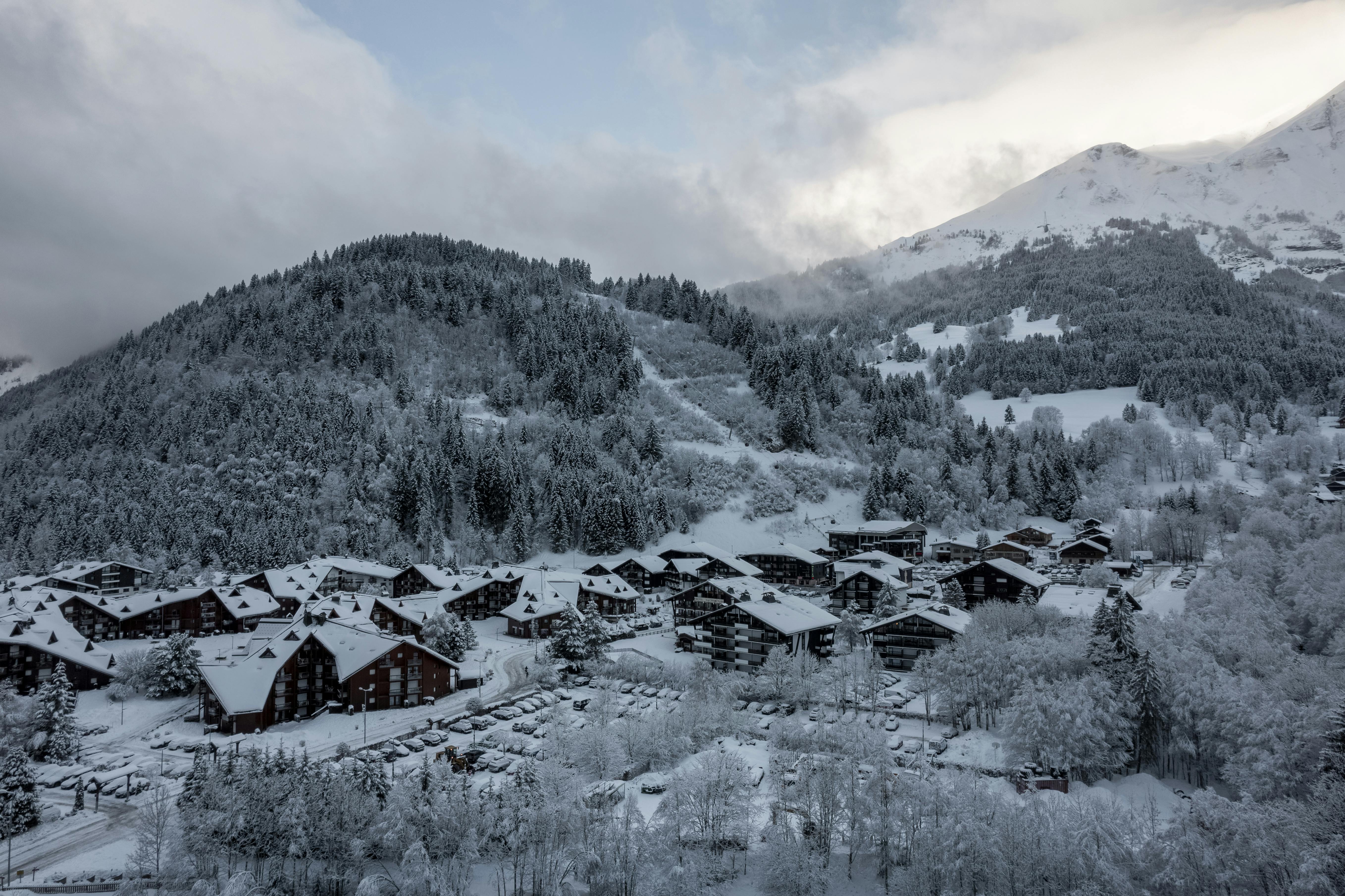
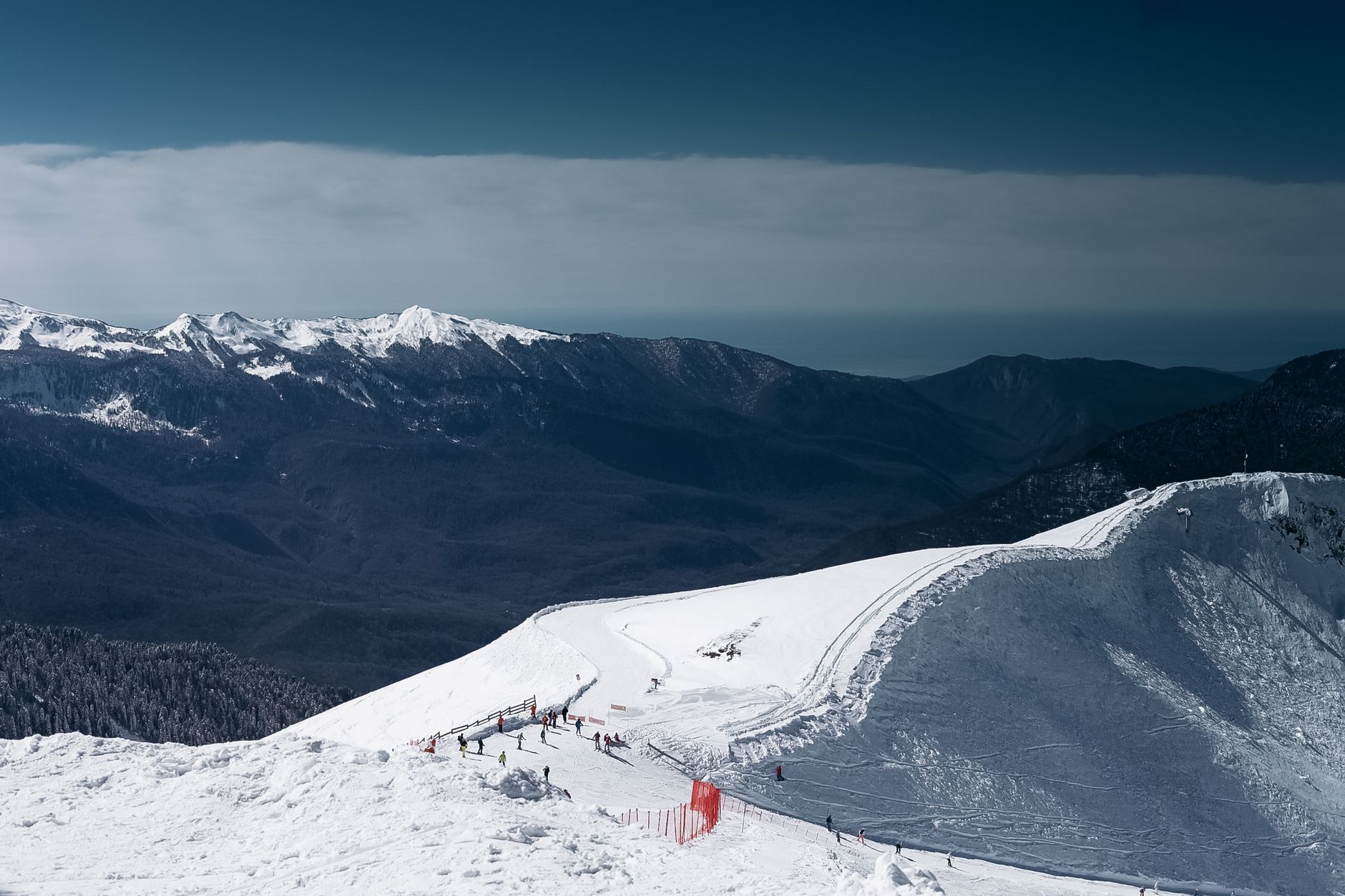
I remember the moment the plane door opened in Bozeman, the air biting my cheeks with a sharp, crystalline cold that smelled of pine and impending snow. I had only one ski pole in my hand, a single piece of gear for a dream that felt dangerously close to becoming a nightmare. Yet, as I looked out over the valley, I realized I had stumbled upon the perfect window: a chaotic winter transformed into a flawless adventure through timing, budget hacks, and a deep understanding of the mountain's moods.
Montana does not simply change seasons; it swaps entire personalities, wearing four distinct coats that dictate every aspect of your trip. The mountains here are notorious for their volatility, swinging from brilliant, sunny mornings to blinding snowstorms in a matter of minutes, forcing every traveler to read the sky like a seasoned meteorologist.
The true secret to a successful trip is aligning your specific activities with the region's microclimates. Whether you are chasing the high-altitude snowfields of Big Sky Country or the lush, green valleys of the Flathead, the weather patterns are non-negotiable. From November through March, average highs in Whitefish linger near -2 °C (28 °F), while Bozeman might see daytime sunshine push temperatures to a mild 3 °C (37 °F).
Spring brings a rapid, almost aggressive climb in temperature, with April averaging 9 °C (48 °F) and May reaching a comfortable 14 °C (57 °F). Summer peaks at 27 °C (81 °F) in Helena, yet mountain evenings can still dip below 12 °C (54 °F). Autumn cools quickly; by October, daytime highs fall back to 11 °C (52 °F), and the first frost often signals the return of snow. Daylight shifts dramatically, too. In December, you have only 9.5 hours of light, whereas July offers a staggering 15.5 hours of sunshine, allowing for extended adventures without the rush of dusk.
Understanding this climate triangle—snow, daylight, and temperature—is essential for planning. If you prioritize reliable snow, aim for the core winter months. If you crave wildflowers, target late May through early June. This data guides every timing decision you will make.
For avid skiers and snowboarders, the window from late November to March is non-negotiable, offering the deepest snowpack and the most reliable conditions. Snowpack reaches its maximum depth in February, averaging a massive 152 cm at Big Sky Resort. The area enjoys an impressive 47.3% chance of fresh powder on any given day, a statistic that makes the cold winds worth enduring.
However, this period also brings the shortest days and the coldest winds, which can shave 2 to 3 hours off your ski time if you fail to factor in sunrise. Proper gear suggests layered protection: a waterproof shell, insulated mittens, and goggles that switch from low-light to bright-sun lenses. Many first-time visitors underestimate the need for a face mask; I once arrived at Whitefish Mountain Resort without one and spent an hour shivering in the lift line, a costly mistake in both comfort and morale.
Travel costs peak during holiday weeks, but savings are still possible with strategic booking. Mid-week rentals at Hertz often drop to USD 45/day, compared to USD 55/day on weekends. Booking a private transfer from Bozeman Yellowstone International Airport (BZN) through Rentalcars.com costs USD 85 for a 142 km ride, taking about 2.5 hours, while a shared shuttle is USD 45 but may add an extra half-hour of waiting time.
If solitude is your goal, look for "shoulder weeks." The week after New Year's Day typically sees a 22% dip in skier count, yet snow conditions remain excellent. To maximize your budget, consider these specific strategies:
These numbers show that while Big Sky offers the deepest snow, Bridger Bowl delivers the cheapest lift tickets and car rentals, a worthwhile trade-off if budget constraints matter more than sheer depth.
When the snow recedes, the valleys burst into a riot of colors, marking the transition from the harsh winter to the vibrant spring. April brings the first crocuses at Glacier National Park, and by May the meadows are carpeted with Indian paintbrush, lupine, and alpine asters. Daylight expands to 13 hours, allowing for full-day hikes without the need for a headlamp, a luxury winter travelers rarely enjoy.
Temperatures hover between 8 °C and 15 °C at 1,500 m elevation, perfect for a light fleece and a breathable base layer. Road conditions improve dramatically after the March snow melt; the US 101 between Missoula and Kalispell becomes fully plowed, shaving 30 minutes off the 142 km drive that could otherwise take 3 hours on a slick road. Rental rates also dip to USD 38/day with Enterprise, a genuine bargain compared to winter peaks.
One of my favorite spring itineraries is a four-day loop: Day 1 involves arriving in Missoula to pick up a car; Day 2 is driving to Glacier to hike the Highline Trail, a 15 km, 6-hour round trip; Day 3 explores the Two Medicine area; and Day 4 returns via scenic byways, stopping at historic towns like Whitefish. I booked the car through Sixt using a promo code that shaved EUR 5 off the daily rate, a small tip that saved me USD 20 total.
Remember, spring storms can rebuild a week's worth of melt in a single day, so always check the forecast on Weather.com before heading into higher elevations. Carry a lightweight down jacket; I once got caught in a June squall at 2,100 m and realized too late that my fleece was insufficient, leading to an unplanned shelter stop at a ranger station.
Summer transforms Montana into a playground for hikers, bikers, and music lovers, with peak visitor numbers hitting in July. Yet, the crowds are spread across a massive area, so you can still find solitude on lesser-known trails if you know where to look. Average highs reach 27 °C in Helena, but mountain valleys stay comfortably cool at 15 °C, providing ideal conditions for multi-day treks.
Daylight peaks at 15.5 hours, letting you start at 5 a.m. and still have a sunset dinner by 9 p.m. If you're planning to camp, reserve spots early. Flathead Campground at Lake McDonald fills up within 48 hours of the opening date in May; a reservation costs USD 30/night. For those who prefer cabins, Glacier Lodge offers rooms at USD 120/night, including breakfast and a shuttle to trailheads.
Transportation choices matter significantly during this season. A taxi from Bozeman Airport to downtown costs USD 110 for a 150 km ride, taking 2 hours on the I-90. The regional bus (Western Greyhound) runs USD 45 for the same distance, but the schedule has only four departures daily, stretching travel time to 3 hours with stops. The train (Amtrak's Empire Builder) provides a scenic 4-hour ride for USD 85, with a panoramic window seat adding value for photographers. Private transfers via Rentalcars.com can be booked for USD 95 and guarantee door-to-door service in 2.5 hours.
My summer tip: purchase a National Parks Pass for USD 80; it covers entrance to Glacier, Yellowstone, and several state parks, saving you roughly USD 250 if you visited three parks individually. Also, pack a reusable water filter—Montana's mountain streams are crystal clear, and buying bottled water can quickly add up to USD 15 per day. For more details on park logistics, check out our guide on national park passes.
The autumn months reveal a quieter, more introspective side of the Big Sky State. As temperatures dip to 9 °C and daylight shrinks to 10 hours, crowds thin dramatically. October yields the most vibrant aspen groves, turning a fiery 70% of the state's foliage, especially along Highway 93 between Missoula and Kalispell. The shorter days mean you'll finish hikes by 4 p.m., so plan lunches early to avoid being caught in the dark.
Driving costs are minimal; gas averages USD 3.49/gallon, and a typical 120 km round-trip to see the Going-to-the-Sun Road costs about USD 12 in fuel. Rental rates fall to USD 35/day with Hertz, the cheapest season of the year. Many visitors overlook the free shuttle that runs from Whitefish Airport to the town center for USD 0—a budget-friendly alternative to taxis that saves money for better food.
A personal favorite is the Missoula to Butte historic rail journey. The Amtrak North Coast Hiawatha (operating under a special seasonal schedule) charges USD 70 for a one-way ticket and takes 3.5 hours, offering photo-ops of golden aspens. Comparing the costs: the train is USD 20 more expensive than driving yourself, but you gain a relaxed experience and avoid winter-style road hazards still lingering from early snow. For more on scenic routes, read our article on scenic drives.
Don't forget to bring a sturdy pair of waterproof boots; a sudden October rainstorm once soaked my sneakers, forcing an unplanned overnight stay at a motel that cost USD 95—a lesson that taught me to always pack spare socks. If you are looking for accommodation, booking.com often has last-minute deals for fall travelers.
Getting from the airport to your mountain base can shape the entire trip budget, often determining whether you have money left for lift tickets or meals. A taxi offers convenience but comes at a steep price: USD 110 for a 142 km ride from Bozeman to Big Sky, taking 2 hours and 15 minutes. While door-to-door service is a plus, surge pricing during storms can inflate this cost significantly.
Shared shuttles are a cheaper alternative at USD 45 for the same route, but they take 2 hours and 45 minutes due to multiple stops and a fixed schedule. A rental car from Enterprise costs USD 38/day plus fuel, taking 2 hours and 10 minutes, offering the ultimate flexibility to explore side trips. The train (Amtrak) costs USD 85 for a 3-hour and 30-minute ride to Butte, offering a scenic, traffic-free experience, though it lacks direct service to all resorts.
Private transfers via Rentalcars.com cost USD 95 pre-booked, taking 2 hours, and guarantee pickup with driver assistance. If your priority is cost, the shared shuttle wins. For ultimate freedom to chase sunrise hikes, the rental car is unbeatable. My own misstep: I booked a taxi for a night-time arrival in January, only to learn the driver was stuck in a snowstorm for 2 hours, costing me an extra USD 45 in overtime—an avoidable mishap with proper planning. For more on transport logistics, see airport transfer tips.
February typically provides the deepest and most consistent snowpack, averaging 152 cm at Big Sky and a 47.3% chance of fresh powder on any given day, making it the prime month for serious skiers.
Yes—Enterprise and Sixt often list weekly rates around USD 250 (approximately USD 35 to USD 38 per day), especially during the shoulder seasons of April and October when demand is lower.
Bozeman usually has lower airfare, but Missoula's ground transport to western resorts can be up to USD 20 cheaper per day when you rent a car, balancing the total cost depending on your final destination.
Bring a breathable rain jacket, layered clothing for temperatures between 15 °C and 25 °C, a wide-brim hat, and a lightweight water filter; the park's streams are safe to drink after filtration, saving you money on bottled water.
A private transfer from Bozeman Airport to Big Sky costs USD 95 and takes about 2 hours, while a shared shuttle is USD 45 but may extend travel time to 2 hours and 45 minutes due to multiple stops and fixed schedules.
Pick the season that aligns with your priority—whether it's powder, wildflowers, or quiet roads—and lock in your dates early to secure the best rates. Book car rentals with Enterprise or Sixt during shoulder weeks to shave up to USD 15 off daily rates, and always carry a layered clothing system to adapt to Montana's rapid weather swings. For a complete packing list, visit our winter gear guide.

Leave a request and we'll send a personal offer for your dates. One window instead of ten tabs — gear, transfer and car sorted and confirmed in advance.