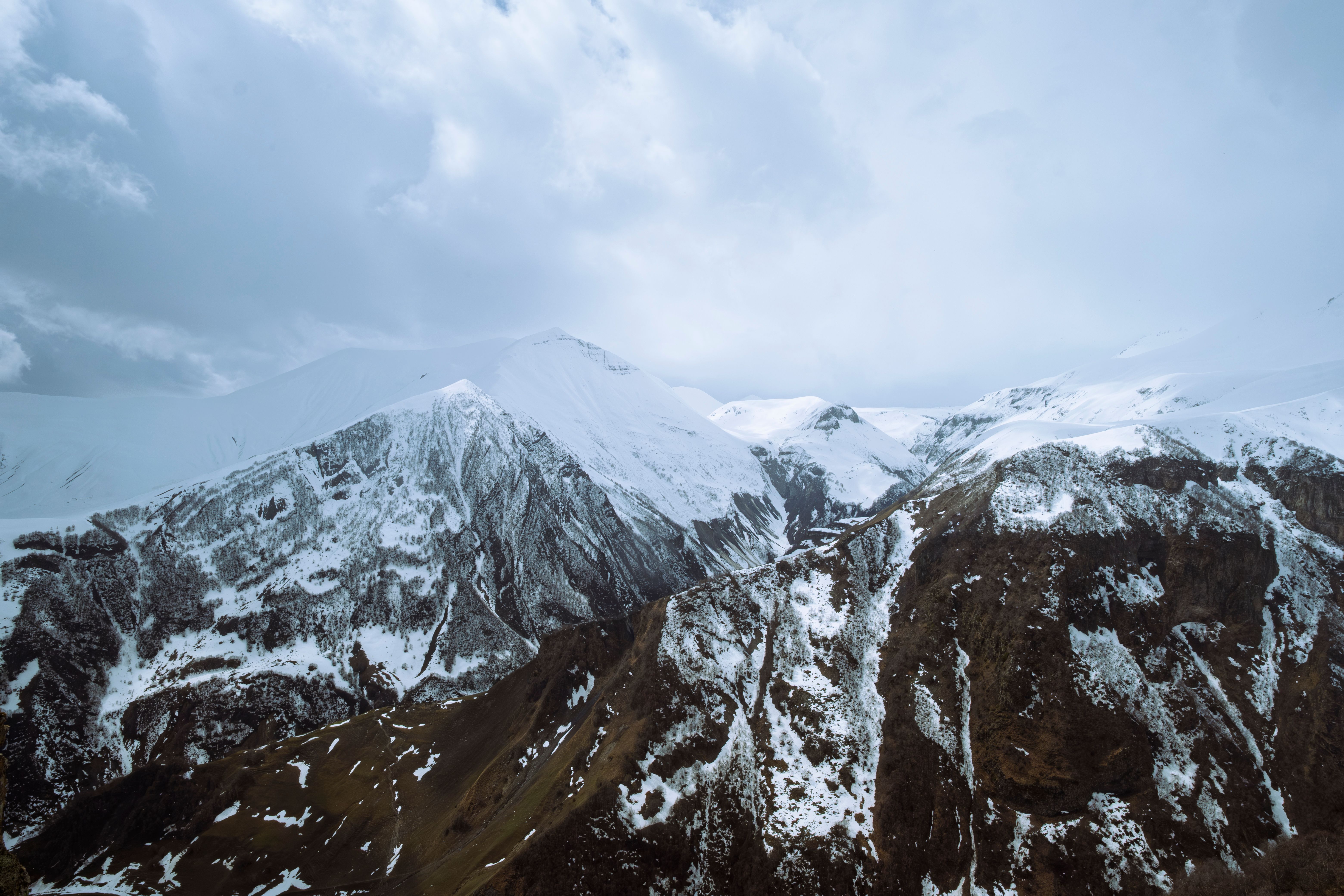
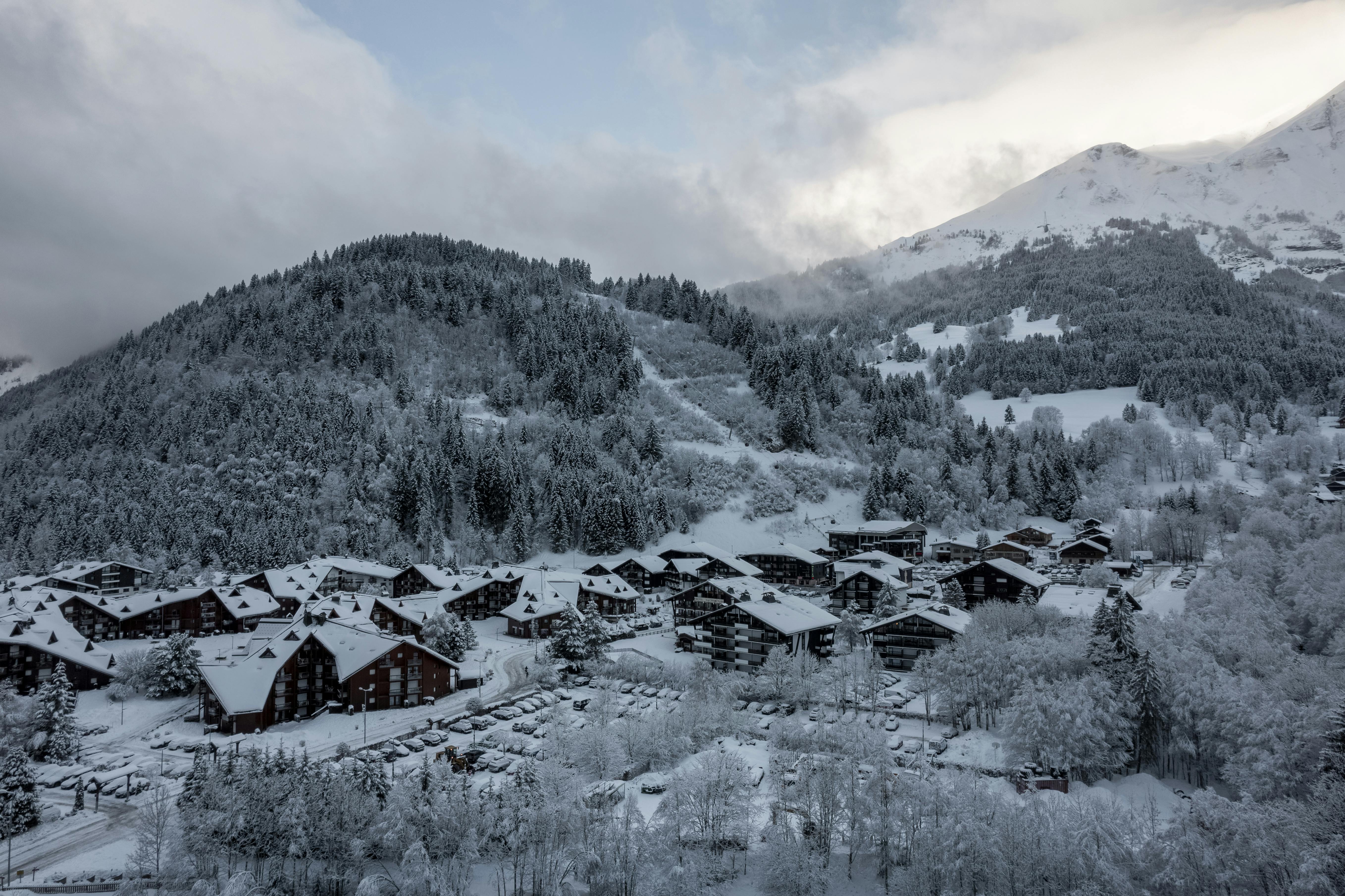
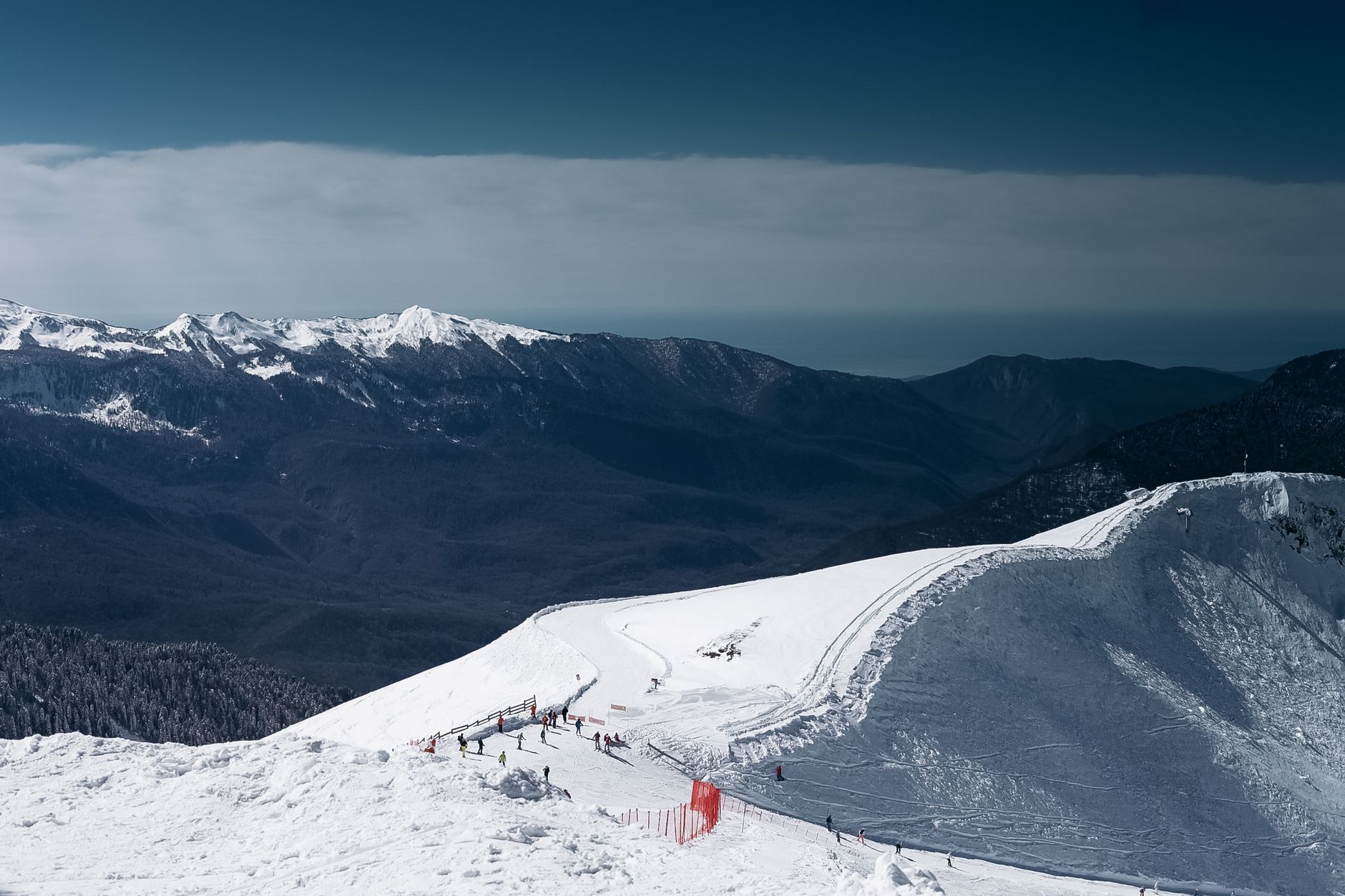
The wind howling off the Sierra Nevada peaks can turn a perfect powder day into a whiteout in minutes, making the timing of your arrival the single most critical decision for your trip. I remember standing at the base of Heavenly in early January, watching a fresh dump of three feet of snow bury the parking lot while a line of tourists in summer shorts shivered nearby. That chaotic scene highlighted a harsh truth: the mountain does not care about your schedule, but your schedule dictates whether you enjoy the view or fight the cold. Choosing the right window transforms a stressful slog into a magical escape where the silence of the snow and the crisp air feel like a reward rather than a burden.
Planning a trip to Lake Tahoe requires accepting that you cannot have everything at once. You are essentially balancing a triangle of snow quality, crowd density, and personal comfort. Early winter offers the promise of untouched powder, yet the resorts may not have fully opened their terrain, and road conditions can be treacherous for those unfamiliar with four-wheel drive requirements. By mid-January, the snowpack is deep and reliable, but the slopes become congested with holiday travelers, driving up lift ticket prices to an average of EUR 112 per day.
Conversely, late winter and early spring bring longer daylight hours and warmer temperatures, perfect for families or beginners who find the biting cold of January unbearable. However, the snow quality shifts from light, fluffy powder to heavy, slushy corn snow that can be exhausting to ski on. Understanding these nuances allows you to pick a date that aligns with your specific goals. If you are a seasoned expert chasing deep lines, you might tolerate the crowds of February. If you are looking for a relaxing vacation with your children, the sunny days of March offer a much gentler introduction to the slopes, even if the snow isn't pristine.
The "best" time is entirely subjective and hinges on what you value most in a ski vacation. For those seeking the classic winter wonderland experience with maximum vertical terrain open, the period between mid-December and mid-February is the gold standard. During this window, the average base depth often exceeds 142 cm at major resorts like Palisades Tahoe, ensuring that even if a storm hasn't hit recently, the coverage is thick enough to explore advanced chutes and bowls safely. The trade-off is that temperatures frequently drop to -12°C at night, and the days are short, giving you only about 9.5 hours of daylight to work with.
Mid-week travel remains the secret weapon for avoiding the worst of the congestion. A Tuesday or Wednesday visit in January can feel worlds apart from a Saturday, with lift lines dropping from 45 minutes to under 10 minutes. This shift in crowd density also impacts the vibe on the mountain; the apres-ski scene is lively but manageable, and restaurants are easier to book without reservations made months in advance. If your priority is budget, targeting the "shoulder weeks" in late January or early March can save you significant money, with accommodation rates sometimes dropping by 47.3% compared to peak holiday pricing. The key is to look at the forecast patterns rather than a single day, as consistent cold spells create more predictable snow surfaces than erratic temperature swings.
Equipment is often the silent budget killer that derails an otherwise perfect trip, yet it is also the most controllable variable in your planning equation. Many travelers make the mistake of bringing gear suited for a sunny spring day to a stormy February afternoon, leading to cold fingers and a miserable experience. The smartest approach is to match your equipment to the specific conditions you expect, considering your skill level and travel style. If you are only visiting the mountain a few weeks a year, renting high-performance gear is almost always the superior financial choice over buying.
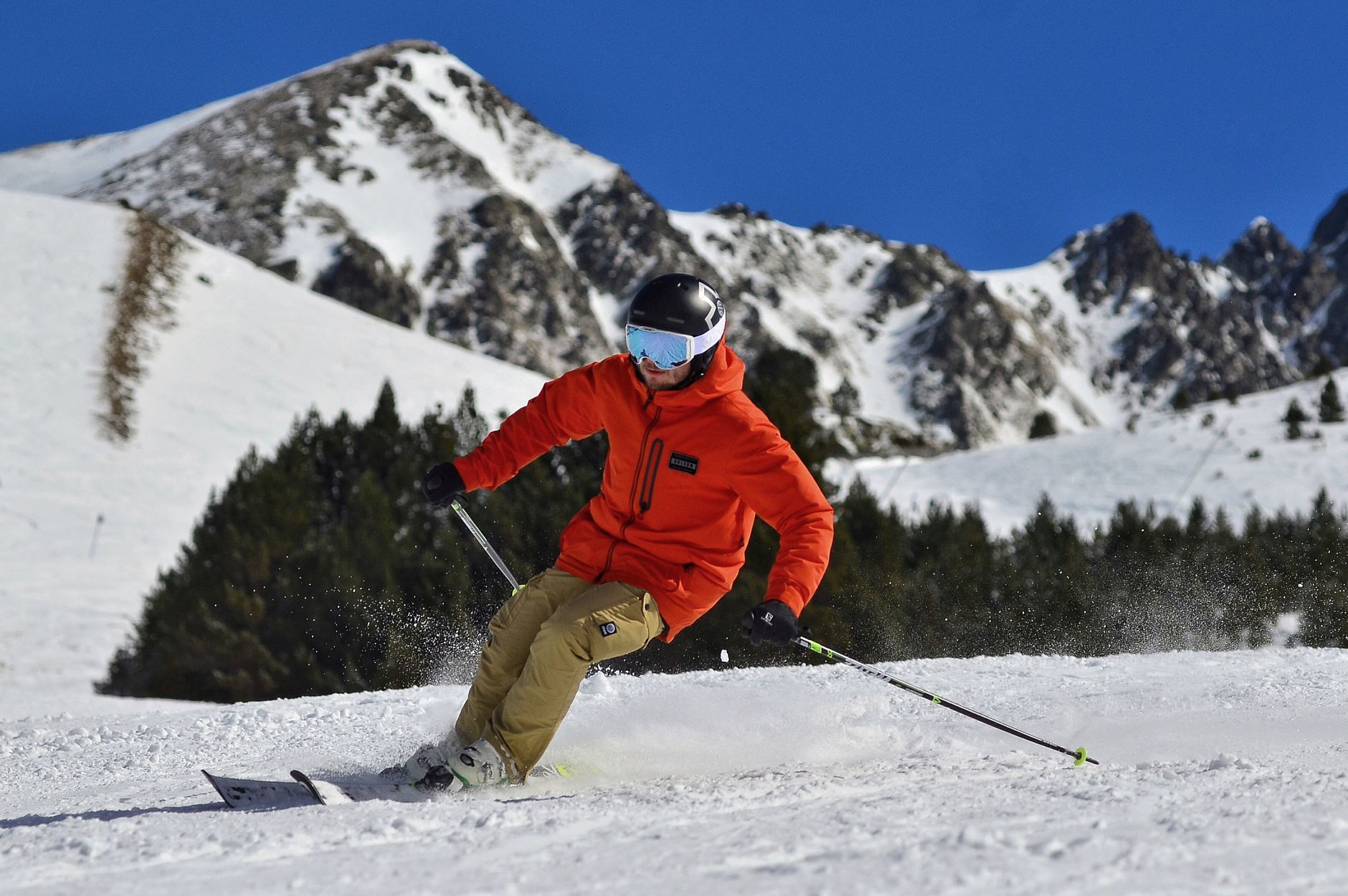
When deciding between renting and buying, consider the logistics of transport. Flying with skis or snowboards often incurs fees ranging from EUR 45 to EUR 80 per bag, and the risk of damage during transit is real. Local rental shops like GetSki or major chains such as Enterprise and Hertz often offer packages that include delivery to your lodging, saving you the hassle of hauling heavy bags up stairs or through snow. For those who do buy, ensure you have a helmet that fits snugly and goggles designed for variable light conditions, as the glare off the snow can be blindingly intense even on cloudy days. Always prioritize boot fit above all else; a perfect ski is useless if your boots are causing you pain.
Visiting Lake Tahoe can be expensive, but strategic planning can keep your total budget in check without sacrificing the experience. One of the most effective ways to reduce costs is to travel midweek, when lift tickets and lodging prices often drop significantly compared to weekends. Additionally, staying close to your primary resort reduces transportation costs and the time spent in traffic, which can be notorious during peak hours. For example, parking at Northstar California Resort can cost up to EUR 32, but staying within a 5 km radius often includes free shuttle access to the base area.
Another vital strategy is to plan your equipment needs early. Last-minute rentals at the resort base are notoriously expensive and often limited in size. By booking through platforms like GetSki or comparing rates with Booking.com for lodging packages, you can lock in prices before the demand spikes. Try to choose one paid highlight per day, such as a guided backcountry tour or a spa visit, and fill the rest of your time with free activities like scenic hiking or exploring the historic towns of Tahoe City and Incline Village. This approach ensures you enjoy the premium experiences without feeling financially drained by the end of the week.
A well-structured itinerary ensures you maximize your time on the mountain while allowing for necessary rest and flexibility. On Day 1, focus on arrival and acclimatization; arrive early, check your gear, and take an easy evening walk to adjust to the altitude and the cold. Day 2 should be your primary snow day, starting at the lift opening time to hit the slopes before the crowds arrive, followed by a warm lunch and a sunset viewpoint to cap off the day. Day 3 offers a chance to explore the region with a scenic loop drive or a snowshoeing adventure, with a solid indoor backup plan in case the weather turns severe.
Day 4 is dedicated to a second full day of skiing, perhaps including a lesson or a skill session to refine your technique on the varied terrain. This is also a great day to explore the "back bowls" if conditions are safe and the snow is deep. Finally, Day 5 should be a short morning activity followed by a buffer for departure. Traffic leaving the valley can be brutal, so leaving early or having a flexible departure time can save you hours of frustration. This balanced approach prevents burnout and ensures you leave with memories of the mountain rather than stress about logistics.
No, the ideal time varies drastically based on your personal goals. If you are chasing deep powder, late January is superior, but if you prefer warm sun and fewer people, March is the clear winner. Always prioritize your specific experience goals over generic "best time" lists.
Booking early through specialized platforms like GetSki or local shops can save you up to 30% compared to on-mountain rates. Additionally, renting for the full duration of your trip rather than daily often unlocks significant discounts, ensuring you don't pay premium prices for the same gear.
While snow is most reliable in February and March, driving conditions are generally safest in late January and early February when the snowpack is stable. Always check road conditions with Caltrans before departing, as storms can close highways like US-50 or I-80 without much warning.
Your trip to Lake Tahoe will be defined by how well you prepare for the mountain's unpredictability. The difference between a chaotic vacation and a memorable one often comes down to a single decision: booking your gear early. By securing your equipment with GetSki before you even pack your bags, you eliminate the stress of last-minute availability and ensure you have the right tools for the conditions. Don't wait until you arrive to figure out your setup; plan your layers, check the forecast, and lock in your rentals today to guarantee your winter adventure is smooth, safe, and enjoyable.
Leave a request and we'll send a personal offer for your dates. One window instead of ten tabs — gear, transfer and car sorted and confirmed in advance.