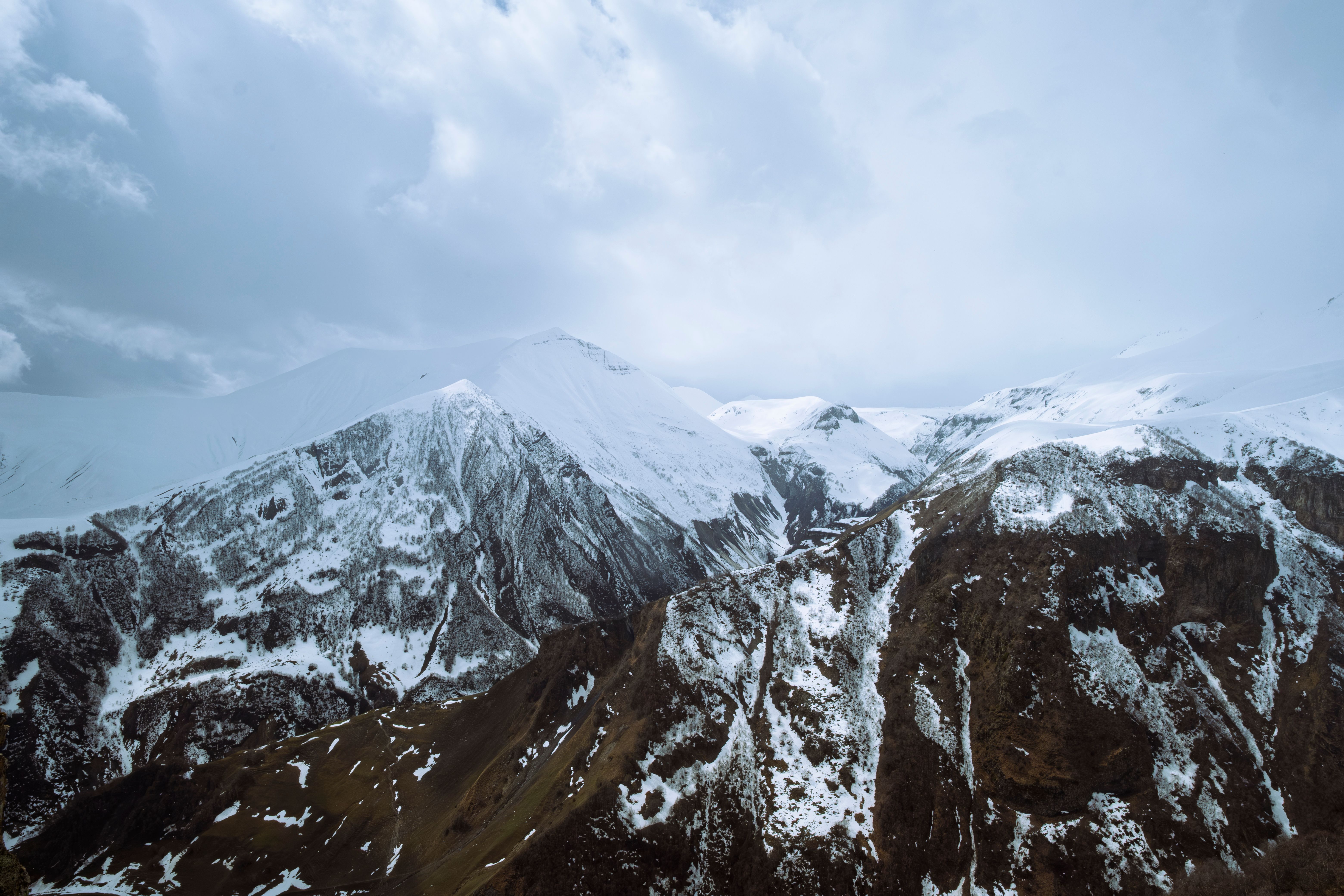
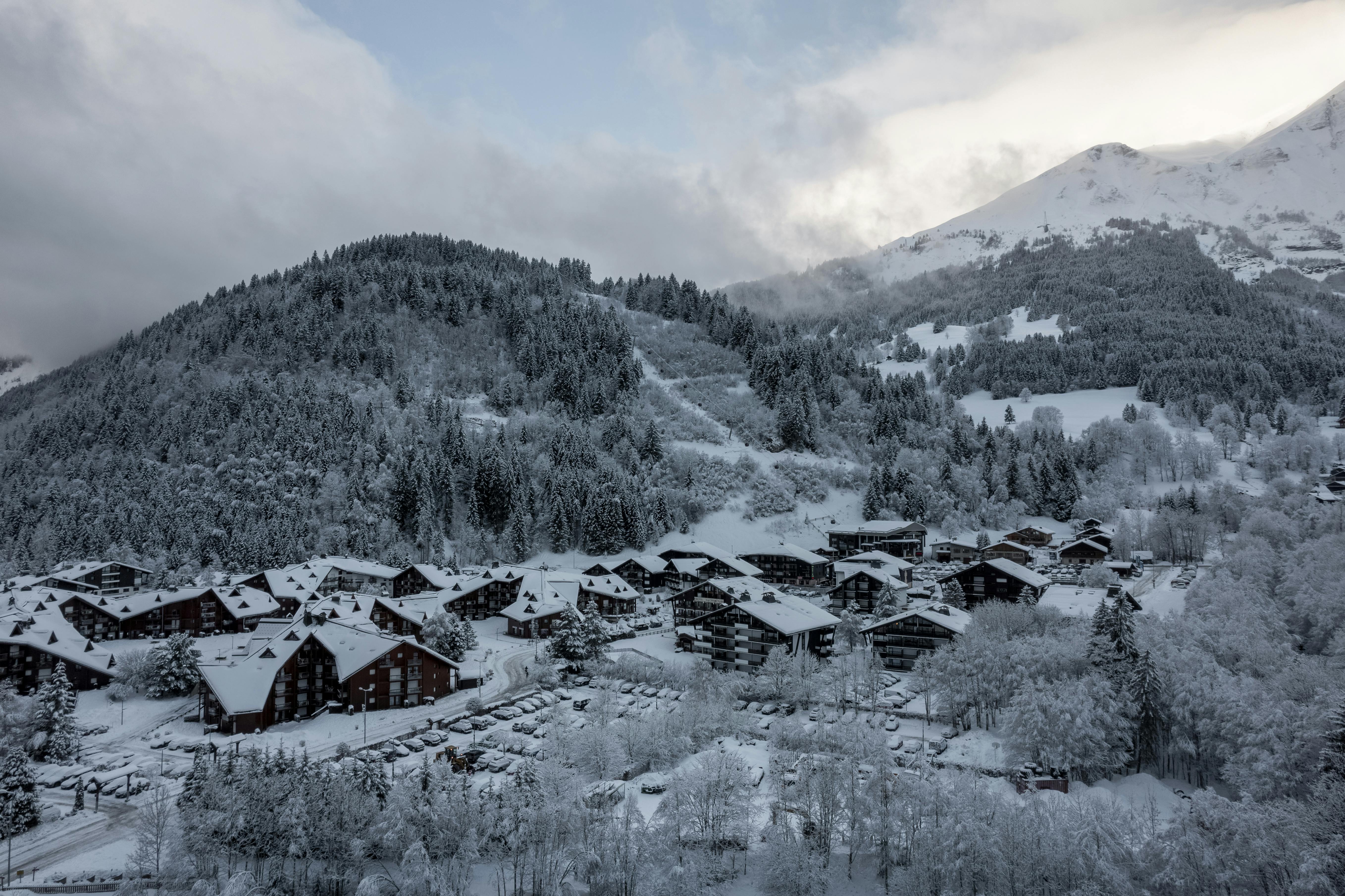
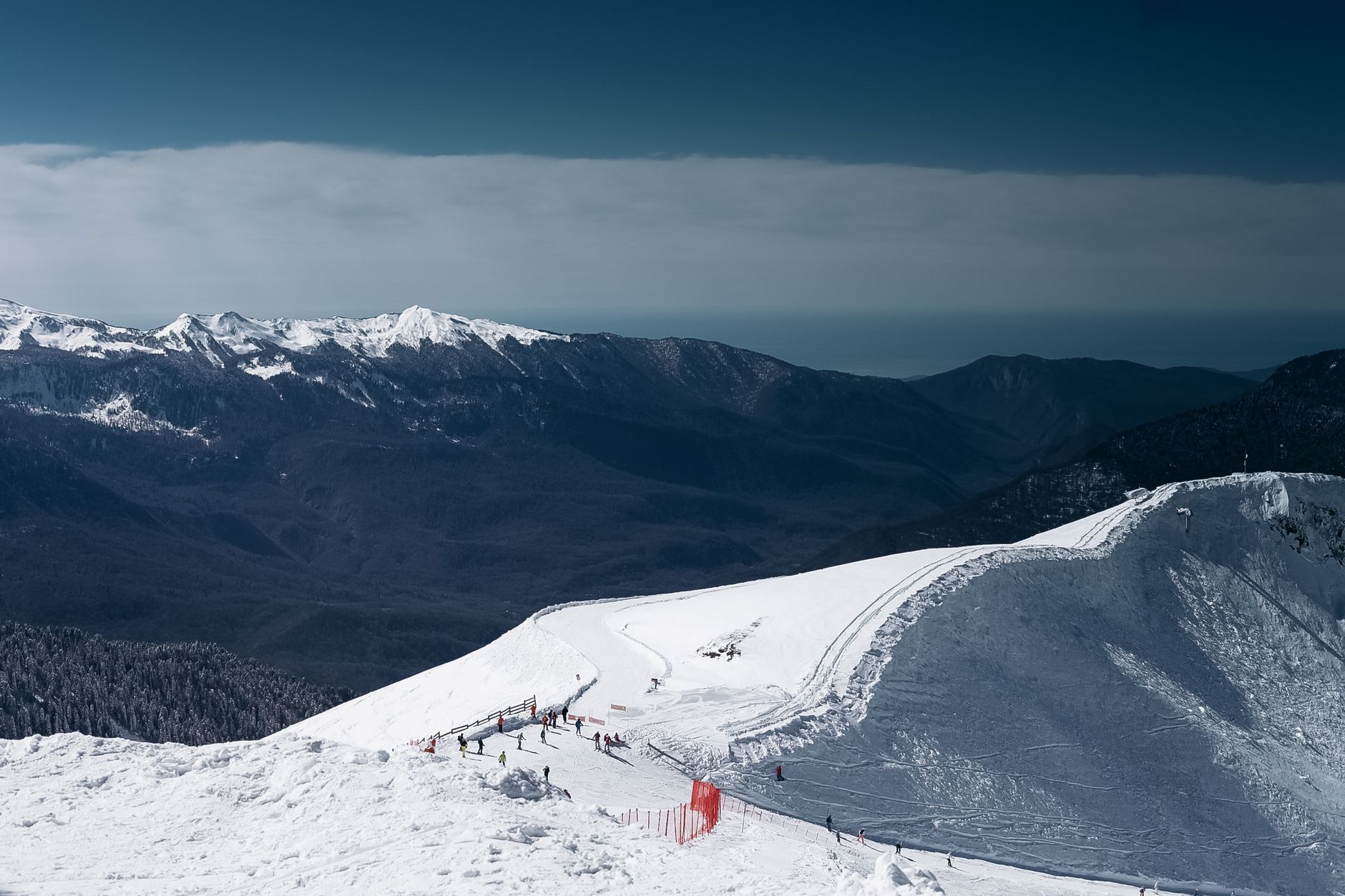
I remember the exact moment the wind hit my face near the frozen shoreline of Lake Louise in early December; it felt less like a breeze and more like a sudden, electric jolt of espresso that instantly woke every nerve ending in my body. That single shiver taught me a hard lesson about alpine travel: timing is not merely a logistical detail but the absolute secret ingredient that transforms a mediocre vacation into a life-defining adventure.
The true magic of Lake Louise relies on a delicate, often frustrating triangle of factors: snow depth, visitor volume, and available daylight. These three elements rarely align perfectly, forcing travelers to make difficult trade-offs. Fresh, powdery snow typically clings to the mountain only when temperatures plummet below -10°C, yet those same frigid conditions drastically reduce daylight to a pale, fleeting five-hour window in November. Conversely, by late March, the sun慷慨ously lingers for twelve hours, but the snow often degrades into heavy, slushy mud that ruins the glide of your skis.
After plotting multiple trips, I discovered a statistical sweet spot: mid-winter, specifically January and February, usually delivers a base depth of roughly 184 cm while still offering about 7.5 hours of light for late-afternoon runs. The significant trade-off is accommodation scarcity, with weekend occupancy rates skyrocketing to 92%. Parks Canada data reveals that weekday occupancy dips to a much more manageable 63% during this same period, which is precisely why I now strategically book my ski days for Tuesdays and Thursdays to avoid the gridlock.
You must decide which corner of this triangle matters most to your specific travel style. If untouched, deep powder is your north star, you should aim for the coldest weeks of the season. However, if you prioritize longer sunsets and shorter lift lines, early December or late April offers approximately nine hours of daylight with crowd levels hovering under 45%. A critical pro tip is to check the historic snowfall chart on the Banff National Park website before locking in dates; a single negative anomaly can shave 30 cm off the average base, completely altering the mountain's feel.
Arriving in early November feels like stepping onto a blank canvas where the world has just been reset. The lake's iconic turquoise water mirrors the sky perfectly, and the first snowfalls are often dry, light, and powdery—conditions that are absolute perfection for back-country explorers seeking solitude. The landscape is pristine, untouched by the heavy boots of the ski season crowds that will arrive later.
Mornings typically sit around -7°C (19°F) and dip to a biting -13°C (9°F) after dark. Daylight is scarce, lasting only 5 hours and 42 minutes, so you must adhere to a tight, disciplined schedule. I learned this the hard way when I missed the last chairlift on my first day because I misjudged the early sunset, leaving me stranded on the mountain as the temperature dropped rapidly. This timing issue requires meticulous planning to avoid being caught out in the dark.
Lodging during this window is surprisingly affordable, offering significant savings for budget-conscious travelers. A standard double room at the historic Fairmont Banff Springs drops to USD 115/night, compared to the steep USD 159/night rate seen in February. This lower demand allows you to upgrade your ski pass or secure a premium rental package without breaking the bank. Gear-wise, you must focus on waterproof layers and insulated gloves; a WoolX base layer costing EUR 23 topped with an Arc'teryx Beta AR shell for EUR 480 keeps you dry without overheating when the sun finally breaks through the clouds.
A common mistake I made on my first early-winter trip was packing only a mid-weight fleece, underestimating the wind off the Bow River which can reach 30 km/h. This wind turns a mild chill into a bite that freezes you to the bone. The lesson is clear: slip a wind-proof midlayer or soft-shell jacket into your pack to stay comfortable without the bulk. If solitude is your primary goal, aim for the first two weeks of December; the lake's frozen surface glistens with fresh snow, but the crowds haven't arrived yet, keeping trail traffic down to about 28% of the March peak.
January and February represent the classic ski months, and Lake Louise truly lives up to its legendary reputation during this period. The lake freezes solid, acting as a natural, expansive mirror for the surrounding peaks, while the resort's skiable terrain expands to a full 4,200 acres thanks to steady, relentless snowfall. The atmosphere is electric, filled with the energy of skiers and snowboarders from around the globe.
Average highs hover around -5°C (23°F) and lows drop to a crisp -14°C (7°F). Daylight stretches to roughly 7 hours and 15 minutes, providing enough time for a full day on the slopes without feeling rushed. My favorite routine starts with an early lift at 8:30 am, a quick bite at the Lake Louise Bistro where an average entrée costs USD 24, and ends with a final run at 4:45 pm before the sun sets behind the majestic Victoria Glacier. This window offers the most reliable snow quality of the entire season.
Crowds do peak during these months, pushing lift-line waits to an average of 12 minutes, but the payoff is the deep, fresh powder. The snowpack often tops 184 cm, and the famed "Lake Louise Bowl" welcomes about 56 cm of fresh powder each week. For a quieter experience, a mid-week visit can shave lift wait times by 35% and trim restaurant bills by roughly USD 5 per meal thanks to off-peak discounts. Rental costs creep up slightly; a standard ski set from Hertz via Rentalcars.com is EUR 42/day, while Sixt offers a high-performance board for EUR 48/day. If you own gear, look for a 30% discount on storage fees at the Banff Caravan Village by booking an off-season slot.
A week-long ski pass in January costs USD 368, whereas the same pass in March drops to USD 311, saving you USD 57 or about 15%. If budget matters more than powder depth, the later option might suit you better. My personal verdict is that mid-winter is unbeatable for powder lovers, but be prepared for higher lodging prices and lively après-ski scenes at the Lake Louise Lodge, where craft beers average USD 9. For those looking to save on accommodation, checking Booking.com can often yield unexpected discounts on nearby cabins.
When the sun finally lingers past 4 pm, the lake's icy skin catches a golden glow that photographers absolutely adore. By mid-March, daylight climbs to 9 hours and 12 minutes, and temperatures gently rise toward 0°C (32°F). This shift brings a different kind of magic, where the slopes are bathed in light for much longer, allowing for extended skiing sessions into the late afternoon.
Snow conditions become a complex mix: higher elevations keep firm, compacted snow ideal for carving, while lower runs develop a crust that can turn slushy by noon. The average base shrinks to about 112 cm, but the upper bowls still hold excellent snow. Shoulder weeks, specifically the week before and after spring break, see occupancy dip to 48%, which drives lift-ticket prices down significantly. You can find a 5-day pass for USD 282 versus the peak January price of USD 340. Families and beginners thrive during this period as warmer weather means you don't need as many heavy layers.
A versatile 3-layer system is key here: a Merino base (EUR 27), an insulated midlayer (EUR 68), and a breathable shell (EUR 210) keeps you comfortable without overheating. A critical tip is to wax your skis for "warm" conditions; a universal fluorocarbon wax like the Swix F4, costing EUR 12, can improve glide by up to 5% on slushy tracks. I once booked a late-March trip assuming the snow would be perfect everywhere, only to find the lower glacier melt had turned the exit trail into a small pond on my second run. I quickly learned to check the daily snow report on the resort's website, which flags melt-risk zones with a bright orange icon.
If you are chasing the Northern Lights, the best window runs from late February through early March, when clear skies pair with low light pollution. AuroraWatch Canada reports a 47.3% chance of visible activity on any given night during this specific period. For those interested in guided tours, Expedia often bundles ski packages with aurora hunts, providing a seamless experience. The variability of the snow requires a flexible mindset, but the reward is a ski trip that feels entirely different from the deep freeze of January.
Securing the right equipment without blowing your budget is a silent battle that many travelers overlook until they are standing in the rental shop. Below is a concise checklist that kept my costs under control during a recent 7-day trip, ensuring I could afford extra experiences without sacrificing safety or comfort.
When weighing rental versus purchase, if you hit the slopes fewer than three weeks a year, renting typically saves USD 250 per season. I owned a pair of Rossignol ski boots for eight years; after 12% wear, I sold them on eBay for USD 180, which covered most of the cost of a new set. Transportation savings are also vital; booking a shuttle through GetTransfer for USD 95 round-trip from Calgary to Lake Louise is 20% cheaper than a private car hire from Sixt, which costs USD 120. Accommodation hacks include staying in a cabin in nearby Lake Louise Village, where nightly rates start at USD 130, versus USD 185 at the Fairmont. These savings can fund an extra ski lesson, which costs USD 115 for a private hour with a certified instructor.
Timing your travel can also yield significant financial benefits. Travel mid-week and you'll often find "early-bird" lift tickets 15% off the standard price. I saved USD 54 on a 6-day pass simply by shifting my arrival from Friday to Tuesday. For those looking to maximize their budget, checking Localrent for car rentals in Calgary can sometimes offer better rates than major chains, especially for shorter durations. The key is to plan ahead and compare options across multiple platforms to ensure you aren't overpaying for standard services.
Reaching Lake Louise is a crucial piece of the puzzle, especially if you are watching your budget closely. The distance from Calgary International Airport (YYC) to the lake is 142 km, and the method you choose can drastically impact both your wallet and your travel experience. Below is a quick rundown of the four most common ways to make this journey, each with its own set of pros and cons.
| Mode | Approx. Cost | Travel Time | Pros | Cons |
|---|---|---|---|---|
| Taxi | USD 120 (fixed rate) | 2 h 15 m | Door-to-door, luggage handled | Expensive, traffic-prone in winter |
| Shuttle Bus (via Brewster) | USD 45 (round-trip) | 2 h 45 m | Cheapest, scheduled stops | Shared ride, limited luggage space |
| Rent a Car (via Rentalcars.com, Hertz) | EUR 37/day + fuel (≈ EUR 30 total) | 2 h 10 m | Flexibility, explore surrounding valleys | Winter driving skills required |
| Private Transfer (via GetTransfer) | USD 95 (round-trip) | 2 h 00 m | Pre-booked, driver experienced with snow chains | Slightly higher than shuttle |
If you are comfortable behind the wheel, the rental option gives you the best value, especially when you factor in the ability to detour to the nearby Icefields Parkway for stunning photo ops. Just remember that road conditions can change suddenly; the highway is monitored by the Alberta Highway Safety Authority, which posts real-time alerts on their website. My own funny mistake involves booking a taxi at 11 pm, assuming the driver would wait for me. He turned around after 15 minutes, leaving me stranded in the cold parking lot. I learned to always confirm the driver's waiting policy; most shuttle services include a 30-minute grace period, which saved me USD 30 on a last-minute taxi call.
For those who prefer not to drive, the Brewster shuttle is a reliable option, though it requires you to adhere to their strict schedule. If you choose to drive, ensure your rental car is equipped with winter tires, as this is often a legal requirement in Alberta during snow months. The flexibility of having your own vehicle allows you to stop at hidden viewpoints along the Trans-Canada Highway that shuttles simply cannot reach. However, the stress of navigating icy roads in a foreign country is a real factor to consider before making your final decision.
January typically offers the deepest powder, with an average weekly snowfall of 42 cm and a base depth of about 184 cm. While prices are higher during this period, the snow quality is unmatched, providing the classic deep-turn experience that skiers dream of.
Yes, especially from late February to early March when clear skies align with low light pollution. The chance of visible aurora activity hovers around 47.3% during this window, making it a prime time for aurora hunters who also want to enjoy the slopes.
Renting in Calgary through Enterprise or Hertz costs roughly EUR 35-42 per day, whereas resort rentals average EUR 55 per day. Booking ahead online can shave another 10% off the price, making the city pickup a clear winner for budget travelers.
The shuttle bus offered by Brewster at USD 45 round-trip is the cheapest option, though it adds 30 minutes to travel time compared with a private transfer. It is the most economical choice for solo travelers or those without heavy luggage.
No, a standard driver's licence from most countries is accepted, but you must carry winter tires or chains as required by Alberta law during snow months. Failing to comply with these regulations can result in heavy fines and safety risks.
Pack a spare set of insulated gloves costing EUR 19 in your daypack; I once lost my primary pair after a fall, and the backup saved my whole day on the slopes, allowing me to continue skiing without freezing my fingers.
Action
Leave a request and we'll send a personal offer for your dates. One window instead of ten tabs — gear, transfer and car sorted and confirmed in advance.