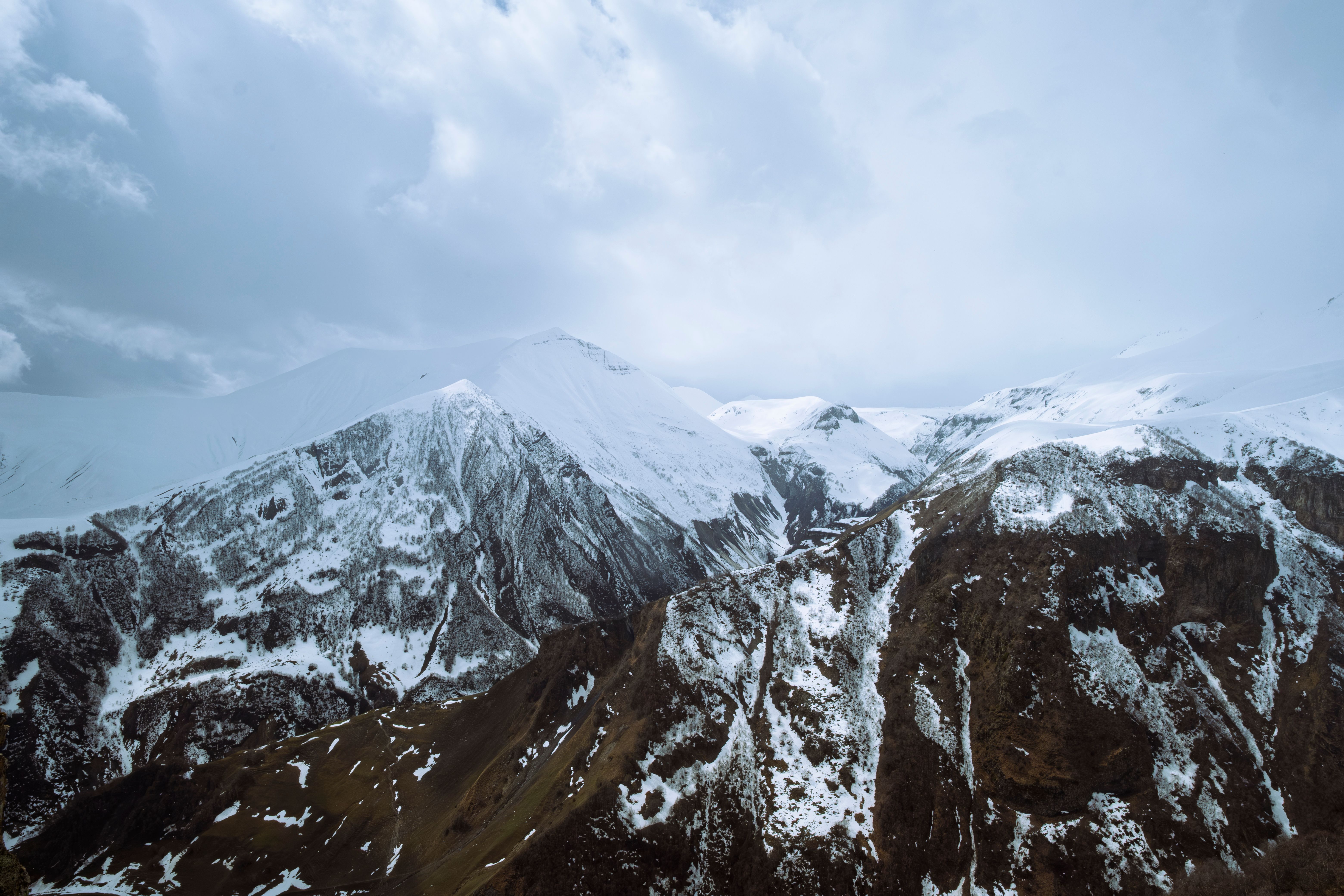
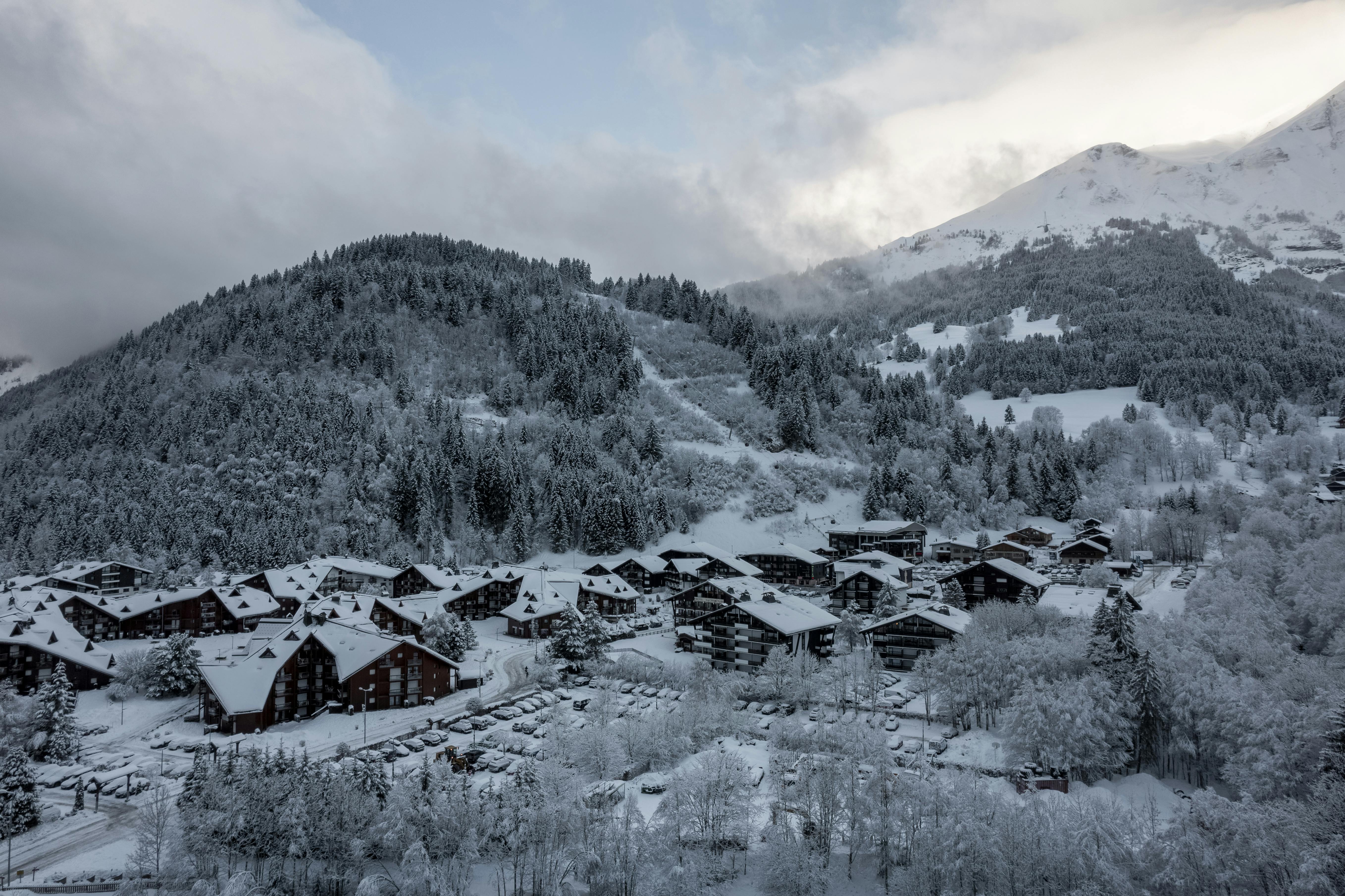
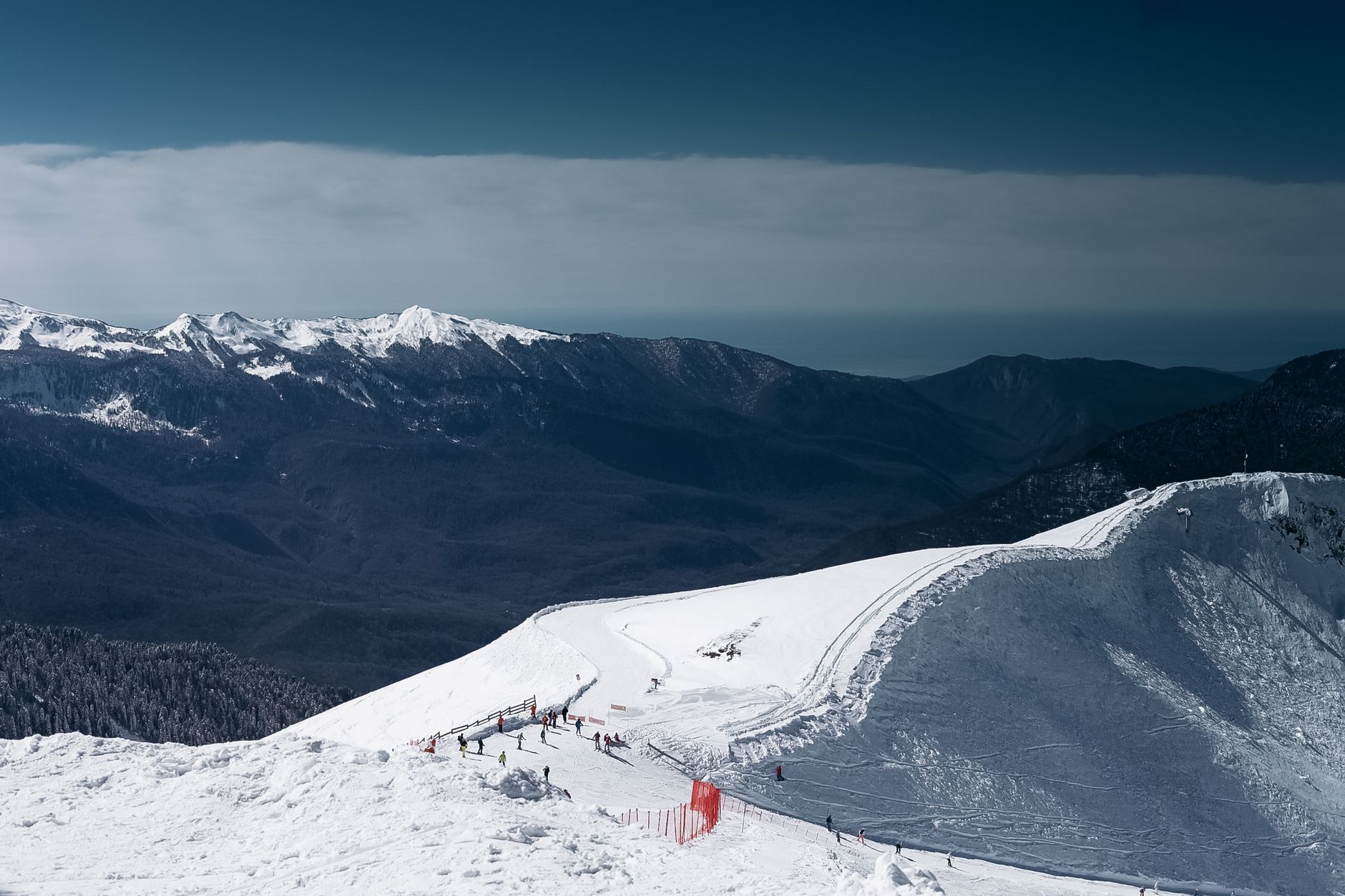
I remember standing on the frozen rim of Lake McDonald in mid-January, my breath hanging in the air like a ghost, clutching a dented thermos of black coffee. The silence wasn't empty; it felt heavy, pressing against my eardrums, broken only by the sharp crack of snow under my boots. That moment, shivering but electric, proved that winter here offers a raw, unfiltered beauty that summer just can't touch.
Winter in this park isn't a single thing; it's a shifting force that changes as the calendar turns. Early December usually brings fresh, powdery snow that clings to the old spruce trees, creating a soft white world. By late February, that snowpack hardens into an icy crust that sparkles under the low sun, giving hikers and skiers a totally different texture. Temperatures can drop to ‑12 °C on clear, still nights, while sunny afternoons might hover around a brisk ‑5 °C. Daylight runs the show, offering a meager 5.8 hours of sun at the solstice before stretching to a more manageable 8.2 hours by late March.
Elevation plays a cruel role here. Sitting at roughly 1,500 meters, the park gets hit by sudden wind gusts reaching 32 km/h that can turn a calm ridge into a blinding white-out in seconds. I learned this the hard way near Bowman Lake when a gust shaved ten minutes off my planned summit approach, forcing me to retreat early. Always add a buffer to your plans. When plotting your visit, cross-reference the National Weather Service's hourly forecast with the park's real-time road-closure map. Those two tools together give you a realistic picture of whether your day will be a powder-rich wonderland or a muted, icy trek. For the most reliable snow depth, I recommend the first two weeks of January, when averages hit 30 cm while skies stay occasionally clear for photography.
Visitor stats paint a sharp triangle regarding crowd density and pricing throughout the season. Early winter, from December 1 to January 15, sees about 2,800 guests per week as holiday travelers flood the region. Mid-winter, from January 16 to February 28, drops significantly to 1,600 visitors, creating a serene atmosphere. Late winter, from March 1 to March 31, climbs back to 2,200 as the days lengthen. These swings have a dramatic effect on lodging rates, making timing a critical financial decision.
Consider the economics: a standard cabin near West Glacier listed on Booking.com for USD 45/night in early January might jump to USD 78/night by mid-March, a staggering 73 % increase. Conversely, equipment rentals often stay steady; a pair of skis at Sixt stays at USD 22/day regardless of the month. If your top priority is cost, the mid-winter window is your best bet, offering thin crowds and rates at their absolute lowest. However, if you crave the longest days and a chance to see the aurora borealis, late winter is the sweet spot, even if you pay a premium. I once booked a late-February stay because the extra daylight made my snowshoe trek to Logan Pass feel less rushed, and the extra USD 15 per night was a small price for that luxury.
Winter gear can silently devour a budget if you don't plan strategically. The golden rule I follow is simple: rent if you'll use the equipment fewer than five times a year; buy if you're a regular enthusiast. This ensures you aren't paying for high-end gear that sits in your closet for a decade. For those who prefer to rent, there are several reliable local options that offer competitive rates and quality equipment.
If you decide to buy, focus on modular items that serve multiple purposes, such as a base layer system, a versatile insulated jacket, and waterproof gloves. A quality Patagonia down jacket, priced at USD 299, can replace a rental heated vest and last you a decade. When renting, always inspect the edges of your skis; a dull edge adds 15 seconds per turn, which compounds quickly on steep runs. Wax the base for the expected temperature, as cold-weather wax is optimal for snow below ‑8 °C. I once rented ski boots that were a size too big, and the resulting blisters taught me to always do a quick fit test before hitting the lift. Use GetSki to compare prices; a side-by-side view often reveals a USD 10 daily saving when you book early.
Getting to Glacier's main gateway, the town of West Glacier, is a decision that impacts both your budget and your stress levels. The nearest major airport is Kalispell (FCA), located 45 km (28 miles) from the park entrance. The choice of transport depends heavily on your luggage, group size, and tolerance for waiting. A taxi offers a flat rate of USD 180 for a 1 hour 10 minute ride, providing door-to-door service but at a steep cost. The Flathead Transit bus is the most economical option at USD 30 one-way, though it takes 1 hour 45 minutes and has limited luggage space.
For those seeking a scenic route, the Amtrak train from Whitefish to Kalispell combined with a shuttle costs USD 55 total and takes 2 hours 30 minutes, offering a relaxed, scenic experience. Private transfers, such as those booked through GetTransfer, cost USD 120 for a 1 hour 15 minute ride, offering a fixed price and a pre-booked driver. If you are traveling with bulky ski gear, the private transfer offers a USD 90 saving over a taxi while still delivering a door-to-door experience. For solo travelers on a shoestring budget, the bus is unbeatable, especially when you factor in the USD 12 day-pass that includes unlimited rides to nearby towns. A crucial tip is to book your shuttle at least 48 hours in advance; last-minute bookings can jack the price up by 30 % due to high demand and limited availability.
Day 1 is all about arrival and acclimatization. Land at Kalispell, grab a pre-booked Enterprise rental for USD 45/day, and drive the 140 km (87 miles) scenic route to West Glacier. Unload your gear, enjoy a brief evening walk to the historic lodge, and settle in early to rest before the cold sets in. Day 2 focuses on powder skiing. Head to Whitefish Mountain Resort, located 35 km from the park. With Sixt skis at USD 22/day, you can carve fresh runs that have accumulated 28 cm overnight. Lunch at the base lodge costs USD 18, then return for sunset views over Lake McDonald.
On Day 3, rent snowshoes from Localrent for USD 15/day and traverse the Avalanche Lake trail, a 2.4 km round-trip. Spot wildlife and enjoy a frozen waterfall. If a storm rolls in, swap to the park's visitor center for a guided snow-shoe video presentation, which is free with entry. Day 4 is for a scenic drive and photography. You can optionally book a GetTransfer private ride for USD 120 to the Going-to-the-Sun Road, which has a partial winter opening. Capture sunrise at Logan Pass, where photographers love the ‑5 °C crisp air that keeps clouds low. Day 5 is for light activity and departure. Enjoy morning hot cocoa at the lodge, take a quick zip-line session (if open) for USD 45, then drive back to Kalispell with a buffer of 2.5 hours for possible road trims. Return the rental car and board your flight. Keep a 12‑hour contingency window on the last day; a sudden road closure can add an extra 35 km detour that eats into your schedule.
January typically offers the lowest accommodation rates, averaging USD 48/night for a modest cabin, and fewer crowds, making it the most budget-friendly month for travelers on a tight budget.
Only an ordinary U.S. driver's license is required, but a USD 5 snow-tire surcharge may apply if you rent from Hertz during the peak snow season, so check your rental agreement carefully.
Yes, on clear nights between late February and early March, the aurora borealis is visible about 12 % of the time, especially from higher elevations like Logan Pass where light pollution is minimal.
The Apgar Visitor Center offers free exhibits and a short documentary about the park's geology; a warm coffee costs USD 4, providing a cozy break from the freezing winds outside.
Absolutely—weather-related cancellations can cost up to USD 300 for a week-long stay; a comprehensive policy from TravelGuard covers this for roughly USD 28, offering peace of mind.
Before you pack your bags, ensure you have an extra pair of insulated gloves, as losing one in the snow can be disastrous. Set price alerts for lodging immediately, and pre-reserve a rental car with Enterprise for USD 45/day to lock in the best rate before the season peaks. For more information on winter gear, check out our guide on best winter clothing brands or read about snow safety tips. If you are interested in other destinations, explore our article on Things to Do in Finland Winter or Things to Do in Keystone Colorado.

Leave a request and we'll send a personal offer for your dates. One window instead of ten tabs — gear, transfer and car sorted and confirmed in advance.