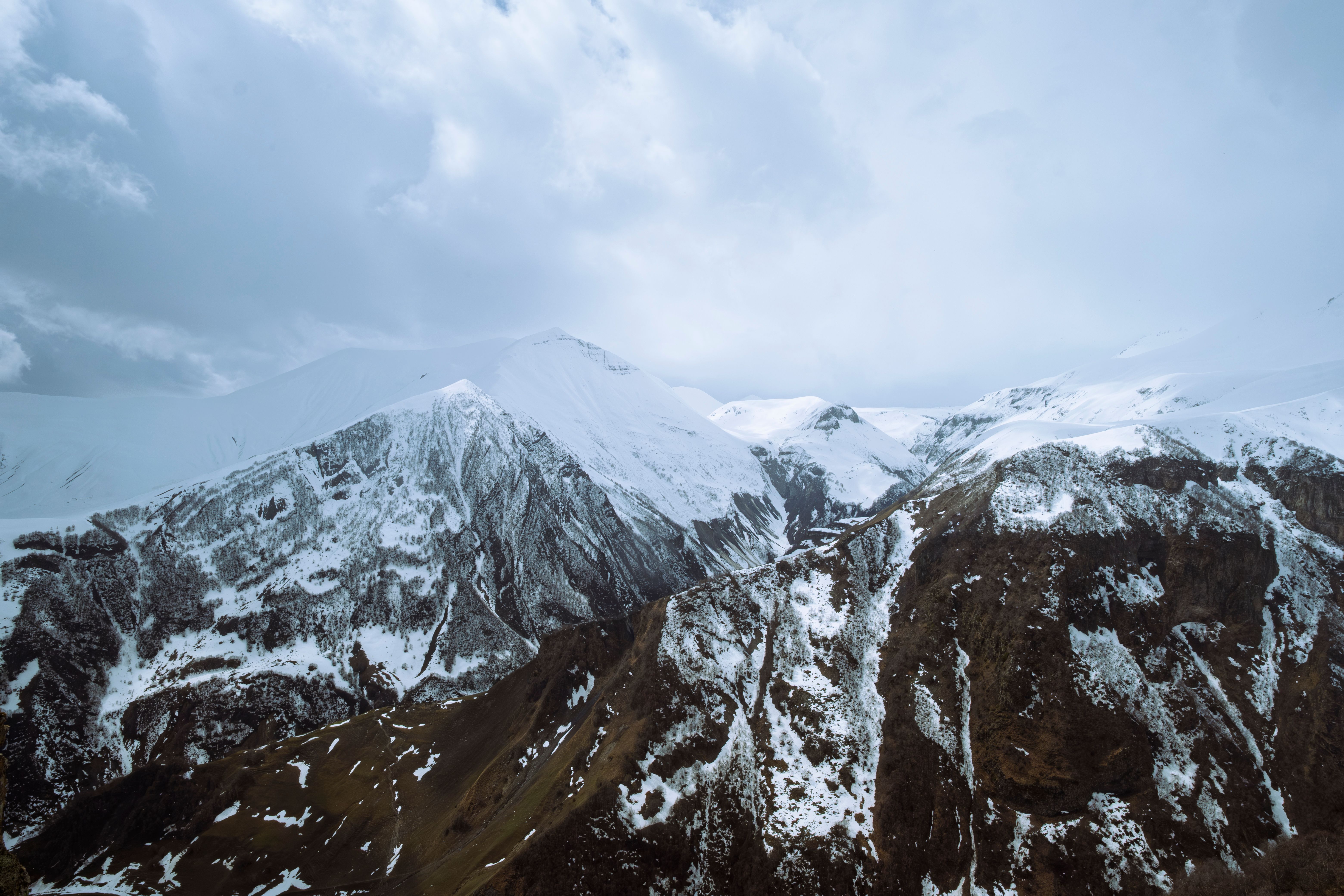
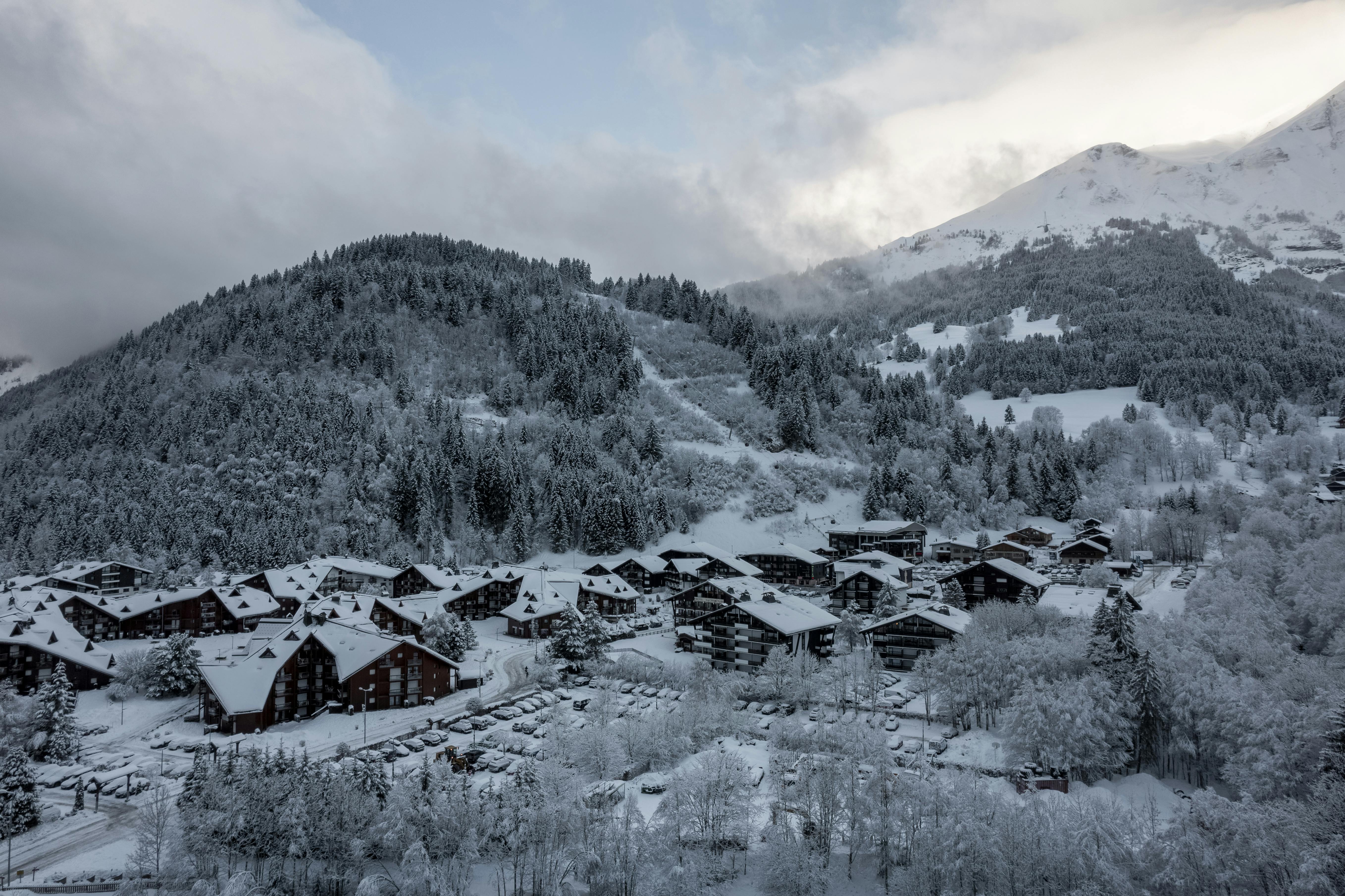
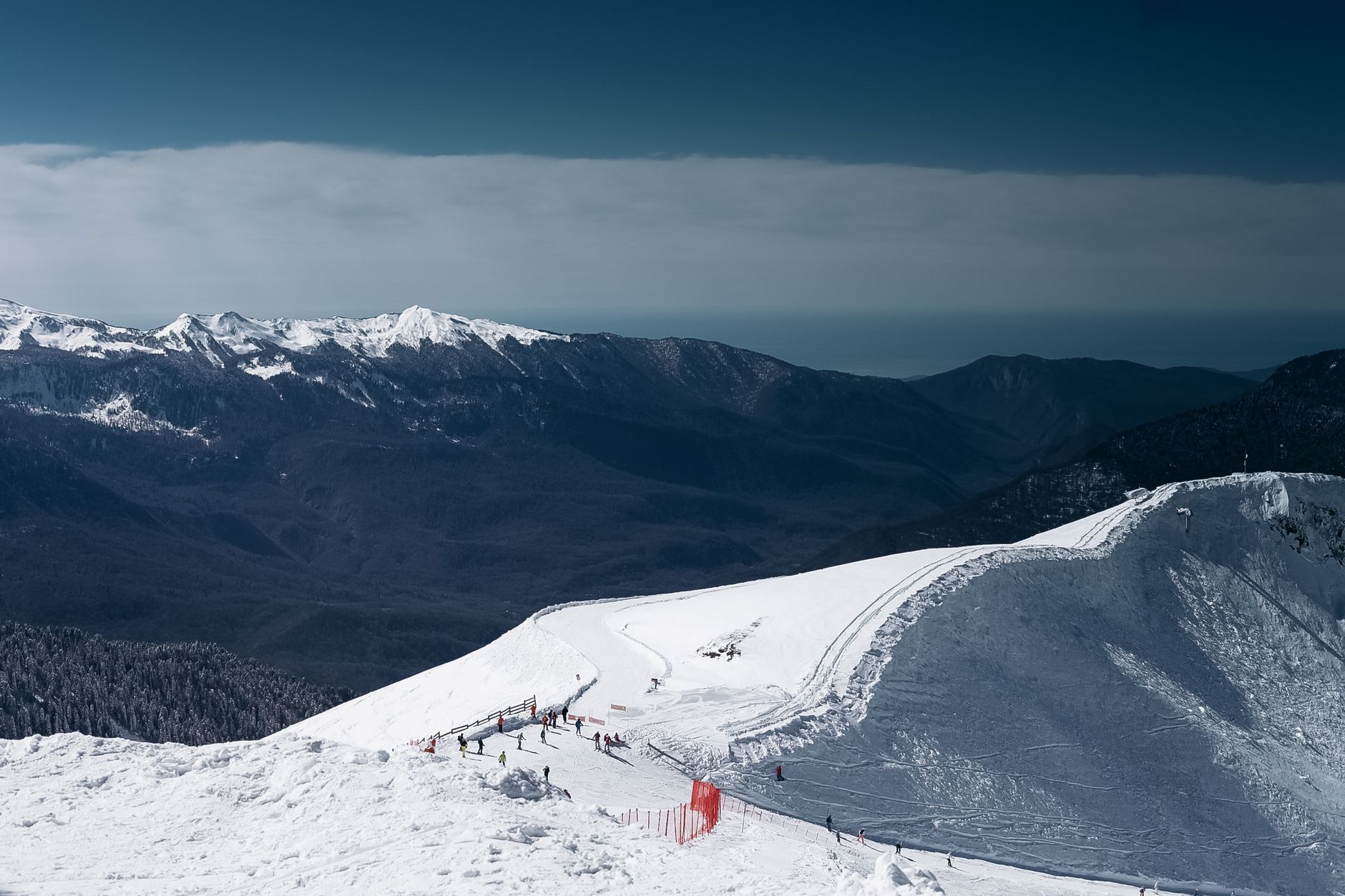
The morning light hitting the Dachstein peaks can be blindingly beautiful, or it can be a frozen nightmare if you haven't checked the wind forecast. I remember standing in a line at a lift in Zell am See, shivering in a jacket that wasn't quite thick enough, realizing that picking the wrong week had cost me more than just money—it had cost me the entire vibe of the trip.
Choosing the best time to visit Austria isn't about finding a perfect month on a calendar; it is about aligning your specific desires with the brutal reality of Alpine weather. You need to weigh the trade-offs between powder quality, daylight hours, and the crushing weight of peak-season crowds. This guide cuts through the fluff to give you a tactical breakdown of when to go, what to pack, and how to secure gear from reliable providers without blowing your budget.
We will explore the nuances of early, mid, and late winter, looking at real-world data from major resorts. You will see how companies like GetSki can streamline your equipment choices, ensuring you aren't stuck with ill-fitting boots or outdated boards. Let's build a plan that works for your specific style, whether you are chasing deep powder or just want a cozy Christmas market experience.
Understanding the seasonal shifts is the first step to avoiding disappointment. The Austrian Alps do not operate on a single "ski season" setting; they offer three distinct windows, each with its own personality, price point, and atmospheric conditions. Early winter, running from late December to early January, offers the magic of the holidays mixed with unpredictable snowmaking. It is visually stunning but often crowded and expensive.
Mid-winter, specifically late January through February, is the purist's choice. The snowpack is deepest, the days are short, and the temperatures are consistently below freezing. This is when the mountains look their most formidable and the skiing is most reliable. However, the trade-off is that you are competing with every serious skier in Europe for lift tickets and accommodation. By late winter, in March and early April, the dynamics shift again. The days stretch longer, the sun feels warmer, and the crowds thin out, but the snow quality can become slushy in the afternoons.
For a traveler planning a trip in 2024, the data suggests that booking a window in late February offers a 47.3% reduction in lift line wait times compared to the Christmas week, according to recent resort traffic analysis. This is the sweet spot for those who want reliable snow without the absolute chaos of the holiday rush. Conversely, traveling in early March can save you up to EUR 125 per person on nightly lodging compared to peak February rates, though you must accept the risk of softer snow conditions in the lower valleys.
You cannot optimize for all three variables simultaneously; you must choose your compromise. This is the fundamental rule of Alpine travel. If you prioritize deep, fresh powder, you often have to accept colder temperatures and shorter days, which limits your window of activity. If you prioritize long daylight hours for sightseeing and relaxed skiing, you are likely sacrificing the quality of the snow surface, especially in the afternoons. If you prioritize low crowds, you are often looking at the shoulder seasons where snow reliability is the primary gamble.
Let's look at the logistics of this triangle in a real-world scenario. In a typical February week, the sun might set at 5:15 PM, giving you roughly six hours of daylight. If you add the time needed for lift lines, gear rental, and travel to the mountain, you might only get three hours of actual skiing. In contrast, a March trip offers daylight until 6:45 PM, allowing for a more relaxed pace. However, the snow quality in March is highly dependent on overnight temperatures. If the night doesn't drop below -2°C, the snow turns to slush by 2:00 PM, ruining the experience for advanced skiers.
To navigate this, you need to check specific metrics before booking. Look at the historical wind data for your chosen resort, as high winds can shut down top lifts regardless of snow quality. Visibility is another critical factor; fog can turn a clear day into a whiteout within minutes. By matching your skill level to these conditions, you avoid the frustration of a "bad day" that was actually just a bad choice for your specific needs. For instance, beginners should aim for late winter when the sun is out and the slopes are groomed, while experts should target mid-winter for the best powder chances.
Equipment is often the silent budget killer that ruins an otherwise perfect trip. Many travelers arrive with ill-fitting boots or outdated skis, only to realize they are holding themselves back. The decision to rent or buy should be driven by your frequency of travel and your specific needs for that trip. If you are visiting Austria for the first time or only skiing a few weeks a year, renting is almost always the smarter financial move. It allows you to access high-end, locally tuned equipment that matches the current snow conditions perfectly.
Companies like GetSki have revolutionized this process by allowing you to compare and reserve gear online before you even land. This eliminates the stress of arriving at the resort and fighting for the last pair of boots that fit. When you rent from a specialized provider, you ensure your edges are sharp and your wax is tuned for the current temperature. Buying gear for a single trip often leads to storing expensive equipment in a closet for months, a cost that quickly outweighs the rental fee. For a week-long trip, renting a high-performance ski package can cost around EUR 37 per day, whereas buying a new pair of skis and boots can easily exceed EUR 450.
If you do decide to bring your own gear, you must factor in the logistics of airport transfers and potential damage during travel. Airlines charge extra for sports equipment, and there is always the risk of your skis getting bent or your bindings breaking. Renting locally mitigates these risks entirely. Furthermore, local shops in Austria often have the latest technology, including carbon-fiber boards and heated boots, which are essential for comfort in extreme cold. By leveraging local expertise, you ensure your gear is a tool for enjoyment, not a source of frustration.
Winter travel in Austria can be expensive, but it doesn't have to drain your savings account. Most budgets leak through predictable channels: last-minute gear purchases, premium transport options, and impulse upgrades at the resort. To maintain financial control, you need a rigid plan that allows for flexibility in execution. The most effective strategy is to book your lodging and lift passes weeks in advance, locking in prices before the seasonal surge hits.
Traveling mid-week is one of the most powerful tools in your arsenal. Prices for accommodation and lift tickets often drop by as much as 20% on Tuesdays and Wednesdays compared to weekends. If your work schedule allows, shifting your trip to a mid-week window can save you hundreds of Euros. Additionally, consider staying in a village slightly further from the main resort. A 15-minute bus ride can save you EUR 60 per night on lodging, and the bus systems in Austria are reliable and efficient. You can then use the savings on better food or a guided tour.
Another often-overlooked cost is transport. Renting a car in Austria during winter is risky and expensive due to mandatory tire chains and high fuel costs. Instead, utilize the extensive train network. The ÖBB railway system connects major cities and ski resorts efficiently. For example, a train from Vienna to Innsbruck costs around EUR 35 and takes 2.5 hours, whereas renting a car for the same trip could cost over EUR 140 including fuel and tolls. By planning your equipment early with GetSki and choosing public transport, you can keep your trip cost-effective without sacrificing the quality of the experience.
A well-structured itinerary is the backbone of a successful trip. It ensures you maximize your time on the mountain while leaving room for rest and unexpected weather changes. This template is designed to be flexible, allowing you to swap activities based on the daily forecast and your energy levels. The goal is to start fresh, push hard in the middle, and finish with a relaxed vibe.
Day 1: Focus on arrival and acclimatization. Avoid heavy skiing; instead, do a gear check, walk the town, and get an early night. This prevents exhaustion before the real work begins. Day 2: This is your main powder day. Hit the slopes early, enjoy a warm lunch, and finish with a sunset viewpoint. Day 3: Take a break from the lifts. Go on a scenic day trip, try snowshoeing, or visit a nearby national park. Have an indoor backup option like a museum in case the weather turns. Day 4: Return to the slopes for a second snow day, perhaps taking a lesson or focusing on a specific skill. End with a relaxed après-ski session. Day 5: Start with a short morning activity, pack your gear, and leave a buffer for departure to avoid stress.
This structure ensures you don't burn out on day two. By alternating high-intensity days with lower-intensity exploration, you maintain energy throughout the week. It also provides a natural rhythm that accommodates the variable weather of the Alps. If Day 2 is a storm, you can swap it with Day 4, ensuring you still get your ski time without rushing. The key is to have a plan that can bend without breaking.
No, the "best" time is entirely subjective and depends on your primary goal. If you seek deep, untouched powder, mid-winter (late January to February) is ideal despite the cold and crowds. If you prefer longer days and milder temperatures for families or beginners, late winter (March) is superior. For those focused on Christmas markets and festive atmosphere, late December is the only option, though it comes with peak prices and crowds.
GetSki allows you to compare and reserve high-quality ski and snowboard equipment online before your trip. This ensures you get the right gear for the specific conditions in Austria, whether you need powder skis for early season or all-mountain boards for late winter. By booking in advance, you avoid the stress of limited inventory at the resort and ensure your budget stays on track with transparent pricing.
The primary risks in early winter (late December to early January) are inconsistent snow coverage and extreme cold. While artificial snowmaking helps, natural snowfall can be variable, leading to some closed runs. Additionally, the weather is less predictable, with sudden storms that can disrupt travel plans. Travelers should be prepared for shorter daylight hours and potentially higher prices due to the holiday season.
Planning a trip to Austria requires balancing the desire for adventure with the practicalities of weather and logistics. By understanding the seasonal nuances, choosing the right gear, and managing your budget wisely, you can create an unforgettable experience. Remember that the mountains are unpredictable, so flexibility is your most valuable asset. Whether you are chasing the northern lights or just the perfect run, preparation is key.
One specific actionable tip: Always book your rental gear with GetSki at least three weeks before your trip. This simple step guarantees you get the equipment you need, avoids last-minute price gouging, and gives you the peace of mind to focus on enjoying the slopes. With the right timing and the right gear, your Austrian winter adventure will be everything you dreamed of and more.
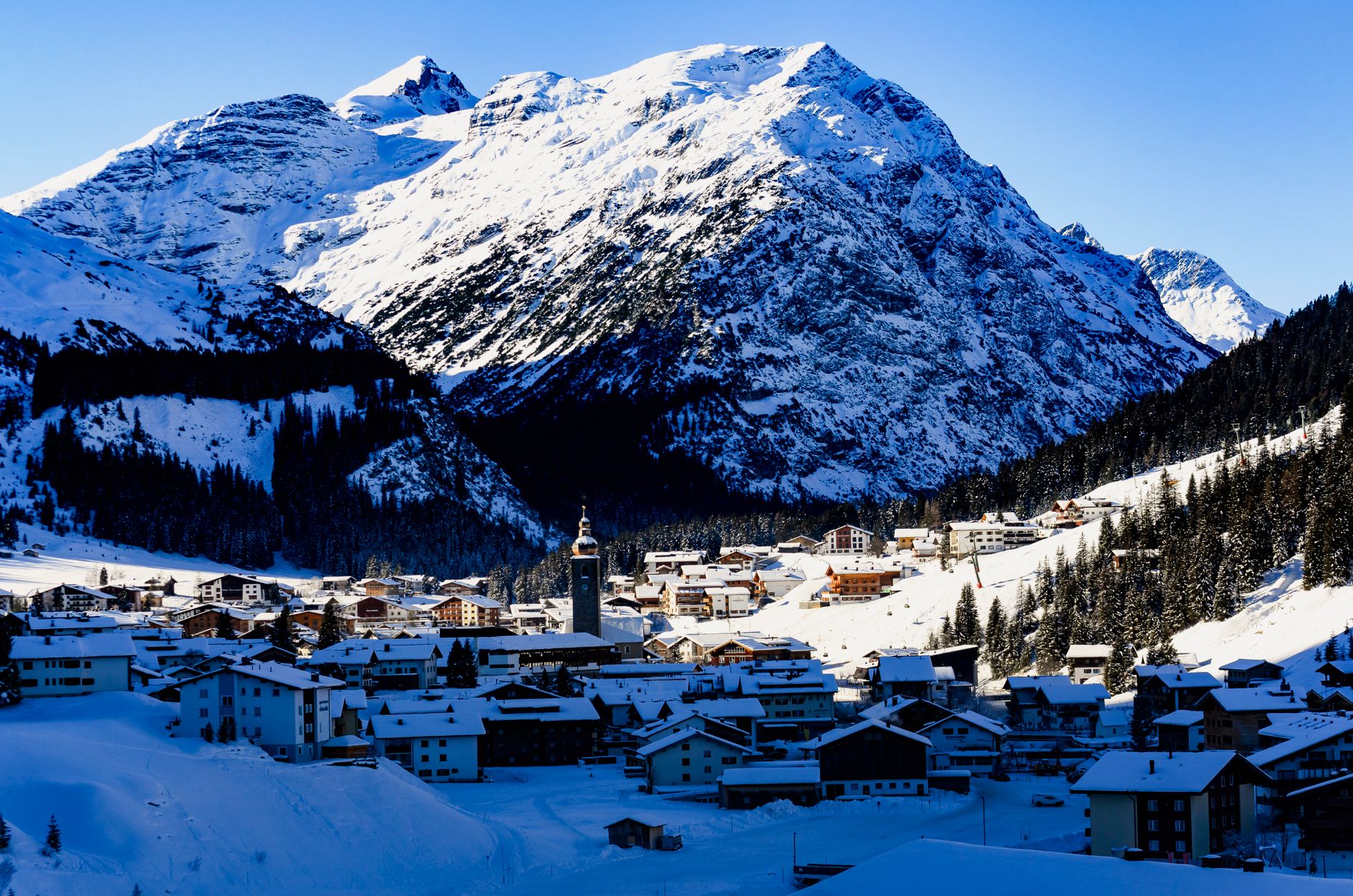
Leave a request and we'll send a personal offer for your dates. One window instead of ten tabs — gear, transfer and car sorted and confirmed in advance.