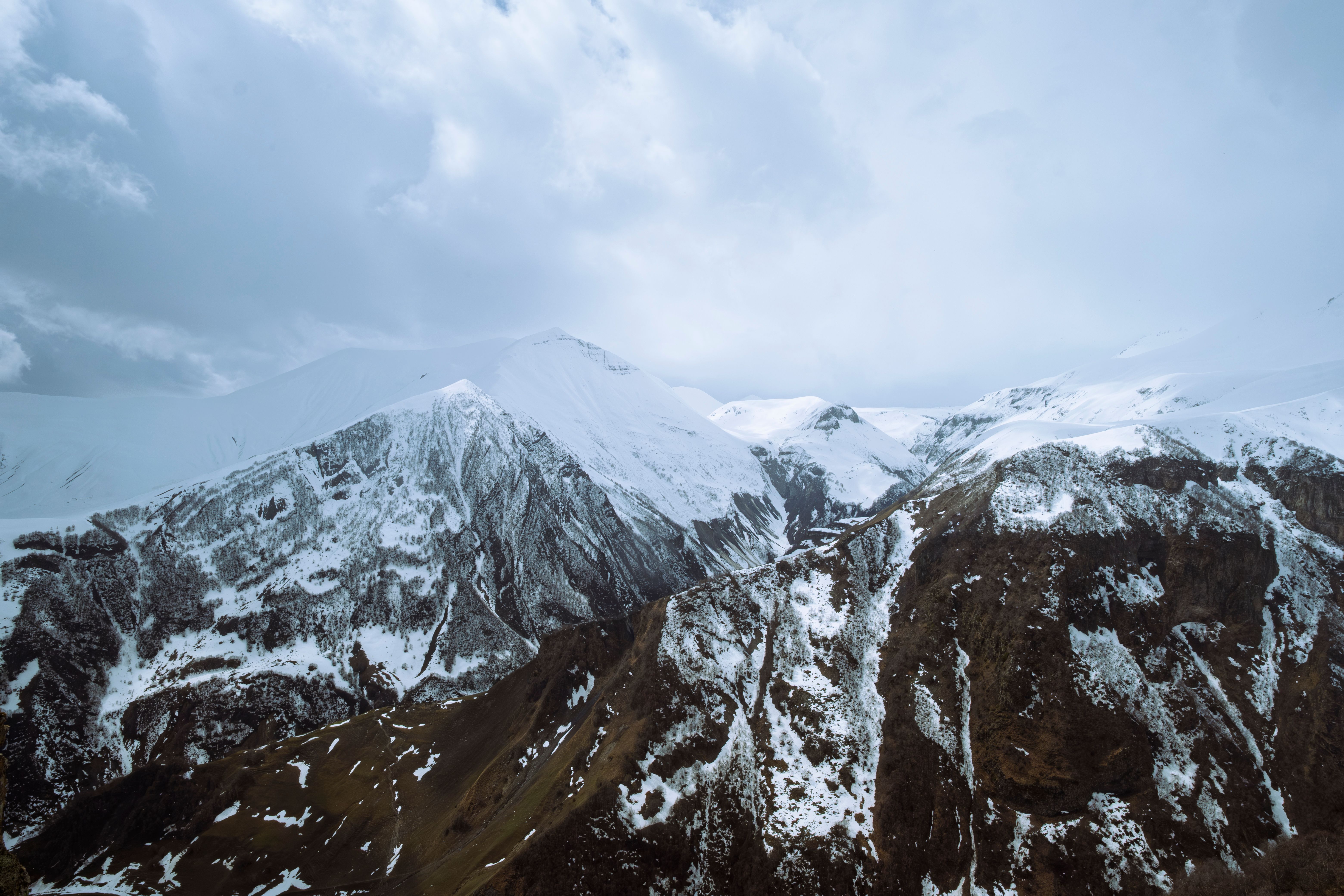
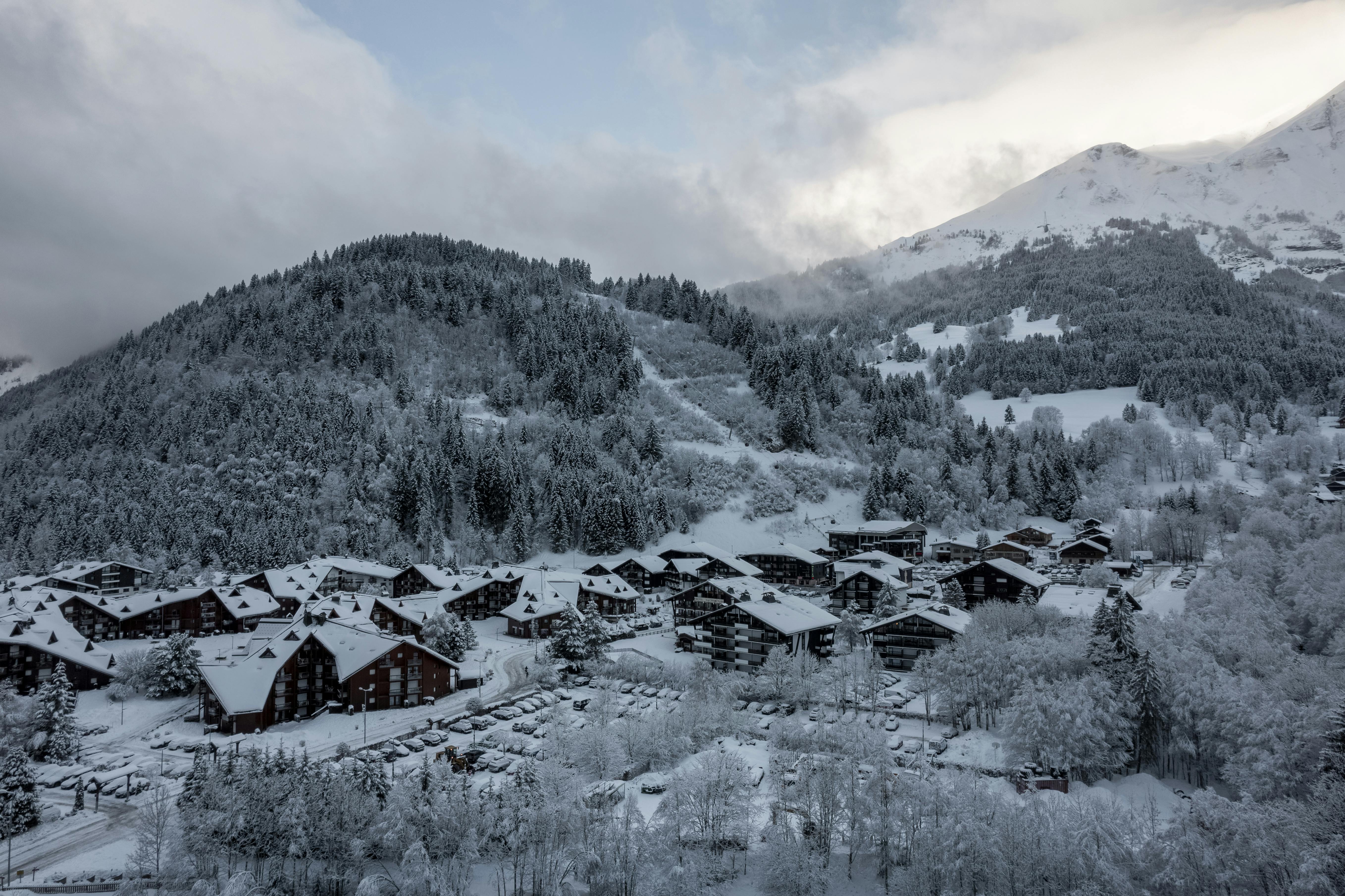
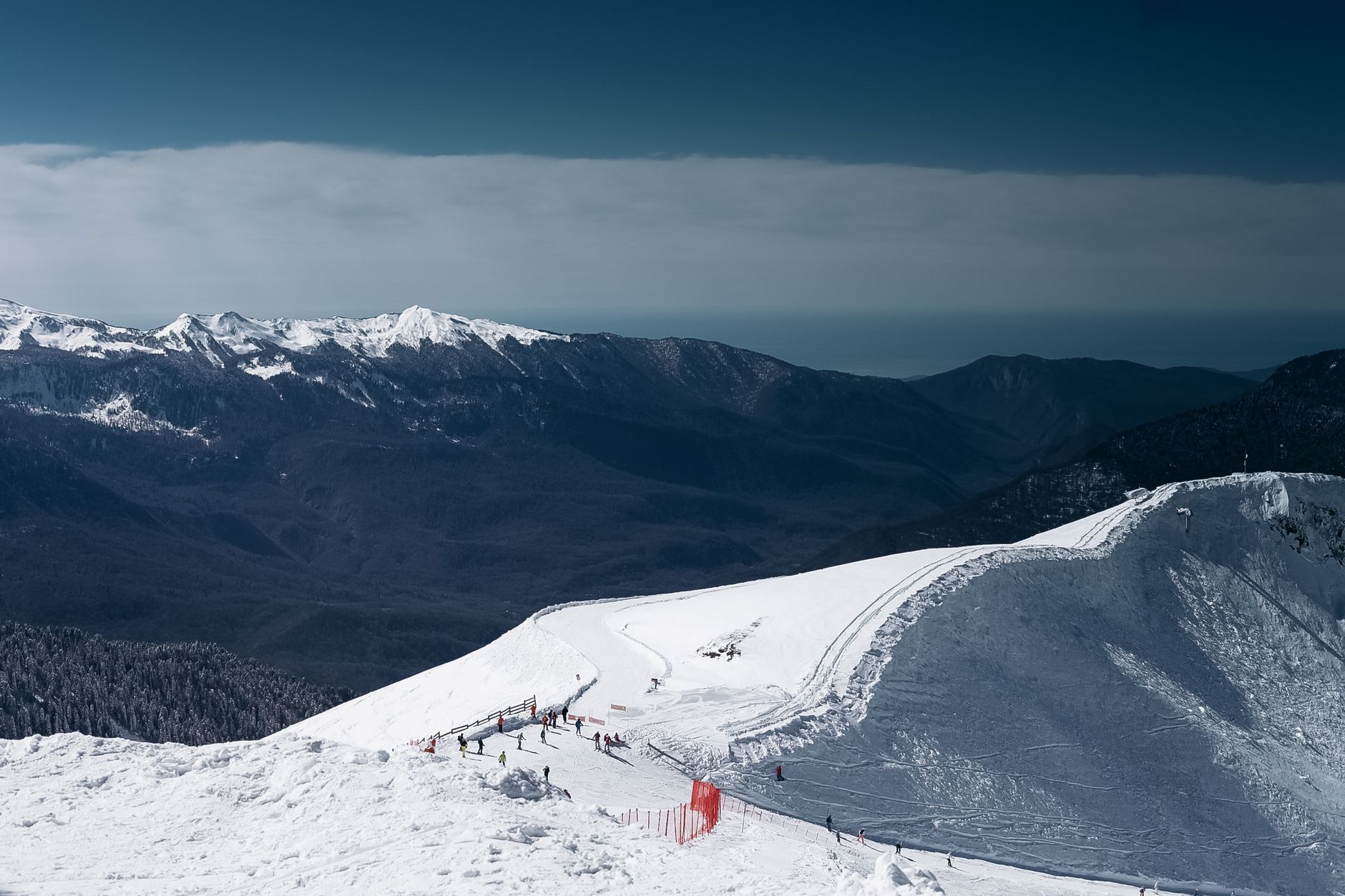
The frost on a windowpane in a Colorado cabin feels different than the biting wind on a New England harbor, yet both define the magic of a winter escape. Choosing the right spot isn't just about finding snow; it is about aligning your budget, your tolerance for cold, and your desire for solitude with the reality of January travel. I remember one trip to Park City where the snow was perfect, but the lift lines stretched for hours because everyone forgot that mid-December is peak holiday madness. That lesson in timing saved my next trip, proving that the destination is only half the equation.
Winter travel in the United States rewards those who plan with precision, but it punishes those who rely on hope. You do not need a PhD in meteorology, but you do need a clear hierarchy of needs. Are you chasing deep powder in the Pacific Northwest, or do you simply want a cozy fire and a hot toddy in a historic city? The difference in preparation is massive. A ski trip to Jackson Hole requires 4x4 vehicles and high-end thermal wear, while a winter weekend in Savannah demands comfortable walking boots and a stylish trench coat.
Before you commit a single dollar, establish one primary goal for the trip. Is it the scenery, the sport, or the culture? Once you have that anchor, check the daylight hours. In late December, the sun might dip below the horizon by 4:30 PM in Alaska, leaving you with barely three hours of usable light. This constraint changes everything. It forces you to prioritize morning activities and plan cozy evenings, rather than expecting a full day of exploration. Always have a backup plan for when the weather turns hostile, because in winter, the forecast is often just a suggestion.
The United States offers a staggering variety of winter experiences, but they fall into three distinct categories that serve different traveler needs. Ski resort towns like Vail or Aspen provide turnkey logistics with lifts, lessons, and après-ski culture all within walking distance. These locations are designed for comfort, though they come with a premium price tag. If you choose this route, look for towns that offer shuttle services to reduce the stress of parking and driving in icy conditions. Companies like Hertz or Enterprise often have specific winter packages, but you might find that renting a car is unnecessary if the resort is walkable.
National parks offer a completely different vibe, trading luxury for raw, dramatic beauty. Yellowstone in winter is a surreal landscape of steaming geysers against a backdrop of snow, but it requires serious preparation. Roads are often closed to regular traffic, meaning you must book a snowcoach tour or a guided snowmobile excursion. This limits your freedom but guarantees safety and access to areas you couldn't reach otherwise. Finally, winter city breaks in places like Chicago or Boston mix indoor culture with outdoor charm. You can spend the day in world-class museums and the evening at a local brewery, with only a short walk to the lakefront for a crisp breeze.
Equipment is the silent budget killer that trips up even experienced travelers. Many people arrive at a destination expecting to rent gear, only to find that the daily rates have skyrocketed due to holiday demand. A standard ski rental package can easily cost EUR 45 per day, and adding a snowboard or boots pushes that figure higher. If you are traveling for more than four days, buying used gear or pre-booking online often makes more financial sense. Platforms like GetSki allow you to compare high-quality rental and purchase options before you even pack your bags, ensuring you aren't stuck with ill-fitting boots.
The decision to rent or buy depends heavily on your skill level and how often you ski. If you are a beginner or an occasional rider, renting is usually the smarter move because technology changes fast. However, if you know exactly what you need, buying a used pair of skis or a snowboard from a reputable local shop can save you hundreds of dollars over a week-long trip. Always prioritize boot fit above everything else. A cheap pair of skis is tolerable; a painful pair of boots will ruin your entire vacation. Check the edge tune and wax levels if you are buying used, and never forget the essentials like a helmet, goggles, and a proper layering system.
Most winter budgets leak money in predictable ways, usually through last-minute decisions and premium transport costs. The most effective way to stop this bleeding is to book your lodging and major activities well in advance. Prices for flights and hotels can double just two weeks before a holiday weekend. By locking in your rates early, you gain peace of mind and significant savings. Consider traveling midweek, from Tuesday to Thursday, when lift tickets and hotel rates can drop by as much as 30% compared to the weekend rush. This simple shift in timing can free up funds for a nice dinner or an extra activity.
Transportation is another area where costs spiral quickly. Instead of renting a luxury SUV for a week, consider using a smaller, fuel-efficient vehicle or relying on public transit if you are in a city. In ski towns, a daily shuttle pass might cost only EUR 12, which is far cheaper than the fuel and parking fees associated with a personal car. Companies like Sixt and Europcar offer competitive rates, but always check for hidden fees like winter tire surcharges or young driver fees. Plan one paid highlight per day, such as a guided tour or a special meal, and fill the rest of your time with free activities like scenic hikes or exploring local neighborhoods. This balance keeps the trip exciting without draining your account.
Using a structured yet flexible itinerary prevents the "I have nothing to do" panic that often strikes on the second day of a trip. Start with an arrival day that focuses on acclimatization rather than intense activity. Check your gear, take an easy evening walk to get your bearings, and sleep early to recover from jet lag or long drives. On the second day, tackle your main snow activity, whether that is hitting the slopes or snowshoeing in a national park. Aim to finish by sunset to avoid the dangers of driving in the dark on icy roads.
Day three should be a scenic exploration day, offering a break from the main activity. Visit a nearby town, explore a historic site, or take a short loop hike. This day acts as a buffer; if the weather is terrible, you can swap it for an indoor museum visit or a spa session. By day four, return to your primary activity with renewed energy, perhaps taking a lesson to improve your skills or trying a different trail. The final day should be low-key, allowing time for packing and a short morning activity before heading to the airport or train station. Always build in a departure buffer of at least 90 minutes to account for snow delays, ensuring you don't miss your flight.
Yes, but the choice depends on the age of your children and your family's comfort with cold. Ski resorts like Breckenridge offer extensive kids' programs and gentle slopes, making them ideal for families with young children. National parks like Yellowstone provide unique educational experiences, but they require careful planning for safety and warmth. Always check if your chosen destination has family-friendly amenities like heated lodges and indoor play areas.
Booking your gear online before you arrive is the single most effective way to save money. Many resorts have inflated on-site rental prices, sometimes charging up to EUR 60 for a full package that could be reserved for EUR 37 online. Services like GetSki let you compare prices across different vendors and lock in a rate that fits your budget. Additionally, renting for the full duration of your trip usually offers a discount compared to paying a daily rate.
For the most reliable snow conditions in the US, aim for mid-January to mid-March. December can be hit-or-miss depending on the location, while February often brings the deepest snowpack. However, if you want to avoid crowds, late January is a sweet spot where the snow is usually good, but the holiday rush has subsided. Always check the specific resort's historical snowfall data for the dates you plan to visit.
Success in winter travel comes down to one simple action: book your gear and lodging at least three months in advance. This single step locks in the best rates, ensures you have the equipment you need, and gives you the confidence to handle whatever the weather throws your way. Whether you are chasing the northern lights in Alaska or skiing the slopes of Vermont, preparation is the key to turning a potentially stressful trip into a cherished memory. Don't wait until the last minute; the best spots fill up fast, and the best deals disappear even quicker.

Leave a request and we'll send a personal offer for your dates. One window instead of ten tabs — gear, transfer and car sorted and confirmed in advance.