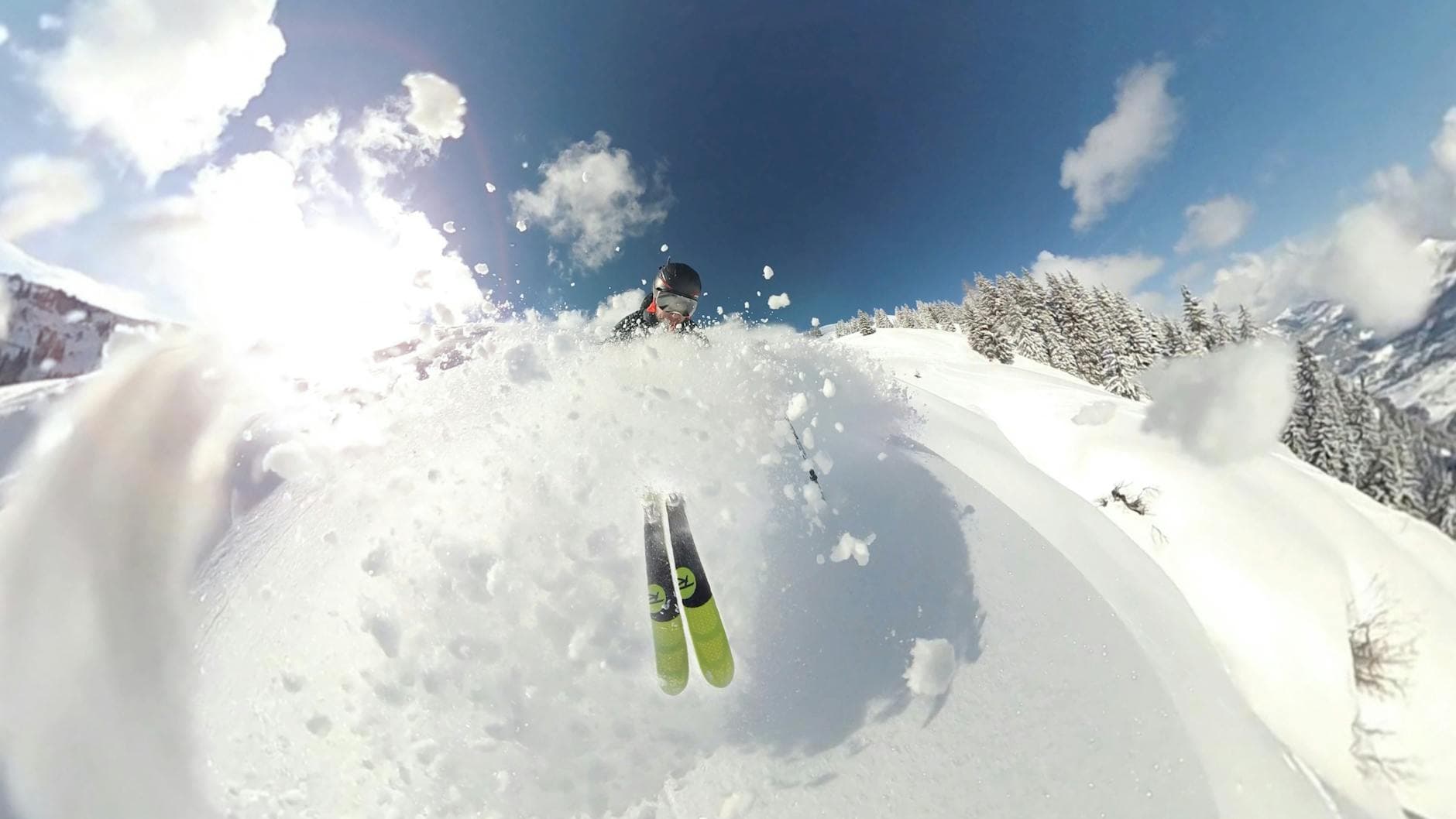
Always hire a certified guide and follow the safety instructions before you ride heli-skiing. A strong safety approach means the rider selects runs that match current snowpack and weather, keep risk lower than guessing, and ensure you have time to enjoy each descent. This intro to smart powder days emphasizes that safety comes first and planning pays off.
Myth: heli-skiing is only for fearless daredevils. Reality: operators tailor terrain to ability, offering intro options and controlled exposure. Expect 4–6 runs per day, with verticals from about 1,500 to 4,600 meters depending on snow and weather; you can choose easier or more challenging lines, either option keeps safety in focus, than chasing myth.
Keep gear ready: avalanche beacon, probe, shovel, and a helmet; consider an airbag backpack if your operator offers them. based on field data, using transceivers reduces search time by up to 30% in a rescue scenario. Ensure your beacon's battery is fresh, and you know the program for the day. Bring spare gloves, sunscreen, and water to stay composed while moving over the mountains.
Weather and helicopter time cap how many runs you can complete. If wind picks up or light fades, operators may cancel a flight or reduce runs to keep safety margins; you cant push through with poor visibility. Expect 3–5 hours on the hill and 4–6 runs when conditions cooperate, so you can stay energized and finish strong.
Sure, heli-skiing offers unforgettable lines, but keep expectations realistic. Have a clear plan, stay flexible, just plan and keep the group aligned with the safety margins, and you’ll enjoy the best experiences while staying safe.
Pick a private heli-skiing operator with seasoned guides and a concise safety briefing, then plan a day that keeps youre ready for every run. Pack meals for between runs and maintain steady hydration to stay sharp in the air and on the snow.
One myth is that you need to be an elite skier to ride heli-skiing. The reality is that common itineraries fit a wide range of levels; guides adjust lines to your condition and confidence, so you can advance at a pace that feels awesome without overexertion.
Every trip offers clear options: some runs are easier, others more challenging, and you can choose routes that fit your mood and skill. While terrain may look intimidating, with the right guides and simple safety checks, you stay in control and keep the day fun for anyonе who loves snow and speed.
Weather shifts can slow a plan, but operators routinely recheck conditions and adjust flights. If conditions worsen, expect a cancellation or a switch to a private plan for another day. There there is no reason to rush–the focus stays on safety, comfort, and a solid experience you can remember as an awesome memory with friends or family.
Real-World Q&A to cut through myths and set a practical pace for your day:
| Question | Answer |
|---|---|
| Is heli-skiing safe for a first-timer? | Yes, when you pick a private operator with trained guides, a thorough safety briefing, and terrain chosen to your condition. Start with a mellow plan and let the guides manage the flight sequence and avalanche risk checks. |
| What should I pack and prepare? | Layered clothing, helmet, beacon, probe, shovel, hydration, snacks, and meals. Arrive ready for altitude and a day that may include 4–6 helicopter drops and 4–6 hours on snow. |
| How do you handle intimidating terrain? | Guides pick routes that match your level. Tell them your comfort, and you can ride with them or pick a safer line. With clear communication, the terrain stays awesome and approachable for any skier. |
| Are helicopters loud or uncomfortable? | Modern helicopters reduce noise with damping tech, and pilots follow strict flight paths to keep riders comfortable. The ride is part of the overall experience, not a distraction from the snow and scenery. |
| Can beginners join if they have some uphill experience? | Yes. Accessible terrain and professional instruction let a wide range of backgrounds participate. Some prior experience helps, but you can progress quickly with guidance and practice between flights. |
| What if weather changes? | Operators monitor conditions at every stop and adjust flights. If needed, they cancel or shorten the day and offer a reschedule, keeping you in the loop and ready for the next window. |
Yes – first-timers can try heli-skiing when they enroll in a beginner-friendly program backed by a capable team and clear safety guidelines.
You might start on gentle pitches and move at a comfortable pace, with terrain chosen based on your level. The majority of operators tailor routes so that anyone new to heli-skiing stays within safer lines while gradually expanding exposure. Snowboarding enthusiasts and skiers can participate, as the program adapts to your background. The vast selkirk locations and other ranges offer diverse options, and theres a strong safety culture with pre-briefings, radios, and emergency plans. The team will provide safety gear and training, and this thing helps ensure you stay in a controlled zone as you learn. If you're a skier, you'll find options that fit your style; for snowboarding enthusiasts, there are parallel routes and briefings. If you want a slower start, you can choose gentler routes than steeper ones, or opt for either approach later, whichever you prefer; this balance keeps safety front and center. For many, heli-skiing delivers an awesome experience, and vast terrain can be appreciated by skiers or snowboarders alike.
To make it work well, bring your own confidence and ask what is provided. Bring essential gear such as layers, goggles, and a helmet, and confirm what the operator will supply. This part of the experience focuses on technique, communication, and gradual exposure, so anyone can progress as skiers or snowboarders. The program is designed for your comfort and always aims to keep pace with your readiness, so you wont feel pressured, and you can adjust the pace with the guide. The team will explain how the move between zones works and ensure you understand safety signals before each flight.
Get a proper safety kit and complete a guided instruction program before your first heli-skiing runs. If youve never skied or boarded in backcountry terrain, start with a beginner-friendly package that pairs heli access with on-slope coaching.
There are two main paths to gear: rent the core items from the operator or bring your own tuned kit, based on your comfort and the operator's policy. This approach addresses needs for safety, mobility, and stamina on long days of high-altitude snow.
Training plan to prepare for heli-skiing
