

All Čeština articles
Resorts & Destinations
Jak vybrat lyžařskou bundu – tipy odborníků pro teplo, voděodolnost, střih a pohodlí
Leo WinterhartPublished December 19, 2025· Updated June 22, 2026 10 min read Čeština
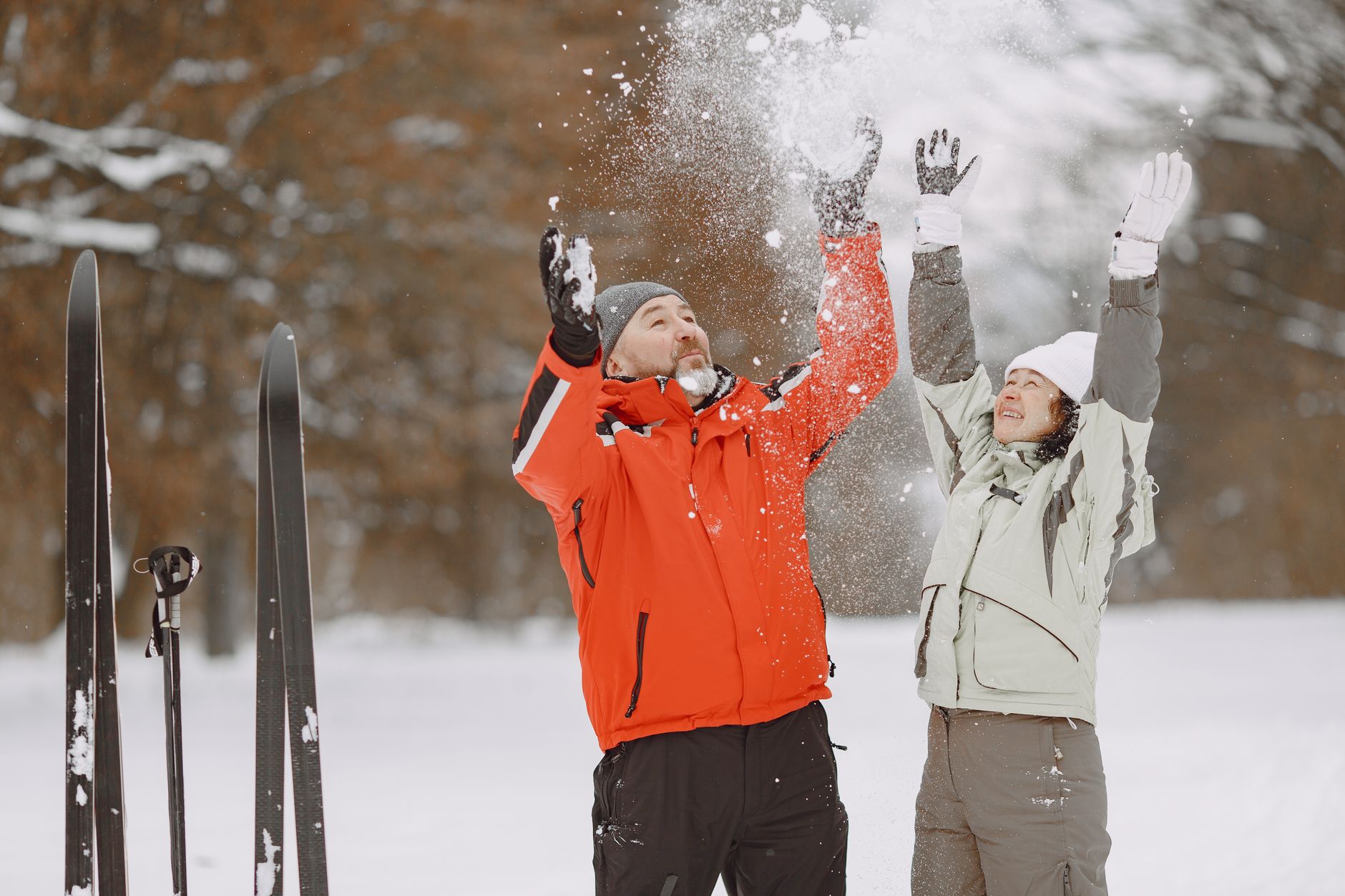
Začněte s lehkým, povětrnostně odolným svrškem s obousměrnými zipy; přidejte nastavitelné ventilace a ujistěte se, že střih umožňuje vrstvu péřové výplně bez omezení pohybu.
Na sjezdovkách zvažte siluetu, která sedí rovně přes ramena, aby zůstala zachována pohyblivost při freeridových obloucích; více kapes umožňuje přístup k skipasu, telefonu nebo rukavicím, aniž by byl střed těla vystaven studenému větru; styly se pohybují od připravených na park po zaměřené na skialpinismus, přičemž nejlepší volba se stane vaší oblíbenou kouskem, jak teplota klesá, a udržuje teplo.
Ochrana před povětrnostními vlivy závisí na podlepených švech, odolném DWR povrchu a kapuci, která blokuje vítr; odnímatelná izolace nebo prodyšná podšívka reguluje teplo bez objemu během teplotních výkyvů, přičemž zůstává účinná i při jiných povětrnostních změnách.
V týmovém kontextu zvolte bundu s propojitelnými vrstvami, umožňujícími teplo v jednom kusu během chladných dnů; ventilace při vrcholu aktivity je zabudovaná. Péřová izolace dodává teplo, když klesá teplota, zatímco prodyšný svrchní materiál zabraňuje přehřívání při dlouhých jízdách bez obětování ochrany.
Závěr: modulární, na počasí připravená výbava postavená s lehkým svrškem, více větracími otvory a vrstvením vhodným pro péřové bundy poskytuje spolehlivé teplo, suchou ochranu a snadnost při změnách počasí při aktivitách v parku, na horách nebo při freeridu.
Začněte s plně zatepleným svrškem s nastavitelnou kapucí; manžetami; lemem. Jádrová izolace kolem 60 g; rukávy 40 g. Vnější strana odolná proti vodě s podlepenými švy. Doporučený teplotní rozsah: -10 °C až -25 °C v horách. Ideální pro lyžařské dny.
Ochrana proti vodě: nepromokavý svrchní materiál s utěsněnými švy; DWR povrch; voděodolné zipy; kapuce kompatibilní s helmou; sněhový pás blokuje poryvy. Mezi bouřkami se prodyšnost liší; rozložení váhy je důležité při delších jízdách; ve vystavených teplotách zůstat suchý bez přehřívání zůstává klíčové; spolehlivost svrchního materiálu vítězí. Možnosti zahrnují péřové nebo syntetické výplně.
Střih a nastavitelnost: hledejte plnou nastavitelnost: nastavitelné manžety; lem; ramena; kapuce kompatibilní s helmou. Podšívaný interiér zlepšuje zadržování tepla. Začínající lyžaři těží ze střihu s přidaným prostorem v ramenou a hrudníku, aby umožnil mobilitu při alpských jízdách; udržujte pohyb v bezpečných mezích. Kapuce, kterou lze nastavit, zůstává pohodlná s helmou; rukávy zůstávají na místě po celou dobu oblouků. Tato možnost nabízí teplo bez objemu.
Nákupní strategie: navštivte obchod před vrcholem sezóny; zkuste s mezivrstvou; zkontrolujte švy; ověřte nastavitelnost; velikost kapuce kompatibilní s helmou; logiku kapes vhodnou pro jednodenní výlety; délka rukávů dostatečná pro plné natažení při jízdě; zvažte váhu a objem. Rozhodování mezi dvěma možnostmi je s touto tabulkou snadnější; umožňuje porovnat dva konkrétní modely. Ti, kteří lyžují často, vyžadují modely s velmi dobrým odvětráváním; to vám umožní porovnat s vrstvením oblečení. Jednoduše otestujte pohyb s mezivrstvou; ujistěte se, že se ramena volně pohybují; rukávy zůstávají nad manžetami.
Péče: perte s jemným pracím prostředkem; důkladně opláchněte; sušte na vzduchu; znovu zateplete po 30–40 cyklech; skladujte po celou mimo sezónu pověšené na suchém, chladném místě; vyhněte se přímému slunci; mediální pokrytí někdy přehání, ale trvanlivé povrchy zůstávají spolehlivé. Vyhněte se chladu správným vrstvením během chladnějších období.
| Funkce | Základní možnost | Prémiová možnost |
|---|---|---|
| Izolace | Jádro 60 g; rukávy 40 g | Jádro 120 g; rukávy 80 g |
| Podšívka | podšívaná | podšívaná; odnímatelná vnitřní vrstva |
| Svrchní materiál | voděodolný | nepromokavá membrána; podlepené švy |
| Nastavitelnost | základní manžety; pevný lem | nastavitelné manžety; nastavitelný lem; ramena |
| Váha | ~1,1–1,4 kg | ~1,5–2,0 kg |
| Cena | 180–260 $ | 360–520 $ |
Hybridní izolace je nejsilnější univerzální volbou v proměnlivých podmínkách na horách; její jádrové teplo zůstává zvýšené, zatímco oblasti náchylné k vlhkosti používají syntetickou výplň, která vás udrží v teple během dlouhých jízd na lanovce a čekání na skipasy. Tato vestavěná, lehká vrstva zůstává pružná s elastickými manžetami, chráněnými rameny, zapínáním na zip a kompaktním profilem pro pohyb mezi sjezdovkami – to vše bez objemu.
Určete, jaký typ nejlépe vyhovuje vaší rutině: začátečnické seance v zónách s povoleným vstupem, dny v parku nebo dlouhé dny na backcountry výletech; zvolte mezi lehkým teplem, manipulací s vlhkostí a sbalitelností. Toto není univerzální pravidlo, ale ovlivní to výkon zde na lanovkách, během seancí na sjezdovkách a při silném větru v ranních horách.
Zvolte membránu 20k/20k v místech s častým silným deštěm; dlouhodobé vystavení vyžaduje vyšší ochranu proti vodě; možnost 10k/10k poskytuje solidní ochranu s nižší váhou.
Hodnocení jako 10k/10k odhaluje hydrostatickou hlavici kolem 10 000 mm; MVTR kolem 10 000 g/m2/24h; rovnováha vede, když udržení pokožky v suchu se stává prioritou oproti uvolňování páry; stejné hodnocení znamená srovnatelnou ochranu mezi značkami, což zjednodušuje srovnání; potřeby se liší podle místa, sportu, podmínek.
Typy membrán zahrnují GORE-TEX, eVent, Dermizax; laminované konstrukce se liší prodyšností, odolností proti vodě; utěsnění švů je důležité; některé se spoléhají na mikroporézní kanály; jiné se spoléhají na hydrofobní difúzi; materiály zahrnují nylon, polyester, hydrofobní polymery.
Co štítky ukazují: hydrostatická hlavice kolem 10 000 mm; MVTR blízko 10k g/m2/24h; vyšší čísla znamenají super silnou ochranu; větší ochrana než chatrné svršky vyžaduje větší váhu; skvělá spolehlivost za bouřkových podmínek; kompromisem je váha, objem, řízení teploty; nižší čísla jsou vhodná pro venkovní aktivity s vysokým tempem v teplejších lokalitách.
Existují specializované lamináty; některé jsou lehčí; pobyt venku po dlouhé seance vyžaduje řízení váhy; to ovlivňuje délku spodní části, funkčnost manžet, přístup ke kapesám; zvolte délku spodní části, která umožní připevnění postroje nebo batohu; hladký vnější povrch snižuje zachytávání na kartáči; vzácné úkoly řízení vody udržují materiály odolné.
Priority stylu se setkávají s praktickými potřebami; jednoduché ladění zůstává praktické při přechodu na funkci; volné boky poskytují prostor pro mezivrstvu; přiléhavé manžety mají elastické zapínání; spodní lem nastavitelný pomocí stahovací šňůrky; kapuce vhodná pro helmu; upevňovací body na zápěstí a lemu podporují rukavice, popruh na brýle, integraci batohu; zachycení vlhkosti u manžet zřídka zůstává, pokud se používá ventilace.
Řízení teploty zůstává nezbytné; pohodlí závisí na mikroventilacích, podšitých interiérech; rozložení váhy z materiálů postavených kolem boků; zůstat svěží v aktivních lokalitách vyžaduje vrstvy odvádějící vlhkost.
Začněte se základní vrstvou horního a spodního dílu ve velikosti, která umožňuje dostatek vzduchu mezi vrstvami; přidejte střední vrstvu ze syntetického polyesteru; teplé, prodyšné vrstvy regulují vlhkost, teplo, umožňují potápěčské pohyby s energií; svrchní materiál výše poskytuje nepromokavou ochranu na mokrých sjezdovkách; testy expozice vodě pomáhají odhadnout integritu švů; poznamenejte si body možného tření v podpaží a na švech, abyste zajistili pohodlí.
Upřednostněte šířku ramen, rovnost hrudníku, délku rukávů; otestujte švy podpaží na body tření; ověřte, zda se rozsahy kolen a loktů překládají do skutečných pohybů; zajistěte, aby základní vrstva zůstala úhledná v pase při dosahu nad hlavou, kroucení, dřepu; zůstává prostor pro střední vrstvu bez stlačení; délka rukávů dosahuje nad zápěstí, aby nedošlo k odhalení.
Tloušťku střední vrstvy určete podle místa, sezóny; mírné jarní dny vyžadují lehčí možnost; chladná rána vyžadují silnější kus; cílem je dostatečná prodyšnost, rychleschnoucí syntetické materiály, jako je polyester; minimalizujte množství objemu při zachování tepla; zajistěte, aby se střední vrstva komprimovala pod nepromokavým svrchním materiálem, aniž by omezovala kolena nebo vnitřní rukávy.
Během zkoušení sledujte vnitřní regulaci teploty mezi trupem a zády; pociťujte nahromadění vlhkosti v oblasti podpaží při testování; ověřte, zda švy leží naplocho, kapsy jsou umístěny tak, aby nezasahovaly do holí nebo pohybů; zohlednění osobních preferencí, jako je stylová silueta, délka, výška nad boky; rozhodování o umístění kapes pro podporu ohýbání kolen na sjezdovkách; dalším faktorem je systém spodního prádla, který nebude omezovat cirkulaci; sukně by měly být vyvarovány kvůli objemu kolem boků.
Vyberte bundy s plně podlepenými švy, voděodolnými zipy a búřkovými patkami, které nabízejí maximální ochranu; zaměřte se na lehké, pružné svršky; některé modely používají péřovou izolaci k regulaci tepla.
Švy, které jsou plně podlepené, zůstávají suché při silném postřiku; páska 15–20 mm nabízí spolehlivé utěsnění, dokonce i kolem ramenních švů. V minulých sezónách pronikání do interiéru rychle; jedna kapka vody během testu by měla odskočit, pokud je páska švu neporušená.
Zipy musí být voděodolné, s búřkovou patkou zakrývající zuby. Preferujte YKK Aquaguard, reverzní spirálu nebo skryté jezdce; testujte posouváním s nasazenými rukavicemi; zabraňte vniknutí sněhu kolem jezdce.
Kapsy jsou důležité: náprsní kapsy vysoko, utěsněné zipy, voděodolné povrchy; vnitřní kapsa na rukávu drží telefon; vnitřní průchod je pro brýle; manžety s uzávěrem na zip utěsňují. Na upravených sjezdovkách udržujte nástroje přístupné.
Sněhové pásy utěsňují mezeru mezi bundou a kalhotami. Nastavitelná stahovací šňůrka, vnitřní silikonová úchytka a kompatibilní rozhraní s kalhotami při setkání s hlubším sněhem; odnímatelná možnost pomáhá při cestování.
Design kapuce by měl pojmout helmu a zároveň udržovat těsné utěsnění; nezapomeňte na stahovací šňůrku na lemu; malý kšilt pomáhá odvádět padající sníh kolem obličeje; kolem tváří zůstává minimální průvan.
zdrojové poznámky uvádějí, že teplo závisí na střihu, prodyšnosti, integritě švů; zkušení testeři obecně preferují bundy s vrstvenými teplými možnostmi; řízení potu hraje hlavní roli spolu s údržbou; skladujte v čtvercovém šatníku, když teploty klesnou.
Svrchní oděvy s vyztuženými rameny; vyztuženými předloktími; utěsněnými švy; odnímatelnými částmi, jako jsou kapuce; vnitřní podšívky; zipy na rukávech prodlužují životnost. Směřování k prodloužení životnosti prostřednictvím odnímatelných částí zlepšuje praktičnost.
Hledejte látky z odolných typů vyrobených tak, aby odolávaly oděru; membrány udržují odolnost proti vodě a zároveň dýchají. Klíčovým ohledem jsou zóny oděru, jako jsou ramena; paže; podpaží.
Softshellové bundy poskytují flexibilitu při mírné aktivitě; směřování k dlouhé životnosti při zachování prodyšnosti; jejich měkký vnější povrch odolává oděru a zároveň umožňuje proudění vzduchu. Změny počasí přicházejí rychle během lyžařských měsíců. Tato výbava podporuje pohyby v měnících se podmínkách.
Odnímatelné části, jako jsou kapuce; podšívky; rukávy, pomáhají přizpůsobit se aktivitě; ve studených obdobích se může dovnitř naskládat střední vrstva.
Před praním zkontrolujte kapsy; vyprázdněte je; zavřete zipy; obraťte naruby.
Použijte pračku s předním plněním na studený cyklus; perte s jemným technickým pracím prostředkem; vynechte aviváž; důkladně opláchněte.
Sušte na vzduchu mimo přímé teplo; pokud štítek umožňuje sušení v sušičce, použijte nízkou teplotu; přidejte čisté tenisové míčky k obnovení nadýchanosti.
Některé modely obsahují lem podobný sukni, který blokuje průvan během sezení; tyto sukně pomáhají při pohybech.
Znovu zateplete sprejem po dvaceti až třiceti vypráních; po sezóně venkovního používání během lyžařských měsíců; udržujte rolování vody, jak se mění počasí.
Sledujte opotřebení na ramenou; pažích; panelech podpaží; můžete si všimnout ztenčení látky poblíž kapes; tato slabá místa vyžadují opravu nebo záplatu švů.
Řízení životnosti: skladujte čisté, suché, zavřené oděvy na dostatečném prostoru; vyhněte se stlačení, aby se zachovaly membrány.
Napsané pokyny pro péči na štítku by měly být dodrženy; zřídka vyžaduje profesionální údržbu.