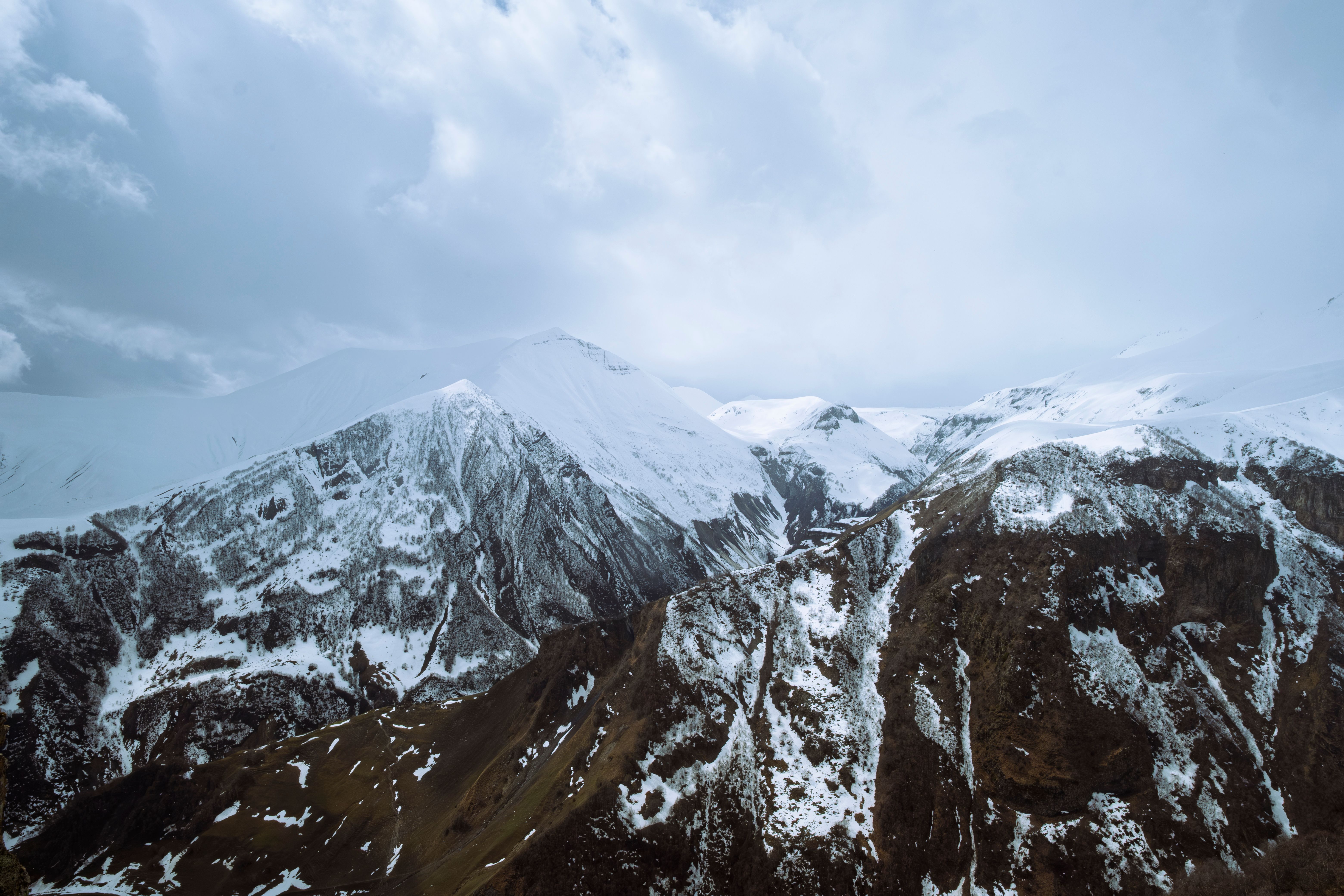
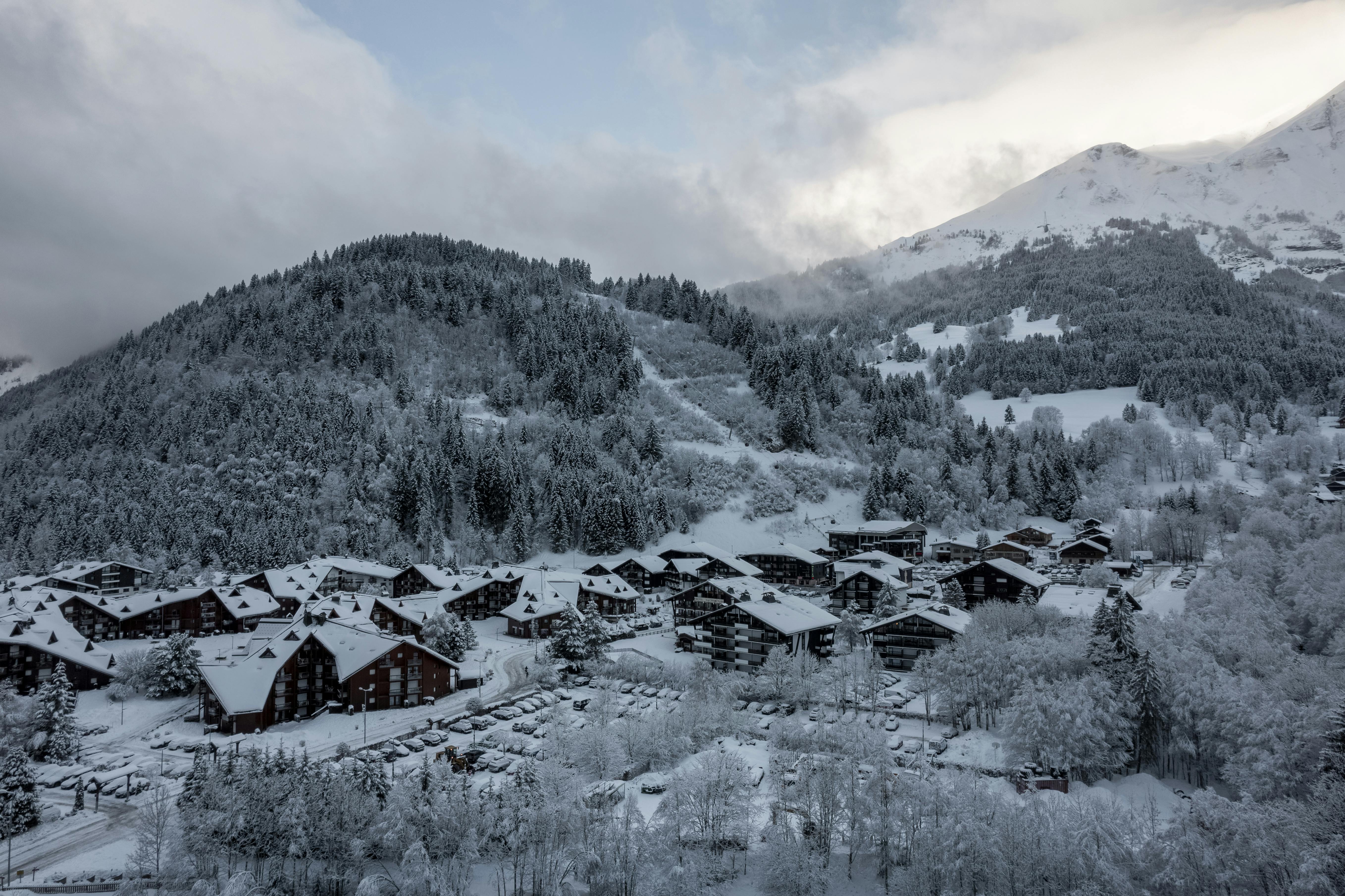
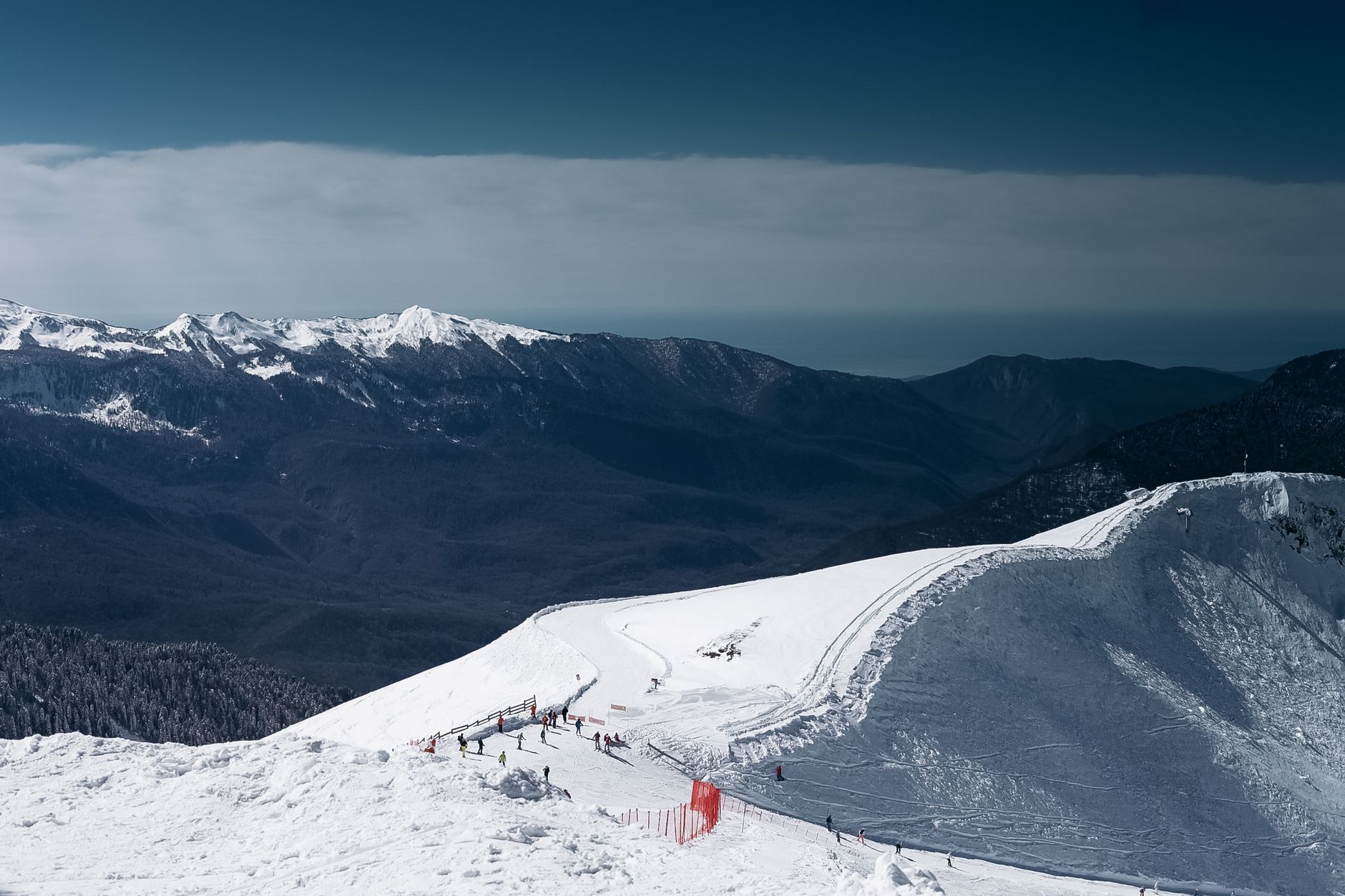
Val Thorens is Europe's highest ski resort — at 2,300m, it sits above the clouds, above the rain, and above the crowds at the lower-altitude resorts below. Its elevation makes it the most snow-sure resort in the Alps, with a season running from late October to early May and skiing virtually guaranteed at Christmas and in early spring when lower resorts can be bare. Here's everything you need to know about skiing Val Thorens in 2026.
Val Thorens has 150 km of local pistes spread across three main sectors — the Col de l'Auris, the Boismint area, and the Cime de Caron. The terrain is varied, with the dominant piste colour being red — ideal for confident intermediates who want to build mileage. There are excellent challenging black runs on the Cime de Caron face, and the off-piste terrain towards Les Menuires is exceptional after fresh snow.
Val Thorens is the highest point of the Three Valleys ski area — the world's largest linked ski system at 600 km. From Val Thorens, you can ski directly to Les Menuires (20 minutes), Méribel (45 minutes with lifts), and Courchevel (1h30 with lifts). The Three Valleys lift pass covers all 600 km and is the most common choice for weekly visitors. A Val Thorens local pass covers only the 150 km local area at a lower price.
Val Thorens' greatest asset is its snow reliability. At 2,300m, the resort receives an average of 9m (900cm) of snowfall per season. The base is typically 80-200cm throughout the season. Artificial snow covers the key link runs. Even in low-snow years that devastate lower-altitude resorts, Val Thorens maintains excellent conditions. This makes it particularly valuable for Christmas and early-season trips when conditions elsewhere are uncertain.
Val Thorens has excellent rental infrastructure — dozens of shops competing for business means prices are reasonable despite the resort's prestige. Typical 2026 ski rental prices:
Pre-booking via GetSki saves 20-25% vs walk-in rates. Most shops are located in the village centre and at the base of the main lifts — easy to reach on ski boots. Equipment can be adjusted or swapped free during your stay.
Val Thorens is a purpose-built resort accessible only by road — there is no train connection. The most common arrivals:
Shared transfer buses (€25-40pp each way) operate throughout the ski season from all three airports. Private transfers (€150-250) are available for families. Driving is straightforward — the N90 from Moûtiers is the main access road, well-gritted in winter.
Val Thorens is a purpose-built resort — it has no historic centre or traditional charm. The architecture is functional French ski resort style, and the entire village is oriented around skiing. Everything is ski-in/ski-out or a short walk from the slopes. The lack of charm is the trade-off for guaranteed snow and convenience. The resort has expanded significantly in recent years — new accommodation, improved restaurants, and a better après-ski scene.
Val Thorens is not the easiest resort for absolute beginners — the altitude causes breathlessness, and the beginner areas are limited compared to lower-altitude resorts. However, it has a dedicated beginner zone with carpet lifts, and the ESF ski school is excellent. If you're a first-timer, consider starting at Les Gets or La Plagne and visiting Val Thorens once you can ski confidently on blue runs.
Val Thorens has beginner areas and a good ski school, but the high altitude (2,300m) can cause breathlessness for those not acclimatised. The majority of terrain is red and black — better suited to intermediates and above. Beginners are better served by La Plagne or Les Gets for their first holiday, moving to Val Thorens once they can ski confidently.
Budget approximately €50-65/day for a Three Valleys lift pass, €25-40/day for ski rental (pre-booked via GetSki), €30-60/day for food. Accommodation ranges from €80/night (budget apartment) to €300+/night (catered chalet). A mid-range 7-day holiday costs approximately €1,200-1,800 per person all-in excluding flights.
Val Thorens receives an average of 9m (900cm) of snowfall per season and maintains snow cover from late October to early May. The high altitude (2,300-3,230m) means temperatures stay consistently cold throughout winter. It's the most snow-reliable resort in France and one of the most snow-reliable in the entire Alps.

Leave a request and we'll send a personal offer for your dates. One window instead of ten tabs — gear, transfer and car sorted and confirmed in advance.