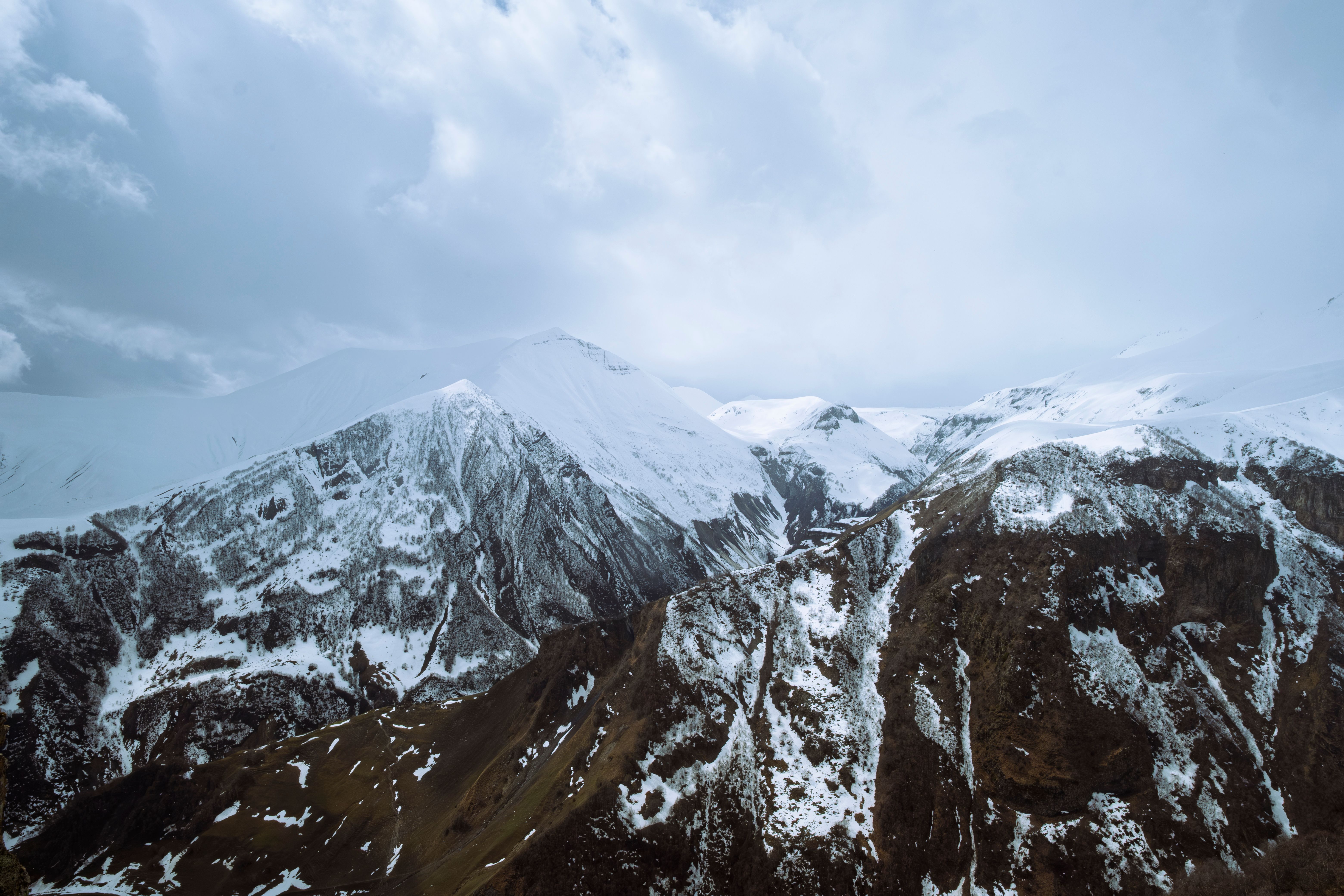
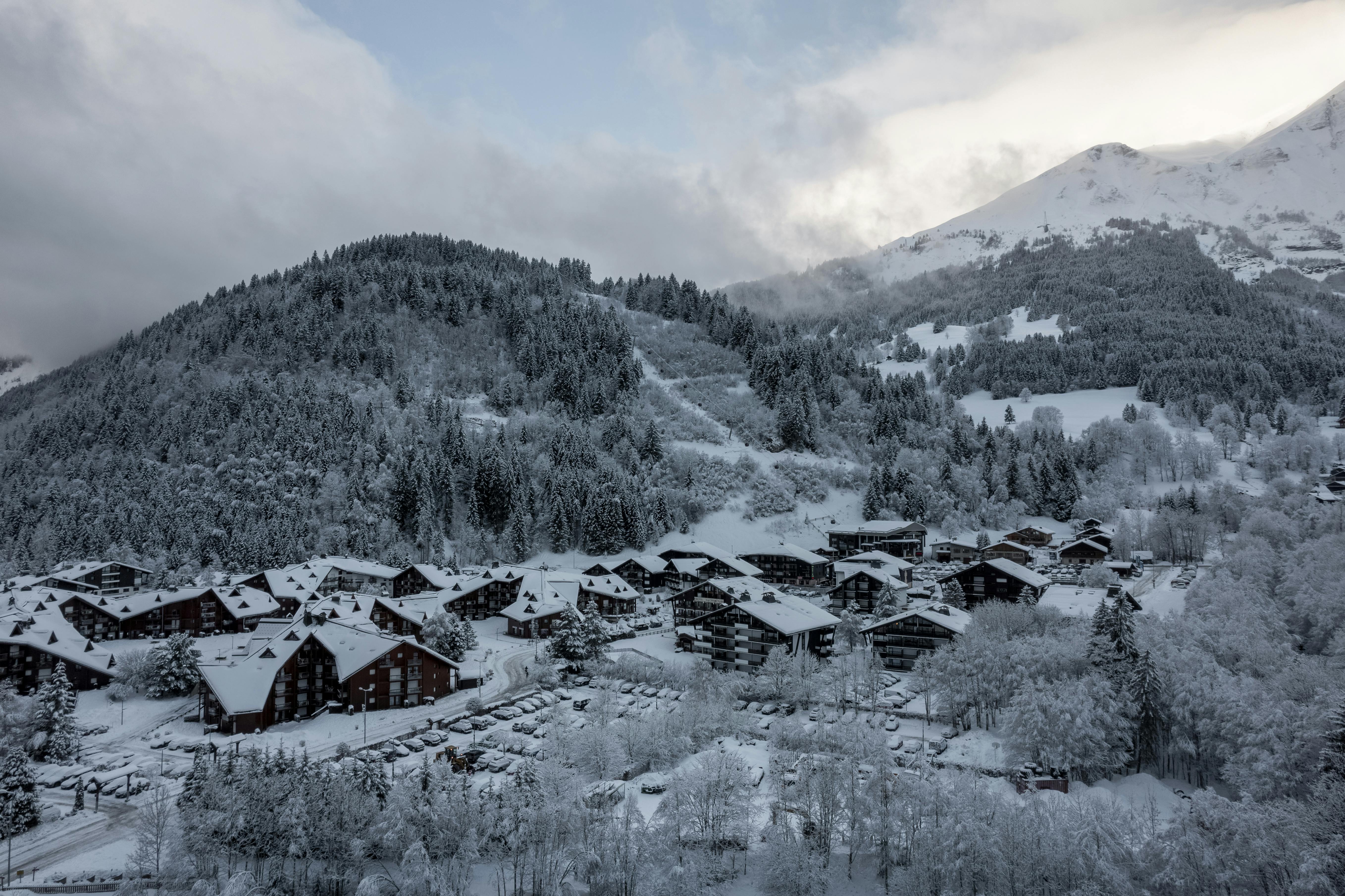
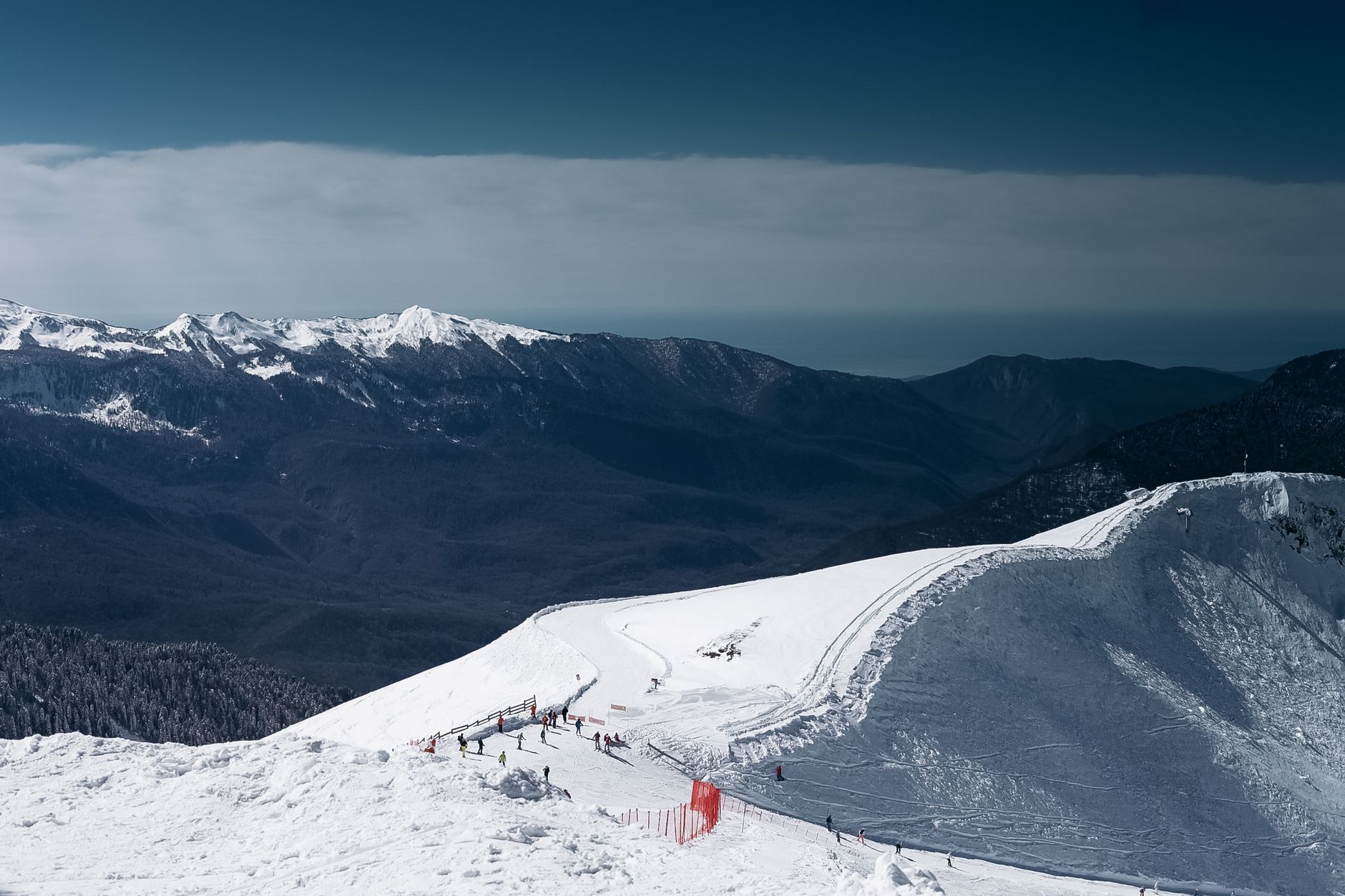
The first time I drove up to Mount Hood in January, the sky turned a bruised purple by 3:45 PM, and the temperature plummeted so fast my breath froze in my beard. That sudden shift from a sunny morning to a whiteout afternoon taught me that winter travel here isn't about rigid schedules; it is about fluid adaptability and respecting the mountain's mood. When you plan a trip to the Oregon Cascades, you are not just booking a vacation; you are signing up for a dynamic relationship with the weather, the light, and the deep, silent snow that blankets the Pacific Northwest.
The most common mistake travelers make is creating a minute-by-minute schedule that collapses the moment a storm rolls in. Instead, build your days around a single "anchor" activity, whether that is hitting the slopes at Timberline Lodge, exploring the ice caves of the Columbia River Gorge, or simply enjoying a hot spring soak. This anchor gives your day purpose, but the rest of the itinerary should remain porous and open to change based on wind speeds and visibility.
Consider the concept of "Plan A" and "Plan B" for every single afternoon. If your Plan A involves a high-altitude hike to a viewpoint, your Plan B must be a cozy indoor alternative like a local brewery in Hood River or a museum in Portland. This dual-track approach ensures that a sudden snowstorm does not ruin your entire day. You simply pivot without panic, swapping the cold trail for a warm cafe, keeping the momentum of your trip alive regardless of the forecast. The goal is to maintain energy and excitement, not to force yourself into a dangerous situation just because you booked a specific time slot.
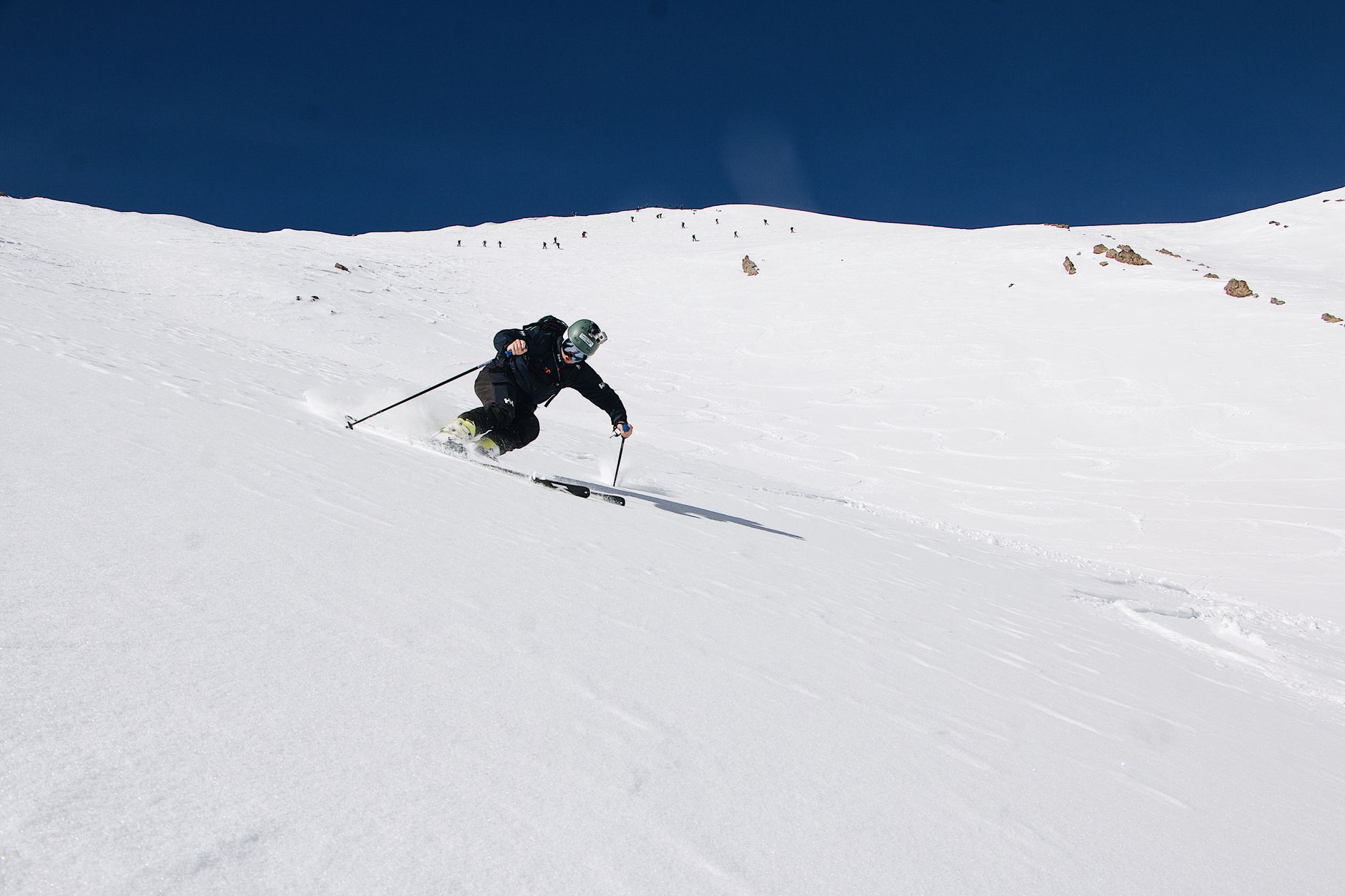
Comfort on the mountain is entirely dictated by the basics: a proper boot fit, warm hands, and clear vision. Many beginners obsess over expensive ski bindings or the latest snowboard graphics, only to suffer through a day of numb toes because they ignored the fundamentals. When you are standing on a frozen peak in the Oregon highlands, a pair of ill-fitting boots can turn a dream vacation into a physical ordeal within an hour.
Deciding between renting or buying gear is a critical financial decision that depends on your frequency of travel. If you only ski once a year, renting is almost always the smarter financial move, saving you from storage fees and maintenance costs. For those who ride frequently, buying allows for custom tuning and immediate familiarity. Regardless of your choice, platforms like GetSki allow you to compare high-quality rental and purchase options well before you arrive, ensuring you secure the right size and style without paying peak-week premiums. Always prioritize a helmet with a low-light lens option, as the Oregon mountains often transition from blinding sun to gloomy overcast in the span of a single run.
Navigating the winter landscape requires more than just a map; it demands a strategic approach to timing, location, and logistics. The difference between a magical day and a stressful one often comes down to a few simple, actionable choices made before you even leave the house. Here are four specific strategies to maximize your experience while minimizing risk and cost.
Winter travel in Oregon can be expensive if you are not careful, but it does not have to break the bank. The key is to spend your money on one signature experience per day and fill the remaining hours with free or low-cost activities. For instance, you might pay for a full day of skiing at Mount Bachelor, but then spend your afternoon walking the free scenic trails of the Mount Hood National Forest or visiting the historic town of Sisters. This "one paid highlight" strategy allows you to feel like you are on a luxury trip while keeping your total daily spend manageable.
Accommodation costs can also be optimized by staying slightly outside the immediate resort base. Towns like Government Camp or the area around Timberline Lodge often offer better value than the resort hotels directly on the mountain. By booking a cabin in these nearby communities, you save money on nightly rates while still being within a 15-minute drive of the slopes. Additionally, bringing your own lunch and snacks can save you an average of EUR 28 per person per day compared to buying food at the resort cafeteria. These small savings add up quickly, allowing you to reallocate funds toward a guided snowshoe tour or a private hot spring experience.
The winter days in Oregon are notoriously short, with the sun often dipping below the horizon by 4:45 PM in December and January. This compressed daylight window means every hour on the mountain counts, and you must start your day early to avoid driving home in the dark. The "golden hour" for photography and skiing is usually between 9:00 AM and 11:00 AM, when the snow is fresh and the light is crisp. After that, the weather can turn unpredictable, with winds picking up and temperatures dropping rapidly.
Crowds also fluctuate wildly based on the weather and the calendar. Holiday weeks, such as the week of Christmas or Martin Luther King Jr. Day, bring massive crowds that can extend lift wait times to over 45 minutes. If you want a more serene experience, try to visit during "shoulder weeks" like the weeks following New Year's or in late February. These periods often see a 30% drop in visitor numbers, resulting in quieter trails and a more intimate connection with the landscape. Always check the local road conditions before heading out, as a sudden snowstorm can close key access routes like Highway 50 or Highway 240 without much warning.
Absolutely not. While the slopes are world-class, the region offers incredible experiences for non-skiers, including snowshoeing, scenic gondola rides, and visiting historic lodges. Many resorts like Bear Mountain offer gentle beginner areas and professional lessons that make the sport accessible to everyone, regardless of prior experience.
The best strategy is to book early using comparison tools like GetSki, which aggregates options from major providers. By securing your rental package weeks in advance, you can often save up to EUR 15 per day compared to walk-in rates, and you guarantee that your preferred gear size is available.
Driving can be safe if you are prepared, but it requires caution. Ensure your vehicle has winter tires or chains, keep a full tank of gas, and always carry an emergency kit with blankets, water, and food. Check road conditions on Oregon DOT before departure, as chains may be required on steep passes like the one leading to Mount Hood.
To truly master a winter trip to the Oregon mountains, remember that preparation is your greatest ally. Pack a high-quality thermos with hot cocoa, a spare pair of wool socks, and a dry base layer in your daypack; these three small items can transform a freezing, miserable afternoon into a comfortable, memorable experience. By planning your gear early with GetSki and keeping your itinerary flexible, you ensure that your adventure is defined by the beauty of the snow, not the stress of the logistics.
Leave a request and we'll send a personal offer for your dates. One window instead of ten tabs — gear, transfer and car sorted and confirmed in advance.