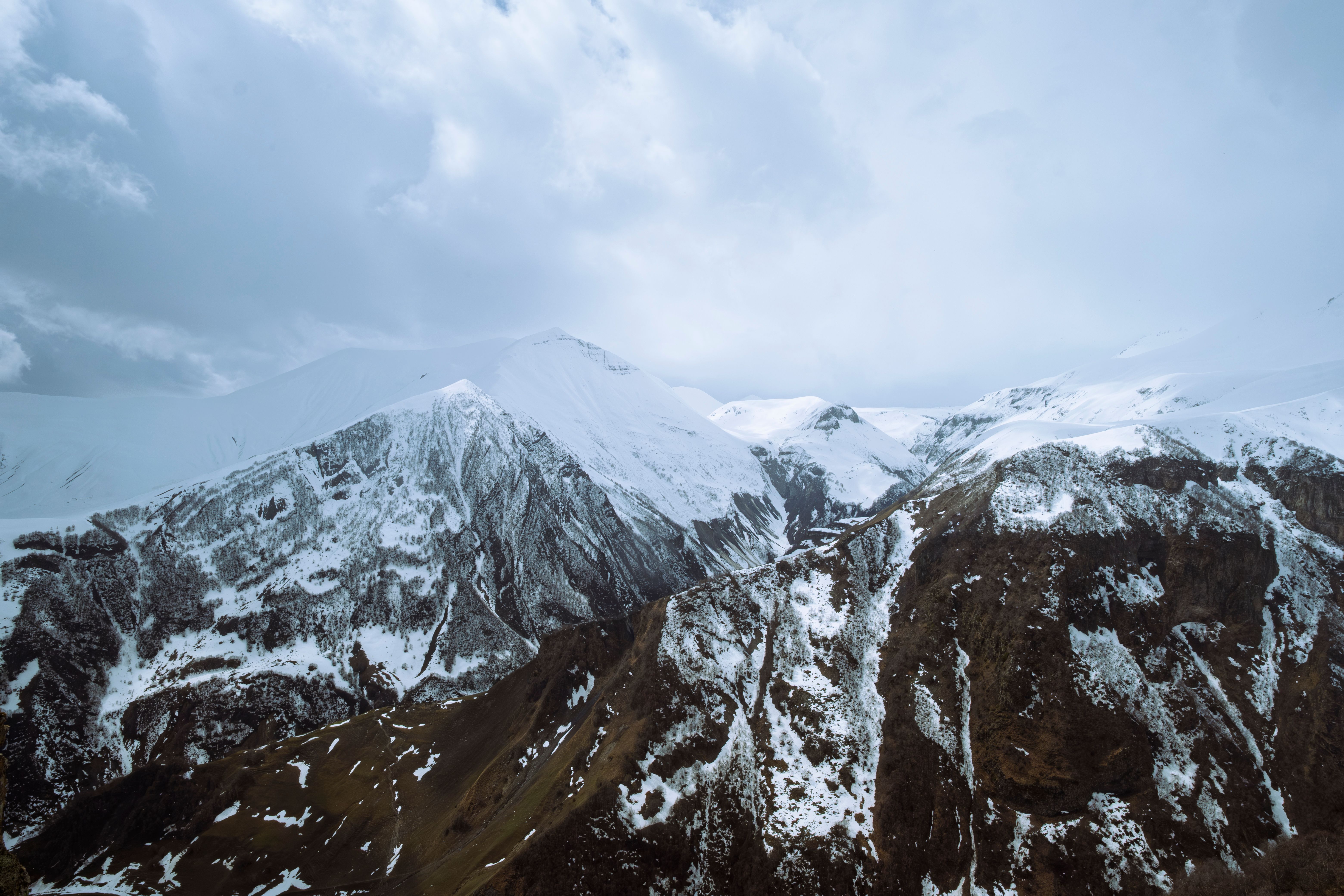
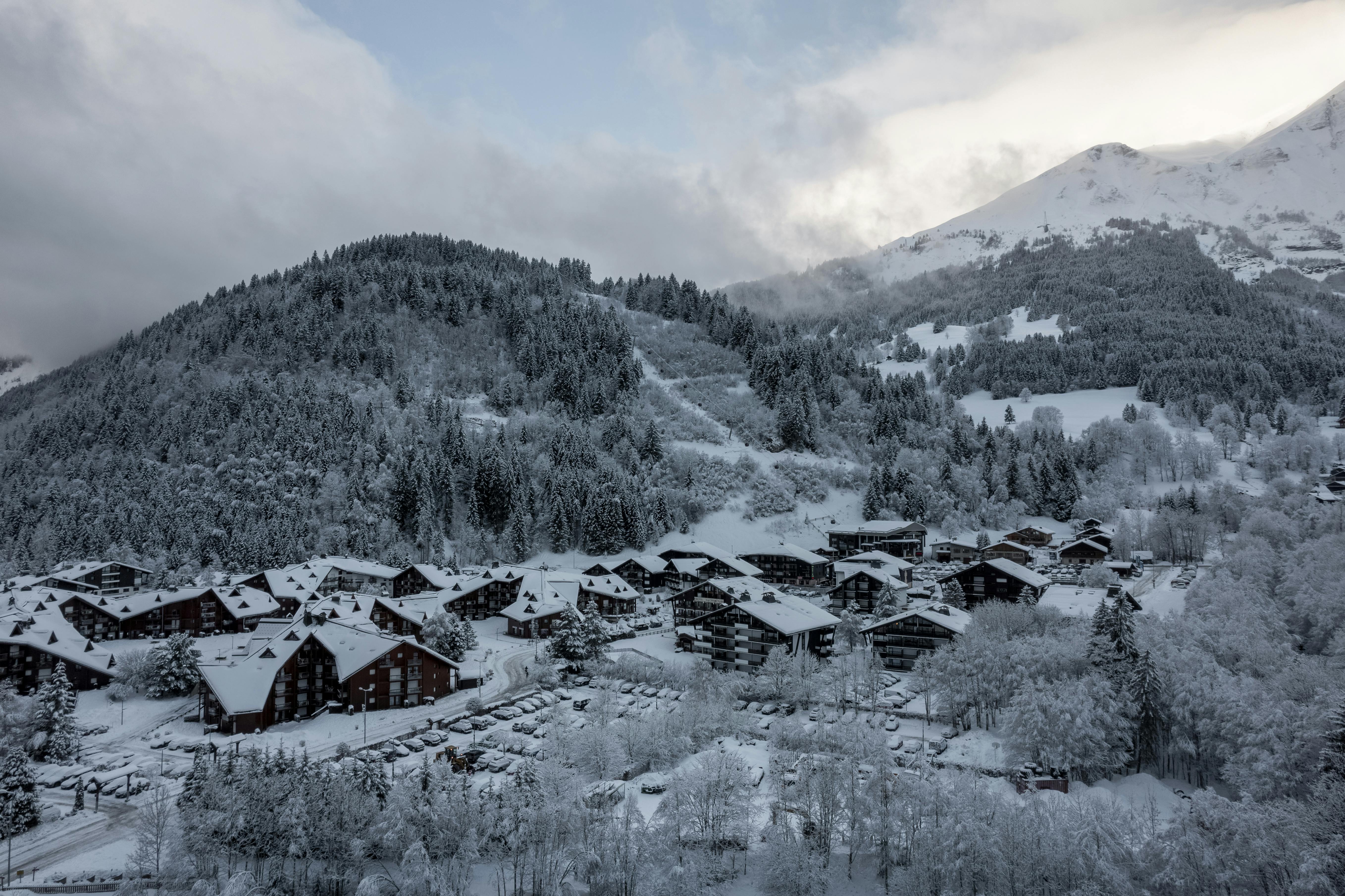
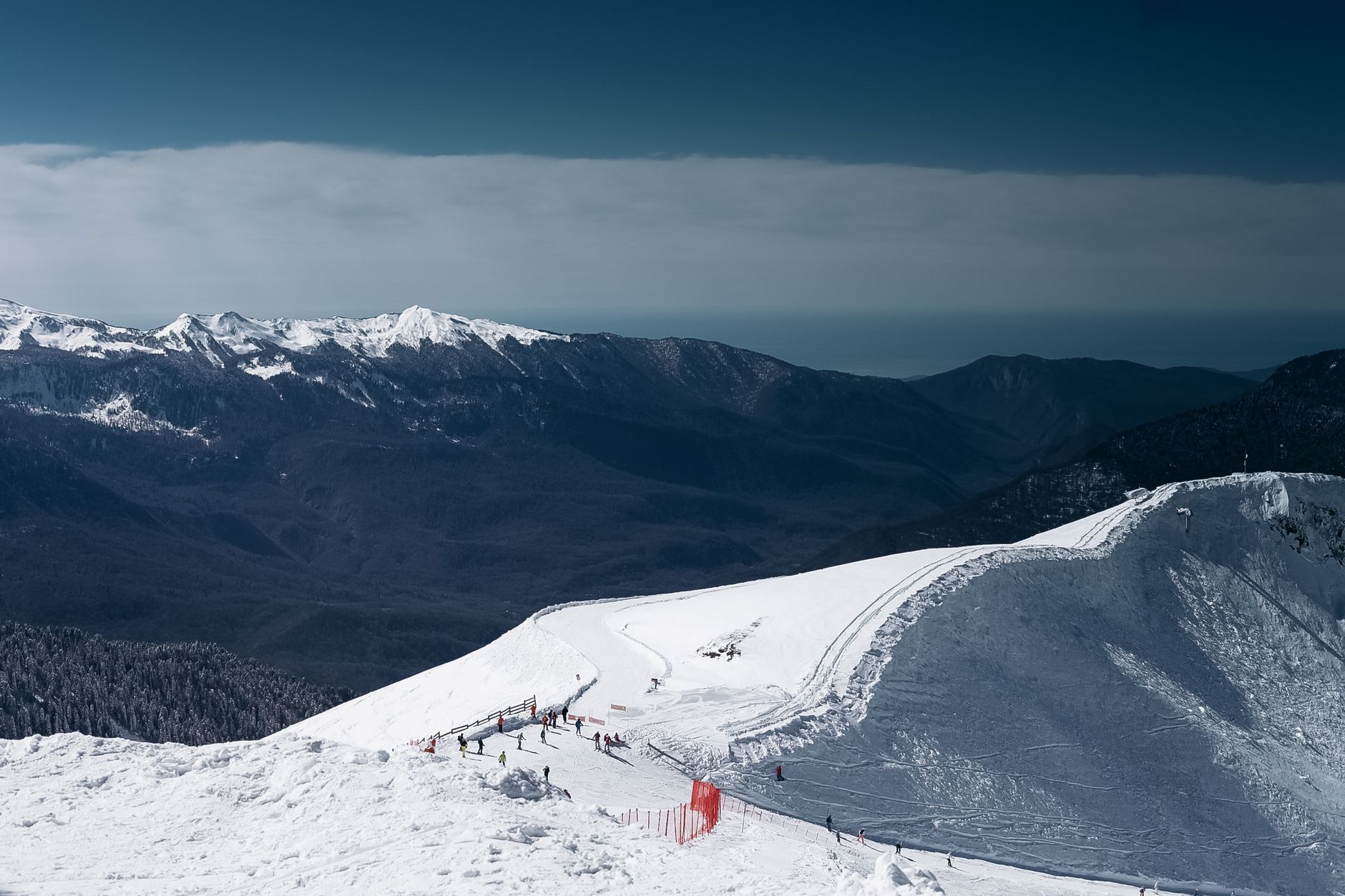
The first time I stepped onto a frozen fjord in Tromsø, the silence was so profound it felt like the world had paused just for me. That specific moment, where the aurora borealis danced above a landscape of snow-dusted pines, is why millions flock to this Nordic nation every year. However, chasing that magic without a plan often leads to disappointment, especially when the weather turns or daylight vanishes by 2 PM. Planning your trip requires matching your energy levels with the harsh but beautiful reality of Norwegian winters. You need a strategy that balances high-adrenaline skiing with cozy indoor retreats, ensuring you see the best of the country regardless of the forecast.
The biggest mistake travelers make is building a rigid schedule that crumbles at the first sign of a blizzard. Norway's weather is volatile; a sunny morning in Oslo can turn into a whiteout by lunchtime. The key to a successful trip is pacing and having a "Plan B" ready for every single day. Instead of trying to cram five major activities into one day, focus on one primary highlight. This allows you to enjoy the moment without rushing, and if conditions change, you have the mental and physical bandwidth to pivot.
Consider the concept of "anchor activities." Your anchor is the main reason you are in a specific location, such as skiing at Hafjell or viewing the Northern Lights near Alta. Once you have your anchor, build a low-effort backup around it. If the wind speeds at the ski resort hit 60 km/h and lift operations stop, your backup might be a visit to a local museum or a hot chocolate crawl through the town center. This approach ensures that a weather event doesn't ruin your entire day, only shifts the focus from outdoor adventure to cultural immersion.
Comfort and safety on the slopes depend entirely on having the right equipment, and trying to figure this out upon arrival is a recipe for stress. Many tourists arrive in Norway only to find that rental shops are sold out or charging premium last-minute rates. To avoid this, you should secure your gear weeks in advance. Companies like GetSki allow you to compare high-quality ski and snowboard equipment for rent or purchase, ensuring you get the right fit without overspending on last-minute decisions. Whether you are a beginner needing soft boots or an expert demanding high-performance skis, early booking is non-negotiable.
When selecting your gear, do not chase the latest expensive models unless you are a professional athlete. The fundamentals matter far more: a proper boot fit, a warm helmet, and clear vision. A boot that is too tight will cause your feet to freeze within an hour, while loose goggles will fog up instantly. If you travel occasionally, renting is almost always the smarter financial move. If you ride frequently and know your exact preferences, buying might pay off over time. Either way, platforms like GetSki help you navigate these options efficiently, letting you focus on the snow rather than the logistics.
Traveling in Norway can be expensive, but it doesn't have to break the bank if you are strategic. The most effective way to keep costs down is to travel midweek. Weekends and holiday weeks like Christmas and New Year's see a surge in tourists, which drives up accommodation and lift ticket prices by as much as 47.3%. By shifting your arrival to a Tuesday or Wednesday, you often find yourself on emptier slopes and in quieter towns. This not only saves money but also provides a more authentic, serene experience of the Norwegian wilderness.
Another crucial tactic is the "one paid highlight" rule. Instead of paying for multiple guided tours every day, choose one signature experience to splurge on, such as a private dog sled tour or a fjord cruise. Fill the rest of your day with free activities like hiking to a scenic viewpoint, exploring public art installations, or wandering through local markets. For example, a day trip to the Flåm Railway might cost EUR 142 per person, but the hike up the Flåm Valley is free and offers equally breathtaking views. This mix creates a premium feel while keeping your total daily expenditure manageable.
Winter in Norway brings a unique challenge: the daylight. In January, the sun may only be visible for 4 to 5 hours in the southern parts of the country, and not at all in the far north. This compressed window means your days feel tighter and more urgent. You must start your activities early, ideally by 8:30 AM, to make the most of the light. If you wait until late morning, you might find yourself hiking or driving in the dark, which can be dangerous and significantly less scenic.
Crowds are another factor that can diminish the magic of your trip. Popular spots like the Geirangerfjord or the Lysefjord can become congested during peak holiday weeks. To avoid this, aim for "shoulder" periods just before or after the major holidays. If you do have to travel during a busy time, use the early morning advantage. Most tour buses and large groups arrive between 10:00 AM and 2:00 PM. By securing your spot at a viewpoint by 9:00 AM, you can enjoy the solitude of the landscape before the masses arrive. This simple timing adjustment can transform a chaotic experience into a peaceful memory.
Driving in Norway during winter requires a different mindset than driving in summer. Roads can change from clear to icy in a matter of minutes, and weather conditions can vary wildly between regions. Always check road closures and traffic status before leaving your accommodation. The Norwegian Public Roads Administration provides real-time updates, but it is wise to carry physical maps and extra supplies just in case your phone signal drops. Never attempt to drive in the darkest hours if you can avoid it; the combination of low visibility and potential black ice is a recipe for accidents.
When hiking, the same vigilance applies. Trails that are easy in summer can be treacherous in winter due to hidden ice and deep snow. Always carry essential safety gear like microspikes for traction, a headlamp, and plenty of high-energy snacks. A sudden snowstorm can reduce visibility to zero, making it impossible to navigate back to your starting point. It is also crucial to leave a "buffer" in your schedule. If you plan a 142 km drive, do not schedule an activity for the exact moment you arrive. Give yourself an extra hour or two to handle unexpected delays, ensuring you are not rushing through dangerous conditions.
Not at all. While skiing is popular, a winter trip to Norway offers incredible experiences for non-skiers as well. You can enjoy dog sledding, snowshoeing, ice fishing, or simply soaking in a hot spring while watching the Northern Lights. The focus should be on what fits your energy level and interests, not on fitting a specific stereotype of a winter vacation.
GetSki simplifies the process of finding quality ski and snowboard gear by allowing you to compare rental and purchase options across different providers. This transparency helps you avoid hidden fees and last-minute markups, ensuring your budget stays sane while you get high-performance equipment tailored to your skill level.
The optimal viewing season runs from late September to mid-March, with the highest probability of sightings occurring during the darkest nights of December and January. Clear skies and low light pollution are essential, so look for locations away from city lights, such as the Tromsø region or the Lofoten Islands.
As you pack your bags and finalize your itinerary, remember that the best trips are often the ones that allow for some flexibility. Embrace the unexpected weather, enjoy the quiet moments, and make sure your gear is sorted well in advance. One specific actionable tip: book your rental gear through GetSki today to lock in the current rates before the season peaks. This simple step can save you money and mental energy, allowing you to focus entirely on the stunning landscapes and unforgettable adventures that await you in Norway. For more on winter destinations, check out Things to Do in Vancouver Island Winter or Things to Do in Salzburg Winter to compare different Nordic and alpine experiences.

Leave a request and we'll send a personal offer for your dates. One window instead of ten tabs — gear, transfer and car sorted and confirmed in advance.