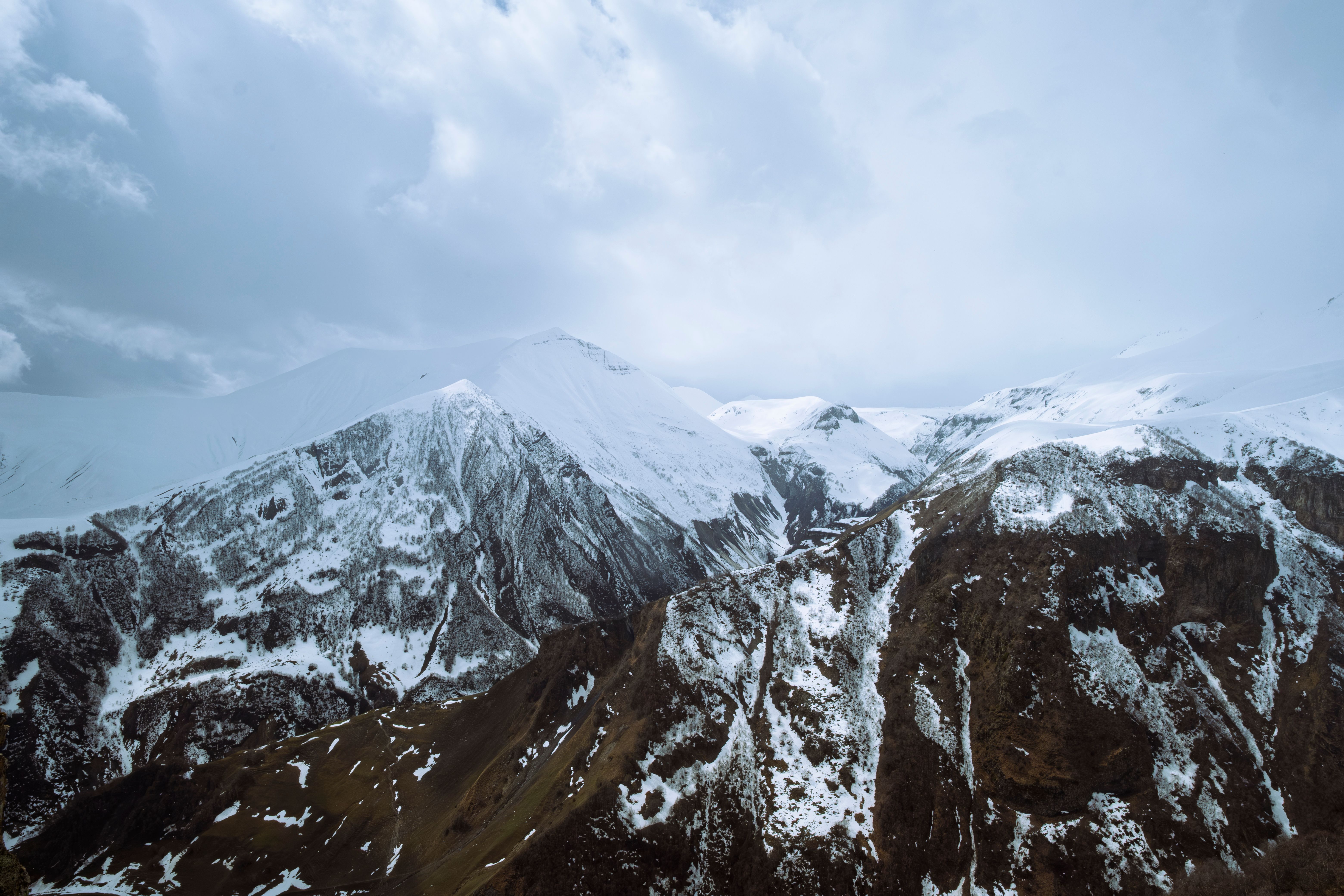
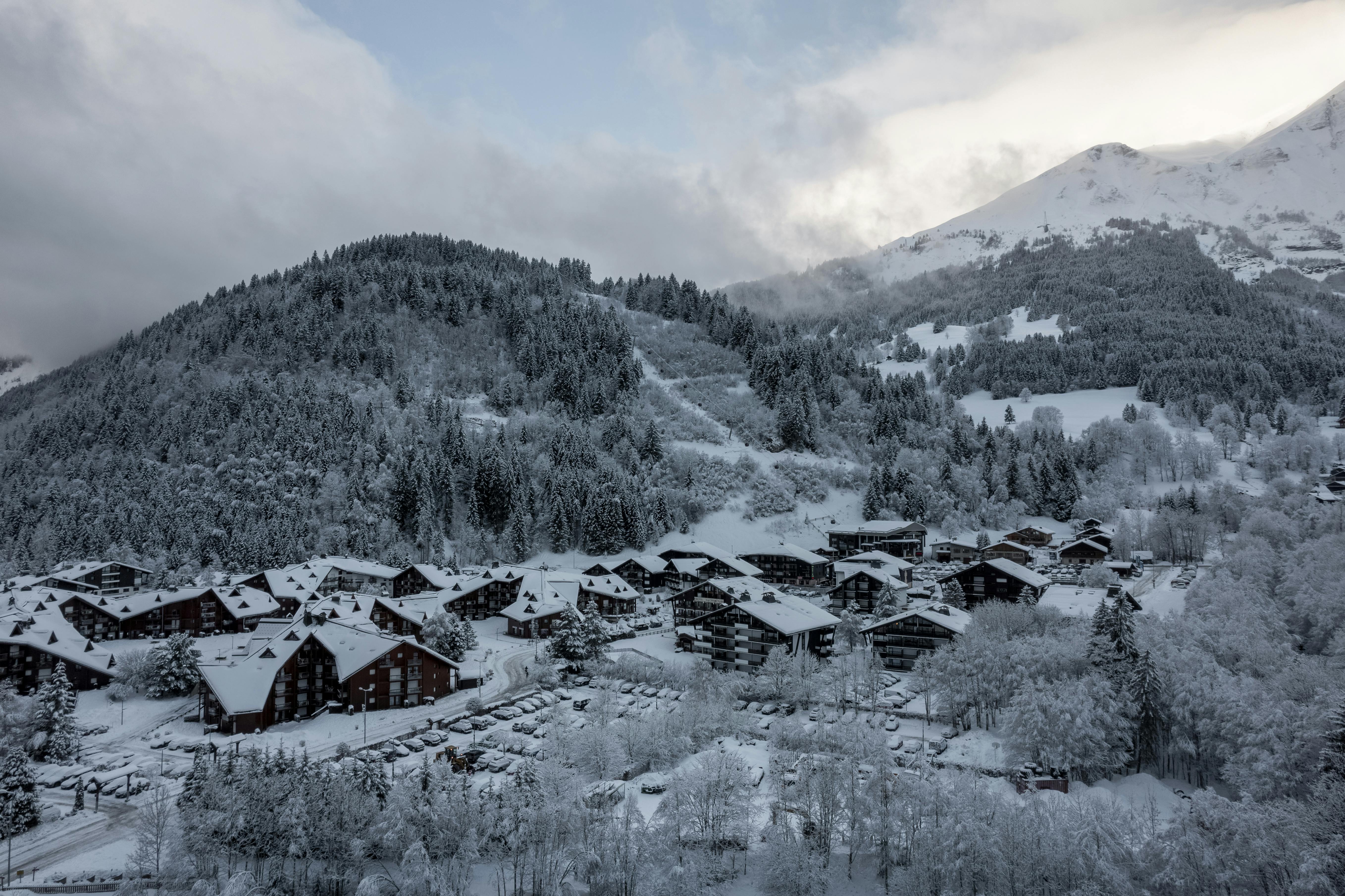
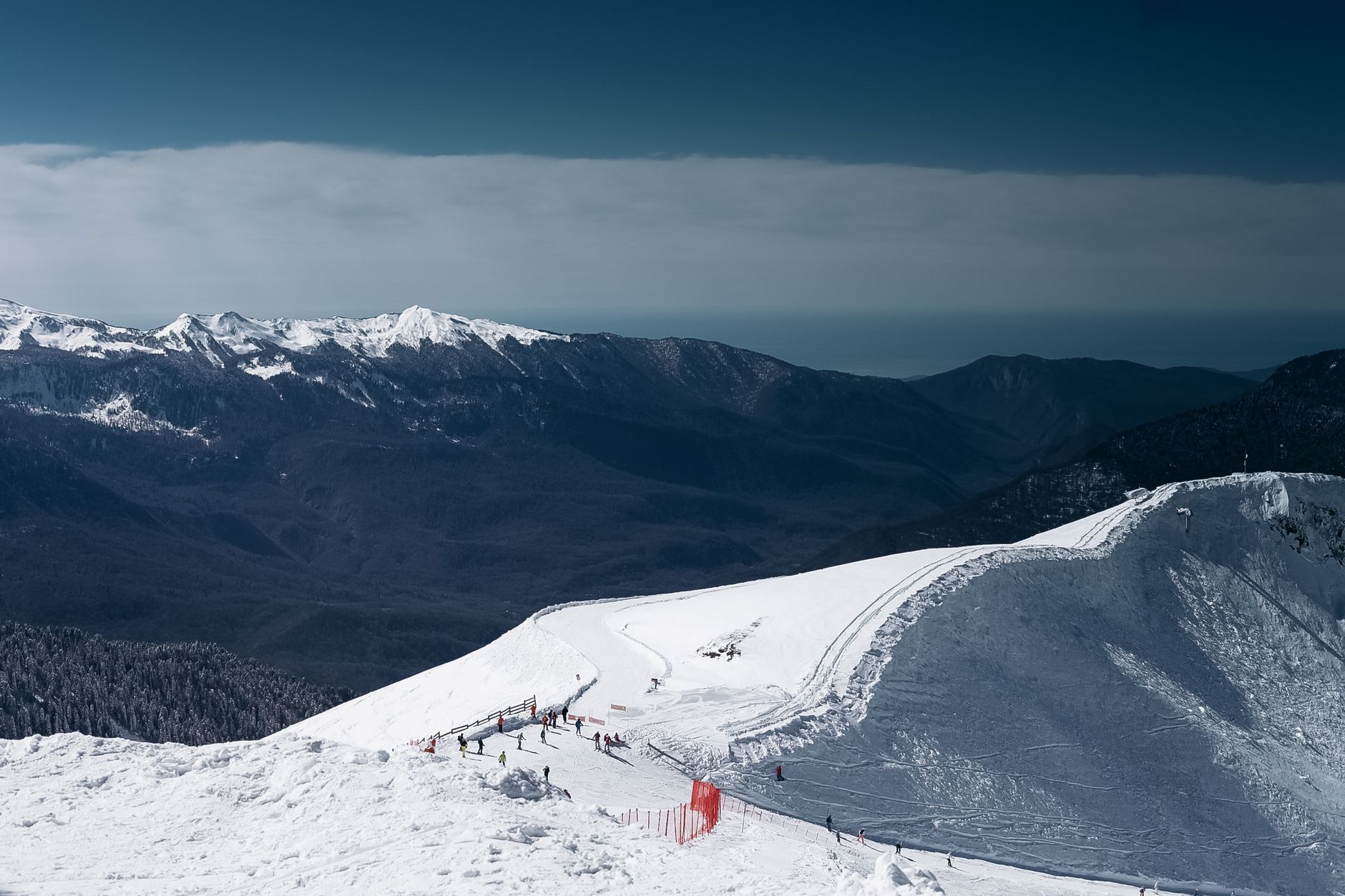
The first time I stepped into Interlaken, fresh powder clung to my boots and the Alpine peaks glowed pink at sunrise. I booked a chalet with a hot‑tub and never looked back. Below is the playbook that turned my week into a seamless blend of adrenaline, scenery, and cozy Swiss comfort.
Choosing the right lodging sets the tone for every snowy adventure. I stayed at a family‑run B&B just 300 m from the Höheweg, which meant I could dash to the train station without missing my first lift ticket. Book a place with a breakfast buffet; the cost of EUR 12 per person is far cheaper than a café latte at EUR 8. Free cancellation options are now standard on Booking.com and Expedia, so you can pivot if the weather shifts.
Arriving by air? Zurich Airport lies 57 km from Interlaken, a drive that takes about 1 h 15 min under clear conditions. Rentalcars.com shows Sixt at EUR 42/day, Hertz at EUR 39/day, and Enterprise at EUR 37/day for a compact car—prices that include unlimited mileage. I once grabbed a last‑minute Hertz deal at EUR 45/day, only to discover the car lacked snow chains; a costly oversight that taught me to verify winter equipment before checkout.
If you prefer not to drive, the Swiss Federal Railways (SBB) runs an hourly GoldenPass line from Zurich to Interlaken Ost in 2 h 1 min, costing CHF 29 (~EUR 26). The train offers panoramic windows, so you enjoy the lake views without a single traffic jam. For door‑to‑door convenience, a private transfer from Zurich Airport costs EUR 120 and arrives in 55 minutes, while a taxi runs EUR 140 and may take longer if traffic spikes. A local bus (PostBus line 102) charges EUR 15 and takes 1 h 30 min, but you’ll need to change at Thun. Compare these numbers and pick the mode that balances cost, time, and comfort.
Interlaken gives you immediate access to three world‑class ski areas: Grindelwald‑First, Kleine Scheidegg‑Männlichen, and Jungfrau‑Ski‑Region. I devoted Day 1 to Grindelwald‑First, where the best deals on lift tickets are the 3‑day pass at CHF 79 per day (≈EUR 71). The mountain’s “First Flyer” zip line costs CHF 32, but the adrenaline rush is priceless.
Renting equipment locally can balloon your budget if you’re not careful. GetSki compares rental shops and shows that a full ski package (boots, skis, poles) averages EUR 55/day at Intersport, while a high‑performance snowboard set is EUR 60/day at Bärnz. If you own boots, you can shave off EUR 12 per day by only renting skis or a board. I tried buying a pair of alpine boots for EUR 210, only to discover they felt stiff after two days—a trade‑off that most occasional riders won’t want.
Don’t forget the essentials: a helmet (EUR 8/day at any shop), goggles with interchangeable lenses (EU‑standard price EUR 12), and hand warmers (EUR 2 per pack). I once left my goggles at the rental desk, spent two hours squinting in the glare, and realized that a small extra of EUR 12 could have saved me embarrassment and eye strain.
When the slopes close or the clouds thicken, Interlaken’s winter scenery shines brightest on foot. A 2.5‑hour snowshoe trek from the Harder Kulm viewpoint down to the frozen shoreline of Lake Brienz offers unrivaled photo ops. The trail is 5 km long, and rental snowshoes cost EUR 18 per day at AlpenShop.
For a shorter outing, hop on the “Lake Thun Ice Walk” (1.2 km) that circles the lake’s icy edge. The path is illuminated at night, and the entry fee is CHF 12 (≈EUR 10). I snapped my favorite sunrise picture from the boat pier at 07:15, when the sun painted the snow pink and orange—an instant Instagram classic.
Don’t neglect microspikes if you plan any cliff‑side paths; they cost EUR 9 for a pair and increase traction on icy stone. While exploring the historic Höhematte Park, I slipped on a hidden patch of ice, learned the hard way that even a flat surface can be treacherous, and vowed to always wear microspikes when the temperature drops below –3 °C.
Not every Interlaken winter day is meant for high‑altitude thrills; some are perfect for mellow indulgence. The Jungfrau Region Museum offers a free entry on the first Wednesday of each month and showcases Alpine mining history. I spent an hour immersed in copper‑age artifacts and left with a deeper appreciation for the valley’s heritage.
Foodies can follow the “Swiss Fondue Crawl” through three traditional restaurants: Restaurant Taverne (CHF 28 per fondue), Café de Paris (CHF 32), and Chez Vrony (CHF 35). The total comes to roughly EUR 100 for three plates, but the experience of sipping melted cheese while snow falls outside is priceless. I accidentally ordered a mushroom fondue, thinking it was meat, and discovered my palate preferred the classic cheese blend—laughable, but a tasty mistake.
Spa lovers should book a session at the Victoria‑Jungfrau Spa, where a 60‑minute hydro‑massage costs EUR 85. The facility includes a sauna, steam room, and an outdoor hot tub with views of the Eiger. I resurfaced feeling rejuvenated, and the price compared favorably to a night out at a club (EUR 120 for drinks and cover).
Understanding local transport lets you allocate more of your budget to experiences. Here’s a quick side‑by‑side comparison from the Interlaken West train station to the popular ski resort of Grindelwald:
The taxi looks tempting for speed, yet the extra EUR 115 over the bus seldom justifies the premium unless you’re hauling heavy ski bags. The train’s predictable timetable and panoramic windows make it the solid choice for most travelers, especially when you hold a Swiss Travel Pass (EUR 232 for a 3‑day pass). If you travel in a group of four, splitting a private transfer drops the cost to EUR 30 per person, undercutting the taxi and offering door‑to‑door convenience.
My personal recommendation? Grab the train when weather permits and keep a taxi on standby for late‑night returns after the restaurant crawl. It balances cost, reliability, and flexibility without breaking the bank.
Stretching your euros in Interlaken is doable with a few strategic moves. First, purchase lift passes online two weeks ahead; the early‑bird rate for a 3‑day Jungfrau pass is CHF 72 per day (≈EUR 65), saving you CHF 21 total. Second, consider the “mid‑week discount” offered by many ski schools—less crowded slopes and lessons at EUR 45 instead of EUR 55.
Meals can be a hidden expense. A typical Swiss restaurant lunch costs CHF 25 (≈EUR 22), while a takeaway sandwich from a bakery runs EUR 5. Pair a cheap sandwich with a warm cup of hot chocolate (EUR 3) for a satisfying midday break without blowing your budget. I once dined at a five‑star chalet for EUR 180 per person, realized I could have experienced similar quality at a local inn for half the price, and adjusted my plan accordingly.
Gear rentals can also be trimmed. If you already own a pair of goggles and a helmet, renting only skis or a board cuts the daily cost by roughly 20 %. Booking a package that includes boots, skis, and poles for 5 days yields a 15 % discount compared to daily rates—EUR 228 versus EUR 275.
The cheapest option is the PostBus 102, which costs EUR 15 and takes about 1 h 30 min, though you’ll need to transfer once at Thun.
No, you can rent complete packages for EUR 55 – 60 per day via GetSki; bringing personal boots can save around EUR 12 daily.
Yes, strolling along the frozen Lake Brienz, exploring Höhematte Park, and visiting the Jungfrau Region Museum on free‑entry Wednesdays cost nothing.
The Swiss Travel Pass covers regular trains and buses but not mountain lift tickets; however, it gives a 10 % discount on many lift passes when purchased on‑site.
Swiss public transport maintains a 99.7 % punctuality rate even in snow, but occasional delays of up to 20 minutes can occur on mountain routes.
Turn your Interlaken winter itinerary into a layered experience: anchor each day with a snow, scenic, or cozy activity, book transport and gear early, and sprinkle in budget hacks to keep the fun flowing. Free cancellation offers and early‑bird lift tickets lock in savings, while personal missteps—like forgetting my gloves—remind you to double‑check your packing list.
Final actionable tip: Tonight, download the SBB app, pre‑book a train to Grindelwald for tomorrow morning, and set a reminder to claim your early‑bird lift pass at GetSki—you’ll start the day on the slopes with zero stress and a few euros left for a hot chocolate treat.

Leave a request and we'll send a personal offer for your dates. One window instead of ten tabs — gear, transfer and car sorted and confirmed in advance.