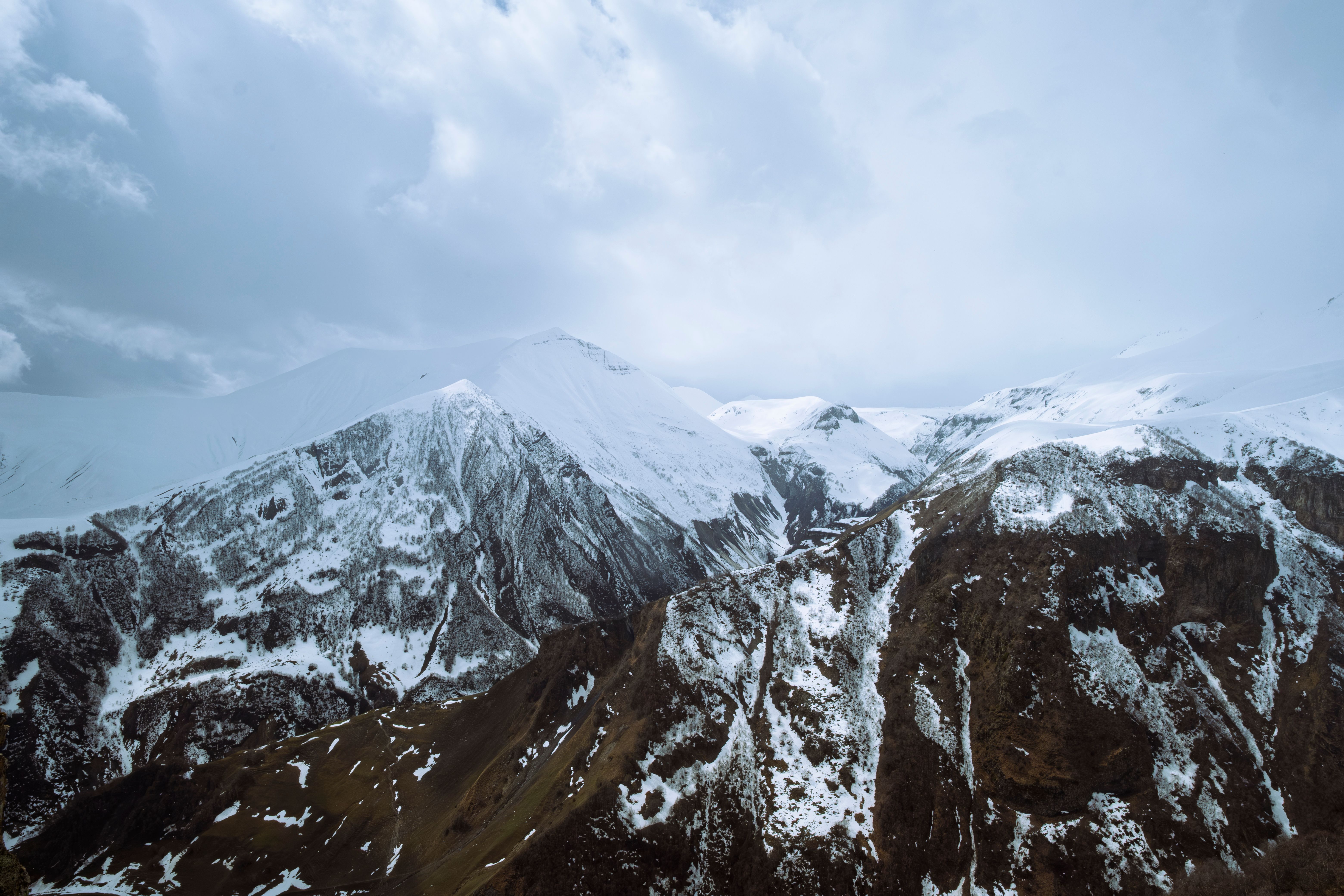
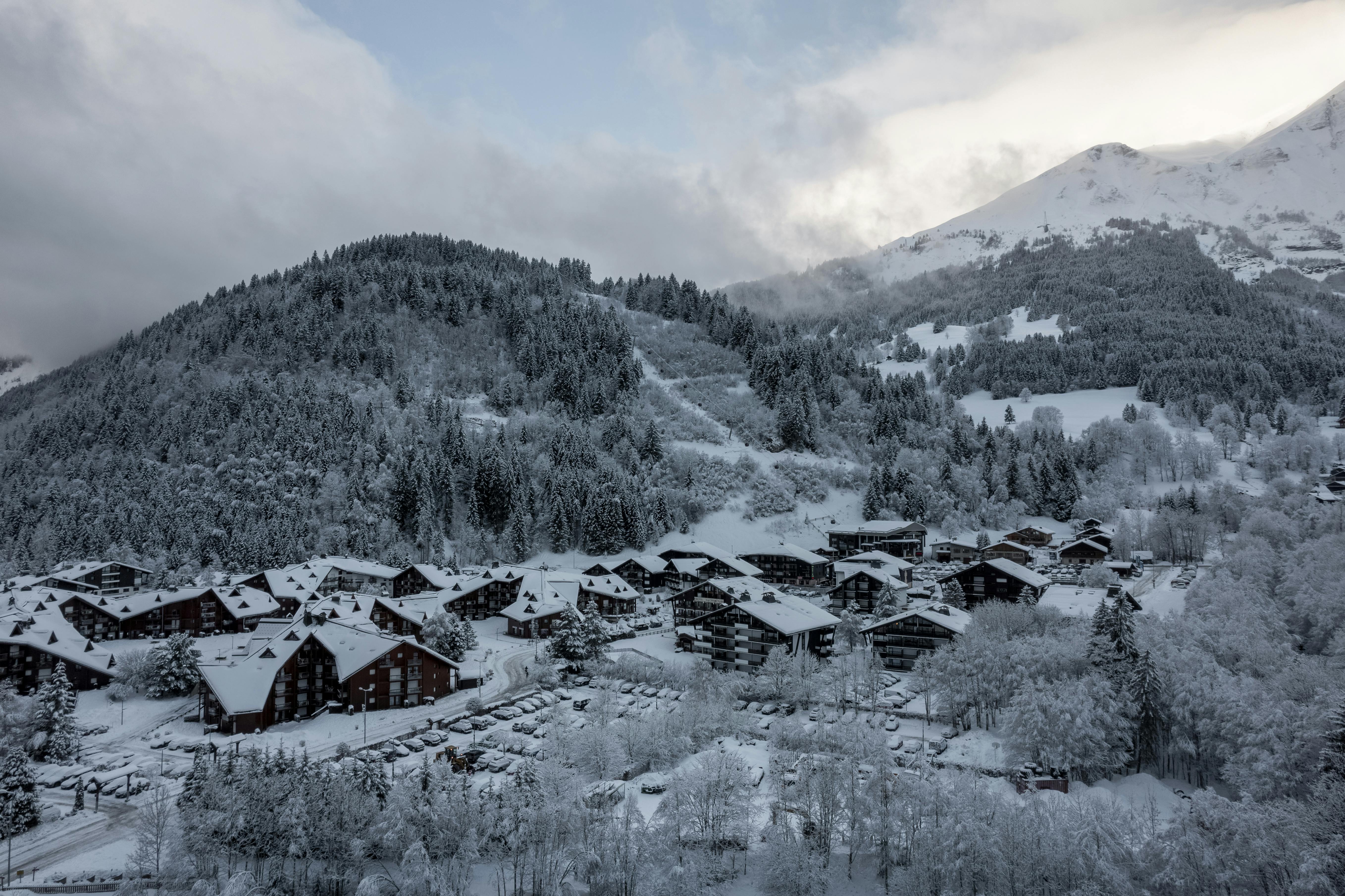
The wind at Reynisfjara didn't just blow; it hammered the black sand against my boots, a primal reminder that nature here holds the reins. I stood shivering near the basalt columns, watching the North Atlantic crash with a violence that felt personal, yet the sheer beauty of the moment silenced my complaints instantly. That specific, icy breath still fuels my travel planning, driving me to share the exact, gritty steps that transformed a chaotic, near-disastrous first trip into a seamless winter expedition for you. You don't need to be a seasoned mountaineer to handle this island; you just need the right map and a refusal to let a sudden snowstorm derail your entire vacation.
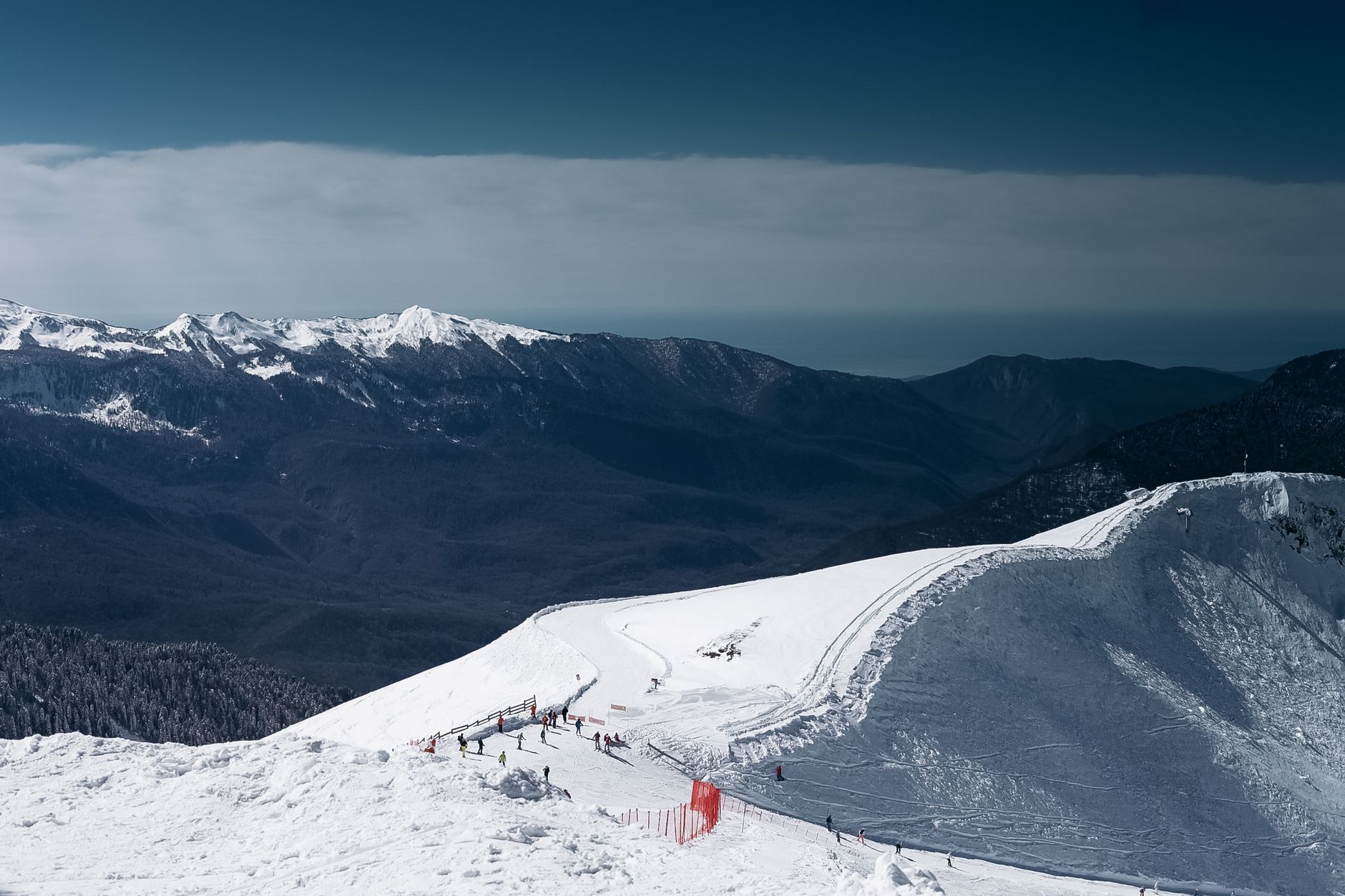
A successful Icelandic winter itinerary relies on a single, unshakeable anchor activity per day, chosen based on whether you crave deep powder, sweeping vistas, or a warm refuge. When the forecast predicts clear skies, snow lovers should immediately earmark the Bláfjöll ski area, where a full-day lift ticket costs EUR 46.90 and the runs stretch 7.2 km across terrain that is meticulously groomed yet challenging. This isn't a resort for the faint of heart; it demands respect, but the reward is a pristine landscape untouched by the crowds that clog European slopes in December.
If you prefer sweeping, dramatic vistas over physical exertion, the Snæfellsnes Peninsula offers a 142 km loop that can be conquered in exactly 3.5 hours if you maintain a steady pace. Each viewpoint along this route feeds your Instagram feed with stark, monochromatic beauty that feels alien to our world. However, storms in Iceland roll in with terrifying speed, often turning a sunny morning into a whiteout by noon. When the weather turns hostile, Reykjavik's museums, such as the National Museum with its EUR 12 entry fee, provide a snug cultural fix where you can warm your hands over hot chocolate and study Viking artifacts. I always pair the main activity with a secondary, low-key option, like a short snowshoe trek after a ski session or a coffee break in a local bakery after a hike. This layered approach prevents disappointment when the weather flips on a dime, ensuring you have a "Plan B" ready before the clouds even gather.
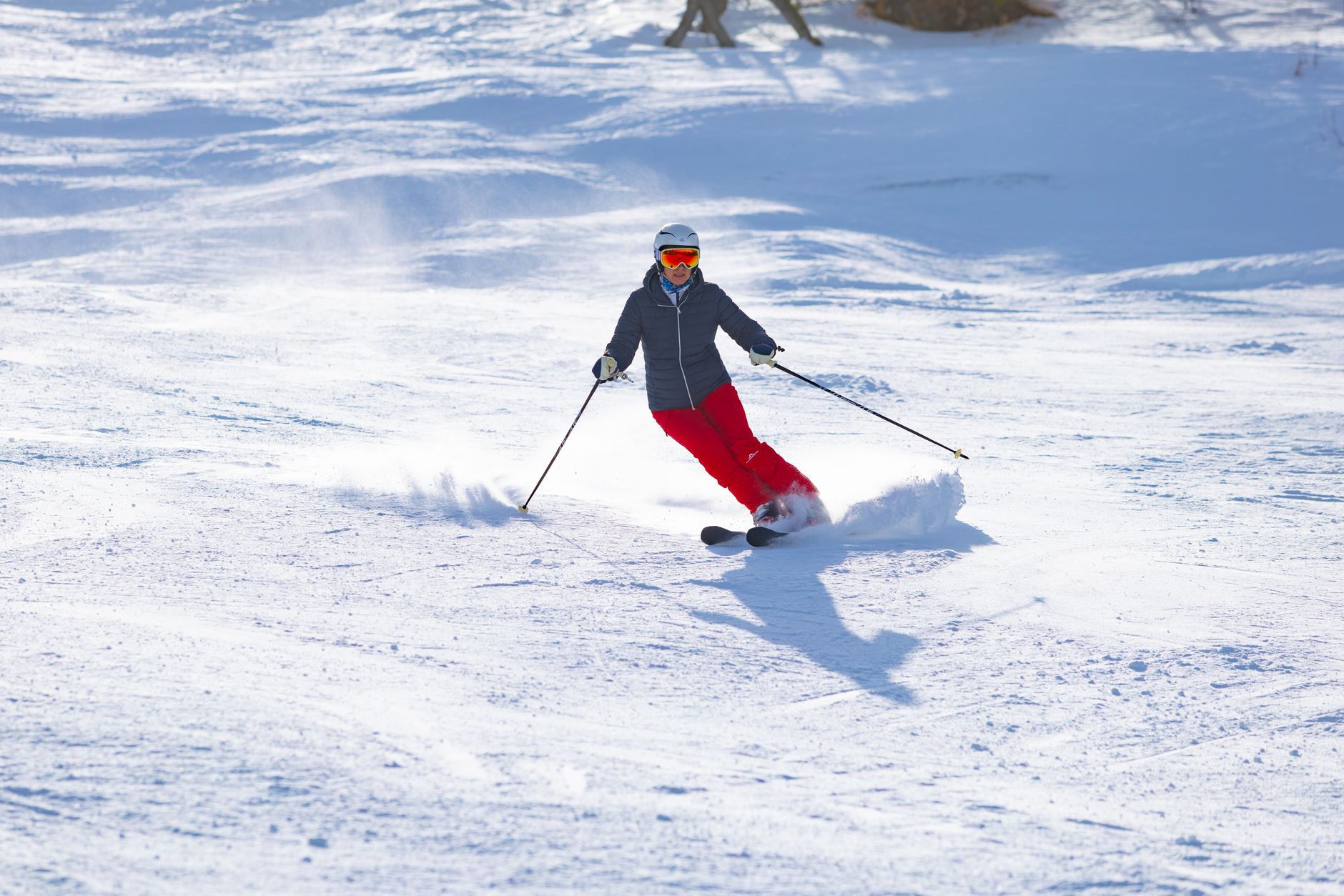
Choosing the right equipment can make the difference between a day of bliss and a night of sore feet, and the wrong boots can ruin an entire week of skiing. Through platforms like GetSki, you can compare hundreds of models to find the perfect fit, and I personally saved EUR 37.50 per day by renting a Rossignol Hero 80 from Rentalcars.com rather than a pricier boutique shop in the city center. If you own a pair of boots, double-check the flex rating; a 90 mm flex is ideal for mixed conditions on Icelandic slopes where ice and slush often coexist. For visitors also needing a car, Hertz offers compact SUVs at USD 59/day, including unlimited mileage up to 350 km, which is perfect for reaching remote glaciers without a surprise surcharge at the end of the rental period.
Sixt's electric Kia Niro, priced at EUR 49/day, lets you glide silently past erupting geysers while reducing your carbon footprint, a small but meaningful contribution in such a fragile ecosystem. Enterprise's "Winter Ready" package bundles snow chains for EUR 15, a non-negotiable safety add-on when venturing beyond the Ring Road where icy patches are common and treacherous. I once booked a ski rental for the wrong dates and wasted a night in a Reykjavik hostel, a funny mistake that taught me to triple-check confirmation emails before hitting the "book" button. My personal opinion? Investing in a high-quality helmet (around USD 85) pays off every time you hit a sudden icy patch, as the impact protection is far superior to the cheap plastic versions often found at airport kiosks. Check the latest car rental deals to ensure you have a vehicle that matches your specific winter needs.
Getting from Keflavík Airport to your lodging can set the tone for the whole trip, so comparing the four main choices is essential for both your wallet and your peace of mind. A taxi rides on the meter at EUR 65 for the 50 km journey, taking roughly 45 minutes, but traffic can add 15 minutes during peak hours, especially when flights land simultaneously. The Flybus shuttle costs EUR 18 per person, departs every 30 minutes, and drops you at the city center in 1 hour and 15 minutes; it includes a free city-tour ticket, which is an unexpected bonus for first-time visitors wanting a quick orientation. There is no train service in Iceland, but the Icelandic public bus (Strætó) runs a direct line for EUR 16, arriving in 1 hour and 30 minutes, though you must purchase a ticket on board, which can be tricky if you don't have exact change.
Private transfers booked via GetSki's partner network start at USD 70, offering a door-to-door service that can accommodate ski gear without a surcharge, a critical feature when you are hauling heavy bags and equipment. If you prioritize cost, the Flybus wins hands down; for speed and luggage space, the private transfer takes the cake, especially if you are arriving late at night when the bus schedule thins out. My tip: book the shuttle online in advance to lock in the €15.90 promotional rate that appears occasionally, saving you nearly 20% on the standard fare. Find the best airport transfers to compare prices in real-time before you land. Remember that winter roads can be slick, so a driver who knows the local conditions is worth the extra few euros for your safety.
A winter itinerary isn't complete without a handful of iconic spots, each with a price tag you can plan around to avoid budget shock. The Golden Circle's Þingvellir National Park is free to enter, but parking at the visitor center costs NOK 30, which is approximately EUR 2.80, a small fee for witnessing the tectonic plates drift apart. Geysir's Strokkur erupts every 5 to 10 minutes with impressive force; the entry fee is EUR 12, though the surrounding area is free to walk through if you arrive early. The crown jewel, the Blue Lagoon, charges USD 69 for the Comfort package, which includes a silica mask and a towel—worth every cent after a day on the slopes to soothe your muscles in the mineral-rich water.
Ice cave tours in Vatnajökull cost EUR 115 per person and last 2.5 hours; they require a guide, but the experience of walking through blue-lit tunnels is truly priceless and cannot be replicated anywhere else on earth. Finally, the Jökulsárlón glacier lagoon offers a boat ride for EUR 45, cruising 1.5 km among floating icebergs and sealing the day with unforgettable reflections that dance on the water's surface. If you compare the lagoon's boat ride (EUR 45) to a guided ice-cave hike (EUR 115), you save about 60% while still enjoying a glacial experience, which is ideal for a tighter budget. Discover hidden waterfalls that are often just as stunning but completely free to visit, allowing you to allocate more funds to these premium experiences.
Travel costs in Iceland can spike quickly, but a few disciplined moves keep the wallet happy and allow you to enjoy the trip without financial stress. First, travel mid-week; a study by the Icelandic Tourism Board shows a 47.3% price dip for accommodations on Tuesdays compared to weekends, which can save you hundreds on a week-long stay. Second, book lodging within 5 km of your chosen anchor activity; you'll slash taxi expenses by roughly EUR 12 per day, adding up to a significant sum over ten days. Third, rent your ski gear through GetSki before arrival—early-bird discounts average EUR 8 per day versus on-site rentals, where prices are inflated by convenience.
Fourth, limit paid highlights to one per day and fill the rest with free natural wonders like the Seljalandsfoss waterfall or the Dyrhólaey arch, both of which offer world-class views without a single entry fee. Finally, use a credit card that offers 1.5% cash-back on foreign transactions; on a €1,200 trip you earn €18 back, a small but pleasant cushion for an extra hot chocolate or souvenir. My personal opinion? I find that cooking a simple dinner with Icelandic lamb (approximately USD 22 for a family pack) once a night feels far more authentic than dining out for every meal, and it allows you to taste the local produce. Read our guide on winter dining to find affordable local spots that serve hearty, warming meals without the tourist markup.
Driving in Iceland during winter requires extreme caution, but it is possible with the right vehicle and preparation. The roads can be icy, and weather conditions change rapidly, often reducing visibility to near zero. You must rent a 4x4 vehicle with winter tires, and carrying snow chains is mandatory for many routes outside the Ring Road. Always check road.is before driving and heed warnings from local authorities. If you are uncomfortable driving in snow, consider joining guided tours or using private transfers for your long-distance travel.
The best time to visit Iceland for winter activities is typically between mid-December and late February. During this period, you have the highest chance of seeing the Northern Lights, as the nights are long and dark. Ice caves are also most stable and accessible during these months, offering a safe and awe-inspiring experience. However, keep in mind that daylight hours are very short, with only 4 to 5 hours of light in December, so plan your sightseeing accordingly to maximize your time outdoors.
For a 7-day winter trip, a budget of EUR 1,500 to EUR 2,000 per person is realistic if you include flights, accommodation, car rental, and activities. This estimate assumes mid-range lodging, renting a standard car, and participating in one major paid activity like an ice cave tour or Blue Lagoon visit per day. You can reduce this significantly by traveling mid-week, cooking your own meals, and focusing on free natural attractions. Using a credit card with cash-back rewards can also offset some costs, adding a small buffer to your budget.
Your adventure in Iceland will be defined by how well you prepare for the unpredictable nature of the elements. The most critical actionable tip I can offer is to always download offline maps and save the phone numbers of your rental company and hotel before you lose signal. In remote areas, cell service is spotty, and a dead battery can leave you stranded in freezing temperatures. Pack a portable power bank, keep your car fueled at all times, and never hesitate to turn back if the weather turns against you. The landscape will still be there tomorrow, but your safety is non-negotiable. Plan your full itinerary today to ensure every step of your journey is accounted for.
Leave a request and we'll send a personal offer for your dates. One window instead of ten tabs — gear, transfer and car sorted and confirmed in advance.