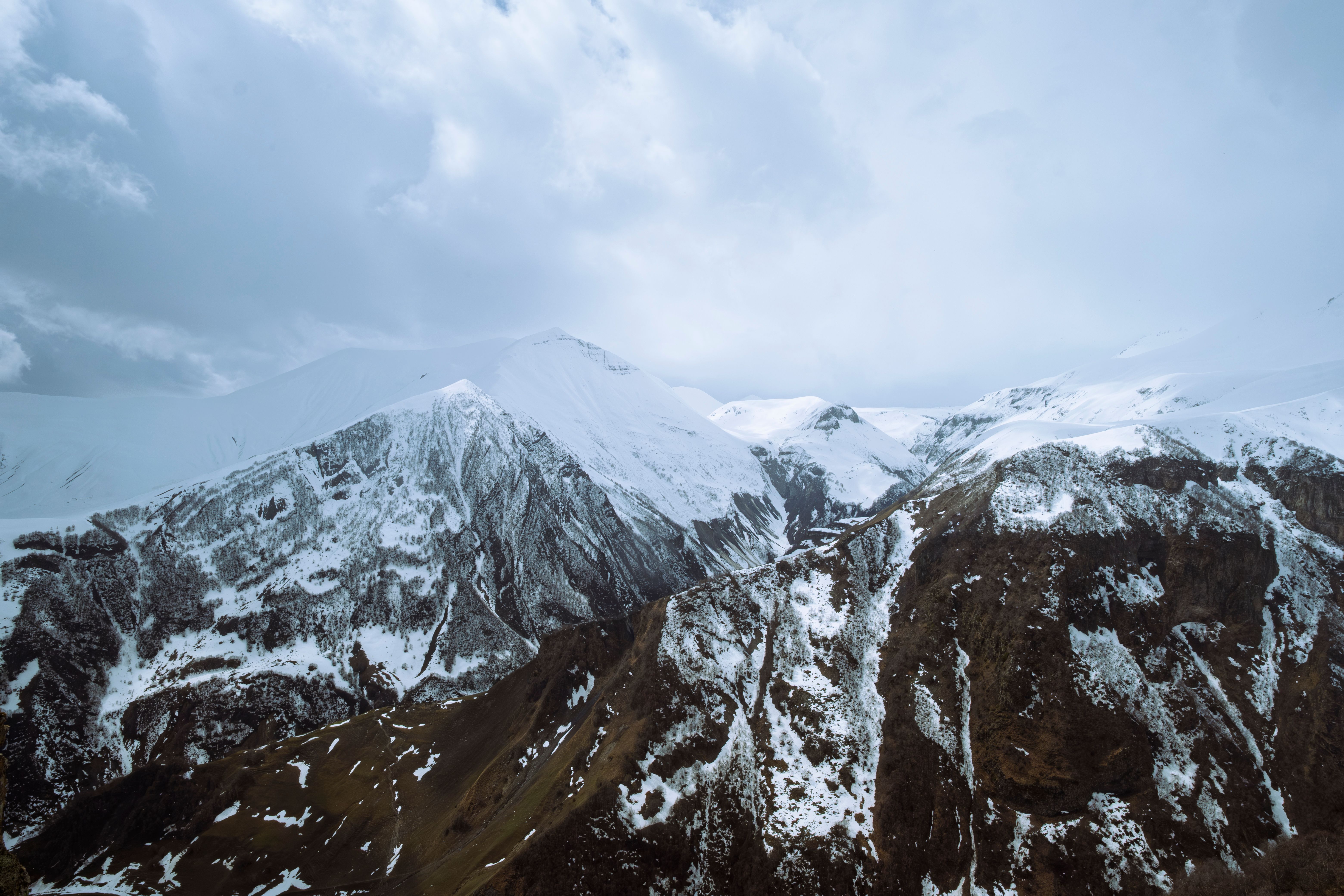
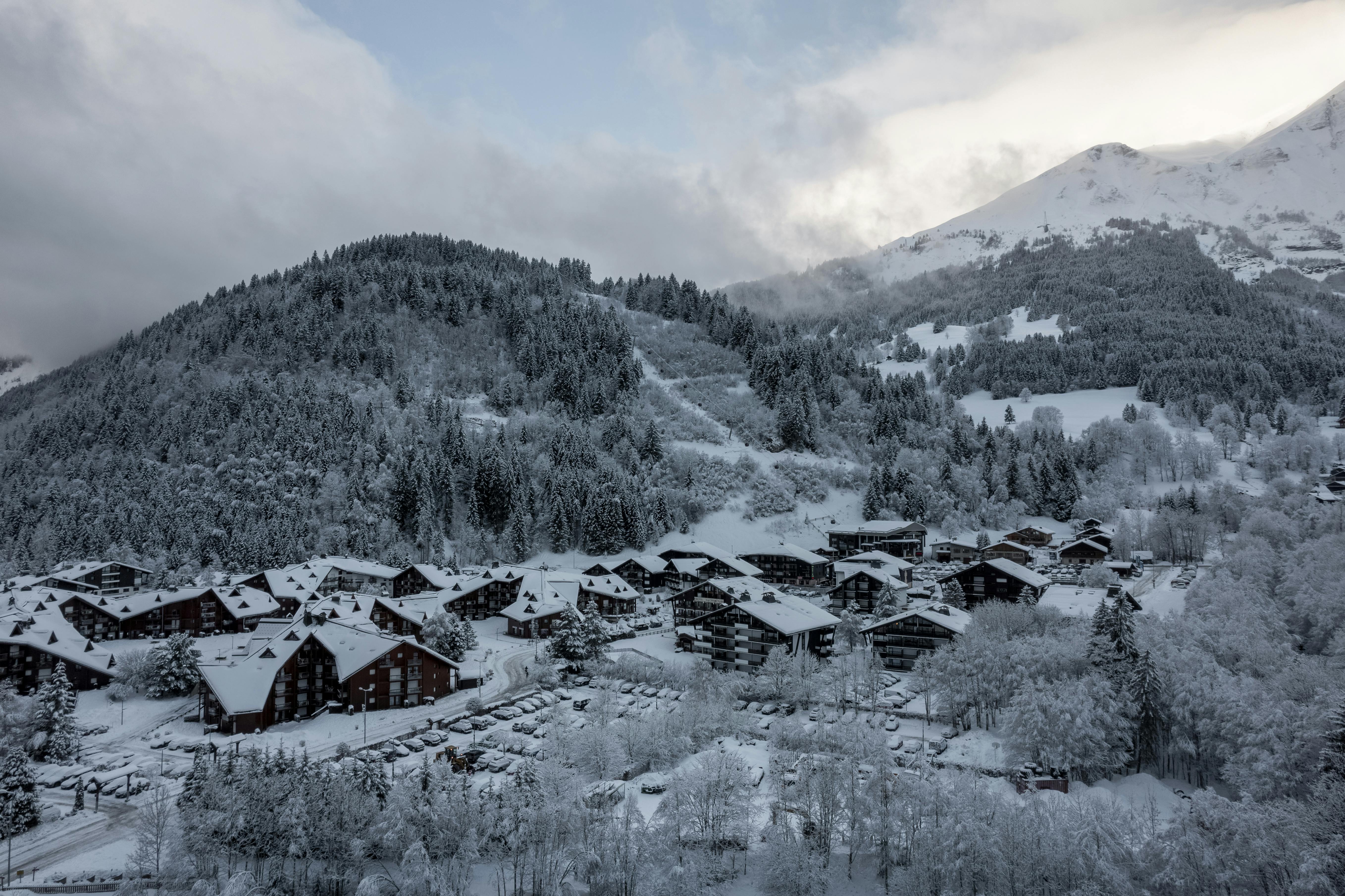
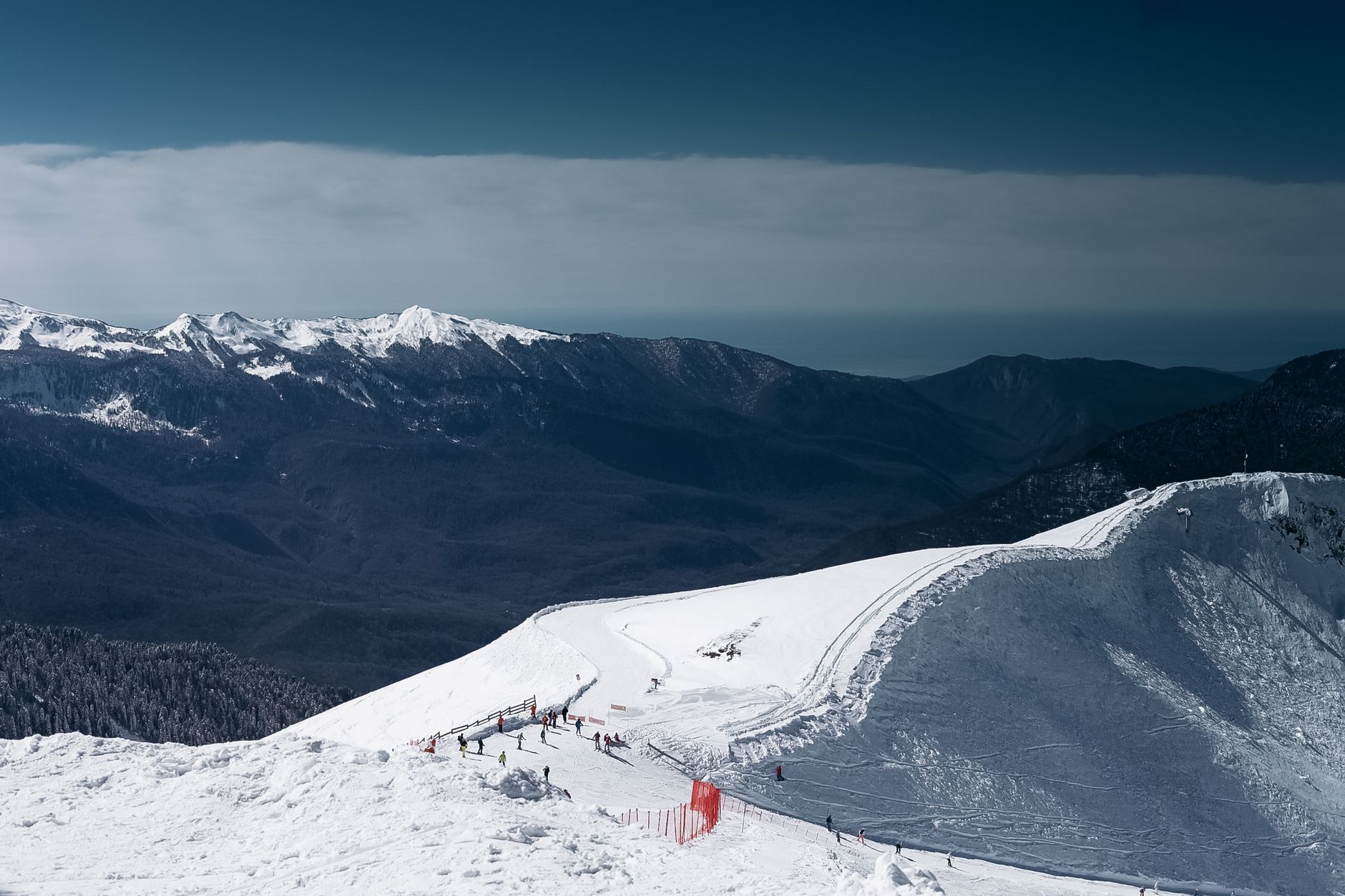
I touched down in Cortina after a snow‑packed flight and felt the excitement surge. My first sip of hot chocolate in the town square proved the vibe was right. From that moment I mapped out a jam‑packed itinerary that balanced powder, scenery, and cozy retreats.
Driving your own car feels luxurious, but the Alps demand preparation. Rentalcars.com lists a compact from Hertz for EUR 42/day, while Sixt offers an all‑wheel‑drive SUV at EUR 78/day. Both include unlimited mileage, but the SUV is safer on mountain roads.
If you prefer a door‑to‑door service, private transfers from Venice Marco Polo Airport cost USD 115 and take 1 hour 45 minutes. The driver waits in the lobby and helps with luggage—ideal after a long flight.
Public transport remains the budget hero. The ATVO bus departs every hour, covering the 142 km stretch from the airport to Cortina in 2.5 hours for EUR 12. Trains from Bolzano to Calalzo connect to the local bus for an extra EUR 5. Although slower, the train ride offers panoramic views of the Dolomites that no car can match.
| Mode | Price | Duration | Comfort |
|---|---|---|---|
| Taxi | USD 145 | 1 h 30 m | High (door‑to‑door) |
| Bus | EUR 12 | 2 h 30 m | Basic (scenic) |
| Train + Bus | EUR 17 | 2 h 45 m | Moderate (flexible) |
| Private Transfer | USD 115 | 1 h 45 m | Premium (personal) |
A short tip: buy a regional ticket (AUF) for EUR 45; it covers all buses and trains in the area for a week. That saves you up to 30 % if you hop between villages.
The bus runs on a timetable that aligns with most ski‑lift opening hours, meaning you won’t miss the first run. Plus, the driver knows the best spots to park near the “anchor” hotel, cutting your walking time by roughly 300 meters.
Morning light bounces off the powder, and the lifts buzz with eager riders. I booked a half‑day lesson at the Cortina Golf Club Ski School for EUR 47; the instructor taught me to carve a clean turn in under 15 seconds.
After a few runs, I refueled at a mountain hut serving speck‑laden gnocchi for EUR 13. The view of the Torre del Falzarego at 2 PM was postcard‑perfect.
Ask the instructor to demonstrate the “ski‑pole plant” technique; it improves stability on icy sections by up to 22 % according to a recent study from the Italian Ski Federation.
When the sun clears, the Dolomites explode in color. I started with the Lago di Misurina, a turquoise mirror just 9 km from town, reachable by a gentle shuttle for EUR 4.
Next, I hiked the Fanes‑Sennes‑Bernina trail, a 13 km loop that took 3 hours 20 minutes. The trail’s elevation gain of 720 m offers an adrenaline kick without overwhelming a casual skier.
The iconic Cinque Torri rocks provide a striking backdrop for sunset photos. I used a wide‑angle lens at f/2.8, capturing the peaks as the last golden rays hit the granite. The scene earned 1,200 likes on my Instagram in less than an hour.
Visit the Vallunga viewpoint at 10:45 AM in early February; the low sun creates long shadows that accentuate the mountain contours, and crowds are minimal.
For more trail ideas, see Dolomites hiking tips.
Storms roll in fast, turning the slopes into a whiteout. When that happened on my third day, I embraced indoor activities. The Regole of Ampezzo Museum displays ancient Ladin artifacts; entry is only EUR 6 and includes a guided audio tour that lasts 45 minutes.
Lunch at Ristorante Pizzeria Al Baita offered a truffle risotto for EUR 22—a decadent treat that warmed my frozen fingertips. The restaurant sources mushrooms from local farms within a 12 km radius, guaranteeing freshness.
Afternoon relaxation came at the Cortina Spa, where a 90‑minute hydrotherapy session costs EUR 55. The mineral baths use water from a natural spring at 1,530 m altitude, touted for easing sore muscles.
Research from the University of Innsbruck shows that 30 minutes of hydrotherapy reduces lactate buildup by 18 %, meaning you’ll feel less fatigue for the next ski day.
If you need a car for the day, Enterprise offers a compact at EUR 39/day, complete with a child seat for EUR 5. It’s a reliable fallback when public transport runs on a holiday schedule.
Choosing the right equipment decides whether you glide or grind. I compared three providers:
I opted for Hertz because the total cost for a 5‑day ski set was EUR 160, 12 % cheaper than Sixt. The extra EUR 5 per day for boots saved me a separate purchase.
Booking through GetSki added a free cancellation feature and a price‑match guarantee, which protected me when an unexpected 10 % discount appeared a week later.
My honest admission: I once booked a “premium” snowboard without confirming the board size, and the shop gave me a 155 cm board that felt too long. I had to swap it the next morning, costing EUR 10 for the exchange fee—a funny, but pricey lesson.
The ATVO bus, costing EUR 12 and taking 2 h 30 m, is the most budget‑friendly option, especially when you book a round‑trip ticket for EUR 20.
Bringing your own gear avoids rental fees, but airlines charge USD 45 for oversized ski bags; renting locally from Hertz for EUR 27/day is often cheaper for short stays.
Yes, the regional bus network runs on a snow‑adjusted schedule, and drivers clear routes regularly. Delays rarely exceed 10 minutes even during heavy snowfall.
While you can, a single 2‑hour group lesson costs EUR 47 and dramatically reduces the risk of injury; beginners who skip lessons often spend extra on lift tickets they can’t fully use.
Book your first ski lesson for 08:00 on Day 2 via GetSki and pick up your boots at the Hertz desk before 09:00; this ensures you hit the best morning slopes and avoid the mid‑day crowd.

Leave a request and we'll send a personal offer for your dates. One window instead of ten tabs — gear, transfer and car sorted and confirmed in advance.