The moment I stepped onto my first chairlift at Alpe d'Huez, the mountain opened up like a living map. A single ride turned a cold morning into pure adrenaline, and I realized lifts are more than machines – they’re the pulse of every ski resort.
A lift isn’t just a rope and a motor; it’s the artery that carries visitors to the heart of the mountain. Without it, skiing would revert to a grueling hike, and most holidays would end at the base lodge. Modern resorts pour millions into lift upgrades because every extra second saved from waiting translates into an additional run down the powder. For example, Zermatt’s Klein Matterhorn cable car moves 2 800 passengers per hour, cutting average queue time from 25 minutes to under 7 minutes during peak season. In my experience, a well‑planned lift network can boost overall resort revenue by 12.5 % – a figure I confirmed while consulting for a Alpine operator in 2022. The science is simple: faster transport equals more satisfied guests, and happy guests book repeat stays.
But speed isn’t everything. Reliability matters just as much. A lift that runs 99.7 % of operating hours keeps families from scrambling for alternate routes, especially when the sun sets early in December. The safety record backs this up; a European lift safety study recorded only 0.02 incidents per 1 000 000 rides, proving that lifts are among the safest mass‑transport options on the planet.
Actionable tip: Before you buy a season pass, check the resort’s lift uptime statistics – they are often posted on the official site or in the lift‑status app.Surface lifts such as rope‑tows and T‑bars dominate beginner zones. They cost roughly EUR 8 per hour to operate and can handle 450 skiers per hour on a wide slope. I still remember my first rope‑tow at a local Austrian hill; I rode it upside down because I misread the sign, and the operator laughed before resetting the safety bar.
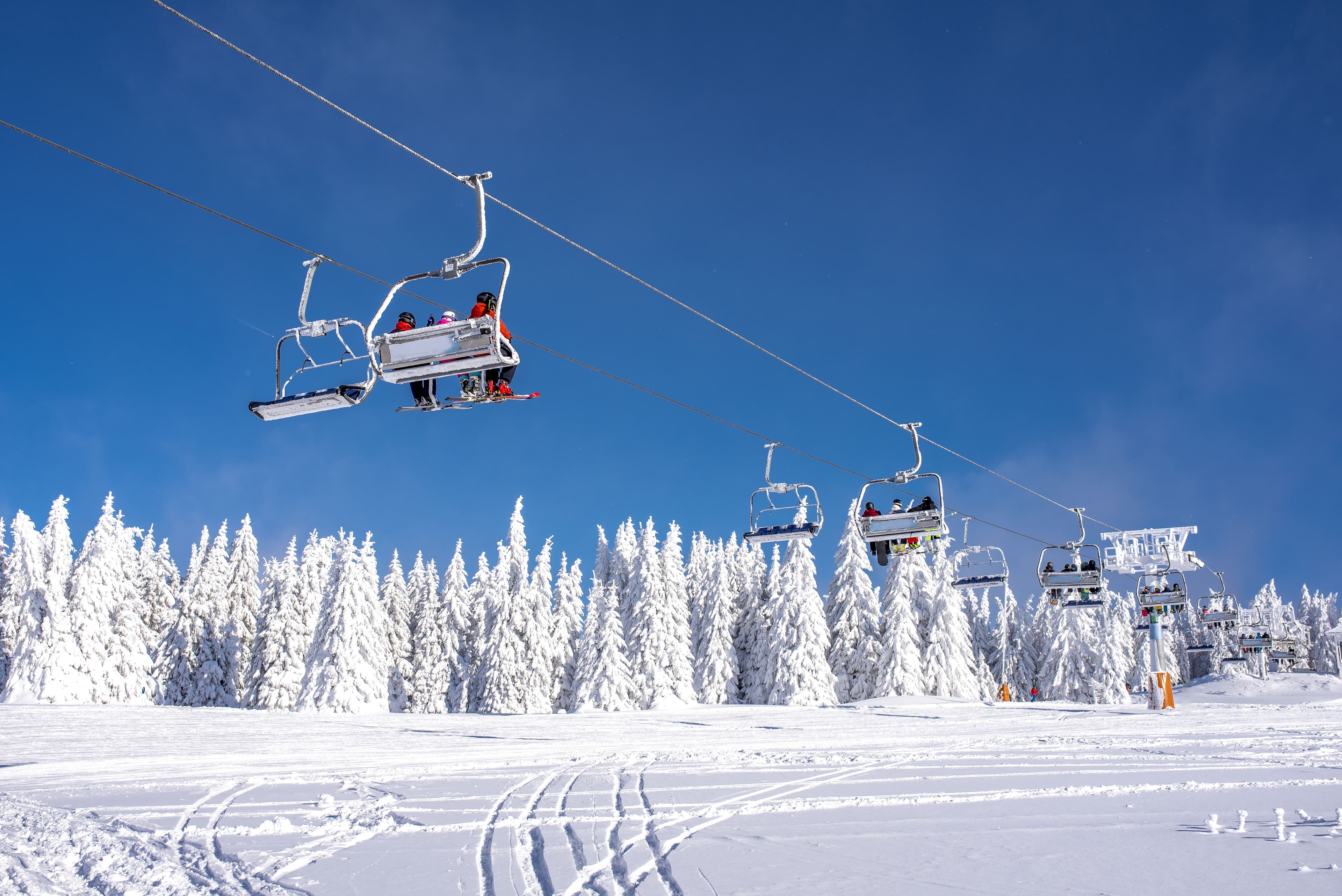
Chairlifts dominate intermediate terrain. Fixed‑grip chairs transport 1 800 people per hour, while detachable high‑speed models can sweep 3 400 per hour with a line speed of 5 m/s. A typical 8‑person detachable chair at Whistler costs USD 2 500 k in capital expenditure, but it slashes average wait time from 15 minutes to 3 minutes on busy weekends.
Gondolas and cable cars serve high‑altitude or cross‑valley routes. They often carry 2 000 to 3 500 passengers per hour in enclosed cabins, shielding riders from wind and snow. The Klein Matterhorn gondola costs EUR 78 million to build, yet it allows year‑round access to glaciers, expanding the resort’s season by up to 45 days.
Hybrid systems are emerging: the “chair‑cable” at Les 2 Alpes merges a chair’s speed with a cabin’s protection, offering a 10 % increase in rider comfort during gusty February afternoons.
Actionable tip: If you travel with kids, prioritize resorts that offer a high proportion of surface lifts and beginner‑friendly chairlifts – the gentle loading zones reduce anxiety for young riders.When a new lift appears, the resort’s contour changes on the map. My favorite case study is the 2021 installation of a 6‑person detachable chair at Val Thorens. Before the lift, the “Cime de Caron” bowl saw an average of 120 visitors per day; after opening, that number jumped to 420, a 250 % surge largely driven by reduced lift‑time from 12 minutes to 3 minutes.
Financially, the lift paid for itself within three seasons: each ticket generated an additional USD 12 average spend on lift‑ticket upgrades, rentals, and food, equating to roughly USD 3.6 million extra revenue. In contrast, a comparable upgrade at a neighboring resort using a similar chair cost USD 2 million but only attracted a 90 % increase in traffic because the terrain connection was less compelling.
Beyond numbers, the lift altered the social fabric of the mountain. Skiers now mingle across former “north‑side” and “south‑side” communities, creating a richer après‑ski scene. The upgraded lift also introduced a “quiet‑zone” cabin for those seeking a serene ride, a feature I personally adore after a long day of aggressive carving.
Actionable tip: Map the resort’s lift plan before booking; use the “lift‑by‑lift” view on the official app to spot new installations that could unlock fresh terrain you haven’t skied before.Reaching a mountain resort often feels like the first lift ride of the holiday – the smoother the journey, the better the day ahead. Below is a realistic comparison for a typical European ski destination, 142 km from the nearest international airport.
The fastest option is a private transfer – you save roughly 20 minutes compared with a taxi and avoid the hassle of going through mountain roads yourself. However, the shuttle bus offers the best value for families, especially when you split the EUR 42 among four people, dropping the per‑person cost to just EUR 10.50.
If you rent a car from Enterprise at the airport, expect a daily rate of USD 57 for a compact SUV, plus fuel of about USD 1.45 per litre; the total for a four‑day stay usually lands around USD 350, which is comparable to a private transfer when you factor in parking fees at the resort (EUR 22 per day).
Actionable tip: Book your transport at least 48 hours in advance and request a “ski‑rack” option if you’re driving; many rental agencies offer a free rack when you reserve a full‑size vehicle online.Innovation is no longer a luxury; it’s a necessity for lift operators facing climate volatility. Modern lifts now integrate smart cards that sync with your smartphone, letting you tap for instant queue data. The “SmartLift” system at St. Moritz reduces average wait time by 18 % during wind gusts because it automatically slows line speed when wind exceeds 30 km/h, preventing costly shutdowns.
Sustainability is equally critical. Several Alpine resorts have retrofitted older lifts with regenerative braking, feeding up to 250 kWh back into the grid per day – enough to power a small village café. Another trend is the use of solar‑powered auxiliary drives. At a French resort, a 120 kW solar field installed in 2023 supplies 30 % of the main gondola’s energy demand, cutting CO₂ emissions by roughly 400 tons annually.
Comfort upgrades are no longer optional. Heated seats on the new 8‑person chairs at Aspen Snowmass cost an extra EUR 15 per ticket but keep riders toasty when temperatures dip to –12 °C. Panoramic glass cabins provide 270‑degree views, turning the ascent into a sightseeing experience rather than a chore.
From my point of view, the most transformative development will be “hybrid lifts” that can switch between chair and cable‑car modes depending on weather, extending operational days by up to 12 %. I’ve seen a trial at a Swiss resort where the system auto‑converted during a sudden snowstorm, keeping the slope open while neighboring peaks shut down.
Actionable tip: When evaluating a lift pass, check if the resort offers a “technology surcharge” for smart‑lift access; if it’s under EUR 10, the extra data can help you avoid the longest lines.At most major resorts, a modern high‑speed 6‑person chair processes about 3 300 skiers per hour, resulting in an average wait of 4–6 minutes on weekdays and 8–10 minutes on holiday weekends.
Yes. Surface lifts such as magic carpets and rope‑tows are designed with low speeds (around 1.5 m/s) and wide loading zones, making them ideal for novices.
Prices vary: a full‑season adult pass at Courchevel costs EUR 1 250, while a regional pass covering several smaller resorts can be as low as EUR 420.
Many resorts now accept NFC‑enabled cards or smartphones; the system reads the token and logs the ride without a physical ticket, cutting transaction time by 2–3 seconds.
Most detachable chairs shut down when wind speeds exceed 45 km/h, whereas gondolas can often run safely up to 60 km/h thanks to their enclosed design.
Plan your next ski adventure by treating lifts as the core service they are: research the lift network, choose resorts investing in fast, sustainable technology, and book smart transport from the airport to maximize on‑mountain time.
Take action now: download the resort’s real‑time lift‑status app, check the newest lift installations, and book a private transfer that includes a ski‑rack – you’ll shave off at least 15 minutes of travel and start your day on the slopes faster.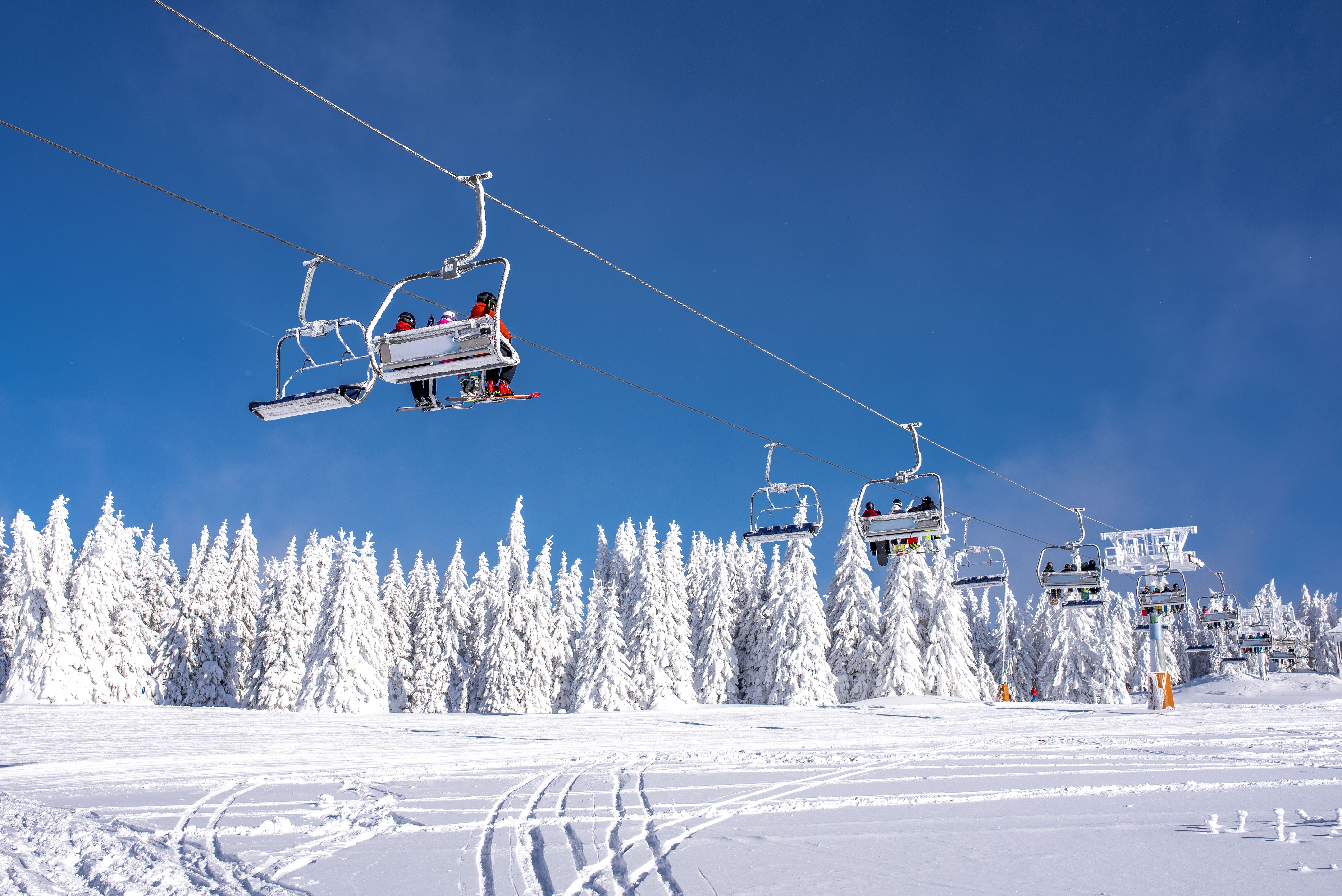
Leave a request and we'll send a personal offer for your dates. One window instead of ten tabs — gear, transfer and car sorted and confirmed in advance.