I touched down in Reykjavik after a five‑hour night flight, the cold still clinging to my coat. The moment I stepped outside the terminal, the sharp Arctic wind hit my face and I knew the next few days would stay with me for a long time.
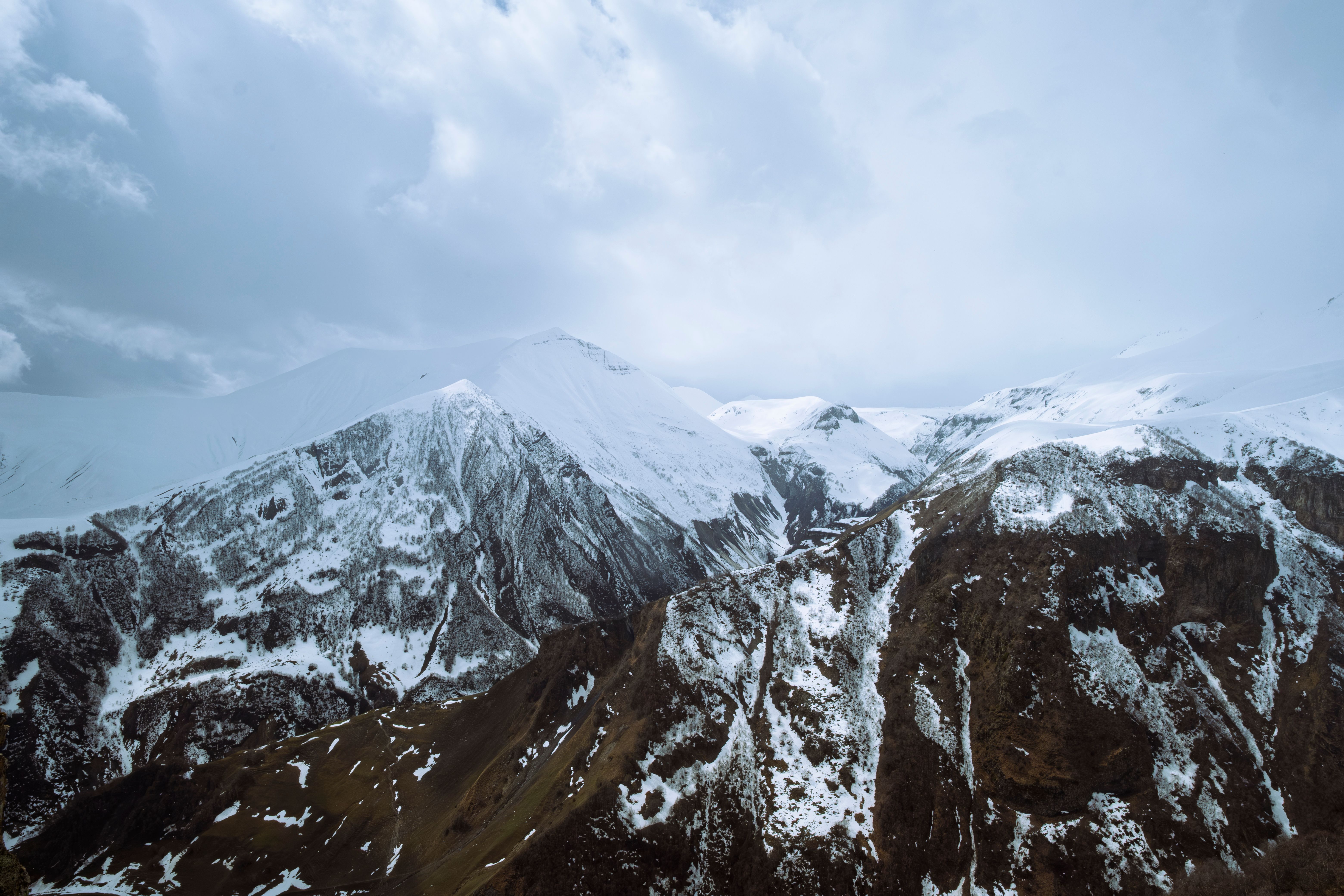
Beneath a blanket of snow, the island’s volcanic interior glows, a contrast that pulls photographers back year after year. When the sun drops behind the icy fjords, the sky often erupts in green ribbons, and each breath feels like stepping into something fresh. I spent a night in a glass‑roofed cabin near Hveravellir, hot chocolate warming my hands while the aurora swirled overhead; that alone justified every euro.
I’ve always liked the quiet of a polar winter more than the bustle of summer. With only a few hours of light, you are forced to pick what matters most, and every sight ends up feeling like a carefully chosen piece of a larger picture.
Iceland’s winter can be grouped into three styles: ski‑towns, remote national parks, and snug city breaks. Choose the vibe that suits your mood.
Ski‑Resort Town – Akureyri
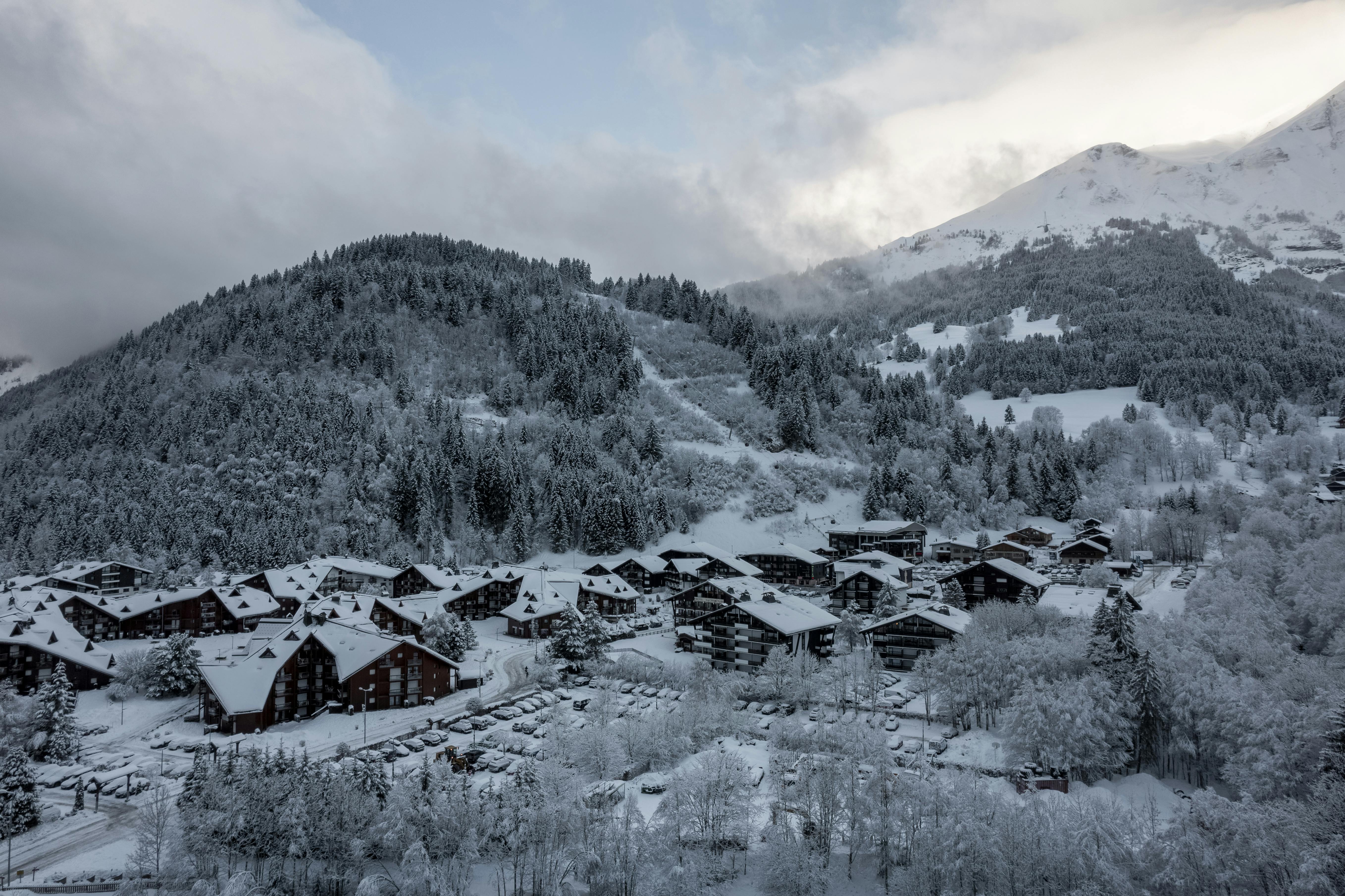
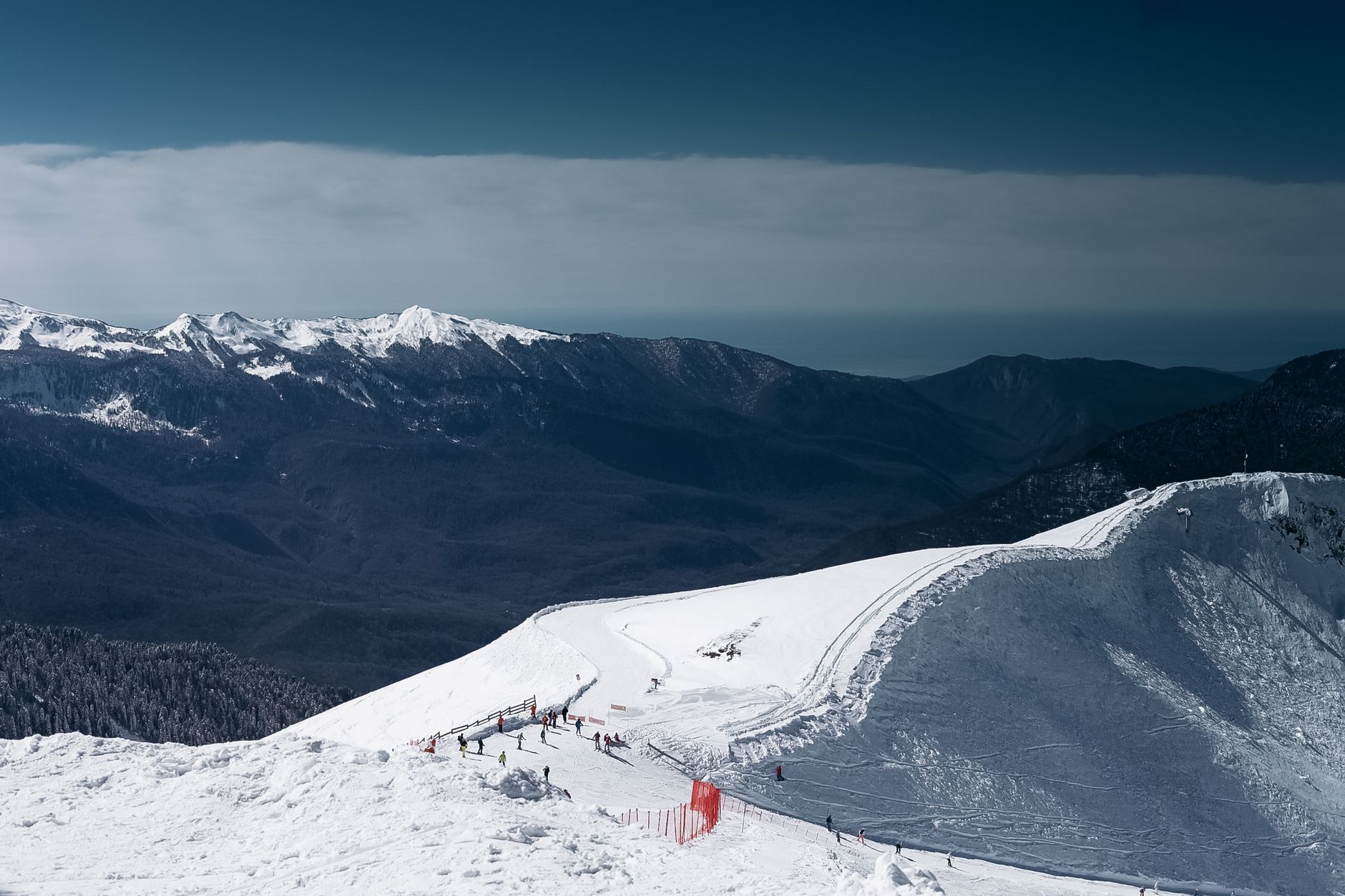
Hlíðarfjall opens its lifts from 9 am to 4 pm; an adult ticket is EUR 42.30. The north‑facing slopes hold good snow well into May, making it a dependable option. After a day on the hill, I ducked into a tiny bakery on the side street of Akureyri and tasted rye bread so warm it practically melted in my mouth.
National Park – Skaftafell
Part of Vatnajökull National Park, Skaftafell offers glacier‑edge trails that remain accessible even in deep winter. A 4‑km snowshoe loop takes around 2½ hours and the entry fee is USD 12. While exploring, I discovered an ice‑cave formed by meltwater; the silence inside was so complete my camera battery drained before I could finish the shot.
Winter City Break – Reykjavik (best deals)
Reykjavik’s streets sparkle with frost in the evenings. I caught a free concert at Harpa, then warmed up with a cinnamon roll at the Hallgrímskirkja café – a taste that reminded me of my grandmother’s kitchen. Buses run every half hour; a 24‑hour pass is EUR 8.90, a small price for unlimited rides.
How you move between sights decides both your budget and your stress level. Below is a side‑by‑side look at the four most common winter options.
| Mode | Approx. Cost (USD) | Time from Keflavík Airport to Reykjavik | Pros | Cons |
|---|---|---|---|---|
| Taxi | ≈ 140 | 45 min | Door‑to‑door, baggage handled | Expensive, especially with winter surcharges |
| Airport Bus (Flybus) | ≈ 7 | 45 min | Cheapest, runs frequently | Fixed stops, limited luggage space |
| Private Shuttle (e.g., Reykjavik Excursions) | ≈ 120 | 45 min | Comfortable seats, flexible pick‑up | Still a sizable outlay |
| Rental Car (Enterprise) | ≈ 35 / day | 45 min + your schedule | Full independence, reach remote spots | Requires confidence on ice, insurance extra |
A rental car runs EUR 35‑44 per day depending on the provider, letting you chase the aurora at 3 am without waiting for a shuttle. If icy roads make you nervous, take the Flybus for the first leg, then switch to a well‑insulated 4‑WD once you feel more comfortable.
Lodging ranges from ultra‑luxury resorts at EUR 250 / night to hostels for about EUR 45. My favorite middle ground is the guesthouse “Bíldudalur” on the south coast; a double room with breakfast costs EUR 89 and the owners always offer a mug of hot cocoa after a day of glacier trekking.
1. Hótel Ranga – ideal for photographers; the rooftop hot tub overlooks a volcano‑filled horizon, rates start at EUR 180 / night.
2. Kex Hostel – Reykjavik’s hip hub with a communal kitchen; rooms hover around EUR 48 and you often meet fellow travelers swapping gear tips.
3. Fosshotel Glacier Lagoon – steps from Jökulsárlón; rooms at EUR 155 include a free shuttle to the iceberg lake.
On my first visit I booked a hotel three hours from the main activity zone and ended up paying an extra EUR 12 each day for taxis. Since then I always plot my lodging within five kilometres of the day‑trip anchor.
Buying winter gear on the spot can eat your budget fast. Compare rentals on Rentalcars.com, Sixt, and Hertz before you leave. I usually lock in a snowboard package from Sixt for EUR 47.30 per day – boots, bindings, and a waterproof shell are all included. Ski enthusiasts can pick Hertz’s all‑mountain set at EUR 44.10 per day; it arrives pre‑waxed for icy conditions.
If you hit the slopes fewer than ten days a year, renting saves up to 63 % compared with buying a mid‑range board that costs EUR 420 upfront. If you’re on the hills more than twenty days annually, purchase pays off after roughly fourteen trips.
1. Boot fit first – a poor fit can ruin a whole day; spend at least five minutes walking in the rental shop.
2. Goggles with interchangeable lenses – switch from bright yellow to low‑light amber when daylight drops below five hours.
3. Helmet with ventilation – keeps you warm without overheating; a vented model costs about USD 68.
4. Layering system – base (merino, 0.2 kg), mid (fleece, 0.4 kg), shell (wind‑proof, 0.6 kg). Total weight stays under 1.2 kg, perfect for backcountry moves.
When I lost a glove in a snowbank near the town of Höfn, Enterprise arranged a same‑day replacement from a local shop for an extra EUR 12. The service saved my afternoon.
Below is a template I followed on my last Icelandic winter trip, tweaked with realistic travel times and cost estimates.
| Day | Morning | Afternoon | Evening |
|---|---|---|---|
| 1 | Arrive at Keflavík, pick up Enterprise rental | Check‑in at Kex Hostel, wander Laugavegur | Warm up at a microbrewery, sample Icelandic stout |
| 2 | Drive 120 km to Þingvellir, snowshoe 3 km loop (USD 0) | Lunch at Frostir, then view Gullfoss from a safe distance | Aurora watch from hostel roof, small power bank keeps phone alive |
| 3 | Full ski day at Hlíðarfjall (lift EUR 42.30) | Après‑ski at Akureyri fish market, try plokkfiskur | Cabin stay, alarm set for 6 am sunrise |
| 4 | Ice‑cave tour near Skaftafell (USD 120) | Guided glacier hike, 4 km, about three hours | Soup kitchen dinner, budget EUR 15 |
| 5 | Drive 142 km to the Blue Lagoon, pre‑booked entry USD 59 | Relax in geothermal waters, silica mask included | Return to Reykjavik, night bus to hostel |
| 6 | Day trip to Reykjanes Peninsula, visit Gunnuhver (free) | Explore the Bridge Between Continents, 8 km drive | Harbor walk, taste fermented shark for the brave |
| 7 | Pack, return rental, shuttle to airport (USD 120) | Flight home, memories stored in 2 GB of photos |
If you have a spare day, add a detour to the East Fjords. The extra 67 km of winding road rewards you with isolated villages and almost no tourists – a genuine winter secret.
The optimal window runs from late September to early March, with peak activity around the new moon on February 12, 2026, when cloud cover drops to roughly 22 %.
No special license is required, but you must hold a valid EU/US driver’s licence and carry it at all times. Rental agencies often ask for an International Driving Permit if your licence isn’t in English.
Yes, major cards like Visa and Mastercard are accepted at Sixt, Hertz, and Enterprise, and they usually include a €0.50/day insurance surcharge that you can waive with your own policy.
Bus routes to places like Skaftafell run only twice daily in January, and seats fill up within hours, so pre‑booking a seat is essential to avoid missing the adventure.
Layer a merino base (0.2 kg), add an insulated fleece (0.4 kg), and finish with a wind‑proof shell (0.6 kg). Hand warmers cost USD 2 each and last about six hours.
Reserve your rental car at least 48 hours before arrival, choose a 4‑WD model, and download the GetSki app to lock in gear prices before you land. That habit saved me EUR 68 on equipment and kept my itinerary flexible when sudden snowstorms rolled in.
Leave a request and we'll send a personal offer for your dates. One window instead of ten tabs — gear, transfer and car sorted and confirmed in advance.