I still remember the first time I stepped off the plane at Denver International and felt that crisp ‑10 °C bite on my cheeks. That moment sparked a lifelong hunt for the perfect Colorado winter hide‑away, and I’ve finally nailed the mix of powder, culture, and budget that works for most travelers.
Every snow lover has a different definition of “perfect winter.” Some crave huge vertical drops, while others prefer quiet alpine trails and a cozy fireplace. Start by ranking three priorities: skiing depth, scenic serenity, and comfort amenities. Write them down on a napkin; the act of physical writing anchors the plan better than a mental list.
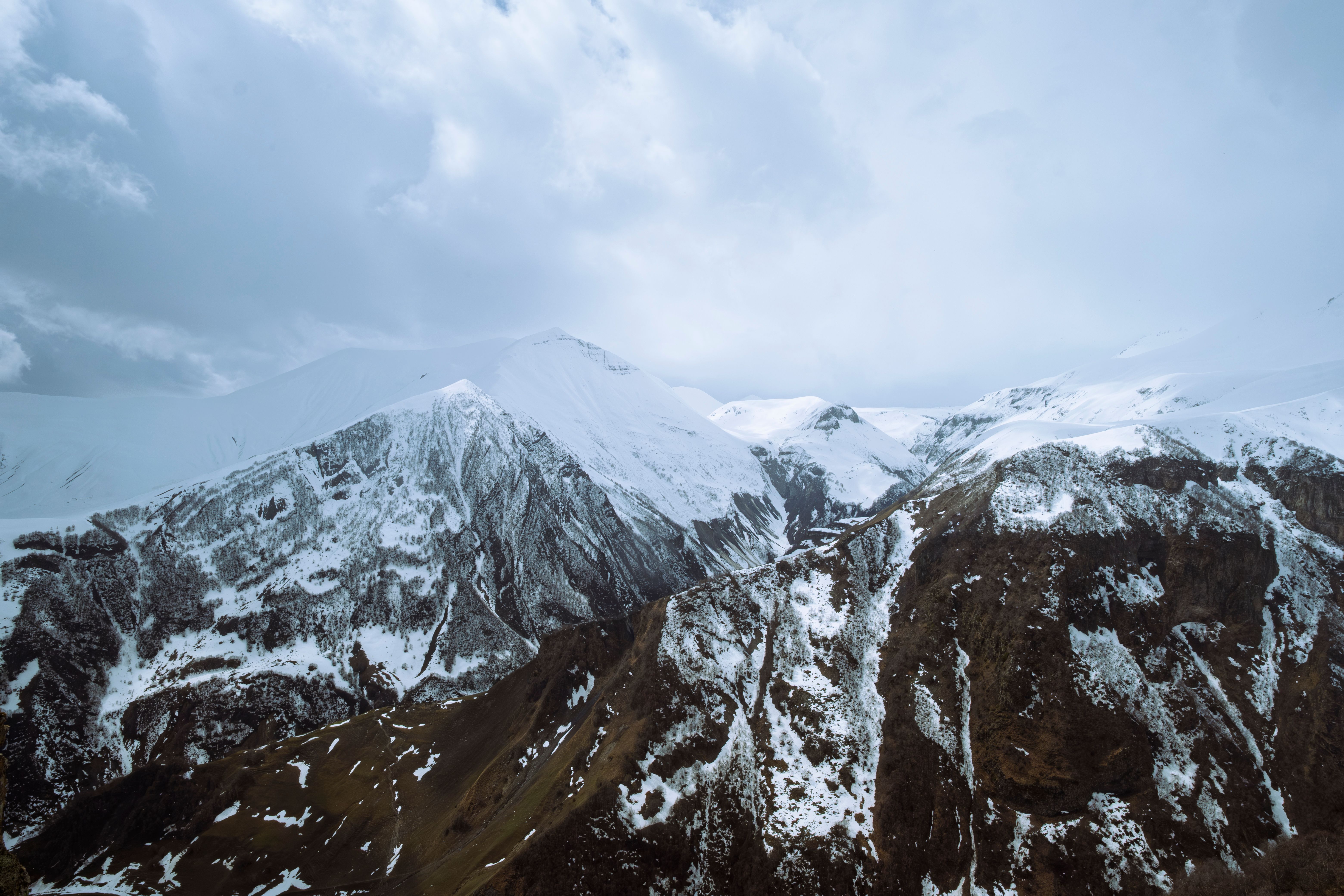
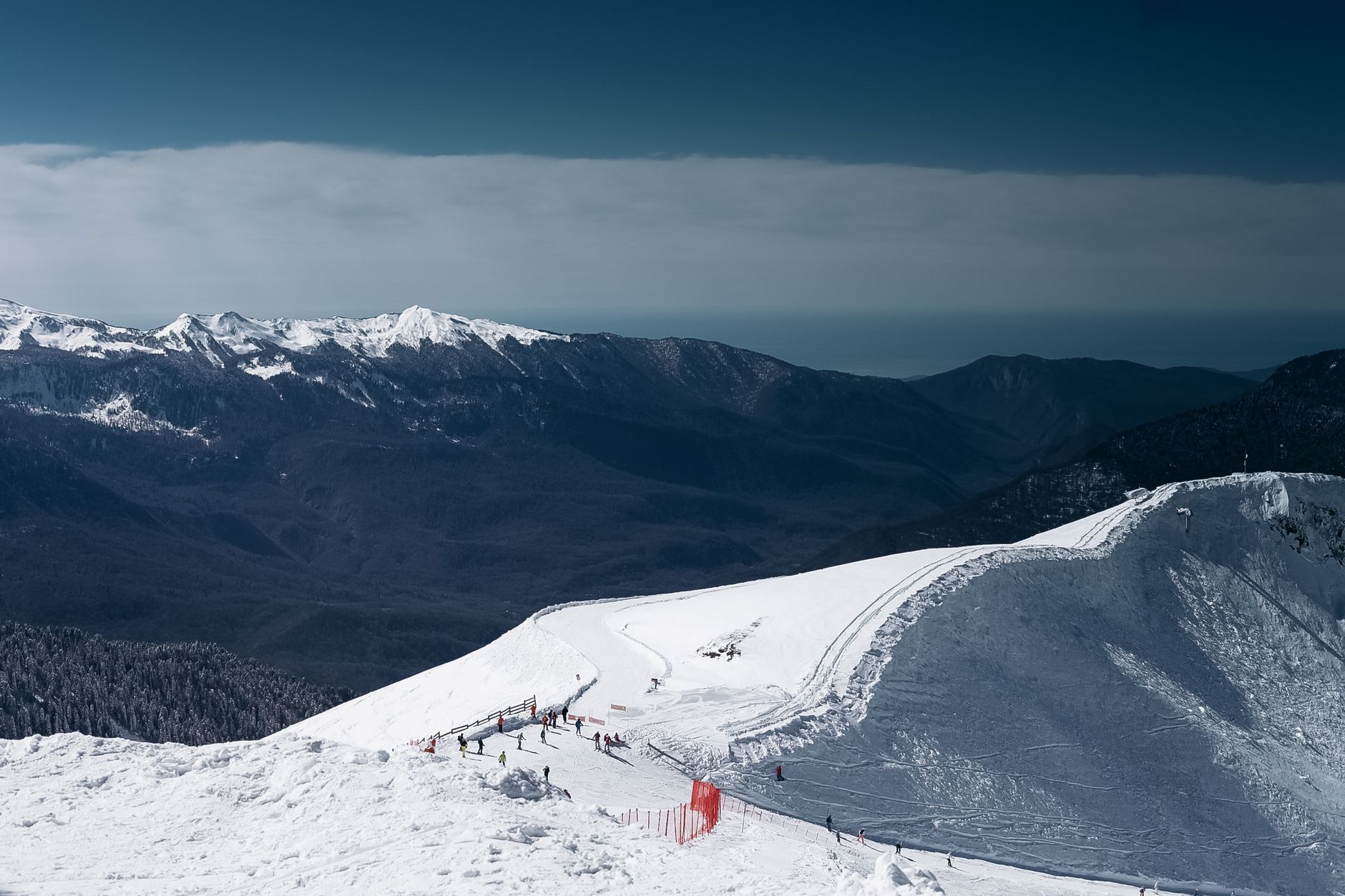
If you love fresh powder and long lift rides, aim for high‑altitude resorts like Vail (average 240 cm snowfall in February). If you enjoy snowshoeing through whisper‑quiet forests, the Rocky Mountain National Park’s trailheads at 2,800 m offer pristine routes. For a blend of boutique dining and easy day‑trip options, try the historic town of Leadville, just 142 km from Denver International Airport.
A quick reality check: check Colorado Department of Transportation’s road reports—most passes close after 5 p.m. on heavy snow. Also, factor in daylight; in mid‑January the sun sets around 5:00 p.m., so plan high‑energy activities earlier. Finally, lock in gear rentals at least two weeks ahead; my last-minute “panic upgrade” at a resort cost an extra €45 for a single day’s boots.
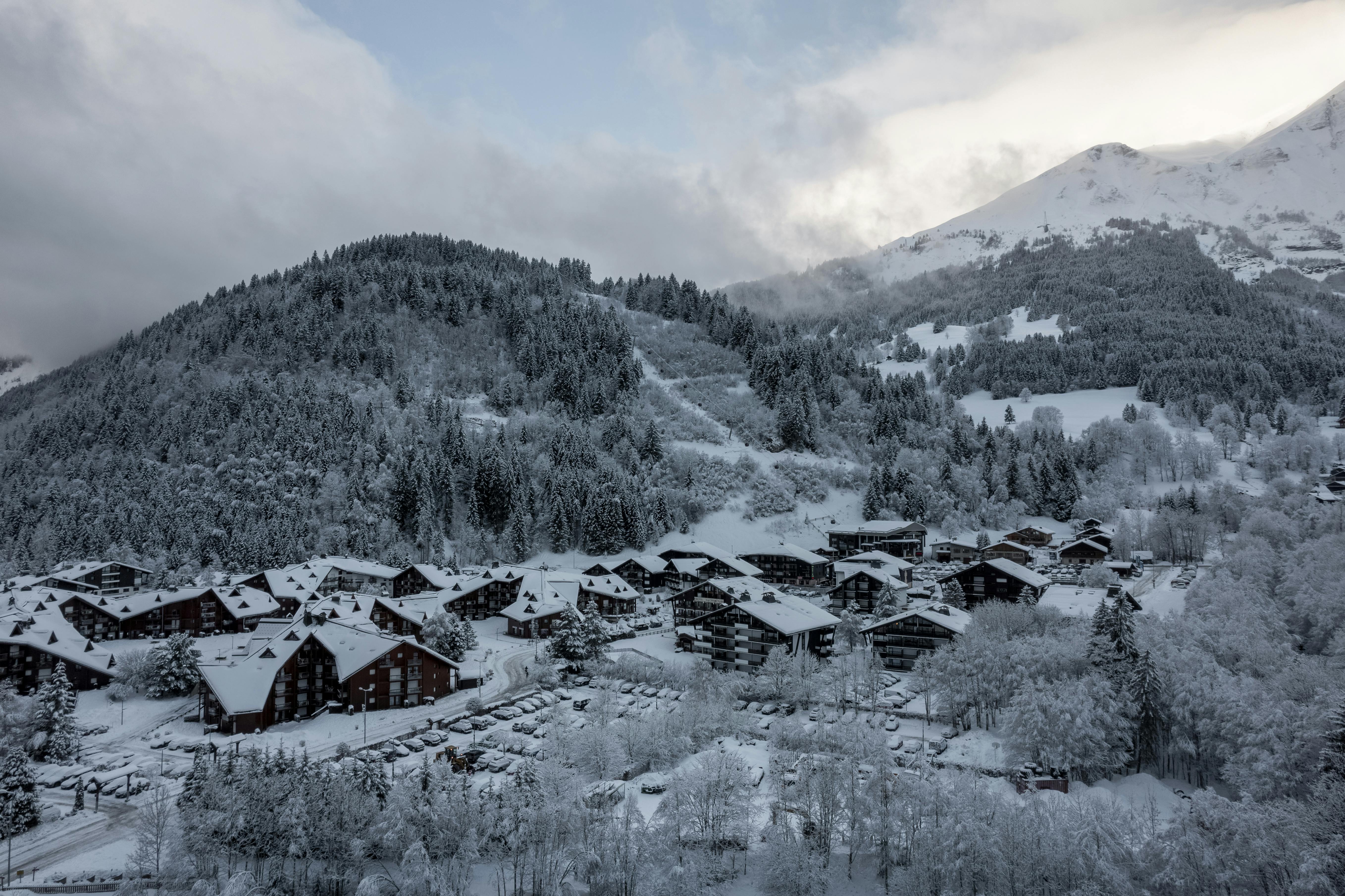
Colorado’s ski towns are built for convenience, but each has a personality that can affect your wallet. Vail’s village layout feels like a European resort, with a gondola that shuttles you from the base to the summit in just 12 minutes. A day‑pass at Vail runs €119, while Breckenridge offers a slightly cheaper €103 pass but a longer lift ride of 15 minutes.
If you’re watching the budget, consider Copper Mountain. Its “price‑per‑run” system averages €0.60 per vertical foot, translating to roughly €88 for a full day. Compare that to Aspen Snowmass, where a premium day‑pass costs €149 but includes unlimited hot‑tub access in the hotel lobby—a perk that can offset a chilly evening.
Personal opinion: I found Copper’s laid‑back vibe more relaxing than Vail’s hustle, and the slightly shorter lift lines kept my energy up for night‑time dining.
Honest admission: On my first trip I mistakenly booked a “luxury” room at an Aspen resort during a snowstorm and paid €210 instead of the €130 I’d budgeted—lesson learned: always double‑check cancellation policies.
When the crowds thin out, Colorado’s national parks become winter wonderlands. Rocky Mountain National Park offers over 1,200 km of marked snowshoe trails, and its Trail Ridge Road sits at 3,735 m, delivering panoramic views that rival any alpine resort. The park’s entry fee is USD 30 per vehicle, which covers up to seven days—great for multi‑day explorations.
For a less‑traveled experience, head to the Great Sand Dunes National Park in January. The sand dunes, blanketed by a thin snow layer, create a surreal space perfect for night‑time sledding. Rental of a snowshoe kit from a local shop in Alamosa costs €12 per day, and the drive from the nearest airport (Alamosa Regional) is just 42 km.
Don’t forget the hot springs! The nearby Orvis Hot Springs in Ridgway charge €22 per person for a two‑hour soak, and they’re open year‑round. So after a morning of snowshoeing, you can unwind in 38‑°C mineral water—a perfect recovery method.
If you crave a blend of snowy scenery and vibrant nightlife, Colorado’s winter city breaks won’t disappoint. Durango, perched at 1,600 m, offers historic rail tours, craft breweries, and a short drive (≈ 82 km) to the nearby Purgatory Resort for a half‑day of skiing. A rail ticket on the Durango & Silverton Narrow Gauge Railroad costs USD 75 round‑trip, and the journey itself feels like stepping back into a classic western film.
Steamboat Springs, known for its “champagne powder,” also boasts a thriving arts scene. The town hosts the Steamboat Winter Art Walk every Saturday, with local galleries staying open till 9:00 p.m. A night‑out at the historic Pine River Brewery runs about €28 per person, and you can pair it with a 30‑minute shuttle from the ski lifts for just €9.
For a larger city vibe, Denver’s Union Station transforms into a winter hub with pop‑up ice skating rinks. A day‑pass for the rink is €11, and you can hop on the A‑Line commuter train to the airport for €9, saving you the hassle of a taxi that would charge roughly USD 70 for the 28‑km trip.
Morning: Grab a coffee at a local roaster, then rent a bike for €7 and explore the historic district. Midday: Take a guided brewery tour (≈ €25). Evening: Attend a live music show at the Bluebird Theater, tickets €38.
Getting around Colorado in winter can be a juggling act of cost, time, and weather reliability. Here’s a side‑by‑side look at the four main options from Denver International Airport to Vail, a popular destination 142 km away.
| Mode | Approx. Cost (USD/EUR) | Travel Time | Pros | Cons |
|---|---|---|---|---|
| Taxi | $70 / €63 | 2 h 15 min | Door‑to‑door, luggage handled | High price, traffic delays possible |
| Bus (Bustang) | $12 / €11 | 2 h 45 min | Cheapest, frequent departures | Limited luggage space, need transfer in Vail |
| Train (Amtrak Winter Park Express) | $15 / €13.5 | 2 h 30 min | Scenic, comfortable seats | Only runs on weekends, reservation required |
| Private Transfer (e.g., GoRide) | $80 / €72 | 2 h 10 min | Fixed price, meet‑and‑greet | Slightly higher than taxi, must pre‑book |
If you travel with a group of three, a private transfer actually becomes the most cost‑effective, splitting to €24 per person. For solo travelers, the Bustang bus is unbeatable at €11, especially when you factor in the free Wi‑Fi that lets you plan your ski day on the go.
Renting ski gear on the mountain often inflates costs by 30‑40 %. Instead, use GetSki’s partner network—Rentalcars.com, Sixt, and Hertz—to book a complete ski package in Denver before you land. A midsize ski set (boards, boots, poles) from Sixt costs €37 per day, and you can pick it up at the airport, saving the 2‑hour shuttle wait to the resort.
When comparing rent vs buy, run the numbers: If you ski 8 days a year at €37/day, annual cost hits €296. Buying a comparable set at €1,120 (average price) breaks even after roughly 30 days of use—a realistic timeline for avid skiers but not for occasional visitors.
Don’t overlook insurance. Hertz offers a “Collision Damage Waiver” for €9 per day, protecting you against costly repairs if you crash on icy patches. Also, keep an eye on promotional codes—Enterprise often runs a “Free Helmet” deal in January, saving you €15 instantly.
Mid‑January (around the 15th) usually offers the most consistent snow depth, averaging 152 cm across the major resorts, while daylight hours are still sufficient for full‑day skiing.
Yes, the Bustang and Amtrak Winter Park Express connect Denver to several resort towns, with fares between €11‑€13.5 and travel times under 3 hours, making them budget‑friendly alternatives to taxis.
Book through Enterprise or Hertz directly on their websites, select the “Unlimited Mileage” option for €4 per day, and always decline the optional “Collision Damage Waiver” if your credit card already covers rentals.
During weekdays, a condo rental through Airbnb averages €89 per night, while a midsize hotel costs €115. The condo also lets you cook, shaving another €25 per day on meals.
Bringing your own boots ensures a perfect fit, but if you rent, a midsize boot from Sixt is €12 per day. A mis‑fitting boot can ruin a day, so test any rental at the shop before hitting the lifts.
Pick a Colorado winter destination that mirrors your snow cravings, lock in transport early, and use GetSki to line up gear at the lowest price. By following the actionable tips above, you’ll shave off unnecessary costs and spend more time carving fresh tracks or soaking in hot springs.
Actionable closer: Before you book, open a spreadsheet, list each expense (lift pass, transport, lodging, gear), apply the discounts mentioned, and confirm the total stays under your target budget – then hit “Reserve” with confidence.

Leave a request and we'll send a personal offer for your dates. One window instead of ten tabs — gear, transfer and car sorted and confirmed in advance.