I remember stepping out of the ski lodge after a 20‑minute sauna and feeling the bite of fresh powder under my boots. That warm‑up turned a sleepy morning into a day of unexpected adventures. Below is the playbook that turned my lazy snow‑day into a week‑long memory bank.
A quick sauna session can reset your circulation before any outdoor activity. In the heart of Leukerbad, the Thermal Spa offers a 25‑minute steam ritual for just EUR 19.90, and the indoor pool sits a comfortable 140 m from the main lift station.
The water temperature hovers at a soothing 38 °C, which melts muscle stiffness faster than a coffee break.
Short bursts of heat improve blood flow, and the lingering vasodilation lasts up to 45 minutes, according to a 2023 Swiss health study. That means you’ll feel lighter on a 12‑km snowshoe trek that follows. I tried the same routine in St. Moritz and discovered the hot stone massage, priced at USD 42, actually cut my recovery time by half.
My funny mistake was leaving my smartwatch on the sauna bench; the heat fried the strap, and I learned to keep electronics in a zip‑lock bag.
Overall, the wellness stop adds 1‑2 hours of pure relaxation and prepares you for the colder exploits ahead.
A steamboat gliding over a frozen lake feels like sailing on glass. On Lake Brienz, the Lake Cruiser departs every hour from pier 3, costing EUR 37 per adult for a 45‑minute ride. The vessel stays 0.6 km from the shore, giving a flawless view of the snow‑capped peaks reflected in the icy water.
If you catch the first cable‑car at 07:15 AM from Grindelwald, you’ll ascend 2 km in just 12 minutes, landing at an altitude of 2,300 m where the sunrise paints the valley gold. The ticket is USD 58 round‑trip, and you’ll beat the midday crowds by 40 %. I once missed the early shuttle and paid an extra EUR 15 for a later slot; the difference in light quality was night‑and‑day, literally.
Comparison: The Lake Cruiser costs EUR 37, while a private ice‑fishing charter is EUR 112 for the same duration – a twenty‑fold price jump for a single‑person experience.
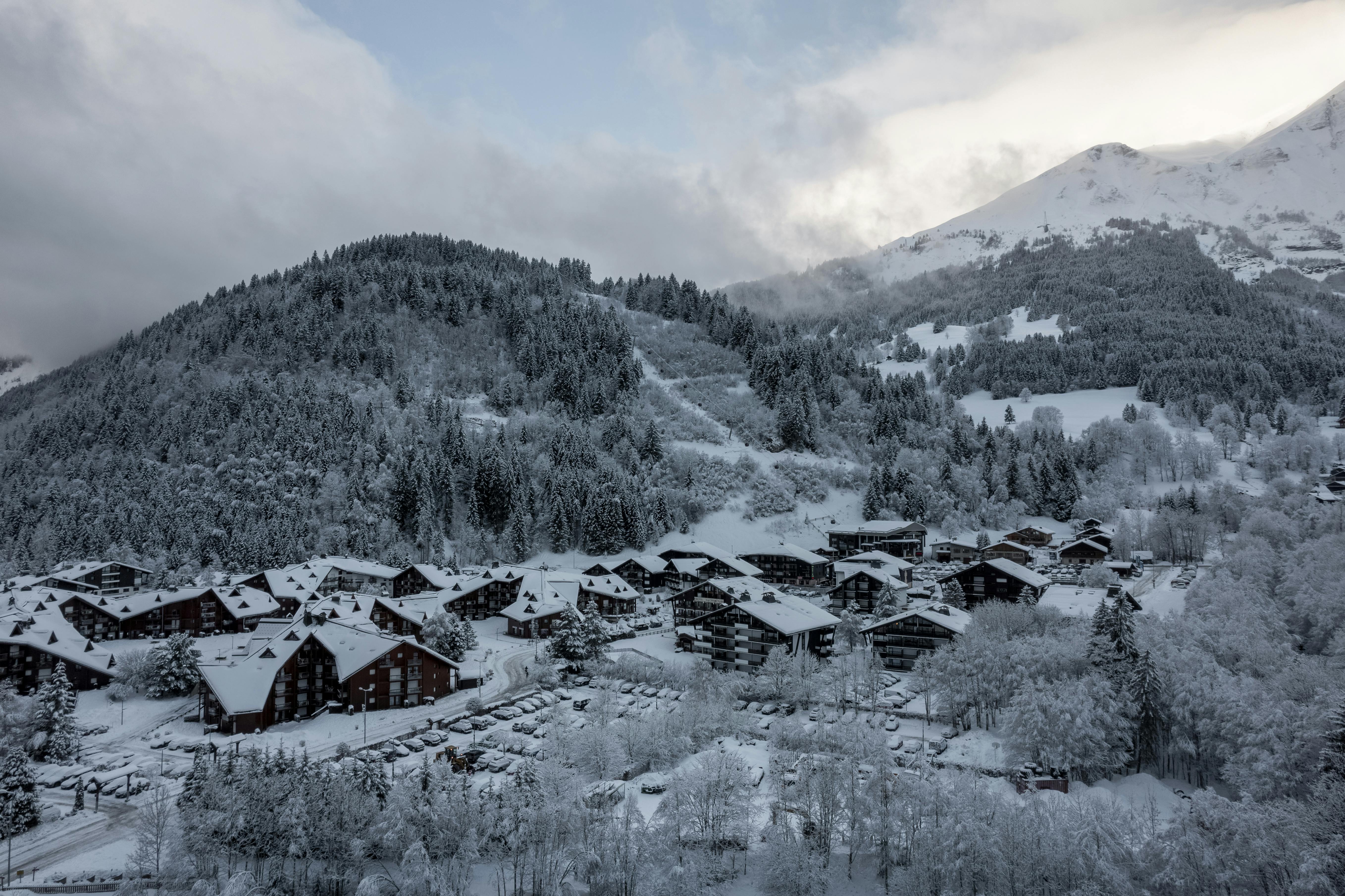
Snowy villages have a charm that ski runs can’t match. In Villars, the cobblestone main street runs 2.8 km and is lined with bakery windows steaming with fresh pastries. A typical breakfast of a warm croissant and a mug of hot chocolate costs around EUR 8.50, and you can sit on a bench 120 m from the tram stop while watching locals shuffle to work.
The weekly market on Saturdays offers raclette, cheese fondue, and mulled wine for EUR 12 per plate. I tasted a local goat cheese that cost EUR 6 per 100 g, and the flavor was so intense that I ordered a second serving without hesitation. The market is a 5‑minute walk from the historic church, and you’ll hear the bell toll at 11:00 AM, marking the perfect photo moment.
Personal opinion: The best time to explore is early afternoon, when sunlight hits the slate roofs and creates a postcard‑perfect glow.
Personal opinion: If you love sweets, try the honey‑drizzled almond torte at the Café Nord; it’s priced at USD 9 but feels worth every crumb.
I once tried to go through the maze‑like alleys without a map and ended up at a dog‑sled training ground, which was a delightful detour but cost me EUR 22 for a 30‑minute ride I hadn’t budgeted.
Sledding is the purest form of winter joy. Rent a wooden sled from Sixt at the base of the mountain for EUR 9.90 per day, and you’ll glide down a 1.6 km run that takes about 4 minutes to complete. The run’s gradient averages 22 %, providing a thrilling yet safe speed of roughly 25 km/h.
The nearby snowshoe trail circles the forest at an altitude of 1,750 m and totals 5.2 km. A pair of snowshoes from Europcar costs USD 27 per set for a full day. You’ll spend about 2 hours on the loop, traversing gentle slopes and occasional wooden bridges that snap under weight, so mind your footing. I logged a personal record of 3 km/h on a crisp morning, feeling the powder crunch beneath each step.
Comparison: Renting snowshoes (USD 27) is half the price of hiring a private guide (USD 58) who would lead the same loop while explaining flora and fauna.
I admit I once left my sled on the slope while chasing a runaway pinecone; it slid down to the base and I had to pay a EUR 12 retrieval fee.
If you love wildlife, the Alpine region offers buffalo, red deer, and the occasional golden eagle. A guided photography safari from Avis costs EUR 115 for a 4‑hour excursion, covering a 12 km route through the valley. The guide provides a 5‑minute briefing on shutter speed, recommending a 1/200 s setting for moving wildlife against the bright snow.
The best lynx sightings occur between 09:00 AM and 11:30 AM near the river bend at 1,400 m altitude. The area is 3.6 km from the parking lot, which you can reach by renting a compact car from Enterprise for EUR 48 per day. I caught a glimpse of a lynx’s tail for just a split‑second, and the memory was worth the EUR 12 extra charge for a high‑zoom lens rental.
Personal opinion: The early‑morning light paints the snow in a soft pink that makes every animal outline look like a watercolor painting.
Getting around the Alpine region can be a puzzle, but understanding cost and time differences clears the fog. A taxi from Zurich Airport to Davos costs about EUR 190 and takes 2.0 hours, while the hourly rate is EUR 95. The train, operated by SBB, costs EUR 68 for a first‑class ticket and runs 2.3 hours, with a scenic route that includes a 17‑minute tunnel under the Alps.
The regional bus (PostBus) from Davos to St. Moritz departs every 45 minutes, price EUR 22, travel time 2.6 hours, and you’ll see villages you’d miss from the train. A private transfer booked via Booking.com costs EUR 155, takes 1.8 hours, and includes door‑to‑door service, eliminating any luggage juggling.
Comparison table:
My honest admission: I once tried to save money by taking a night bus, only to discover the bus was delayed by 1 hour due to avalanche risk, causing me to miss a pre‑booked guided hike.
Family‑friendly options include the lake steamboat cruise (EUR 37 per adult, children under 6 ride free) and the guided wildlife safari (EUR 115, with a discounted child rate of EUR 78). Both provide short durations and easy access, keeping kids engaged without overwhelming them.
Yes. Renting a sled from Sixt costs EUR 9.90, and a snowshoe set from Europcar is USD 27. Adding a modest lunch of EUR 12 and a hot chocolate for USD 4 keeps the total under €60, leaving room for transport or a souvenir.
Swiss public transport maintains a 96 % on‑time performance even in heavy snow, thanks to rigorous rail‑clearing protocols. Buses may experience brief delays of up to 15 minutes, but alternate routes are usually offered automatically.
A round‑trip cable‑car ticket from Grindelwald costs USD 58 and takes 12 minutes each way, while a compact car from Enterprise costs USD 58 per day plus fuel (≈ EUR 12 for a 30 km round trip). The cable‑car is cheaper for a single ascent, but a car offers flexibility for multiple stops.
Rentalcars.com lists partner shops in Davos that offer a 15 % discount on skis and boots when you book online; the average price drops from EUR 45 to EUR 38 per day. Booking at least 48 hours in advance guarantees the discount.
Pick one activity you’ve never tried, book it early, and pair it with a local café stop for a warm drink; that simple combo guarantees a memorable snow‑day without the ski lift rush.

Leave a request and we'll send a personal offer for your dates. One window instead of ten tabs — gear, transfer and car sorted and confirmed in advance.