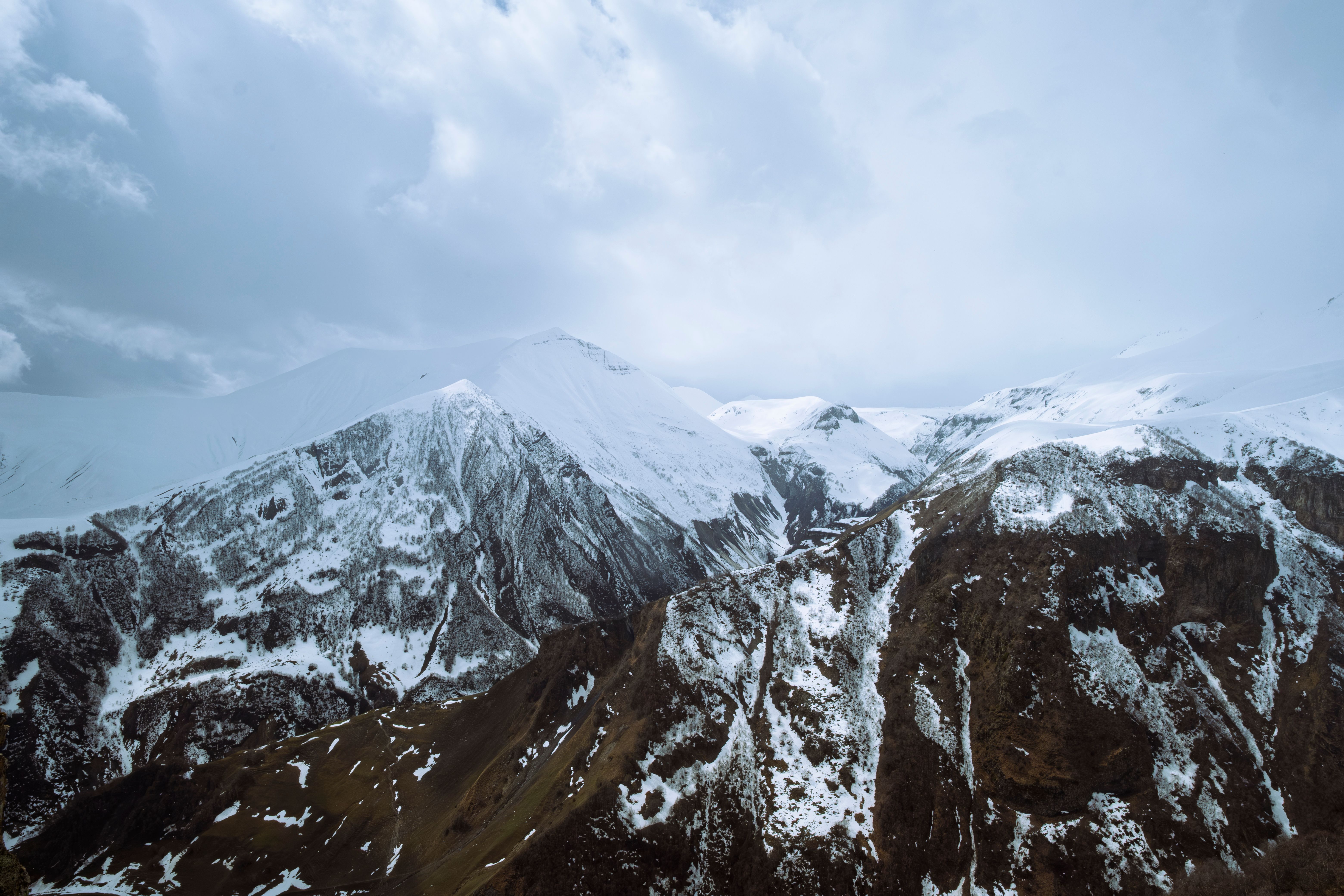
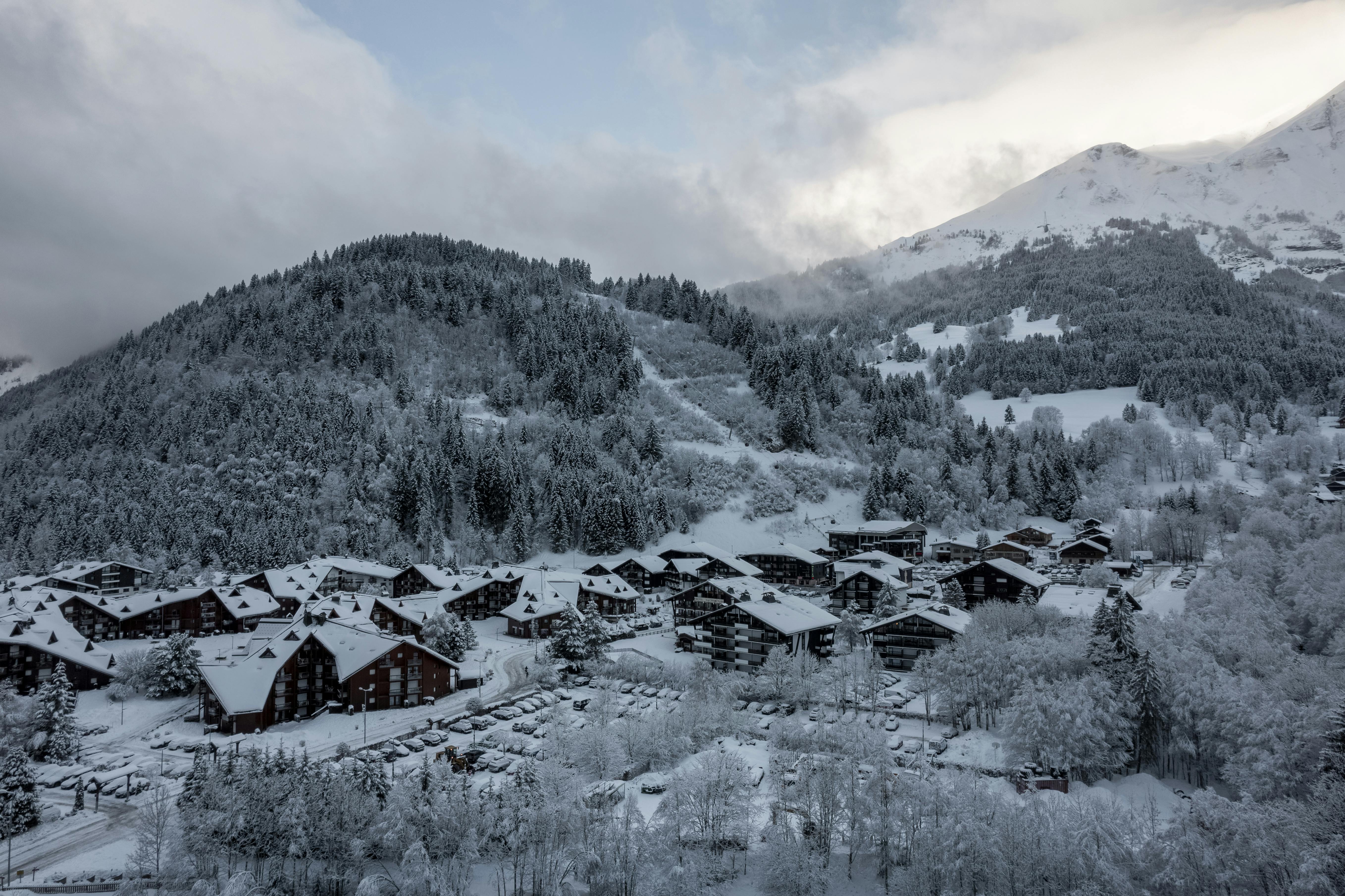
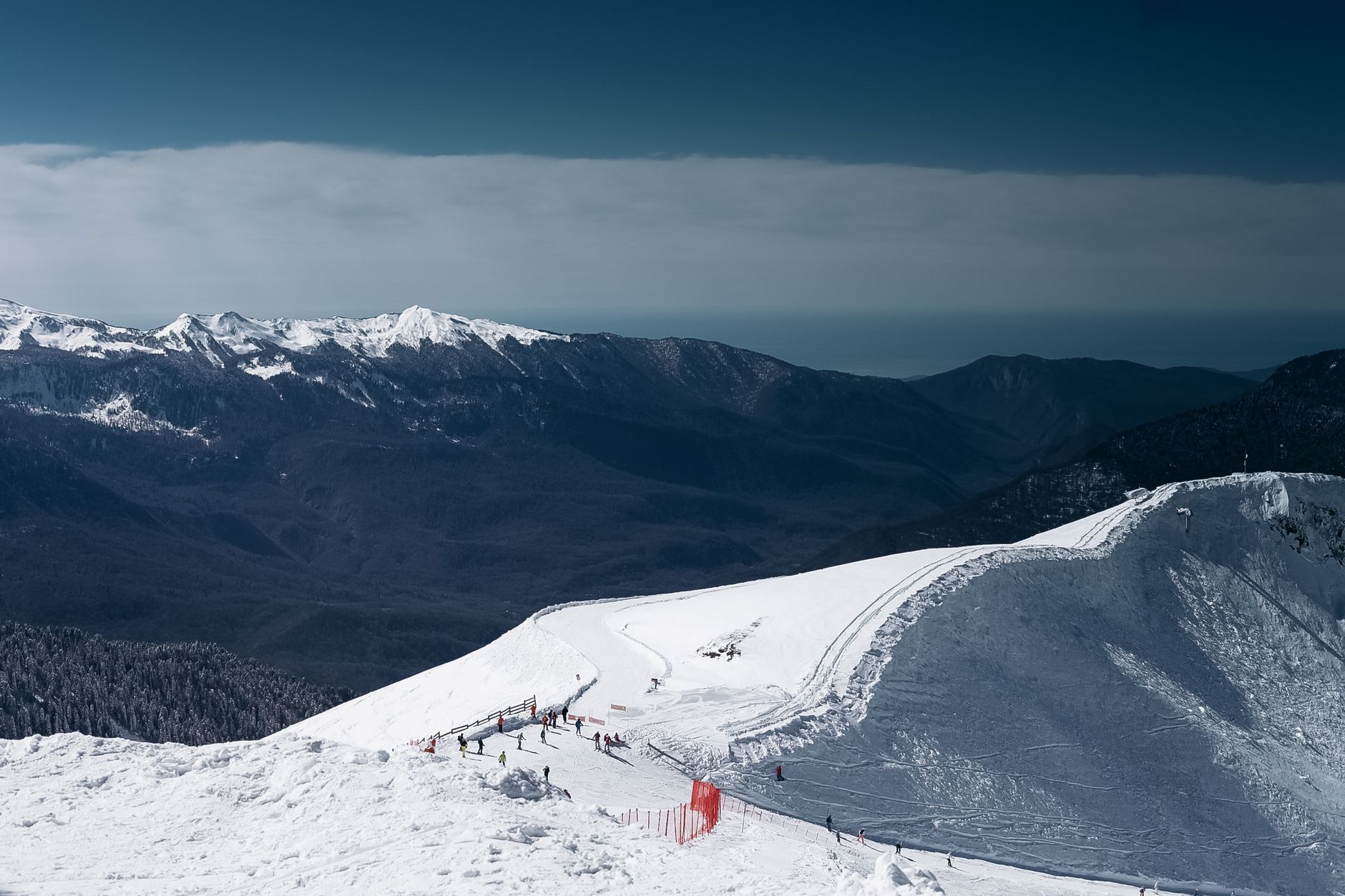
Off-piste skiing demands a blend of precision, adaptability, and respect for the mountains that I've honed over 15 years guiding freeriders through the Alps. From the powdery bowls of Chamonix to the steep couloirs of La Grave, I've seen beginners transform into confident adventurers by mastering these techniques. It's not about reckless speed; it's about reading the snow, controlling your line, and staying one step ahead of the terrain. In my experience, the key is building a solid foundation in controlled environments before venturing into the unknown.
What I tell my students in Innsbruck is that off-piste isn't a separate skill set—it's an extension of piste technique, amplified by variable conditions. Powder can forgive mistakes, but crust or ice won't. I've tested countless lines where a slight shift in weight saved a slide, and others where ignoring the slope angle led to trouble. Safety starts with knowledge: always carry an avalanche transceiver, shovel, and probe, and consider hiring a mountain guide for unfamiliar terrain. With the right approach, off-piste opens up a world of pure skiing joy.
Let's break it down step by step. I'll draw from routes like the Vallée Blanche in Chamonix or the off-piste runs off the Nordkette in Innsbruck, where I've taught hundreds to navigate everything from deep powder to wind-packed ridges. Focus on these fundamentals, and you'll ski off-piste with the confidence that comes from experience.
Before you drop in, assess the mountain like a chess player studies the board. In my years freeriding in Verbier, I've learned that terrain dictates everything—slope angle, aspect, and recent weather. A 35-40° slope might hold stable powder in the morning, but by afternoon, solar warming on a south-facing aspect can turn it into slush. Use your eyes and, if possible, a snow profile to check layers; I've dug pits on the Mer de Glace to reveal weak interfaces that saved groups from slides.
What I emphasize to students is identifying safe entry points. Look for convex rolls that could trigger avalanches—avoid them. In St. Anton, we practice pole-planting to probe depth while traversing, feeling for rocks or hidden crevasses. Always ski with a partner who has transceiver training; practice searches weekly if you're serious. Remember, off-piste starts with stopping: plant your uphill ski across the fall line and sidestep if unsure. This pause can mean the difference between a great run and a rescue.
For technique, begin with wide traverses to test snow consistency. I've found that on 180cm skis with a 120mm waist, like the Atomic Bent Chetler, you get better float without sacrificing edge hold. Adjust your speed to match the terrain—slow for unknown sections, building rhythm as you commit.
Your equipment is your lifeline off-piste, and I've dialed in setups across the Dolomites and Pyrenees to handle everything from blower powder to boilerplate ice. Start with skis wider than piste models: I recommend 110-130mm waists for versatility, such as the Salomon QST 121, which I've pushed through 50cm dumps in Engelberg. Length matters—go 5-10cm over your height for stability on uneven terrain, with a turn radius around 20-25m to link turns fluidly on 30° pitches.
Bindings are non-negotiable: set DIN to 8-12 for intermediates, higher for experts, and always get a professional adjustment. I've seen improper settings eject skis mid-fall on rocky couloirs, turning a tumble into injury. Add tech bindings like the Marker Baron for touring access to off-piste zones. Boots should be at least 110 flex, with walk mode for bootpacking short sections—brands like GetSki offer reliable models that balance downhill power and uphill mobility.
Don't overlook the avalanche kit: a 200-300g transceiver like the BCA Tracker4, set to transmit and practiced in search mode. Pair it with a 240cm probe and a metal shovel. Helmets are standard; I've mandated them since a close call in La Grave. Layer clothing for variable microclimates—breathable base, insulating mid, and waterproof shell. This gear isn't optional; it's what gets you home safely after pushing lines like Mt. Eclipse's east face.
| Gear Item | Recommended Spec | Why It Matters for Off-Piste |
|---|---|---|
| Skis | 110-130mm waist, 180-190cm length, 20-25m radius | Float in powder, edge on hardpack; stability on variable terrain |
| Bindings | DIN 8-12, tech inserts for touring | Secure release on falls, access to backcountry gates |
| Avalanche Transceiver | 457kHz frequency, 200-300g weight | Quick location in burial scenarios; multiple burials capability |
| Boots | 110+ flex, walk mode | Power for control, flexibility for hiking or probing |
| Helmet | MIPS technology, adjustable fit | Protection against rocks, trees, and falls in uncontrolled areas |
Off-piste throws curveballs—undulations, wind lips, hidden rocks—so your stance must adapt. I've taught this in Innsbruck's powder fields: knees flexed at 120°, ankles forward to pressure the tips, and hands out front like holding a tray. This centered position, what I call the "ready athlete" stance, keeps your center of mass low over the skis, crucial on 40° slopes where a backseat fall line can send you tumbling.
In practice, on routes like the White Valley near Chamonix, focus on dynamic balance. Weight 55% on the front foot, shifting smoothly between turns. I've found that in deep snow, a slight retraction—pulling your legs up at transition—helps initiate the next turn without skidding. Avoid locking your core; stay athletic to absorb chatter from crud. For women or lighter skiers, shorten skis to 170cm to maintain control without overpowering the gear.
Safety note: fatigue kills balance. Take breaks every 500 vertical meters, hydrate, and watch for signs of cold exposure. If you're new, start on 20-25° pitches to build this muscle memory before steeper stuff.
Powder skiing is about rhythm, not force. In Verbier's bowls, I guide students to open turns: initiate with a pole plant downhill, unweight the skis by extending your legs, then smash them flat to plane on the surface. With 125mm-waist skis like the DPS Pagoda, this creates spray and momentum—aim for 15-20m turn radii to link without stopping.
Variable snow demands versatility. In wind crust, like on Engelberg's Titlis, use a skidded up-unweight: tip the skis early, pressure the outside edge at apex, and release uphill. I've refined this on 35° faces where ice patches lurk; it prevents chatter. For moguls off-piste, absorb with your legs—shorten to 100cm radius turns, keeping speed consistent at 20-30 km/h to flow over bumps rather than fight them.
Always scout: pole ahead for depth changes. If conditions turn icy, traverse to softer snow—I've avoided pins by doing just that in the Pyrenees. Technique evolves with snow; practice in soft stuff first to build confidence.
Steep couloirs like La Grave's Terminale test your precision—40-50° angles with no room for error. What I tell my advanced students is to ski them short: quick pole plants every 3-5m, stemming the inside ski to check speed. On 185cm twin-tips, drop your hips low, using the tails to pivot out of line if needed. Speed control is king; sideslip sections if it's steeper than 45° and ungroomed.
In narrow chutes, such as those off Chamonix's Aiguille du Midi, focus on upper-lower body separation: shoulders facing downhill, legs carving a tight line. I've skied lines with 2m widths by hopping turns—unweight sharply, twist the waist, and land centered. Rocks demand 80% forward lean to avoid catching edges.
Safety is paramount here: rope up for crevassed approaches, and carry a radio for heli access. Hire a guide for first descents; I've seen solo attempts go wrong fast. Build to these by starting on 30° groomed steeps, progressing to natural lines.
Off-piste technique means nothing without avalanche smarts—I've led courses in Innsbruck stressing the "stop, assess, proceed" rule. Check bulletins daily; in the Alps, apps like 3:00 provide real-time data. Slope angle over 30° in recent storm snow is red-flag territory. I've turned back groups on Verbier ridges when wind slabs formed, averting disaster.
Decision making: space out in groups of three, one skis while others watch. Use transceivers on transmit, and practice companion rescue drills—aim for 5-minute burials. What I drill is exposure management: stick to low-angle terrain below 25°, avoid gullies that funnel slides. If digging a pit, test shear with a compression test at 30cm depth.
For technique integration, ski conservatively: one at a time on suspect slopes, regrouping to reassess. Training is essential—take an AST1 course. In my experience, this mindset turns potential risks into rewarding lines, like safe descents on St. Anton's exposed faces.
Q: What's the minimum experience needed for off-piste skiing?
A: Solid blue-run confidence on piste, plus avalanche basics. Start with guided tours; I've seen intermediates progress quickly but never rush steeps.
Q: How do I choose skis for off-piste versus piste?
A: Go wider (110mm+ waist) for float; piste skis are too narrow. Test in soft snow first—I've swapped students to 120mm models for better control.
Q: Is off-piste safe without a guide?
A: Not recommended for beginners. Carry full kit and know your terrain, but guides provide route knowledge I've relied on in unknowns like the Dolomites.
Q: How often should I practice avalanche drills?
A: Weekly in season. Transceiver searches take 10 minutes; I've built team trust through regular sessions before big days.
Q: What if I encounter rocks or trees off-piste?
A: Slow down, use short turns, and absorb impacts with flexed knees. Skis with rockered tips, like 22m radius models, help glide over obstacles.
Q: Can I off-piste alone?
A: Strongly advise against it. Partners enable rescues; solo, your odds drop. I've always skied with spotters on exposed lines.
Q: How does weather affect off-piste technique?
A: Wind hardens snow—shorten turns; warmth softens it—lengthen for float. Monitor forecasts; I've adjusted plans mid-morning in Chamonix for safety.
Leave a request and we'll send a personal offer for your dates. One window instead of ten tabs — gear, transfer and car sorted and confirmed in advance.