Night skiing offers a unique way to extend the skiing day in the Alps, with illuminated slopes allowing access after sunset. This activity typically runs from early evening until around 10 p.m., depending on the resort. In 2026, expect similar schedules as in previous years, with operations starting in mid-December and continuing through March or early April, weather permitting. Resorts invest in floodlights and snowmaking to maintain quality, attracting skiers who want to maximize their time on the mountain.
The Alps span multiple countries, providing diverse options for night skiing. France, Austria, Switzerland, and Italy host the most developed setups, often featuring groomed runs suitable for intermediates and beginners. Advanced terrain is less common at night due to safety concerns. Prices for night skiing passes vary, generally ranging from 20 to 45 EUR per session, with some resorts offering bundled day-and-night tickets for 60-80 EUR.
For 2026, check resort websites for exact dates, as schedules can shift based on snow conditions. Popular spots like those in the French Alps near Chamonix (coordinates 45.9237° N, 6.8694° E) or Austrian Tyrol see high demand, so book lifts in advance if possible.
France leads in night skiing infrastructure, with over 50 resorts offering illuminated runs. In 2026, expect sessions from 5 p.m. to 9 p.m. on weekdays and slightly longer on weekends. The total length of night slopes exceeds 200 km across the country, focusing on accessible blue and red runs.
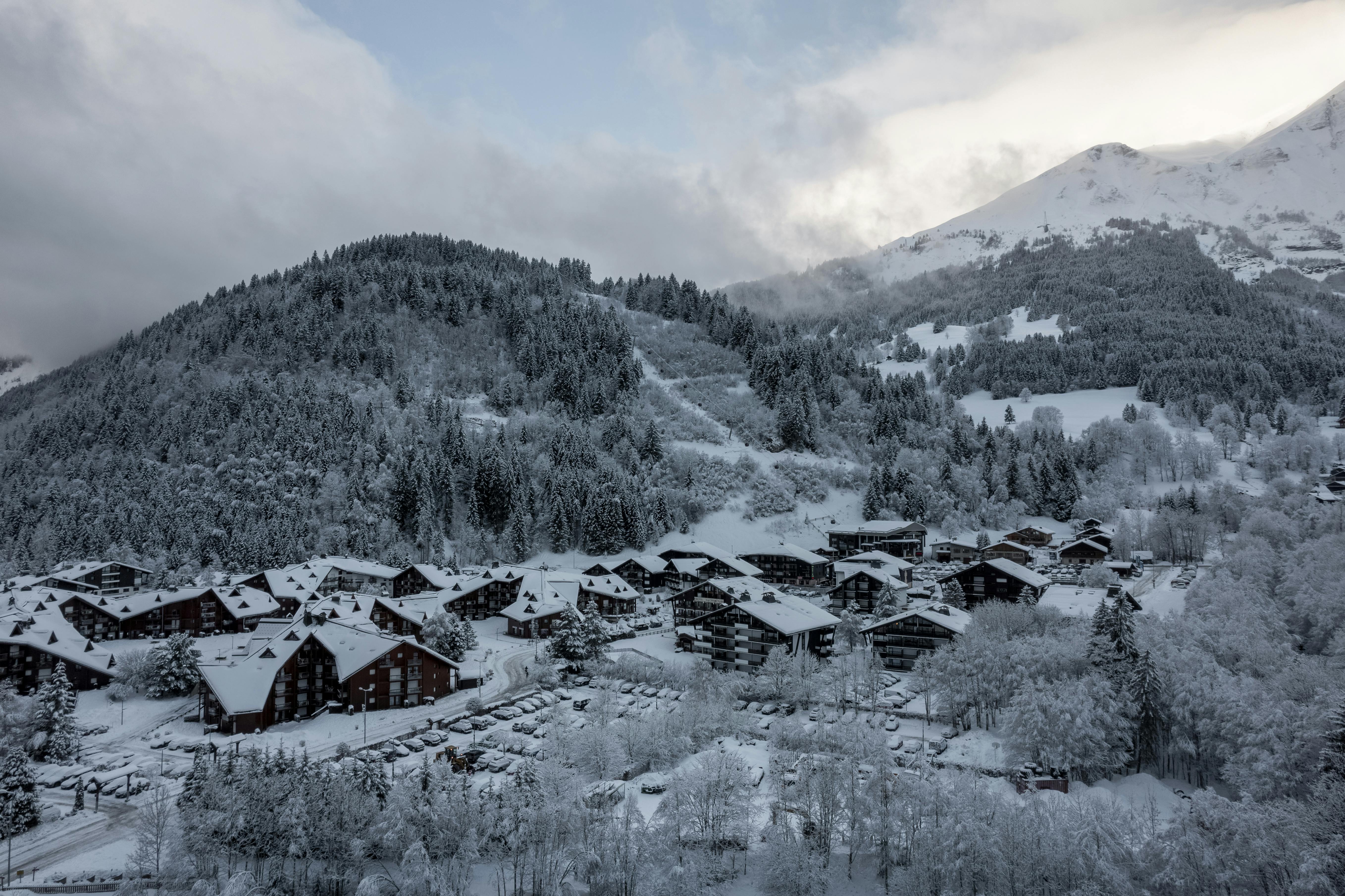
Located at the foot of Mont Blanc (45.9237° N, 6.8694° E), Chamonix provides 5 km of night skiing on the Brévent-Flégère area. The runs, lit from 7 p.m. to 10 p.m. three nights a week starting December 2026, include the easy Verte des Houches and intermediate Combe des Bossons. A night pass costs 28 EUR for adults, with family options at 20 EUR per person. Access is via the Brévent cable car, a 12-minute ride from town.
In the Paradiski domain (45.6090° N, 6.7728° E), Les Arcs lights up 3 km of slopes around Arc 1800. From mid-December 2026, skiing runs Tuesday to Saturday until 9 p.m., featuring the gentle Plan des Rapeurs run. Passes are 25 EUR, or 55 EUR combined with daytime access. The village sits at 1,800 meters elevation, 200 km from Geneva Airport.
Europe's highest resort at 2,300 meters (45.4207° N, 6.5844° E) in the 3 Vallées offers 4 km of night skiing on the Péclet and Moutière runs. Illuminated from 8 p.m. to 11 p.m. on Fridays and Saturdays in 2026, it's ideal for intermediates. Night tickets cost 35 EUR, with snow cannons ensuring coverage through April. The resort is 180 km from Chambéry Airport.
Austria's Tyrol and Salzburg regions host vibrant après-ski scenes that pair well with night skiing. In 2026, most operations will run December to mid-April, with lights on from 6 p.m. to 10 p.m. Austria features around 150 km of night slopes, often with live music at base areas. Prices range from 22 to 40 EUR per evening.
Near the Swiss border (46.8889° N, 10.2653° E), Ischgl illuminates 10 km of runs, including the challenging Fimbapiste. Sessions start early December 2026, running daily until 11 p.m. during peak weeks. A night pass is 38 EUR, or included in the 68 EUR day-night combo. The resort, at 1,400 meters, is 120 km from Innsbruck Airport and known for its Silvester night skiing event on December 31.
Home to the Ötztal Arena (46.8750° N, 10.9761° E), Sölden lights 8 km of slopes on Gaislachkogl. From late November 2026, skiing occurs Tuesday to Sunday until 10 p.m., with red runs like Schalben and black Gaislachkogl dominant. Tickets cost 32 EUR for night only. At 1,377 meters elevation, it's 80 km from Innsbruck.
This Arlberg gem (47.1303° N, 10.2600° E) offers 6 km of night skiing on the Rendl side. Illuminated Wednesdays and Saturdays from 7 p.m. to 10 p.m. in 2026, it includes the family-friendly Rendlspitz run. Passes are 29 EUR, with the full area accessible via the 1,500-meter lift. The village is 100 km from Innsbruck Airport.
Switzerland emphasizes precision and scenery, while Italy adds Mediterranean flair. Combined, they provide over 100 km of night slopes for 2026, with sessions typically 5 p.m. to 9 p.m. Costs are higher in Switzerland, at 30-50 CHF (about 32-53 EUR), and 20-35 EUR in Italy.
Under the Matterhorn (46.0208° N, 7.7480° E), Zermatt lights 5 km on the Sunnegga Paradise. From December 2026, runs operate Monday to Saturday until 8:30 p.m., featuring the easy Leisee loop. Night tickets are 45 CHF, car-free access via cogwheel train from the 1,600-meter village. It's 210 km from Geneva, with Gornergrat views at night.
In the 4 Vallées (46.0990° N, 7.2280° E), Verbier illuminates 4 km around Médran. Sessions run Fridays until 10 p.m. in 2026, with intermediate Savoleyres runs. Passes cost 40 CHF. At 1,500 meters, it's 160 km from Geneva Airport.
In the Dolomites (46.5384° N, 12.1360° E), Cortina offers 7 km of night skiing on Tofana. From mid-December 2026, lights are on Tuesdays and Fridays until 10 p.m., including the scenic Cristallo run. Tickets are 25 EUR, with the 1,220-meter village 140 km from Venice Airport. Expect Italian hospitality at slope-side rifugios.
Nestled in the Brenta Dolomites (46.0892° N, 10.8850° E), this resort lights 3 km on Grosté. Operations in 2026 include weekends until 11 p.m., with blue runs for all levels. Night passes are 22 EUR. At 1,550 meters, it's 100 km from Verona.
Night skiing demands extra caution due to reduced visibility. Wear high-visibility clothing and ensure your gear fits well. Helmets are mandatory at many resorts, and lights on poles can help. Check weather forecasts, as cold snaps in the Alps can drop temperatures to -10°C in January 2026.
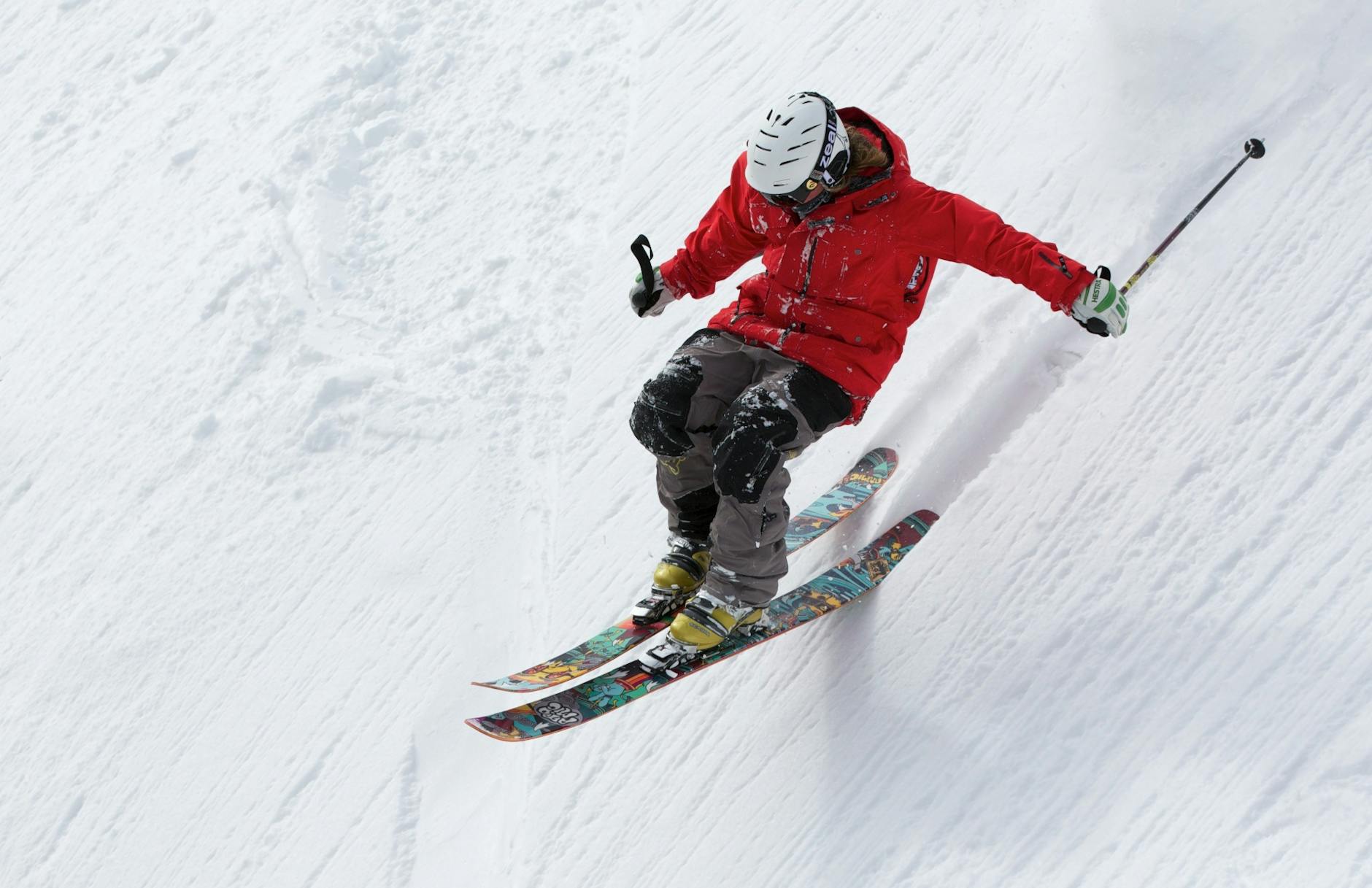
Opt for wider skis for better control on groomed night runs; brands like Salomon or Atomic offer models starting at 400 EUR. Headlamps (20-50 EUR) add safety, and thermal layers from The North Face keep you warm. Rent at resorts for 25-40 EUR per day if needed.
Follow marked runs only—off-piste is closed at night. Resorts like Ischgl patrol with snowmobiles. Alcohol limits apply; most enforce a zero-tolerance policy for lift operators. Arrive 30 minutes early to avoid queues, and ski with a buddy.
Book accommodations near lift bases for convenience; options range from 100-300 EUR per night in chalets. Combine night skiing with day sessions for full coverage—many resorts offer multi-day passes from 200-350 EUR for a week. Travel via trains in Switzerland (SBB network) or shuttles in France (from 50 EUR one-way).
In 2026, peak night skiing falls December 20 to January 5 and February 1 to March 15. Expect 20-30 EUR for basic night access, rising to 50 EUR in high-end spots like Zermatt. Group deals can save 10-20%. Monitor apps like Snow-forecast for updates.
After skiing, enjoy fondue in Verbier or concerts in Sölden. Distances between resorts are manageable—Chamonix to Les Arcs is 150 km via A430 highway. For families, choose spots like Madonna di Campiglio with kids' night programs.
Resources like GetSki can assist with rentals and guides to streamline planning.
Sessions usually start at 5 p.m. or 6 p.m. and end between 9 p.m. and 11 p.m., varying by resort and day. Weekends often extend later, with operations from mid-December to late March.
Yes, many resorts like Les Arcs and Cortina focus on easy blue runs under lights. However, stick to groomed paths and consider lessons, which cost 40-60 EUR per hour.
Expect 20-45 EUR for a single night pass, with day-night combos at 50-80 EUR. Prices are similar across countries, though Swiss spots use CHF equivalents.
Most resorts allow children from age 5, but under-12s need adult supervision. Free or discounted passes apply for kids under 8 in places like St. Anton.
Resorts like Zermatt offer refunds or credits for the next day. Check apps or resort hotlines 24 hours in advance, and have indoor alternatives like spa visits planned.
Leave a request and we'll send a personal offer for your dates. One window instead of ten tabs — gear, transfer and car sorted and confirmed in advance.