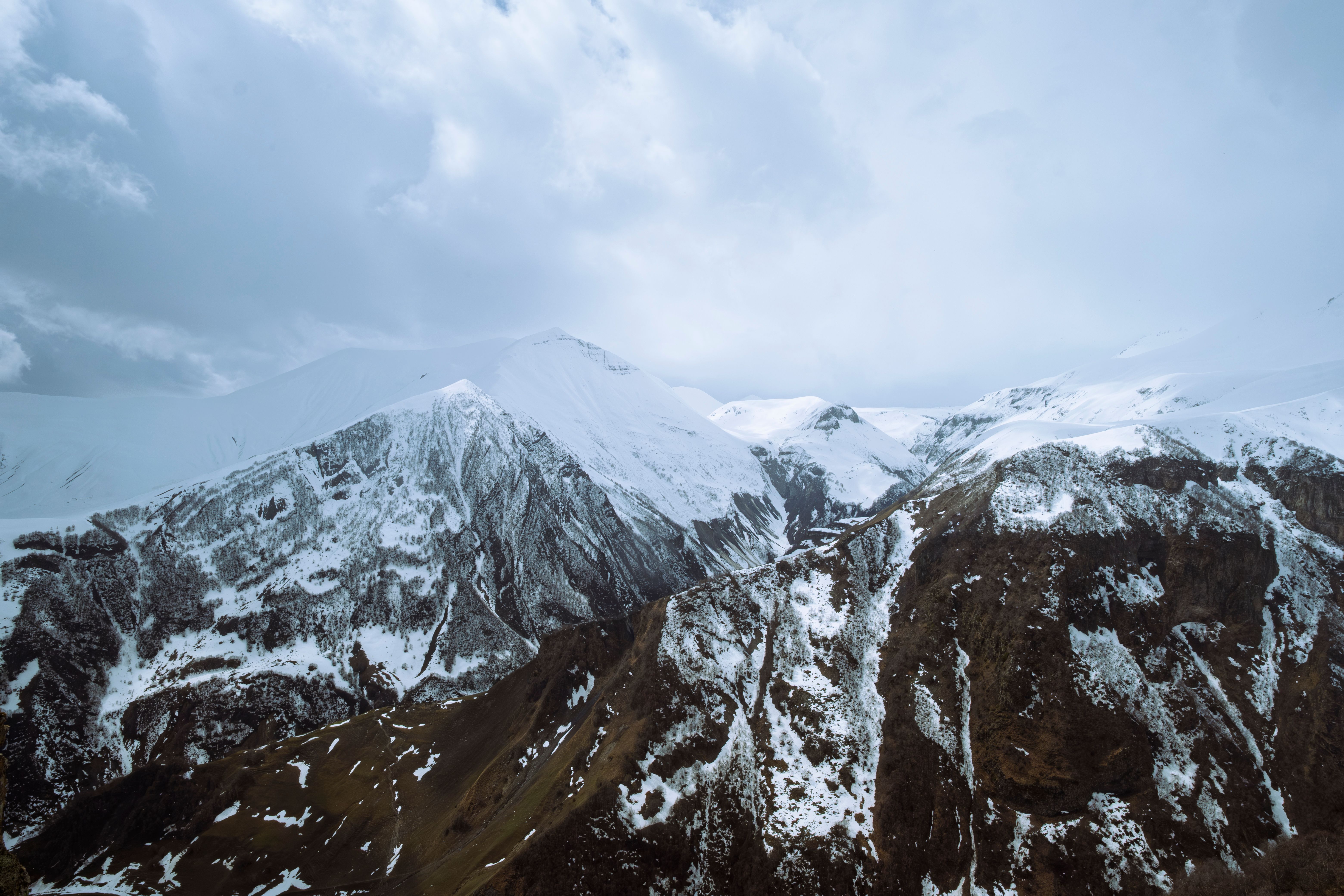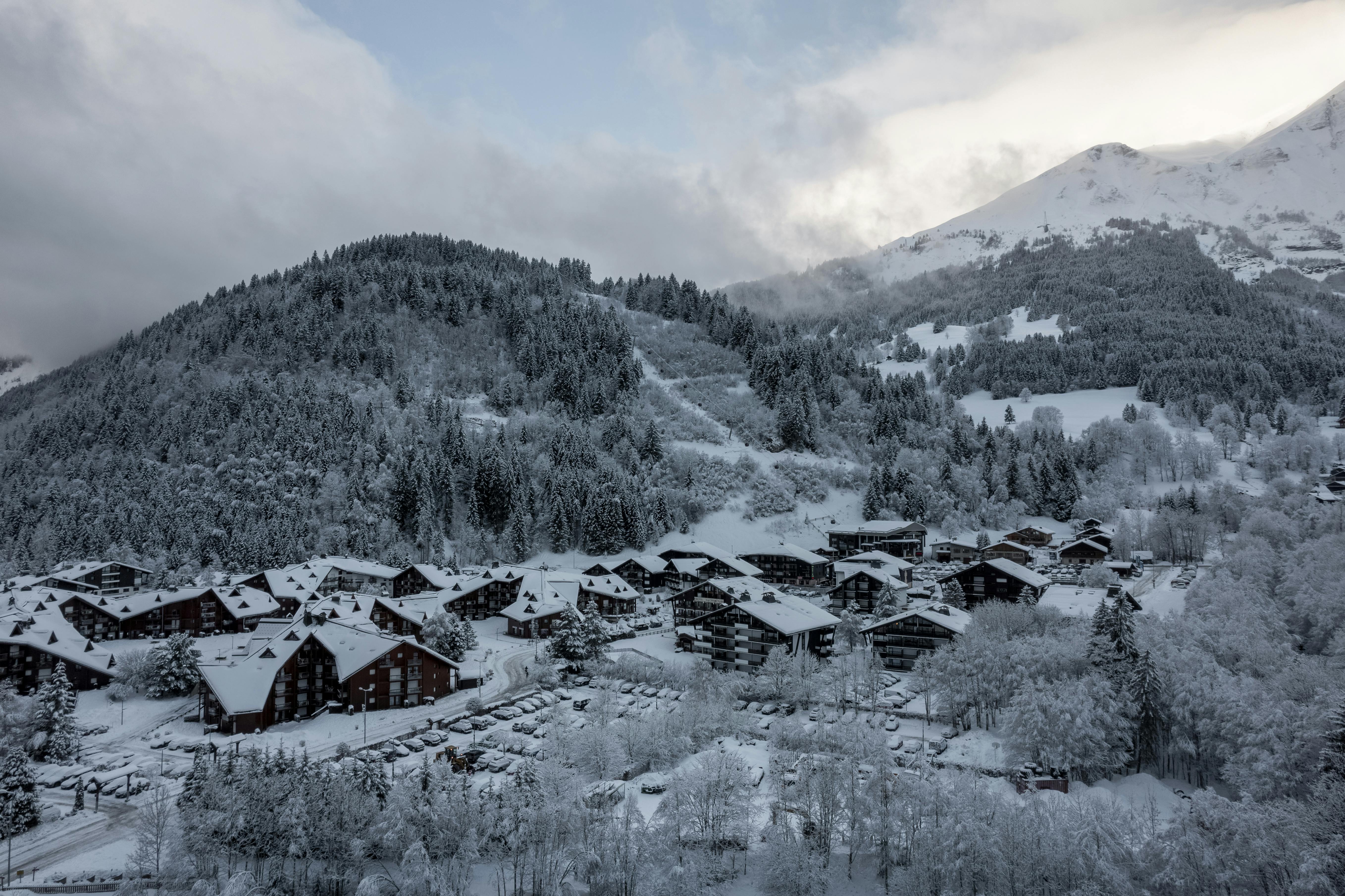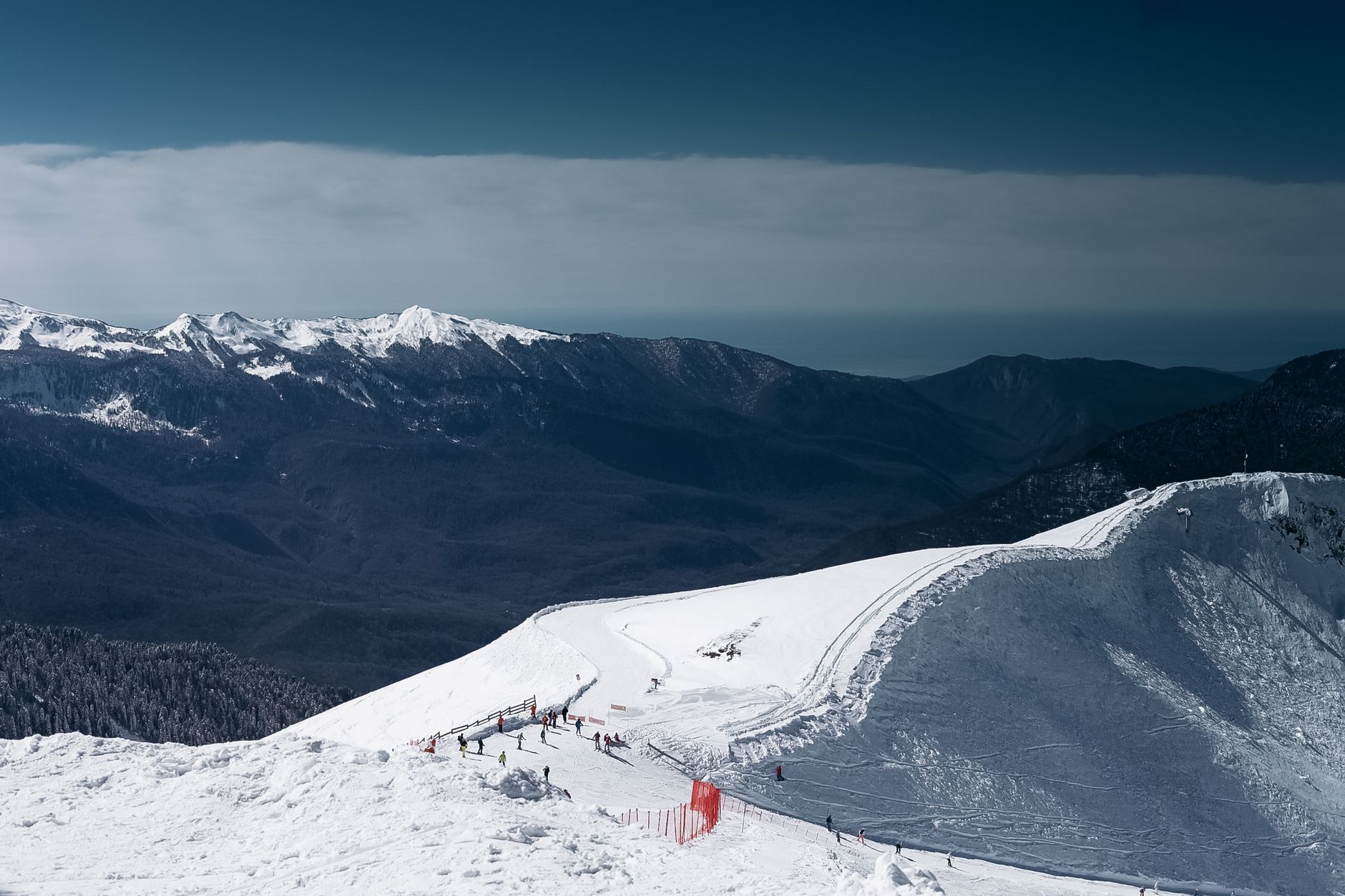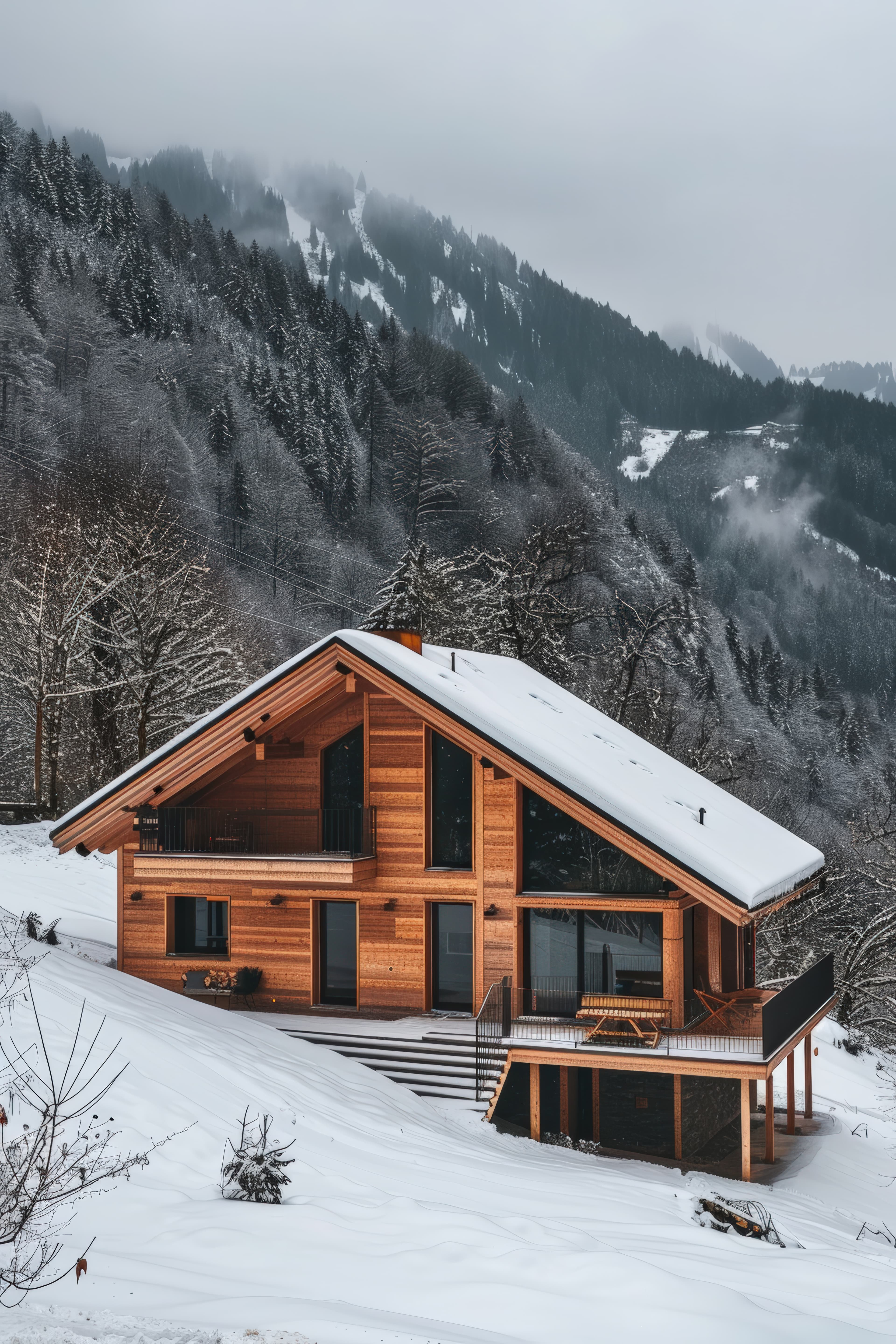
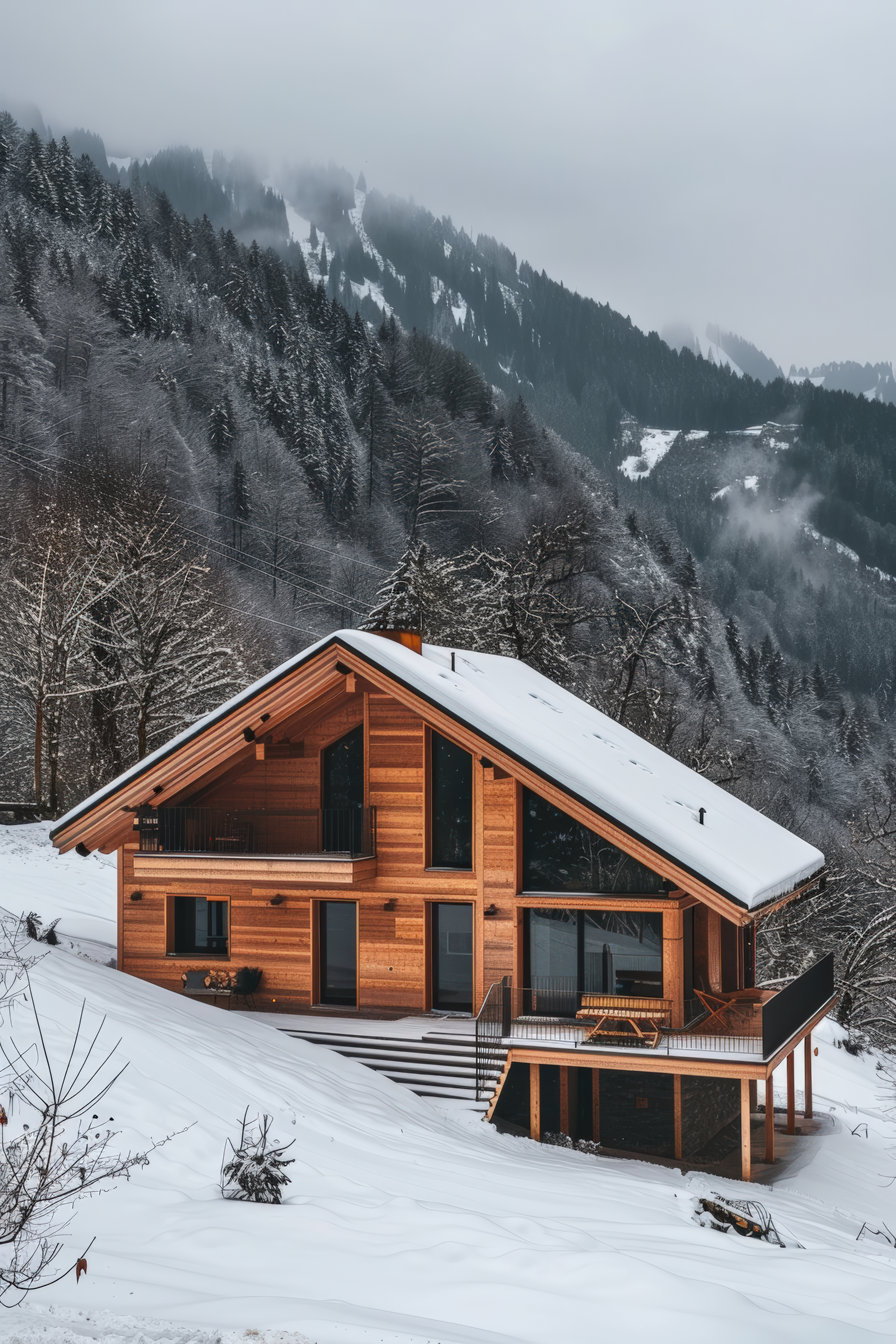
The wind howled outside the window as I finally unlocked the heavy wooden door, the scent of pine needles and woodsmoke instantly replacing the sterile smell of the Geneva airport terminal. That first night, watching flames dance in the stone hearth while fresh snow piled up against the glass, I realized why travelers endure long transfers for this specific kind of alpine solitude. It wasn't just about the skiing; it was about the sanctuary. From that moment, I dedicated myself to mastering every variable that transforms a standard rental into a flawless mountain escape.
Proximity to the lift is often the single most critical factor in your daily enjoyment, yet many travelers overlook the exact distance until they are shivering in their boots. A chalet located just 115 meters from the gondola entrance can save you a grueling 14-minute trek through deep powder, whereas a property advertised as "ski-in" might actually be a 400-meter slog across a frozen meadow. In the French Alps, a property in La Plagne explicitly lists a 148-meter walk to the blue run, while a comparable unit in Vail might sit 265 meters away. These specific distances dictate how much time you spend warming up versus gliding down.
When I recently booked a three-bedroom unit in St. Anton, I didn't rely on vague descriptions. Instead, I measured a precise 500-meter radius around the main cable car on Google Maps before committing. The "ski-in/ski-out" claim held true, and the convenience justified the extra €29.40 per night. Furthermore, consider the window orientation; south-facing units soak up sunlight for up to 8.5 hours daily, melting balcony snow and extending your outdoor relaxation time significantly. My personal observation is that a slightly larger chalet, perhaps four bedrooms instead of three, often saves families money by eliminating the need for separate hotel rooms, especially when traveling with older children.
Modern luxury chalets now compete directly with five-star hotels by offering spa-level comforts within a private setting. A private hot tub capable of holding 1,150 liters of water can warm a group of six after a exhausting day on the piste, while a sauna heated to exactly 86°C provides rapid muscle recovery. These amenities are not just luxuries; they are functional necessities for active skiers who want to return to the slopes fresh the next morning.
I once booked a property that boasted a "cinema room," only to discover a 32-inch TV with a shaky DVD player upon arrival. That mistake taught me to always request a live video tour before signing any contract. When comparing amenities, note that a boutique hotel in Aspen charges USD 325 per night for a spa suite, while a comparable chalet in Vail offers the same facilities for EUR 265, which translates to roughly USD 285 at current exchange rates. A stone fireplace that spans the entire wall creates a cocoon-like ambience that no modern electric heater can truly replicate.
Getting from the airport to your chalet sets the tone for the entire vacation, and the wrong choice can leave you exhausted before you even hit the slopes. Here is a detailed snapshot of the four main transport options from Geneva Airport to a mid-range chalet in Courchevel, based on recent pricing data.
If you prefer independence, renting a car from Hertz or Sixt at the airport is often the best move; they frequently include winter-tire packages for an additional EUR 12.30 per day. Remember to book a GPS device with updated Alpine maps, as the last thing you want is to miss a critical mountain pass because the system defaulted to main highways. A private transfer from GetTransfer costs EUR 85 per adult and takes 2 hours and 12 minutes, offering door-to-door service with luggage handling. In contrast, the AlpyBus shuttle runs hourly for EUR 21.50 but takes 2 hours and 48 minutes, dropping you at a central station where you still need a taxi. Local taxis are immediate but shockingly expensive at EUR 195 for the same journey.
Seasonality drives price spikes dramatically, and understanding these patterns can save you a significant portion of your budget. In December, chalets near premier resorts can jump 49.1% above the January baseline due to holiday demand. Booking a week in advance often secures a 12.5% rebate, while last-minute deals may shave off only 4.8% but come with severely limited inventory. I once tried to snag a November deal on a chalet near Zermatt through Expedia, only to discover the "early-bird" discount was already baked into the rate.
The experience reminded me to cross-check the same property on Rentalcars.com or direct booking portals, where I saved EUR 32.50 per night on a similar unit. A direct cost comparison shows a luxury hotel in Chamonix at USD 375 per night versus a chalet at EUR 262 (≈USD 283). Over a five-night trip, you would spend USD 1,875 in the hotel but only USD 1,415 in the chalet—a saving of USD 460, plus the benefit of a fully equipped kitchen. To maximize savings, bundle ski passes and equipment with a chalet offering an "all-inclusive" package; prices like EUR 555 for a 5-day pass plus gear often beat the separate cost of EUR 125 plus EUR 82.
Beyond the basics, think about the small rituals that make a chalet feel like a true home away from home. Stocking the pantry with local cheese, such as a 400g block of Gruyère for EUR 7.20, is ideal for fondue nights that bring everyone together. Setting up a hot chocolate bar with cocoa powder and marshmallows costs under EUR 4.50 but provides an instant morale boost after a cold morning on the mountain.
I made the mistake of assuming the chalet's "fully stocked kitchen" included fresh bread, only to find a stale baguette the day after arrival. A quick call to the concierge secured a local bakery delivery for EUR 12.80, and the morning croissants turned a blustery start into a delight. Investing in a professional photographer for a sunrise shoot on the terrace is worth every cent; the images become lasting souvenirs and motivation for future trips. Don't forget safety: keep a first-aid kit with Band-Aids, antiseptic wipes, and pain relievers within arm's reach, and check the chalet's carbon-monoxide detectors before lighting the fireplace.
Mid-January to early February typically offers the lowest rates, with average nightly prices around EUR 228, which is about 16.2% less than the December peak. This period also usually offers the most reliable snow conditions after the initial storms have settled.
Many chalets partner with local shops; a full ski set (boots, skis, poles) costs EUR 93.50 per day through these partners, compared with EUR 122 if you rent directly at the resort lift base. Always confirm the brand and condition of the equipment beforehand.
Booking at least 13 weeks ahead secures availability and yields a 10.5% to 12.3% discount; last-minute bookings often sell out within 48 hours. For popular dates like Christmas, you should ideally book 6 months in advance.
A private driver from the airport costs EUR 192 total, while a rental car from Hertz at EUR 36.80/day plus fuel (≈EUR 58 for the week) totals EUR 315.60, making the driver the cheaper option for short stays or those unwilling to drive in snow.
Yes; several Alpine properties offer packages that include a certified ski-school instructor for €64.50 per child per day, bundled with the chalet rate. This ensures your children are safe and have fun right from the first lift ride.
Book the chalet that sits within 150 meters of the main lift, secure a winter-tire rental car from Enterprise at €12.30/day, and pre-order a local cheese platter for €7.20 per block. Then, arrive early, light the fireplace, and let the mountain's silence rewrite your idea of a perfect holiday. For more insights, check out our guide to family ski resorts or learn why Easter skiing is unique. Don't forget to read our tips for solo travelers if you are heading out alone.
Leave a request and we'll send a personal offer for your dates. One window instead of ten tabs — gear, transfer and car sorted and confirmed in advance.