Start with a tailored plan: booking a guided, day-by-day route with blues-focused runs to build confidence before tackling higher elevations.
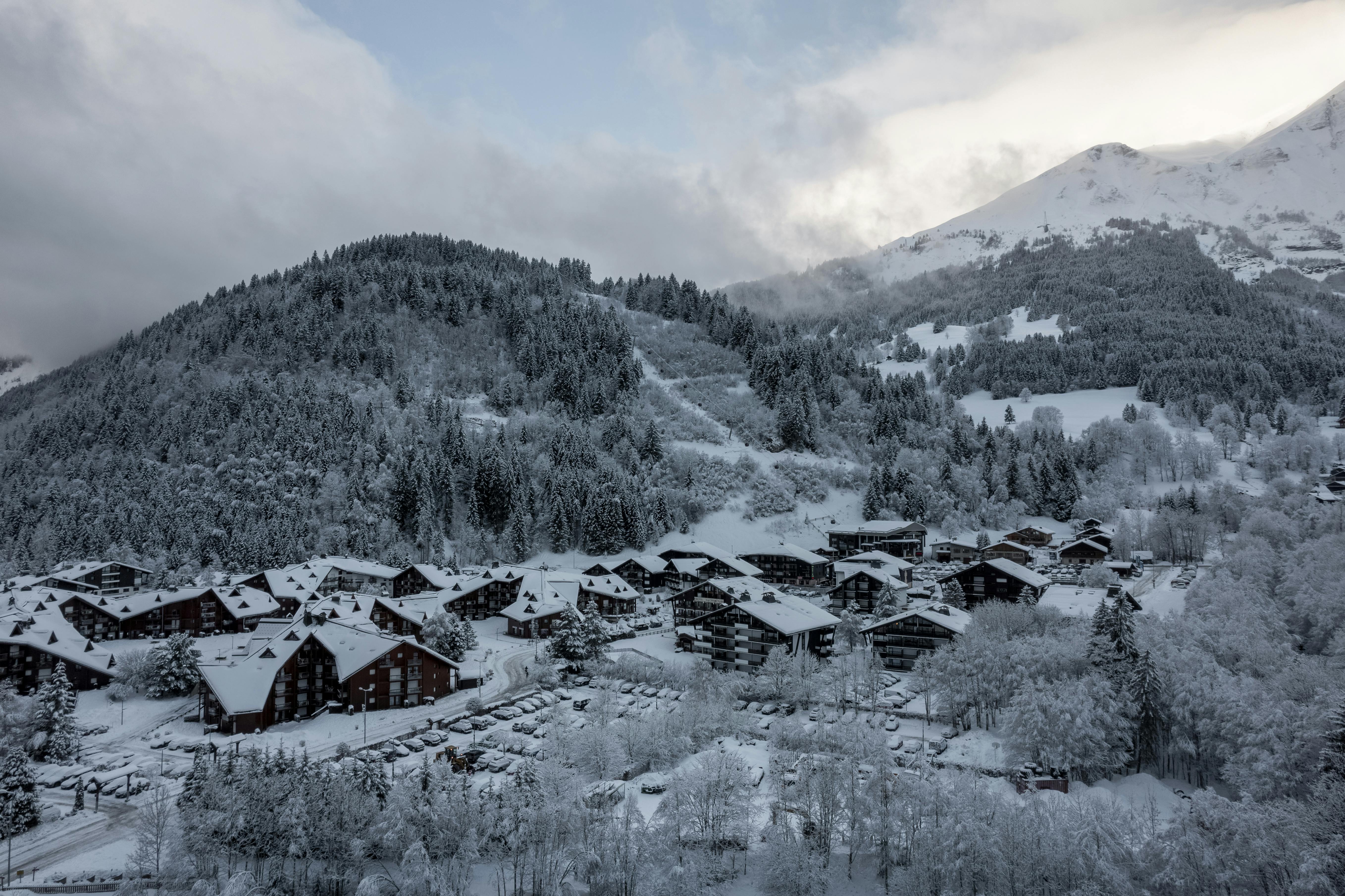
Situated in the heart of the Tarentaise, this cluster of villages offers about 225 km of pistes and a transport network that links plagne hubs with lifts, gondolas, and pedestrian zones, enabling smooth movement for a tourist crowd and groups alike.
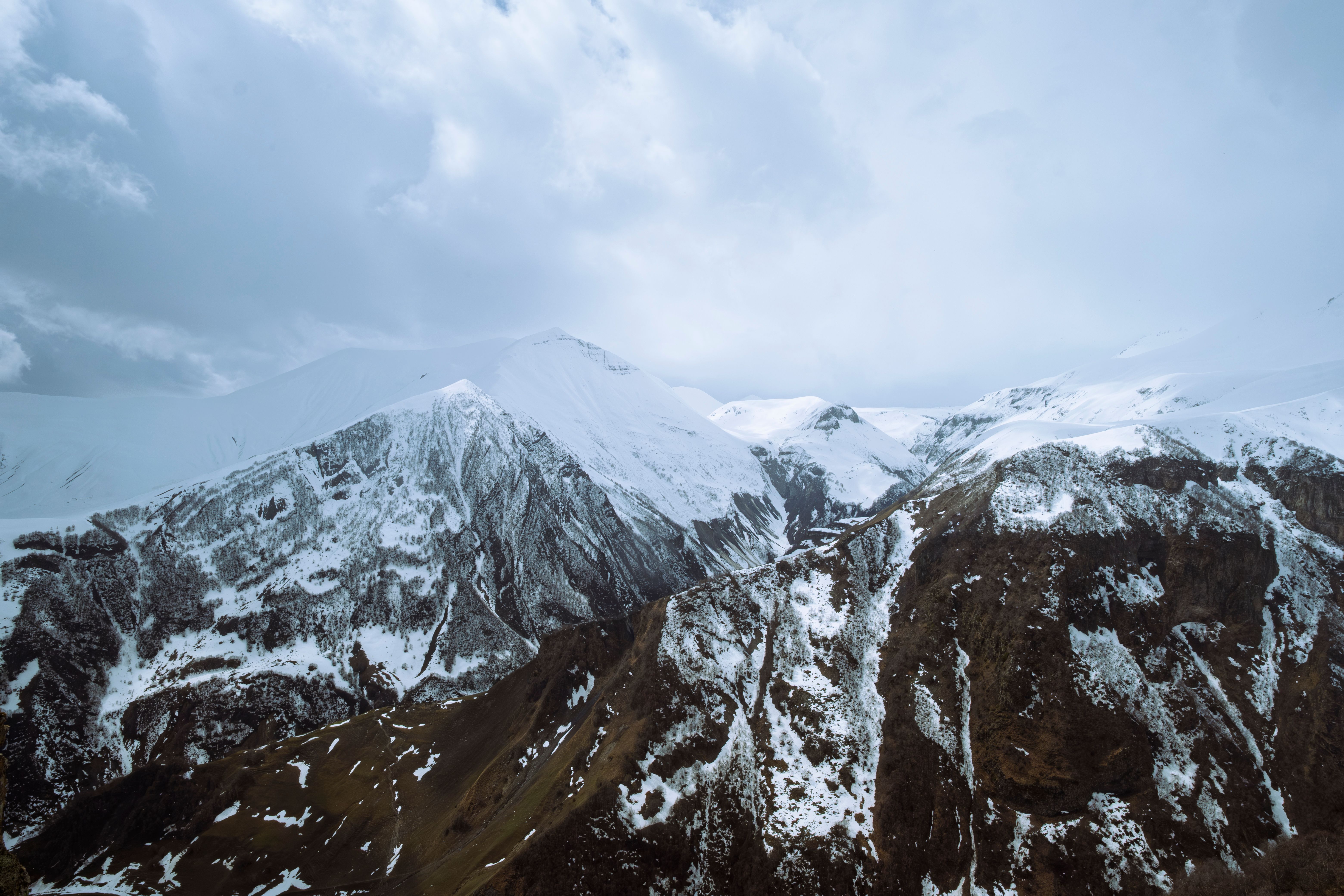
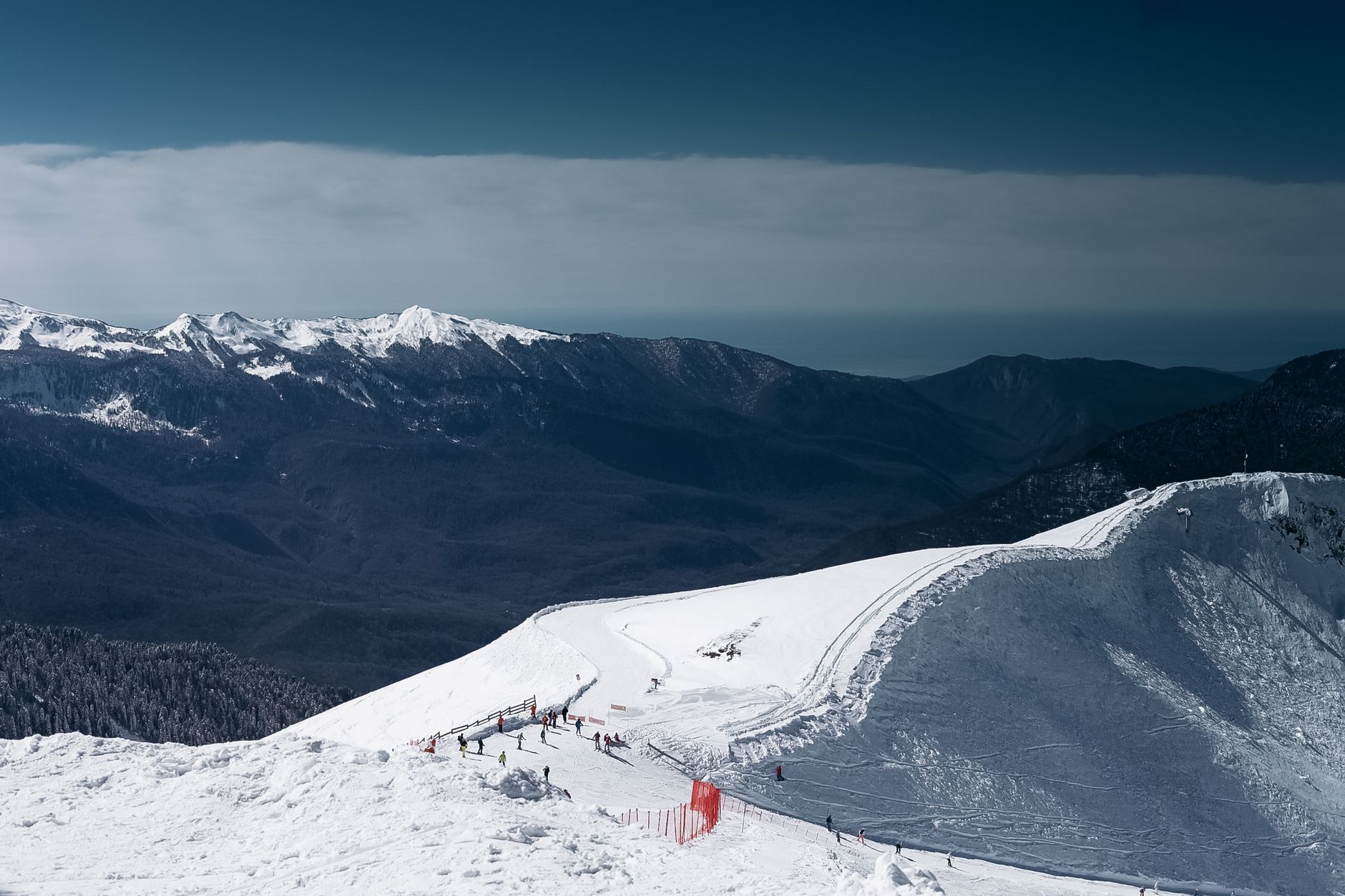
For débutant riders, a majority of pistes deliver blues-grade comfort, while roche rock outcrops and towering cliffs provide a breathtaking backdrop; a gondola ascent reveals wide, sunlit terraces and panoramic views.
Choose among offers designed for varied interests: multi-day passes, private coaching, and tandem experiences that pair newcomers with seasoned instructors; booking ahead helps secure preferred time slots and avoids overbookings; these options vary much by season.
Transport options are strong: rail access via Bourg-Saint-Maurice connects to a dense transport network; car-free village centers offer pleasant walks for pedestrians; for groups, a coordinated transfer plan saves time and money.
Snowfall patterns support reliable conditions from winter into spring, with lower runs staying accessible after storms; always check live conditions and weather forecasts before heading out, and keep a flexible plan to adapt to wind or visibility.
Please note that this alpine cluster suits tourist crowds seeking variety, with easy transfers, a mix of blues and more challenging routes, and a range of accommodation that supports tailored stays; please compare current offers and booking windows to maximize choice.
Book lift passes online in advance to secure the best rates and guarantee access during peak periods.
Recommendation: For budget-minded travelers, plagnes is the best base with the least accommodation cost, strong availability of budget studios, easy access past rows of trees and glass-fronted lodges, and beginner-friendly trails. The atmosphere remains inclusive and value for money beats pricier alternatives on a daily basis.
Mid-range option: A village with broader accommodation and a partner network delivers a balanced choice. Availability stays vast, transfers are easy, and a mix of glass cabins and covered walkways keeps comfort high. Learn fundamentals with patient instructors; the oxygène level at this altitude supports ages 15-18 during this stage, while a wider array of offers keeps value strong.
Premium base: For travelers seeking a unique alpine experience, this option provides high-end accommodation and exclusive services. Availability is strong, and the six-day program with a dedicated partner network delivers technical coaching that suits black runs and those seeking a tougher challenge. The glass lounges and accessible places create a comfortable setting, while more options and inclusive pricing boost benefit for seasoned groups. The place still radiates a vast alps mood, and learning continues with advanced drills for those eager to push limits.
Best option: a 5-day, all-access lift-pass valid across the entire domain; online purchase saves roughly 15–25% versus on-site buys, and unlocks groomed runs, long routes, and direct lift connections from Montalbert to higher bowls. youll spend more time on the slopes and less time in queues here.
December timing matters; booking online at least 14 days ahead typically yields the best rates; families and groups should seek bundled passes that include child discounts, with youngsters often paying a fraction of the adult price for multi-day options; those deals might make a week feel affordable.
Arrival from gatwick is streamlined via direct routes to major hubs; once here, the pass provides access to over 425 kilometres of varied routes, including igloo après-ski venues and a dedicated boardercross track.
Within the network, Montalbert offers a direct lift link; those seeking unique experiences can find routes that suit beginners through seasoned riders; there is an offering catering to everyone.
Planning around the essentials means choosing a single pass that covers the full track network and avoids paying separately for each lift; here, the igloo bars and cozy lounges form part of the après-ski scene, while the track network handles both long cruisers and boardercross zones over metres of altitude gain. There is something for everyone and a clear path to savings.
Begin on the blue-marked network from the village base, using the connecting into Champagny; this approach will keep winter momentum steady, minimize long ascents, and leave room for a rest before the next descent, also allowing a quicker return to the village if weather shifts.
The arpette loop is marked and full of forgiving gradients, situated above 1,700 m and climbing toward 2,050 m. It offers steady neige conditions and a comfortable rhythm for first-timers and younger skiers, with a sheltered rest area mid-run.
Another solid option is the Champagny corridor on the blue tier, which stays above the tree line yet remains forgiving; it also connects into the Aime valley for a longer family day if desired. skiski rentals are available nearby, and a guide can help tailor a plan that fits safety and interest for all ages.
après-ski options in Champagny and Aime are friendly for families, with cozy rest huts, hot drinks, and kid-friendly corners open after a morning session; these spots provide a relaxing break and a chance to recharge.
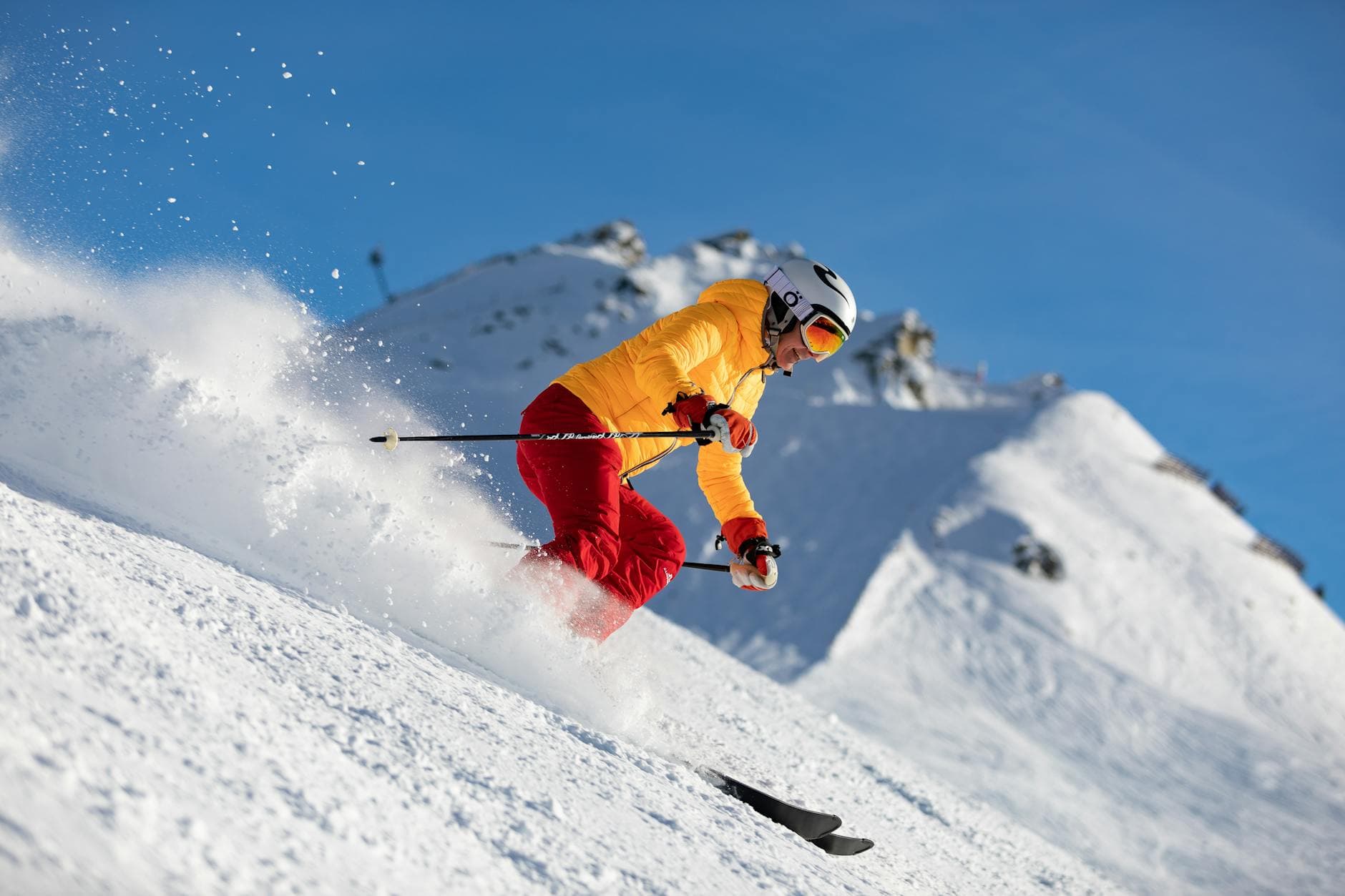
In terms of safety, helmets are recommended; monitor neige conditions, avoid shaded ice patches, and follow marked pistes. The route network above is situated to minimize backtracking and altitude shifts; however, a guide will help assemble a short, connected loop that keeps gains modest and brings the group back to the village with time to rest away from winds.
Altitudes in this zone range from the village floor up to the higher mountain sections; weve marked the connections toward Aime so families can choose from options above or below. The day can stay together, with regular rest breaks away from winds, and a final return to the village before dusk, ensuring a full, memorable outing and a smooth transition to the plagne base facilities.
Geneva arrival is the strongest recommendation for speed and reliability during christmas weeks; private transfers to valley towns typically take about 2h30–3h, with a glass-clear drive on good days. From Chambéry or Lyon airports, expect 15–30 minutes more, and plan for alpine weather; therefore, pre-booked transfers minimize delays for families with childrens and large luggage.
Rail options center on high-speed connections ending at Bourg-Saint-Maurice or Moûtiers, from which frequent transfers by coach or taxi reach the various villages in the network. In peak periods, seats fill quickly, so advance booking is essential if dates coincide with school holidays. Most journeys from major cities involve one change, with the bulk of time spent on the high-speed leg before a short winter transfer.
Driving routes offer flexibility and are straightforward when weather cooperates; from Geneva, take the main autoroute toward the valley, then drop into Albertville and continue on to the mountain corridor. From Lyon or Paris, the route follows established alpine corridors with regular safety checks in winter; seasonal snowfall can alter the opening of passes, so check weather forecasts before departure.
| Origin | Rail option | Transfer/Drive | Typical duration | Notes |
|---|---|---|---|---|
| Geneva (GVA) | Direct TGV to Bourg-Saint-Maurice or Moûtiers; some services require a connection | Private or shared transfers to base towns; bus links available | 2h30–3h15 | Most convenient during heavy traffic weeks; book in advance, especially around christmas |
| Lyon (LYS) | TGV to Bourg-Saint-Maurice or Moûtiers via Chambéry | Regular transfers by coach or taxi; mid-morning runs offer best schedules | 3h10–3h40 | Solid option for midweek arrivals; popular with families and friend groups |
| Chambéry (CMF) | Direct regional trains to Moûtiers or Bourg-Saint-Maurice | Short transfer to resorts; services align with daytime lift opening | 2h00–2h20 | Fastest rail-first route; ideal for flexible dates |
| Paris (CDG/ORY) | TGV to Bourg-Saint-Maurice or Moûtiers (often via Lyon or Chambéry) | Private transfers or long-distance bus connections | 5h30–6h30 | Best when paired with a midweek stay; check dates for christmas and festive weeks |
Pre-book gear rentals and parking online to guarantee a ready setup and a parking spot near gondolas.
Knowledge from operators shows that on-site queues shrink when bookings are linked to fixed pickup windows; above all, this approach is already common and truly saves time. Where gear is reserved in advance, a dedicated desk handles fittings within minutes, with express lanes keeping travel moving.
Rentals are organized in three levels–standard, premium, and performance–with options that cover boots, boards, helmets, and weather-ready outerwear. Staff recommend pairing rentals with parking reservations for maximum efficiency. All fittings are guided by a linked sizing chart, ensuring speed at the counter and comfort on the slopes. An extension for rental time can be requested at the desk, and those services are offered along verdons corridor and at the main hubs; the shops offer quick swaps if conditions shift.
Parking choices include on-site garages, adjacent lots, and shuttle-linked depots with access to express areas near lift bases. Signs direct to glass-fronted entrances and secure access points; parking rates vary by duration, with extension options available at the gate or via the help desk. Glass panels mark main entry points, keeping flow predictable around blacks and mid-grade runs, ensuring smooth transitions.
Transfers from airport arrive by express coach, private van, or shared shuttle; total travel time to the base typically ranges from 60 to 90 minutes, depending on traffic and weather. Direct links connect to three primary lift clusters, with a guide map showing the best reach routes. For updated options, visit the official transfer desk; glass terminals display real-time status and departures, and staff can tailor routes to match morning plans.
Mostly, travelers rely on a single plan that links rentals, parking, and transfers to minimize delays; this cant be left to chance, keeping momentum from arrival to first descent. The knowledge gained here helps select the right package and visit the core hubs with confidence.
Leave a request and we'll send a personal offer for your dates. One window instead of ten tabs — gear, transfer and car sorted and confirmed in advance.