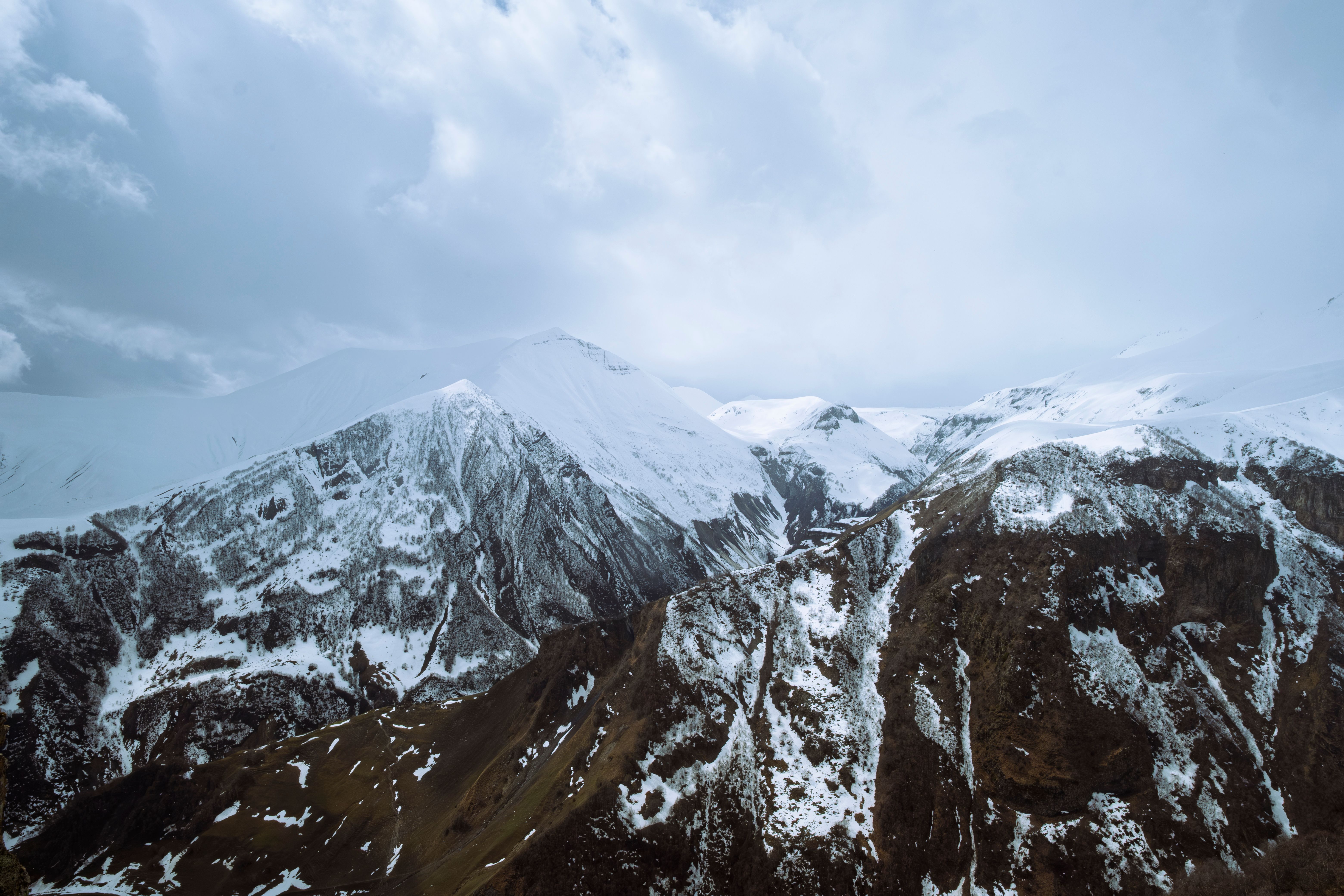
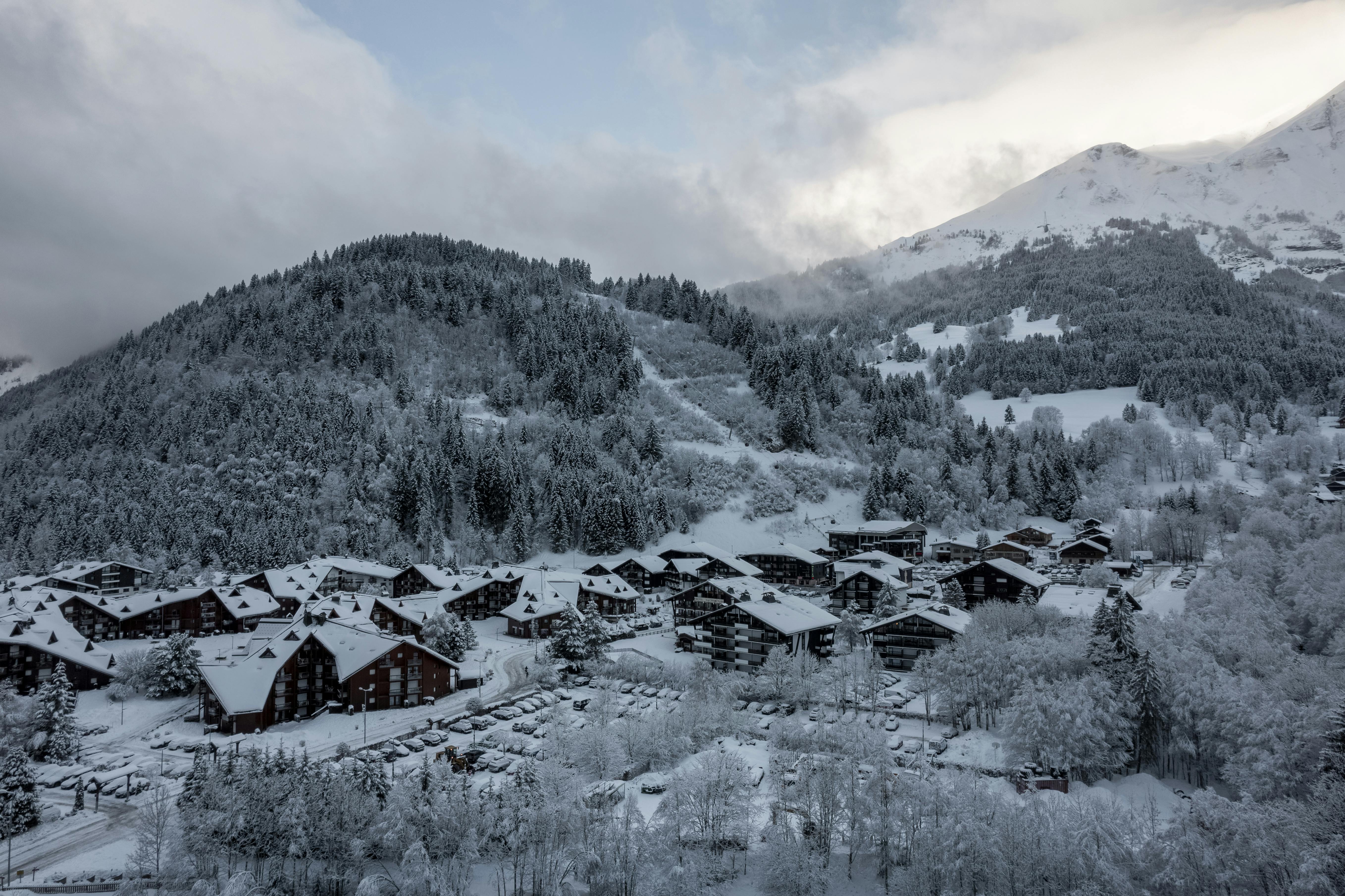
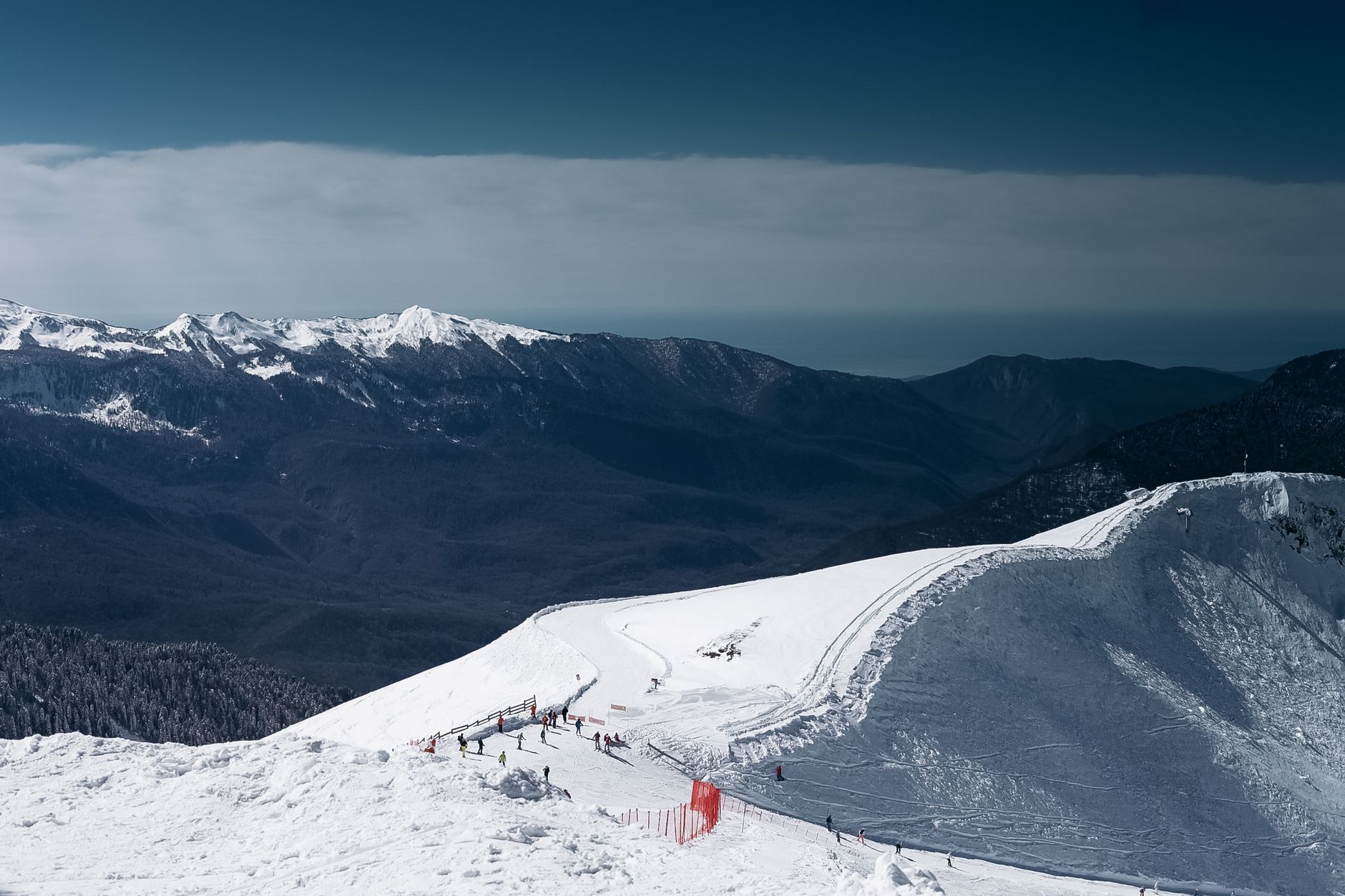
The wind howling across the Highland peaks at 4:00 AM is a sound that wakes you up before the sun even dares to peek over the horizon. You pull your woolen scarf tighter, step out onto the balcony of your Edinburgh hostel, and realize the ground is already dusted with a fresh, glittering layer of white. This isn't just cold; it is the raw, unfiltered magic of a Scottish winter that changes everything about how you travel, what you wear, and where you go.
Choosing the right window to arrive in Scotland during winter is far more critical than picking a summer date. The difference between January and March can mean the difference between a cozy, snow-free walk in the Highlands and a blizzard that shuts down major highways. You need to understand that "winter" here is not a monolith; it is a shifting landscape of temperatures, daylight hours, and crowd densities that demand a strategic approach.
Many travelers arrive unprepared for the sheer variability of the weather, leading to rushed decisions and inflated costs. If you book a flight for mid-January without checking the typical road conditions in the Northwest Highlands, you might find yourself stranded. Conversely, arriving in late February often yields the perfect balance of stable snowpack in the mountains and manageable temperatures in the cities. Let's break down exactly how to align your goals with the calendar to avoid the pitfalls that catch so many tourists off guard.
Early winter, spanning late November through December, offers the first genuine snowfalls and the distinct advantage of fewer tourists. This is the quiet time when the historic castles of the Isle of Skye are empty, and the price of accommodation in Inverness drops by nearly 35% compared to peak summer rates. However, you must be prepared for rapidly changing weather. One hour you might be under a grey, drizzling sky, and the next, a heavy snow squall could reduce visibility to zero. The daylight is also scarce, with the sun setting as early as 3:45 PM in mid-December, severely limiting your exploration window.
Mid-winter, from late January to mid-February, is the heart of the season. This is when the coldest temperatures strike, often dipping to -8°C in the Cairngorms, creating the classic winter wonderland many dream of. While the conditions for skiing at Glencoe or Nevis are often at their peak, the crowds begin to swell, especially during school holidays. You will need serious gear, including thermal base layers and high-quality insulated boots, to survive the biting wind. The trade-off is clear: you get the most reliable snow but the highest competition for resources and the shortest days.
Late winter and early spring, covering late February through March, bring a dramatic shift in atmosphere. The days lengthen significantly, offering up to 11 hours of daylight by late March, which allows for full-day excursions without rushing. The snow quality changes from heavy wet powder to mixed, slushy conditions that are less forgiving for skiers but perfect for snowshoeing. This period is ideal for families who need warmer afternoons and for photographers chasing the golden light of the setting sun. It is the sweet spot where the weather stabilizes, and the landscape begins to wake up.
Your equipment choices can make or break your trip, acting as the silent budget killer if you are not careful. Scotland's terrain is unique, featuring steep, narrow glens and variable snow conditions that demand specific gear setups. Many visitors rent standard resort equipment only to find it inadequate for the local conditions, leading to uncomfortable days on the slopes or dangerous situations on icy trails. Whether you are hitting the slopes at Glencoe Mountain Resort or trekking the West Highland Way, your gear must match the itinerary.
The decision to rent or buy depends entirely on your frequency of travel and your familiarity with the local conditions. If you are visiting for a single week and are still refining your technique, renting from a local specialist is almost always the smarter financial move. Local shops understand the specific demands of Scottish snow and can tune your edges for the icy patches common in early spring. If you are a frequent traveler who knows exactly what boots fit your feet, buying high-end gear might save you money in the long run, but you must factor in the cost of transporting it.
The "perfect" trip is a negotiation between three competing factors: snow quality, crowd density, and daylight availability. You rarely get all three simultaneously in Scotland, so you must decide which two are non-negotiable for your specific trip. If your goal is pristine powder skiing, you must accept the reality of shorter days and potentially colder temperatures. If your priority is avoiding the masses, you might have to compromise on the depth of the snowpack or the reliability of the lifts.
Travelers who focus solely on snow often end up frustrated by the logistical nightmares of winter travel. Roads in the Highlands can be treacherous, and a sudden storm can close the A9 highway for hours. By choosing to travel mid-week, specifically Tuesdays and Wednesdays, you can often bypass the weekend crowds that clog the narrow mountain passes. This strategy not only improves your driving experience but also lowers accommodation costs by an average of 18%. Remember that a clear, sunny day with slushy snow can be far more enjoyable than a cold, windy day with perfect powder if you are freezing your fingers off.
Daylight is the ultimate limiting factor in Scotland during winter. In December, you might only have six hours of usable light, forcing you to start your activities at dawn and finish by early afternoon. This constraint forces a disciplined itinerary, which can actually be beneficial for those who want to maximize their time. However, if you are traveling with young children or prefer a leisurely pace, the limited light can feel oppressive. Waiting until late February or March extends your window, giving you the flexibility to explore a morning hike and an evening pub crawl without rushing through the dark.
Winter travel in Scotland does not have to be expensive, but it requires foresight and flexibility. The biggest costs usually stem from last-minute decisions, such as booking a rental car at the airport upon arrival or paying premium rates for ski passes at the gate. By planning your logistics weeks in advance, you can secure rates that are significantly lower than the walk-up prices. Companies like Enterprise and Sixt offer competitive rates for winter vehicles equipped with snow chains if booked at least 14 days prior to your arrival.
Accommodation is another area where timing is everything. Staying in the heart of Inverness or Aviemore during peak holiday weeks can cost upwards of EUR 145 per night for a standard room. However, moving your stay to a nearby village like Newtonmore or Loch Ness can cut that cost by nearly half while providing a more authentic experience. Utilizing platforms like Booking.com allows you to filter for properties with free parking and flexible cancellation policies, which is crucial given the unpredictable weather. Additionally, planning one major paid activity per day and filling the rest with free scenic drives or village walks can keep your daily budget in check.
Day one should be dedicated to arrival and acclimatization. Land at Inverness or Edinburgh, pick up your rental car from Avis or Europcar, and head to your accommodation. Do not attempt a major hike or ski run on your first day; instead, take an easy evening walk to test your boots and enjoy the local atmosphere. This buffer prevents jet lag from ruining your subsequent activities.
Day two is your main adventure day. Head to a nearby ski resort like Glencoe or the Cairngorms for a full day of snow sports. Pack a warm lunch to eat on the mountain, and finish the day by visiting a high viewpoint to watch the sunset. This maximizes your daylight hours while keeping travel times manageable.
Day three offers a break from the slopes. Use this day for a scenic loop drive through the Highlands or a snowshoeing excursion in a quieter area. Have an indoor backup plan, such as visiting a local museum or a historic castle, in case the weather turns severe.
Day four returns to the snow for a second session. Consider booking a private lesson to refine your technique or try a new skill. This structured approach ensures you get the most out of your equipment rental.
Day five is for a short morning activity, perhaps a coffee run in a historic village, followed by a buffer period before your departure. This prevents the stress of missing a flight due to unexpected road closures or weather delays.
No, the ideal time varies drastically based on your personal goals. Skiers seeking deep powder might prefer the cold, stormy days of January, while photographers and families might find the longer days and milder temperatures of March far more enjoyable. You must prioritize your primary objective, whether that is snow quality, crowd avoidance, or comfort, before selecting your dates.
Specialized platforms like GetSki allow you to compare high-quality equipment from various providers before you even book your flight. This ensures you get gear suited for Scottish conditions, such as skis with wider waists for powder or boots with better insulation. It helps you avoid the high markups often charged at resort rental shops and gives you the flexibility to buy or rent based on your specific needs.
A mid-range winter trip can cost approximately EUR 850 per person for five days, including accommodation, car rental, lift passes, and equipment. This estimate assumes you travel mid-week in late February and stay in a shared apartment. Costs can rise to EUR 1,200 or more if you travel during the Christmas holidays or book last-minute flights and premium hotels.
The key to a successful Scottish winter trip is not just picking the right date but preparing for the unexpected. Always check the Met Office Scotland forecast every morning, as conditions can change within hours. Pack a "survival kit" in your car with extra food, water, and warm blankets, just in case you get stuck on a remote road. By planning your gear with GetSki, timing your travel to avoid peak crowds, and respecting the power of the elements, you can experience the rugged beauty of Scotland without the stress. Start your journey with a clear plan, and let the wild winter landscape do the rest.
Leave a request and we'll send a personal offer for your dates. One window instead of ten tabs — gear, transfer and car sorted and confirmed in advance.