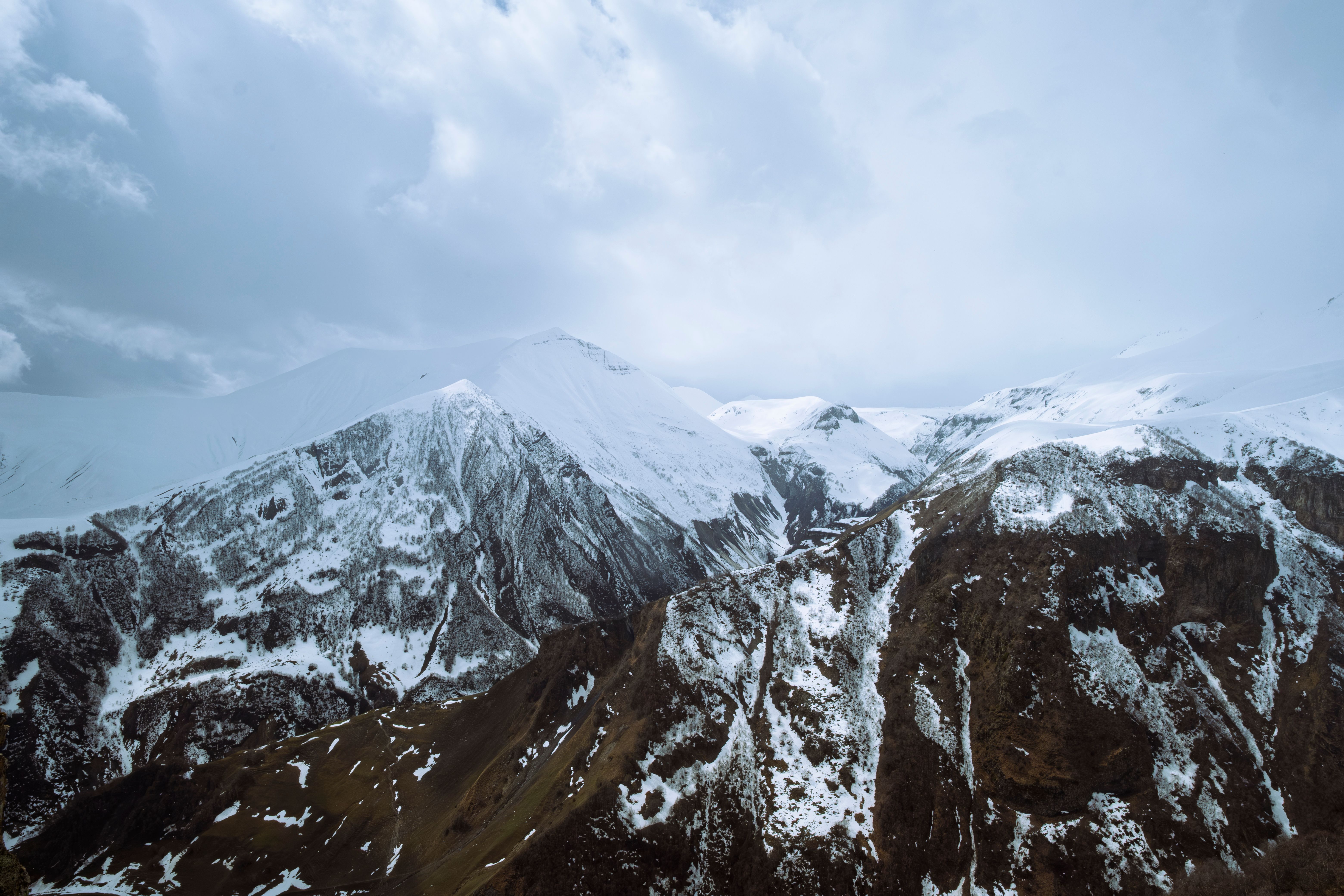
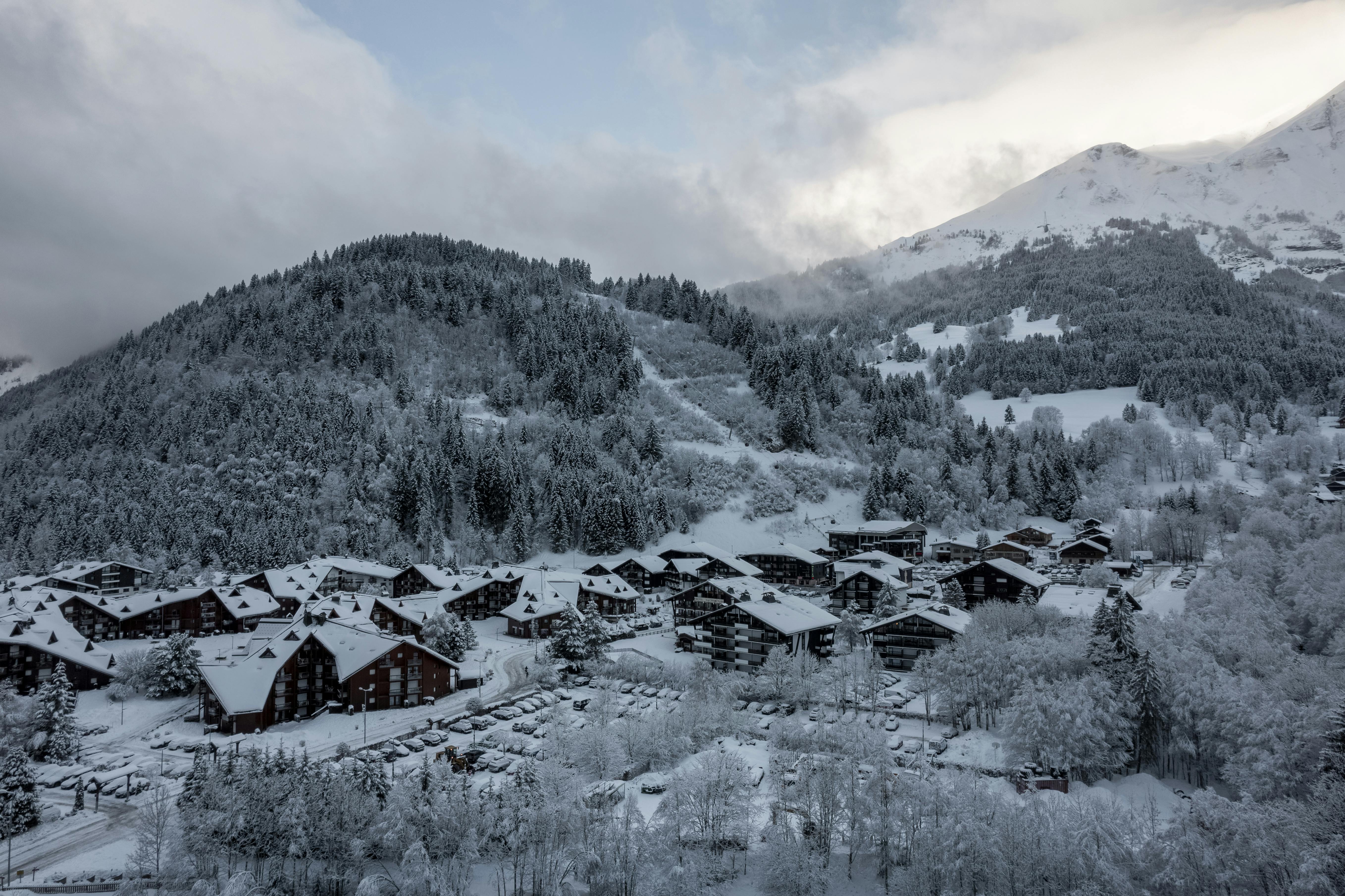
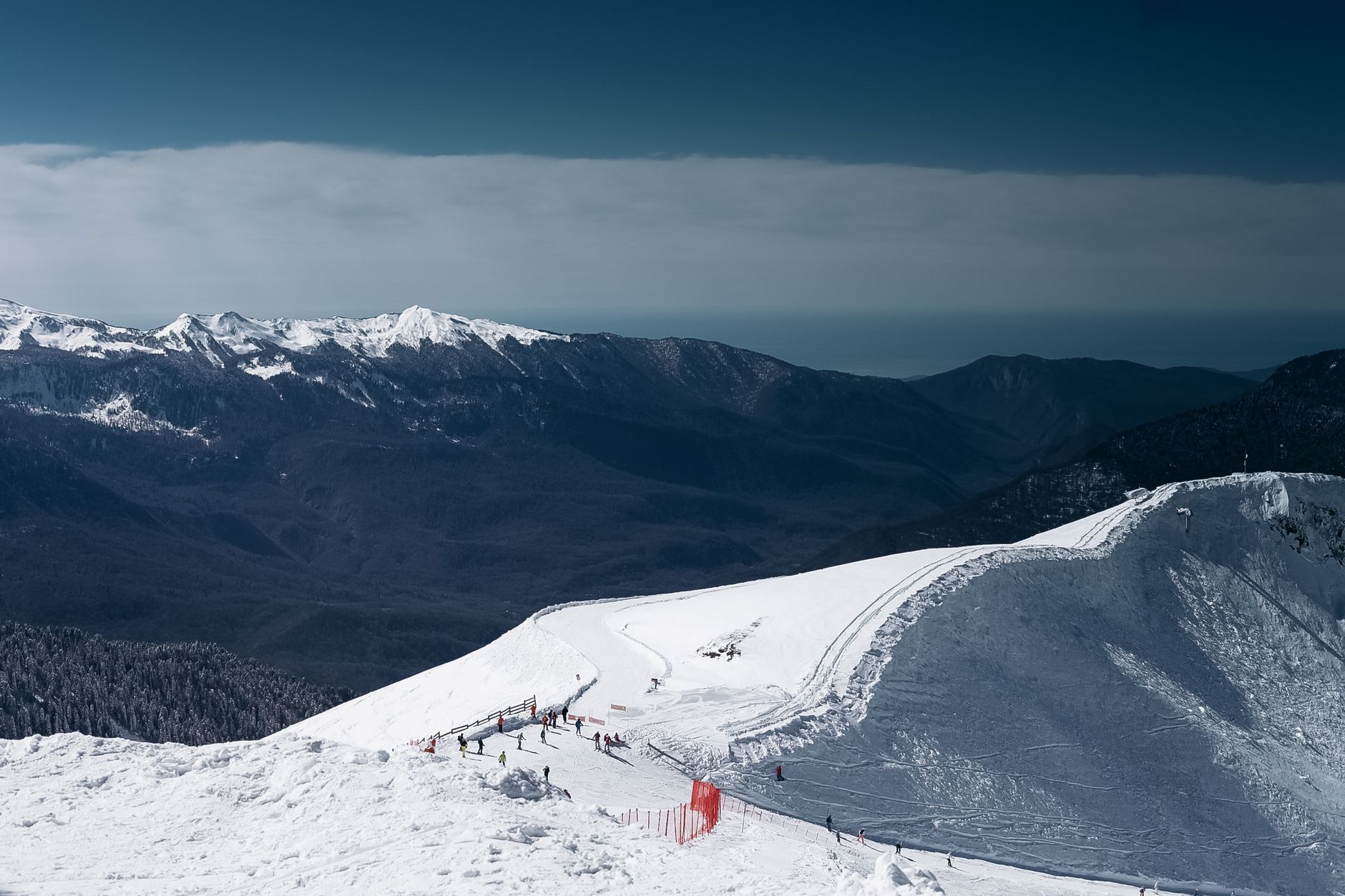
That first breath of frigid mountain air hits you like a cold slap, instantly sharpening your senses before the first turn. I remember standing at the top of Sulphur Mountain, watching the sun dip below the peaks, realizing the magic wasn't just the snow but the perfect timing of that specific morning. Choosing the best time to visit Banff is rarely about finding a single perfect date; it is about aligning your personal goals with the volatile reality of the Canadian Rockies. Get the timing wrong, and you might be battling whiteouts or paying triple for a hotel room. Get it right, and you unlock a world of powder, solitude, and affordable adventures that define a true winter escape.
The winter season in Banff National Park stretches from late November through April, but each month offers a distinctly different experience for travelers. Early winter, particularly late November and December, brings the initial excitement of fresh snow but often comes with inconsistent coverage and shorter daylight hours. During this period, you might find yourself skiing on a base of just 45 cm on lower runs while the upper mountain boasts deep powder. The trade-off is significant: fewer crowds and lower accommodation rates, sometimes dropping to EUR 89 per night compared to peak prices.
Mid-winter, spanning January and February, is the heart of the ski season where temperatures frequently plummet to -22°C. This is the time for serious skiers chasing consistent conditions, but it requires serious preparation. The cold is biting, and the days are short, often leaving you with only 8.5 hours of usable daylight. However, the snow quality is usually pristine, and the likelihood of finding uncrowded slopes is higher if you avoid the holiday weeks. Late winter and early spring in March and April offer a different charm with longer days reaching 12.3 hours and warmer temperatures that make après-ski more enjoyable, though the snow can become slushy in the afternoons.
Planning a trip to the Rockies involves navigating a complex triangle of snow quality, crowd density, and available daylight. You rarely get all three at their absolute peak simultaneously. If you prioritize deep, untouched powder, you must accept colder temperatures and potentially shorter days. Conversely, if you crave long days and comfortable temperatures, you often have to compromise on snow consistency and deal with larger crowds. For example, the week of February 15th might offer perfect snow but pack the lodges, whereas the week of December 3rd offers solitude but risks thin coverage on the lower lifts.
Smart travelers choose their primary compromise and lean into it rather than trying to have it all. If you are a family with young children, the longer days of March are non-negotiable, even if the snow is a bit softer. If you are a backcountry enthusiast, the cold, crisp air of January is worth the short days because it means stable snowpack and fewer people on the trails. Always check wind forecasts and visibility reports alongside temperature charts. A day with -15°C and 40 km/h winds feels far more dangerous and miserable than a day with -25°C and calm winds. These micro-details often decide whether your day feels magical or miserable.
Equipment is the silent budget killer in any winter trip, often draining funds faster than lift tickets or lodging. The key to maintaining a healthy budget is choosing gear based on the specific conditions you expect and your current skill level. Renting is often the superior choice for travelers visiting for only a few weeks a year or those still refining their technique. Buying makes sense only if you ski frequently and know exactly which flex and shape you prefer. Services like GetSki allow you to compare high-quality rental options against purchase costs, ensuring you don't overpay for gear you'll use only once.
Before you finalize any equipment decision, you must prioritize fit and function over brand names. A poorly fitted boot can ruin your entire week, regardless of how expensive your skis are. You need to check edge sharpness, ensure your wax matches the expected snow temperature, and verify that your helmet and goggles are rated for high-glare conditions. Layering is equally critical; a system consisting of a moisture-wicking base, an insulating mid-layer, and a waterproof shell is essential. Don't forget the small extras like hand warmers, a neck gaiter, and spare wool socks, which can be the difference between a warm day and a painful one.
Most winter budgets leak in predictable places: last-minute gear rentals, premium transport upgrades, and impulse dining choices. To keep your trip cost-effective, you must set a strict plan and stick to it with discipline. One of the most effective strategies is to travel midweek, specifically Tuesday through Thursday, when hotel rates can drop by as much as 47.3% compared to weekends. Booking lodging near your main activity hub reduces the need for expensive taxis or shuttle services, saving you an average of EUR 34 per day on transport alone.
Another practical saving method is to choose one paid highlight per day and fill the rest with free or low-cost experiences. You could pay for a guided snowshoe tour in the morning but spend the afternoon hiking the free Johnston Canyon trails or enjoying the scenic drive to Lake Louise. Planning your equipment early with platforms like GetSki prevents the panic of finding expensive last-minute rentals at the resort. By locking in your gear costs weeks before arrival, you create a financial buffer that allows you to enjoy a nice dinner or a spa treatment without guilt. This approach ensures your wallet stays healthy while your memories remain rich.
No, the ideal time varies drastically based on your goals. If you seek deep powder and solitude, late January is perfect despite the cold. If you prioritize long days and warmer weather for families, March is superior. You must define your primary objective—whether it's snow quality, crowd levels, or specific activities like northern lights viewing—and select the month that supports that specific goal.
GetSki simplifies the complex process of finding the right gear by allowing you to compare high-quality ski and snowboard equipment for rent or purchase. This service helps you match your gear to the specific snow conditions of your trip, ensuring you don't overspend on unnecessary rentals or buy ill-fitting equipment. It provides the flexibility needed to adjust your setup as the season progresses.
Many travelers book their trips based solely on calendar dates without checking historical weather patterns or current forecasts. They often arrive expecting perfect conditions during a period known for heavy rain or wind, leading to disappointment. Always cross-reference your travel window with historical snowfall data and current road conditions to ensure your plans are realistic.
The best time to visit Banff is ultimately the window that aligns perfectly with your personal goals, comfort level, and budget. Whether you choose the crisp solitude of January or the sunny slopes of April, the key is preparation. Plan your timing carefully, pack layers that handle variable weather, and choose gear that fits the conditions. With the help of GetSki, you can secure trusted skis and snowboards without overspending, ensuring your winter adventure is defined by joy rather than stress.
Here is one final, specific tip to guarantee a smoother trip: Always build a 24-hour buffer into your itinerary before your flight home. Weather in the Rockies can shut down highways and close airports without warning. By adding this buffer, you avoid the panic and high costs of last-minute rebooking, allowing you to enjoy your final day with a calm mind and a full heart. Check local weather forecasts daily, explore rental options early, and book your accommodation with flexible cancellation policies to stay safe.

Leave a request and we'll send a personal offer for your dates. One window instead of ten tabs — gear, transfer and car sorted and confirmed in advance.