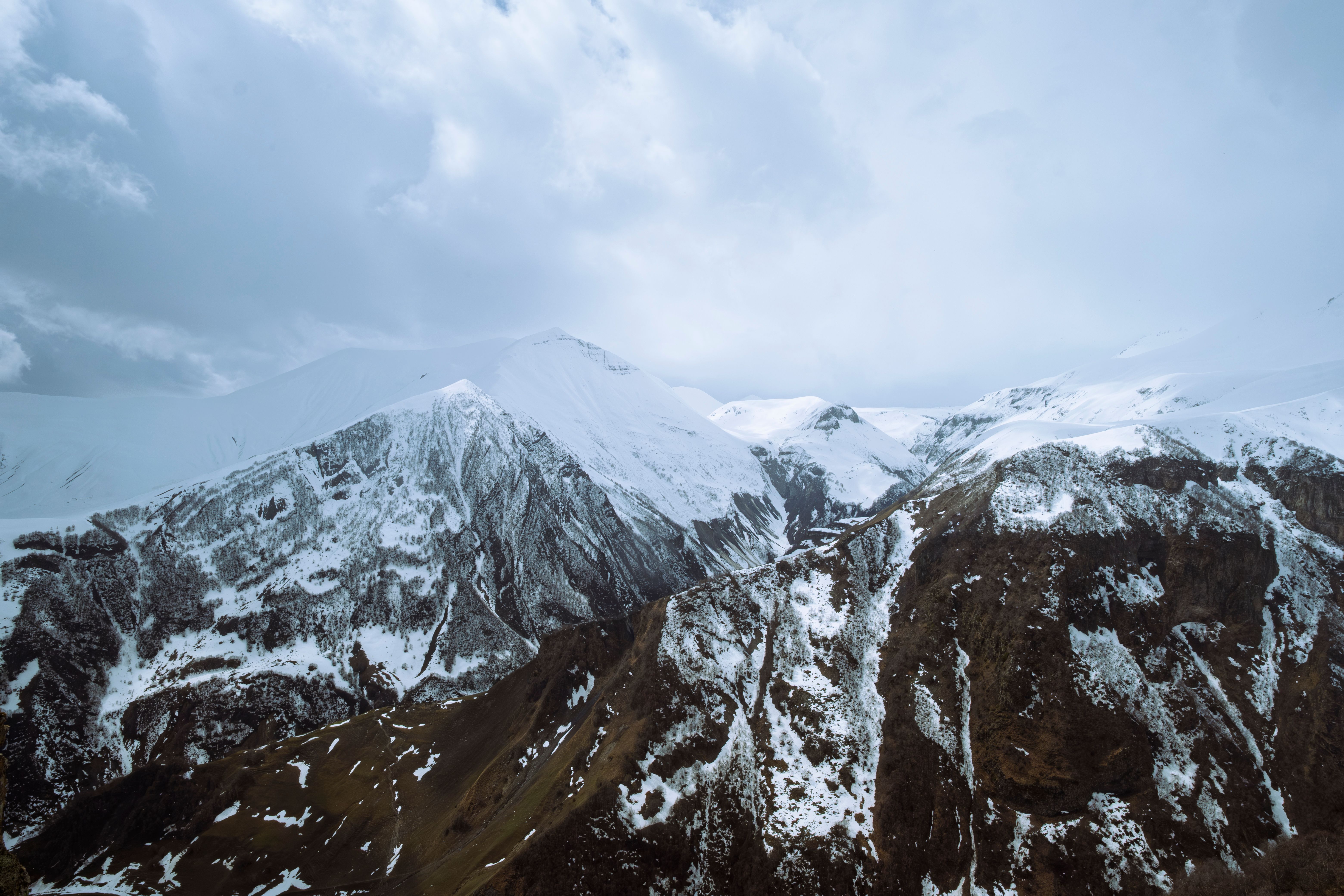
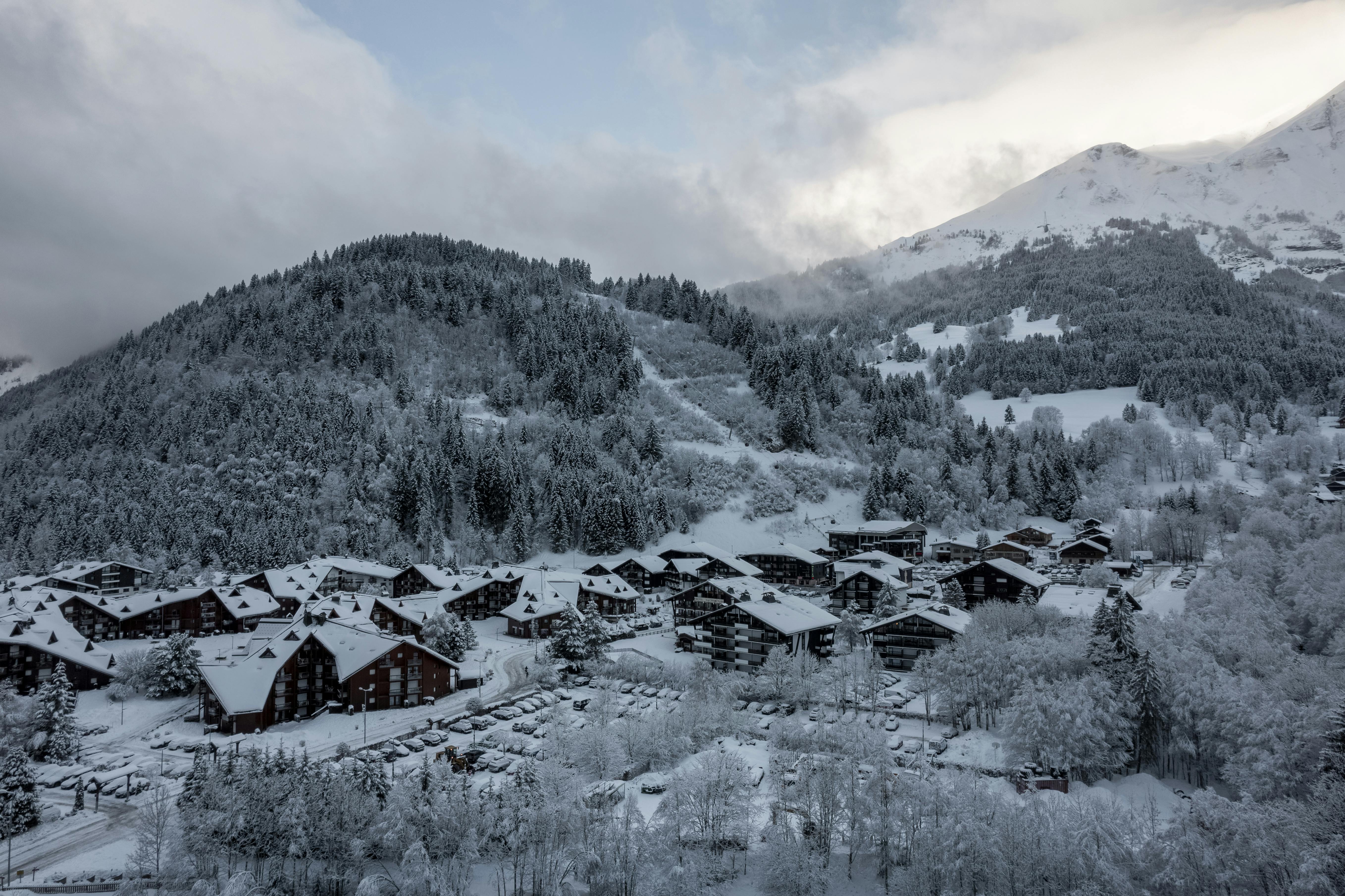
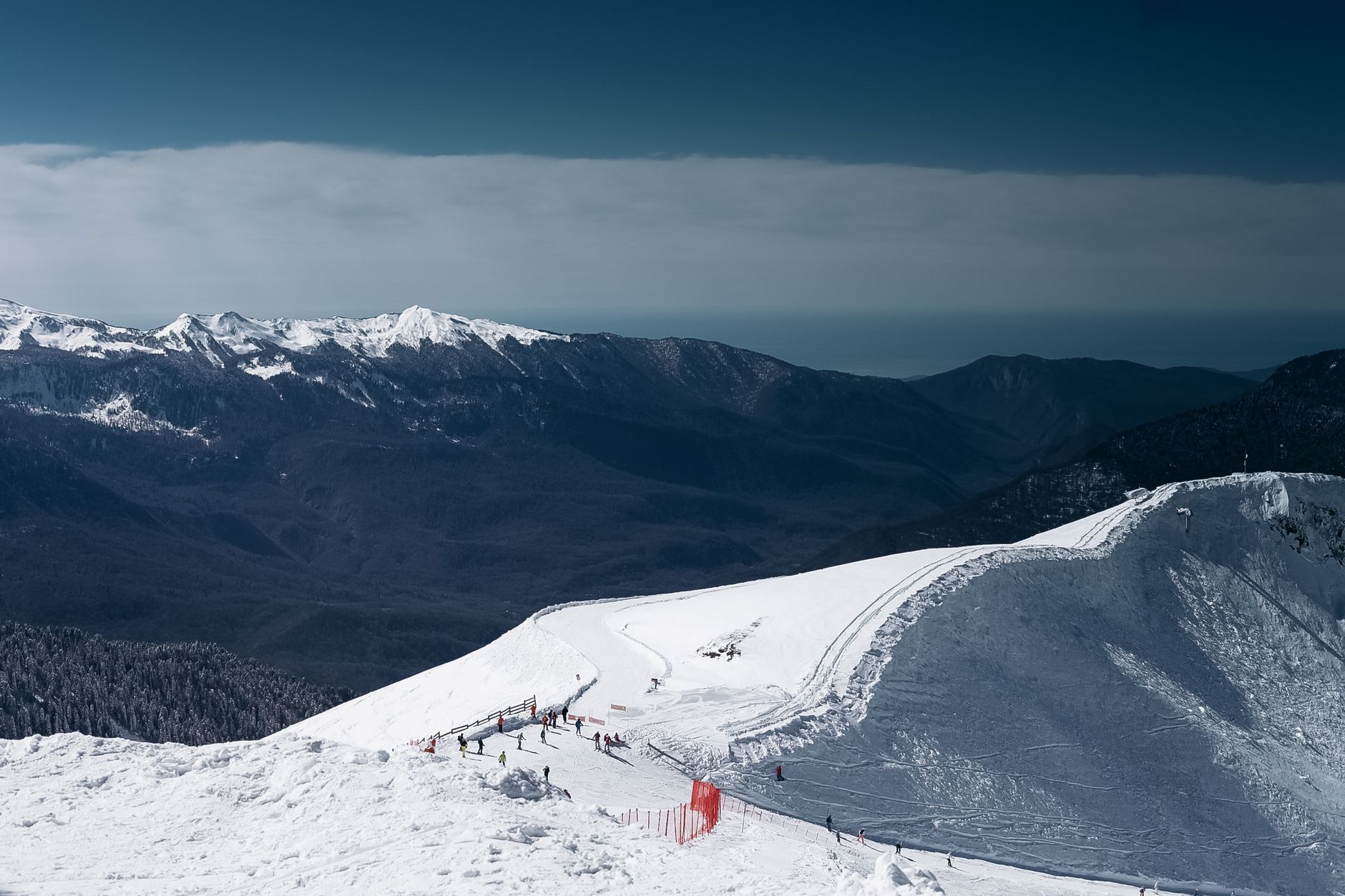
Europe's Alpine regions offer some of the world's premier destinations for powder skiing, where fresh snowfalls create ideal conditions for off-piste adventures. Powder skiing involves gliding through deep, untracked snow, often away from groomed runs, requiring technical skills and awareness of avalanche risks. Resorts in France, Switzerland, Austria, and Italy stand out due to their high altitudes, reliable snowfall, and vast off-piste terrain accessible via lifts or helicopters.
Off-piste skiing in these areas allows enthusiasts to explore untouched bowls, couloirs, and tree runs, but it demands preparation beyond standard piste skiing. Factors like annual snowfall averages exceeding 10 meters in some spots, combined with north-facing slopes that preserve powder, make Europe a top choice. This guide ranks the top 10 resorts based on terrain variety, snow reliability, and expert reviews from sources like OnTheSnow and Ski Magazine.
Selecting a resort involves considering elevation—ideally above 2,000 meters for consistent powder—and access to guided tours. Prices for lift passes range from 50 to 80 EUR per day, with off-piste guiding adding 200-400 EUR per group. Always check snow reports from apps like Snow-Forecast for real-time conditions before planning a trip.
Powder skiing thrives on light, dry snow that falls in quantities often surpassing 5-10 meters annually in high Alpine resorts. Unlike groomed pistes, off-piste areas feature variable terrain, from wide-open glaciers to narrow chutes, demanding floating techniques to avoid sinking. In Europe, microclimates in the French and Swiss Alps produce champagne powder—fluffy and low-moisture—especially after northwest storms.
On-piste skiing follows marked trails with avalanche control and grooming, while off-piste ventures into uncontrolled zones. European resorts like those in the Portes du Soleil area offer seamless transitions, but off-piste requires partners, transceivers, and probes. Regulations vary: in France, off-piste is permitted beyond lift boundaries, but Austria mandates insurance for freeride zones.
Peak powder months are December to April, with January and February seeing the heaviest dumps due to Atlantic lows. For example, resorts above 2,500 meters retain snow longer into spring. Early season (November-December) can yield surprises after lake-effect snow from Lake Geneva, while late March offers longer days for heli-skiing at elevations up to 3,800 meters.
Resorts with over 300 km of off-piste terrain and snowfall averages above 8 meters score highest. North-facing aspects prevent sun melt, preserving powder for days. Metrics include vertical drop—Chamonix offers 2,800 meters—and accessibility via lifts reaching 3,000+ meters, reducing the need for long hikes.
Quality guiding is essential; top resorts provide certified IFMGA guides for 250-350 EUR per day. Infrastructure like heated cable cars and snowmaking backups ensure reliability. Proximity to airports matters: many are within 1-2 hours of hubs like Geneva (GVA) or Innsbruck (INN), with transfers costing 100-200 EUR.
Lift passes average 55-75 EUR daily, with season passes at 1,500-2,500 EUR. Off-piste permits, where required, add 20-50 EUR. Budget for avalanche courses at 150-250 EUR. Coordinates for key areas, like Verbier's Medran lift at 46.096°N 7.235°E, help with planning via apps.
Chamonix, at the foot of Mont Blanc (4,810 meters), boasts 350 km of off-piste terrain with annual snowfall around 10 meters. Iconic runs like the Vallee Blanche glacier descent span 20 km and 2,800 meters vertical, accessible via the Aiguille du Midi cable car (45.923°N 6.867°E). Powder bowls on the north face hold snow for weeks. Lift passes cost 65 EUR/day; guided tours run 300 EUR for small groups. It's 1 hour from Geneva Airport, ideal for deep powder after 50+ cm dumps.
Part of the 4 Vallées domain, Verbier offers 400 km off-piste with Mont Fort peak at 3,330 meters yielding 9 meters of snow yearly. Mont Gelé's north-facing bowls provide steep, untracked lines up to 1,000 meters vertical. The resort's heli-skiing base at 46.095°N 7.227°E launches drops to 2,500 meters. Day passes are 72 CHF (about 75 EUR); expect 350-450 CHF for heli days. Just 1.5 hours from Sion Airport, it's renowned for its freeride world championships.
Linked to Tignes in the Espace Killy, Val d’Isère features 300 km off-piste across 10,000 hectares, with the Pissaillas glacier at 3,230 meters ensuring year-round access (45.447°N 6.979°E). Annual precipitation hits 8 meters, filling couloirs like the Grand Vallon. Lift tickets are 58 EUR/day; off-piste clinics cost 200 EUR. Reachable in 2.5 hours from Geneva, it's perfect for powder stashes in the Face de Bellevarde area after heavy overnight snow.
The Arlberg region's heart, St. Anton connects 305 km of terrain with vast off-piste in the Rendl and Valluga areas, receiving 7.5 meters of snow at elevations up to 2,811 meters. The Stuben side valley hides powder fields for 800-meter runs (47.131°N 10.244°E). Passes cost 64 EUR/day; guided freeride tours are 280 EUR. Only 1 hour from Innsbruck, it's a hub for backcountry with avalanche-transceiver rentals at 10 EUR/day.
Car-free Zermatt borders Italy, offering 360 km off-piste under the Matterhorn (4,478 meters) with 9 meters annual snowfall. The Stockhorn and Rothorn glaciers provide endless powder bowls at 3,883 meters (46.024°N 7.748°E). Gornergrat railway accesses high lines. Tickets are 85 CHF (88 EUR)/day; heli options add 500 CHF. 3 hours from Geneva via train, it's famed for sun-protected north faces holding powder into April.
In the 3 Vallées, Courchevel's 600 km domain includes 200 km off-piste, with the Saulire peak (2,738 meters) dumping 8 meters yearly. Tree runs in the Lac du Vallon and bowls on the Combe de Caron suit varied skill levels (45.395°N 6.634°E). Passes at 62 EUR/day; private guiding 250 EUR. 2 hours from Chambéry Airport, it excels in powder preservation due to its 1,850-3,200 meter altitude range.
Alpe d’Huez Grand Domaine spans 250 km with 150 km off-piste, centered on the Sarenne glacier at 3,330 meters and 7 meters snowfall. The Pic Blanc area offers 2,200-meter descents into untouched snow (45.077°N 6.071°E). Daily lifts cost 56 EUR; avalanche safety courses 180 EUR. 1.5 hours from Grenoble, it's accessible for big powder days via the world's longest black run.
The Gemsstock mountain at 2,961 meters delivers 8.5 meters of snow and 100 km off-piste in the Gotthard region. Steep faces like the Gurschen provide 1,000-meter powder lines (46.636°N 8.591°E). Passes are 65 CHF (67 EUR)/day; off-piste guiding 300 CHF. 2 hours from Zurich, recent investments have expanded heli-access to remote bowls.
Livigno's duty-free status aids affordability, with 115 km terrain and extensive off-piste in the Carosello area at 2,798 meters, seeing 7 meters snowfall. The Mottolino side yields tree-skiing powder (46.534°N 10.137°E). Tickets 52 EUR/day; tours 220 EUR. 3 hours from Milan, its high plateau traps snow for consistent off-piste conditions.
Known as the "Pearl of the Alps," Saas-Fee's 100 km off-piste includes the Allalin glacier at 3,500 meters with 8 meters annual snow. Längfluh's north faces offer 1,200-meter runs (46.109°N 7.936°E). Passes cost 70 CHF (72 EUR)/day; guided days 320 CHF. 2.5 hours from Sion, it's family-friendly yet powder-rich due to its 1,800-3,600 meter span.
Core gear includes alpine skis or splitboards with widths over 100 mm for float, bindings rated for off-piste, and boots with walk mode. Avalanche safety pack—transceiver, shovel, probe—costs 200-300 EUR new. Packs from brands like Black Diamond or Mammut feature airbag systems at 800-1,200 EUR for added protection.
Enroll in avalanche awareness courses from organizations like the American Institute for Avalanche Research, costing 150-250 EUR for a day. Build endurance with hikes carrying 10-15 kg packs. Practice off-piste techniques in resort freeride zones before venturing solo.
Layer with merino base, Gore-Tex jacket, and insulated pants for -10°C temps. Include skins for touring, GPS trackers like Garmin inReach (subscription 15 EUR/month), and energy gels. For multi-day trips, pack repair kits and extra batteries for 48-hour autonomy.
Check bulletins from SLF in Switzerland or Météo France daily; stability scales rate conditions from low to high. Use apps like FATMAP for slope angles—avoid >30 degrees in unstable snow. Travel with at least one partner experienced in rescue drills.
Carry maps or apps with offline topo like ViewRanger. In emergencies, use 112 for Europe-wide rescue; response times average 30-60 minutes in Alps. Mark routes with waypoints, e.g., 500 meters visibility in whiteouts requires compass backups.
Standard ski passes exclude off-piste; opt for policies from providers like Allianz covering heli-evac at 50-100 EUR/week. In Switzerland, liability insurance is mandatory for guided groups. Know boundaries: crossing into Italy from Zermatt requires dual-country awareness.
For more on renting gear suited to these resorts, resources like GetSki can help streamline your preparations.
The optimal period is mid-December to mid-March, when storm cycles bring consistent fresh snow. Resorts like Chamonix often see peak powder in January, with averages of 100-200 cm monthly accumulation.
Yes, especially for beginners; guides ensure safe route choices and avalanche avoidance. In resorts like Verbier, mandatory for certain zones, costing 250-400 EUR per day for groups of 4-6.
Expect 50-80 EUR for lift passes, plus 200-500 EUR for guiding or heli. Total daily budget, including gear rental at 40-60 EUR, ranges 150-400 EUR per person.
Yes, some areas like protected glaciers require permits. In France, freeride zones are marked; Switzerland enforces no-go signs in high-risk sectors. Always follow resort maps.
Avalanche transceiver, shovel, probe, wide skis, and helmet are must-haves. Airbag packs enhance survival odds by 50% in slides, per avalanche studies.
Leave a request and we'll send a personal offer for your dates. One window instead of ten tabs — gear, transfer and car sorted and confirmed in advance.