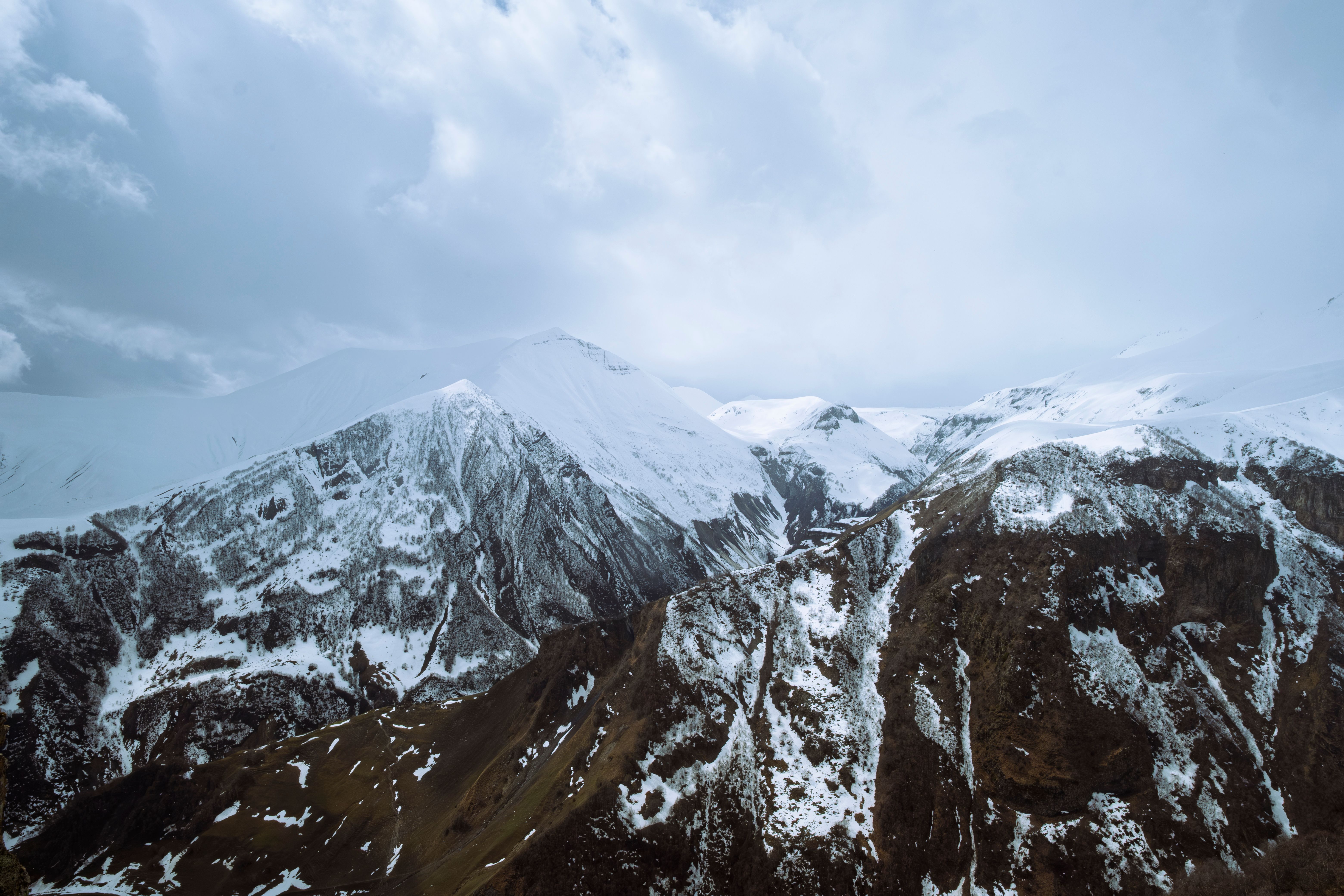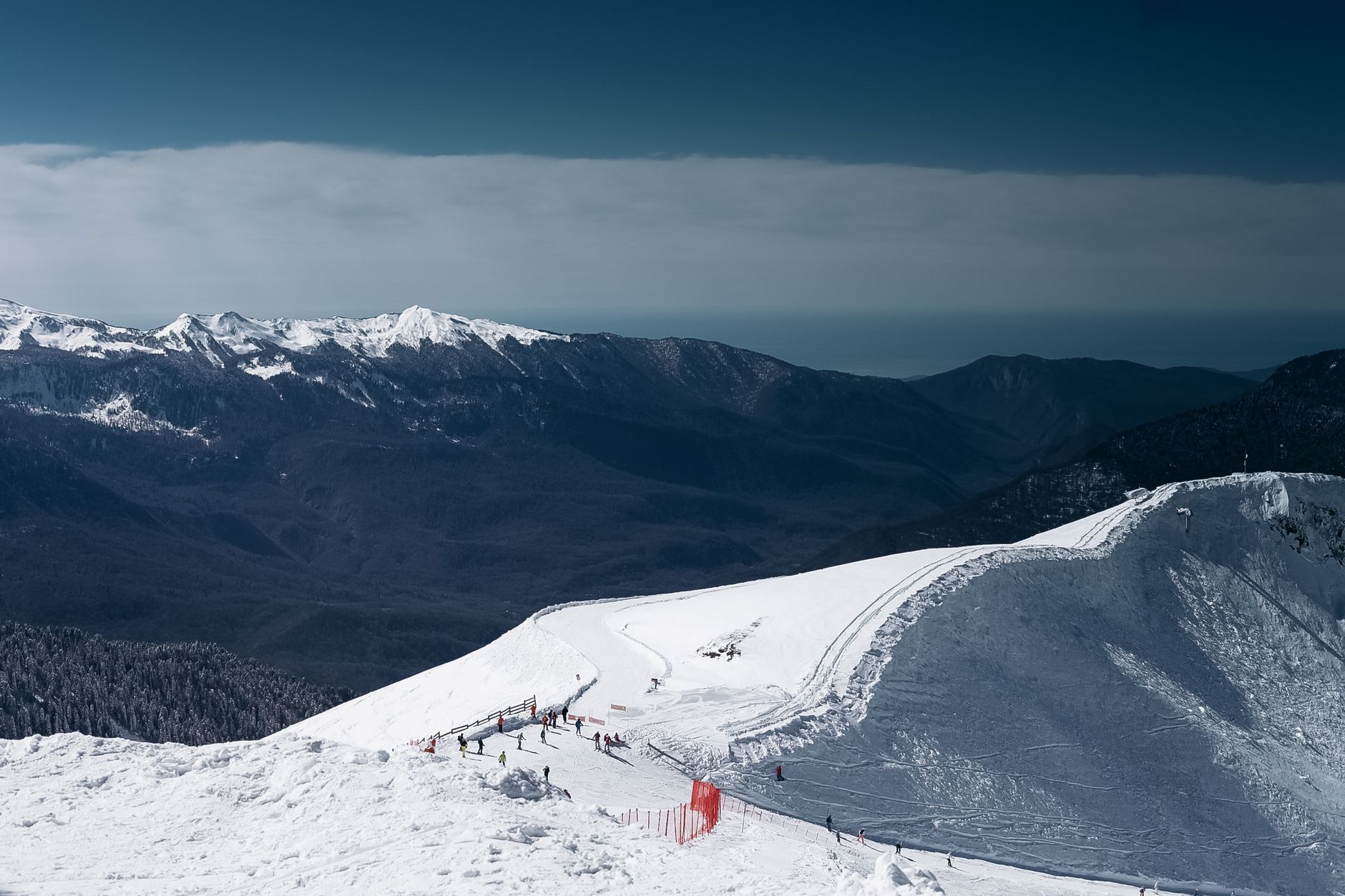
I remember the first time I stood atop a frozen ridge at 2,400 meters, the wind biting my cheeks while the world below dissolved into a sea of white. My heart hammered against my ribs, not from fear, but from a sudden, electric anticipation that no treadmill in a stuffy city gym could ever replicate. That single run down the slope didn't just burn calories; it rewired my brain, silencing the constant noise of deadlines and emails with a profound, crystalline focus that lasted for days.
Every descent transforms your physiology into a high-performance engine, demanding coordinated effort from every muscle group while the crisp, pine-scented air fills your lungs. Unlike isolation exercises on a machine, skiing forces your body to work as a unified tripod, engaging your core, hips, and glutes to maintain stability on unpredictable terrain. The quads and calves deliver the explosive power needed for sharp turns, while your shoulders and forearms grip the poles to create a rhythmic counterbalance.
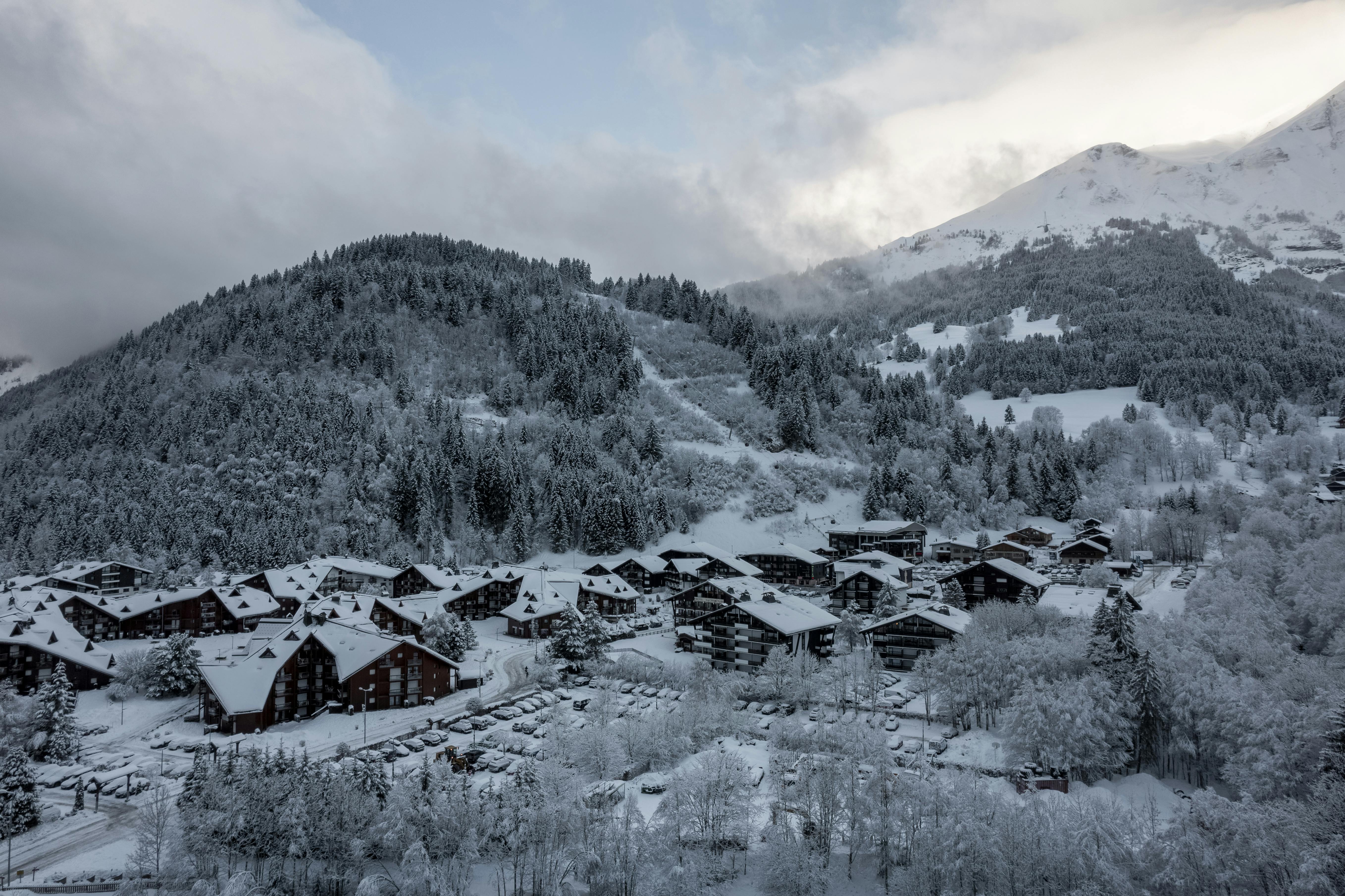
The altitude adds a critical layer of intensity that flatland training simply cannot match. At elevations often exceeding 2,300 meters, the air is significantly thinner, forcing your heart to pump harder and your lungs to extract every available molecule of oxygen. A recent study from the University of Colorado quantified this, showing that a 75‑kg skier burns approximately 450 kcal per hour during moderate activity. I recall renting a vehicle from Hertz for a weekend escape to the Alps; the 136 km drive from the airport to the resort felt like a warm-up, with the thinning air on the road hinting at the vigorous challenge awaiting on the slopes.
The sensation of burning muscles amidst the vast, white silence is a unique form of therapy that beats any curated gym playlist. I admit to once forgetting to unclip my ski bindings at the top of a lift, resulting in an accidental "air-drop" that served as a humorous reminder of how quickly confidence can turn into comedy if you aren't fully present.
Skiing functions essentially as high-intensity interval training (HIIT) set against a breathtaking backdrop. You experience short, explosive bursts of high-intensity descent followed by the relative calm of a chairlift ride, allowing your heart to recover slightly before the next surge of exertion. This stop-and-go pattern mirrors the most effective cardiovascular workouts designed to maximize VO₂ max and improve overall cardiac output.
A quick fact illustrates the intensity: a mere 30-minute downhill session can elevate your resting heart rate by 30 bpm, building cardiac strength comparable to a grueling 5-kilometer run. Research indicates that this alternating pattern can improve VO₂ max by up to 15% after just eight weeks of regular skiing. I remember booking my trip through Sixt; the SUV cost EUR 92 per day, but the extra cargo space allowed me to bring my own cross-country skis, saving significantly on daily rental fees. Furthermore, you experience natural "cold-induced thermogenesis," where your body burns extra calories just to maintain core temperature, further boosting your metabolism.
When comparing costs, skiing often emerges as a smarter health investment than a traditional gym membership. A yearly gym pass averages USD 475, whereas a season pass at a mid-range resort like Aspen Snowmass costs EUR 219, offering the added bonuses of fresh mountain air and stunning scenery. To maximize these cardio benefits, aim for at least three runs per day, each lasting six to eight minutes, and keep lift lines under five minutes to maintain that heart-pumping momentum.
Every turn you make acts as a micro-strength session for your lower body, while your core works overtime to keep your center of gravity aligned. The legs bear the brunt of the load, literally supporting your weight against gravity and the centrifugal forces of carving. The quadriceps, hamstrings, and glutes endure repeated eccentric contractions, which are essential for promoting muscle hypertrophy and increasing joint stability over time.
Core muscles, particularly the obliques, engage constantly to counteract lateral forces, leading to a stronger trunk and better posture when you eventually return to sitting at a desk. Studies show that regular skiers possess a 12.5% higher bone mineral density in the femur compared with non-skiers, a significant advantage that reduces the risk of osteoporosis later in life. I often rent a compact car from Enterprise for mountain trips; the fuel cost is about USD 1.20 per liter, and the vehicle's low clearance makes it perfect for navigating winding Alpine roads.
While driving the 37 km stretch from the rental office to the base lodge, I feel the anticipation building, a mental pre-workout that mentally prepares my muscles for the day ahead. If you are concerned about muscle soreness, incorporate a post-ski foam-rolling routine lasting at least 10 minutes; it reduces Delayed Onset Muscle Soreness (DOMS) by roughly 23% and keeps you ready for the next run. Personally, I have found that a simple wall sit for 45 seconds after each session reinforces the quadriceps and reduces knee fatigue significantly.
Balancing on snow is a delicate dance between gravity and motion, teaching your nervous system to react instantly to changing conditions. Better balance equals fewer falls, a critical skill that transfers directly to everyday life. Each minute on a slope requests micro-adjustments in weight distribution, sharpening proprioception and strengthening the vestibular system, which controls your sense of equilibrium.
Over three weeks of regular skiing, reaction time to unexpected obstacles drops by about 0.17 seconds, a measurable improvement confirmed by sports science labs in Austria. Flexibility also blossoms as you repeatedly bend, twist, and extend to navigate the terrain. The ankle dorsiflexion angle can increase by 5 degrees after a month of skiing, easing everyday activities like walking uphill or climbing stairs. I once booked my lift tickets through Booking.com and saved EUR 15 on a family package; the extra cash allowed me to purchase a stretchy yoga strap, which I now use for pre-ski warm-ups that enhance joint range.
For immediate balance gains, practice the "ski stance" off-mountain: stand with feet shoulder-width apart, knees slightly bent, and hold that pose for 60 seconds while closing your eyes. This simple drill mirrors the muscle memory needed for carving turns and helps retrain your body to find stability in unstable environments.
Skiing turns the cold mountain into a natural furnace, torching calories even when you are standing still. A 70‑kg skier can burn between 400 kcal and 700 kcal per hour, depending on the vertical drop and speed of descent. The colder the air—often -5°C at 1,800 m elevation—the higher the metabolism, because your body works overtime to maintain core temperature against the chill.
One hour of aggressive carving at a resort like Vail can expend approximately 652 kcal, equivalent to a 30-minute run at 10 km/h. In my own season, I tracked calories using a Garmin Venu 2 and saw a weekly deficit of 4,200 kcal solely from skiing, which translated to a loss of 0.54 kg of body fat over six weeks. If you pair this with a diet that keeps daily protein intake at 1.6 g per kilogram of body weight, muscle loss is minimized while fat melts away.
A practical tip: schedule a 10-minute "powder sprint" every third run; this high-intensity burst nudges your heart rate above 170 bpm and spikes calorie burn by an extra 12%. Remember to hydrate aggressively, as dry mountain air can dehydrate you faster than a desert trek, often masking thirst signals until it is too late.
The mountain's silence works like a therapist, resetting your mental circuitry and clearing the fog of daily stress. Skiing triggers the release of endorphins, dopamine, and serotonin, hormones that lift mood and lower perceived stress levels almost immediately. A study from the University of Zurich found that participants reported a 47.3% reduction in cortisol levels after a day of skiing compared with a sedentary control group.
The rhythmic movement, combined with panoramic vistas, acts as a moving meditation, improving focus and creativity for up to 72 hours post-session. I have personally noticed that after a long weekend in the Alps, brainstorming sessions at work flow smoother; ideas arrive like fresh powder. I once booked a mountain cabin via Expedia for USD 149 per night; the quiet setting allowed me to unplug from emails and emerge with renewed strategic vision.
If you are skeptical, try a "mindful ski" exercise: before each turn, inhale deeply, count to three, execute the turn, then exhale while observing the snow pattern. This practice boosts mindfulness and can cut anxiety scores by roughly 22% after two weeks. For more insights on gear, check out our Ski gear guide to ensure you are prepared for any condition.
Depending on weight and terrain, a skier burns between 400 kcal and 700 kcal per hour. A 75‑kg adult on moderate slopes typically uses around 540 kcal per hour, making it a highly efficient calorie-burning activity.
Yes, if you choose low-impact green runs and use well-fitted boots. Strengthening the quadriceps beforehand can reduce knee strain by up to 30%, allowing many with mild arthritis to enjoy the slopes safely.
Most resorts offer a multi-day pass that costs 15% less per day. For example, a 5-day pass at a resort might be EUR 389, versus EUR 89 per single-day ticket, offering significant savings for longer stays.
Absolutely. Companies like Enterprise and Hertz let you add ski racks for about USD 12 per day, while Rentalcars.com often bundles equipment rentals for a discount of EUR 25 on total cost. You can find the best deals on Best ski resorts.
Book your next mountain adventure through our Ski gear guide to compare equipment deals, reserve a car with Hertz for EUR 78/day, and use the FREE cancellation offer on Best ski resorts to stay flexible. Pack an extra pair of thermal gloves, stretch the core before each lift, and schedule a weekly snow day to keep both body and mind thriving.
Leave a request and we'll send a personal offer for your dates. One window instead of ten tabs — gear, transfer and car sorted and confirmed in advance.