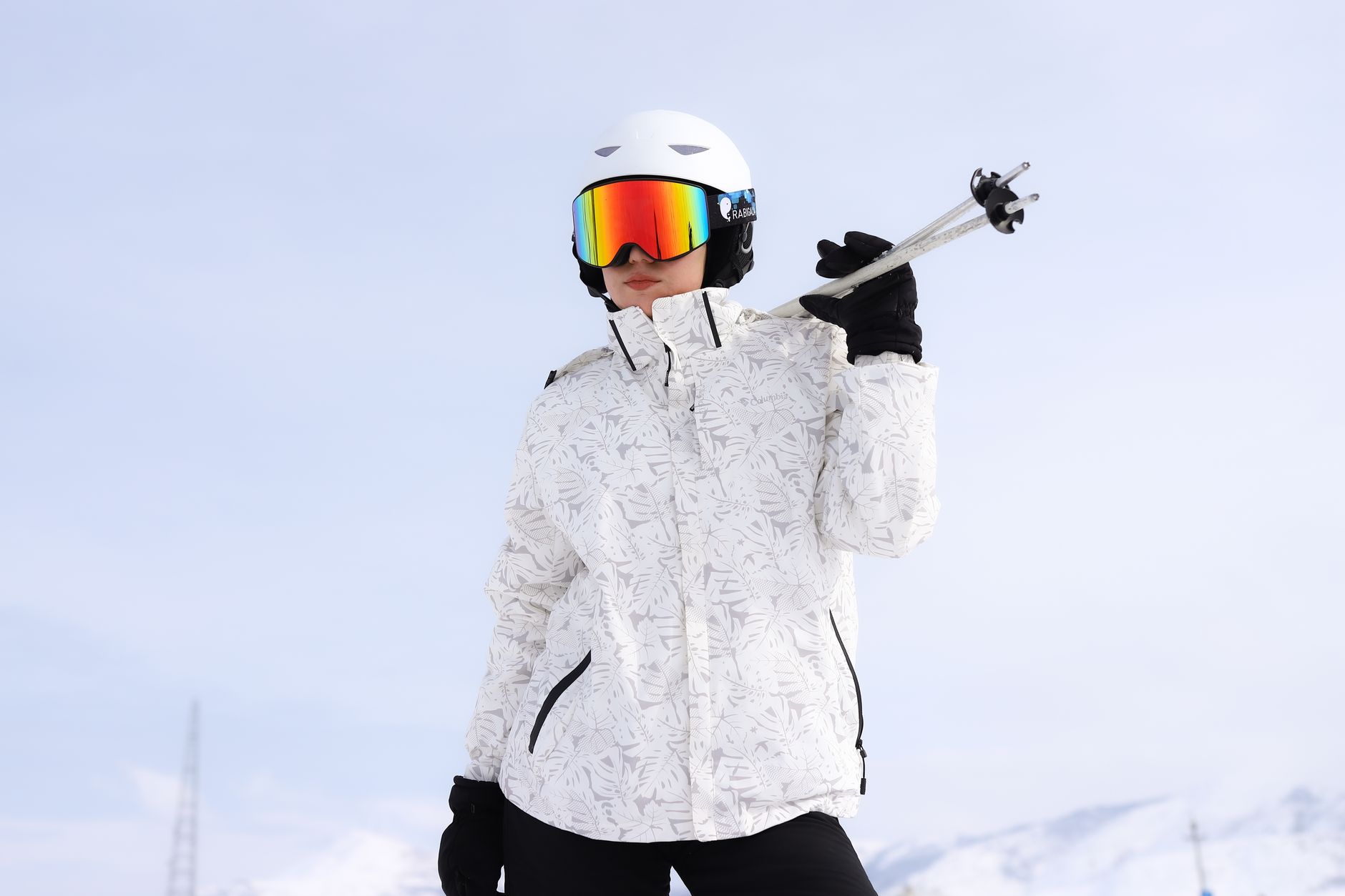
Buyer’s Guide – The Best Budget Ski Goggles

7
~ 8 min.
Buyer’s Guide – The Best Budget Ski GogglesBuyer’s Guide – The Best Budget Ski Goggles" >

建议: Pick an affordable pair with distortion free optics and a slim temple that sits flat under a helmet. It must be compatible with your headgear, and with your existing eye protection; keep a spare lens ready to swap when light shifts. If possible, place an order for an extra lens.

Look for advancements in anti-fog coatings, UV protection, and lens materials that reduce buildup and preserve sightlines under suns and in overcast light. A snug seal helps resist wind leaks and keeps warmth around the eyes, so you stay prepared for abrupt light shifts. Anons updates on specs appear on product pages.

Two common formats exist: cylindrical and spherical lenses; choose same family to minimize distortion across swaps. A flatter frame profile helps keep pressure off a temple line and reduces edge glare on sightlines.

When sizing for fit, check temple width and foam density; ensure compatible with your helmet and strap. Details like a snug seal around brows reduce wind intrusion and fog buildup, and you may want to place an order for an extra lens to cover changing conditions; this helps prevent break in vision during rapid movements.

Never settle for discomfort or blurry views. Lots of user feedback points to models that balance light control, comfort, and value. important factors include fit, compatibility, and lens swap options, all of which support a quest for reliable eye protection across a season of rapid weather and long days on snow.

Value-focused evaluation for Sinner Olympia goggles

Opt for Olympia if you want reliable visibility at a fair price; rimless frame keeps view unobstructed, weight is low, and colorways range from vibrant hues to darker neutrals.

Fog-free performance comes from smart venting and a minimal seal; when fogged on cold mornings, wipe inner surface quickly and resume; this model generally beats many competitor options in maintaining clarity.

Definition of clarity stands due to polycarbonate lens with scratch-resistant coating; durable shell resists scratches during transit or handling; protecting lenses helps keep assured vision during a flight to resort or getting ready for runs.

Compared with mainstream alternatives from brands like Goodr, Olympia delivers stronger optical performance with rimless design and a more premium feel, without pushing price upward; for friends hitting sunny passes or overcast slopes, this option performs better in colorways and contrast. This combination avoids mimic premium seen in some expensive options.

Edge cases: darker tints help in bright sun; pair with a lighter shade in foggy mornings to maintain definition; for anyone chasing quick changes, this setup is ready for action rather than waiting on swaps.

Given performance, buyers prioritizing value should consider Olympia.

In this moment, you get solid value without sacrificing performance.

Putting on this kit, transitions feel snappy and frames stay comfortable all day.

If fogging recurs, contact customer care for guidance or warranty options.

Thanks for considering this pick; ready to ride with reliable eyewear? This setup puts you in good company, and friends can vouch for its performance in mixed light and on longer days.

Lens Tint Options and Light Transmission for Sinner Olympia

Lens Tint Options and Light Transmission for Sinner Olympia

Recommendation: photochromatic lens on Olympia handles variable light time; it shifts from roughly 15% to 60% transmission, reducing blinding glare while you focus on visionwhat matters.

Mirror finishes cut sun glare on bright days; these shades makes light handling easier, pairing with comfy foam seal and ergonomic fit to minimize shifting during rides.

Low-light performance favors clear or lightweight tint with VLT around 85-90%; pink or rose tint stays around 25-50% for dim to moderate sun; photochromatic options adapt roughly 15-60% depending on brightness.

Olympia lens system designed to accommodate multiple interchangeable options; purchasing extras expands options for different conditions. A smallmediumlargenumber of spare lenses offers flexibility to maximize comfort and vision at a moment’s notice.

Go-to strategy: vary by scenario; for sunny alpine days drop VLT to 10-15% with mirror; for bluebird skies, pink/rose around 25-45% helps boost contrast; for dusk, clear or low-tint around 60-85% keeps detail crisp.

Choose ergonomic frame features and ensure swaps are smooth; fidgeting decreases when lens changes slide in with minimal effort, arent a concern for primary fast-changing sessions.

Visionwhat to guide purchasing: assess primary use, local climate, and time spent on varying conditions; around a smallmediumlargenumber of options keeps decision simple and comfy.

Those who value swaps and flexible setups will maximize comfort.

Anti-Fog Performance and Ventilation Design

Choose eyewear with integrated venting and a hydrophobic coating; it doesnt fog during hill climbs, ensuring clear sightlines when you transition from sun to shade, then back into shadow.

Vent design matters: look for top and bottom microchannel vents, silicone seals around rim, and an axis line that directs air across lens. julbo is among brands that pair large intake vents with snug fit, very durable and minimizing moisture buildup, distractions as you navigate rocky ridges within this category.

Coatings and lens stacks changes performance; ranging options include a dual-lens architecture with amet-coated inner surfaces and an integrated spacer, preserving airflow while keeping view sharp. cost matters, so look for a model with replaceable foam and silicone gaskets that still breathes well, then youll get solid value in the mix.

Mountaineers value minimizing distractions; thats why a compact, low-profile vent system reduces snagging on headwear, and silicone seals help youll stay focused without bother. If you wore this setup on a long climb, moisture management held up.

Another factor is maintenance; keep seals clean, dry foam, and replace worn components to preserve airflow. An enhancer is a removable vent cap that simplifies service, and a vent line lets you adjust without disassembly.

Frame Fit, Comfort, and Helmet Compatibility

Here is a recommendation: a sleek, narrow eyewear frame with a tight seal sits flush under a helmet, avoiding hotspots or gaps.

Intuitive strap adjustments and multi-density foam create a stable fit while moving in blowing snow. A low-profile frame helps with helmet compatibility, preventing edge pressure during head turns.

Frame geometry matters: cylindricalwhat shapes hug contours with minimal space; exactly these contours reduce edge contact with a helmet, notable for staying aligned during runs.

Coatings combat smudges and fog; getting coatings right matters. A hydrophobic or anti-fog coating reduces condensation during cold mornings, while hard coatings resist scratches; black frames blend with winter gear, and misapplied coatings can cause fogging, causing issues during long sessions.

Cons to watch: tough frames can crack under impact; foam that compresses yields leaks. In a review tests, switching between brands showed olympia line offer a cohesive seal and rugged hinges.

Getting the perfect match may require trying several sizes; during fitting, verify seal around nose and cheeks and ensure strap routing works with helmet retention; switching between models can fix fit quickly.

Notable tip: black frames keep glare down; a simple silhouette with robust coatings helps during long days on the slopes.

Optical Clarity, Distortion, and Peripheral View

Choose three-layer lenses with a broad, shallow curve to maximize peripheral view while minimizing distortion. This look remains crisp across light levels.

For optical clarity, select models with precision-polished surfaces and an anti-fog interior; reported results show minimal edge distortion and consistent contrast across mid and bright light; look for included care materials and a comfortable seal to preserve views.

Comfortably worn with velour face padding and a soft seal; safety features like UV protection and impact resistance; dragons would appreciate a snug seal.

Night conditions demand a tint that preserves look while reducing glare; select night-friendly options or high-contrast coatings to maintain safety during dusk. Convenience comes from included pouches and easy lens swapping, keeping handling convenient during moments on slope.

In ready moment-by-moment checks, compare primary candidates based on three-layer integrity, included accessories, and comfort. Premium coatings justify pricier choices when usage is long-term. sweet savings emerge when smallmediumlargenumber data align with needs.

Below is a quick comparison aimed at practical decisions:

模型 Lens Type Three-layer Peripheral View Clarity Notes
SilkView Elite Polycarbonate with anti-fog Yes 180° 0.3% Included case, velour cloth
DriftLite Prime CR-39 with premium coatings Yes 165° 0.4% Sweet value; pricier version available
PulseNight 2 Mirrored polycarbonate Yes 172° 0.25% Night mode; safety rated

Durability, Care, and Value Considerations

Recommendation: frameless, extra-wide eyewear with polarized lenses and a solid, impact-tested shell combines durability with clarity and meets every condition from cold wind to glare while staying affordable.

Durability rests on polycarbonate lenses, a TPU shell, and miner-grade seals; solid strap anchors and reinforced gaskets resist cold impact and wear.

Care steps: clean lenses with microfiber, avoid abrasive cloth, store in a hard case, and air-dry after sessions to prevent fogging.

Value considerations: seek long warranty, replaceable lenses, and affordable spare parts; some models offer service packages; recommendation is to compare total cost over three seasons rather than upfront price.

Size guidance: mediumlarge fits most adults; extra-wide accommodates larger faces; mask compatibility allows use with helmet setups; ensure secure seal to reduce drift.

Styling and look: cyrius and nebula lines deliver a solid look; tahoe colorways pair with roomy outerwear; some designers mix matte and gloss finishes for subtle contrast.

Testing and reviewer notes: reviewer testing shows rugged units survive jump tests and drops; effect on glare reduction is noticeable; isnt fragile under cold temperatures, and polarized coating reduces reflection well; this isnt something to overlook.

Leave a comment

Your comment

Your name

Email
